Induction Cooking Zones Redefine Kitchen Functionality
Professionals who specialize in kitchen installations and renovations observe that the most significant advancement in contemporary cooking surpasses aesthetic enhancements or expansive layouts. Induction cooking zones lead this transformation. Clients frequently express astonishment upon learning the operational principles of these systems and their emergence as a benchmark in efficient kitchen designs. For those contemplating a renovation or appliance upgrade, a solid grasp of induction technology promises financial savings, asset protection, and an enriched routine of meal preparation.
Understanding the Fundamentals of Induction Cooking
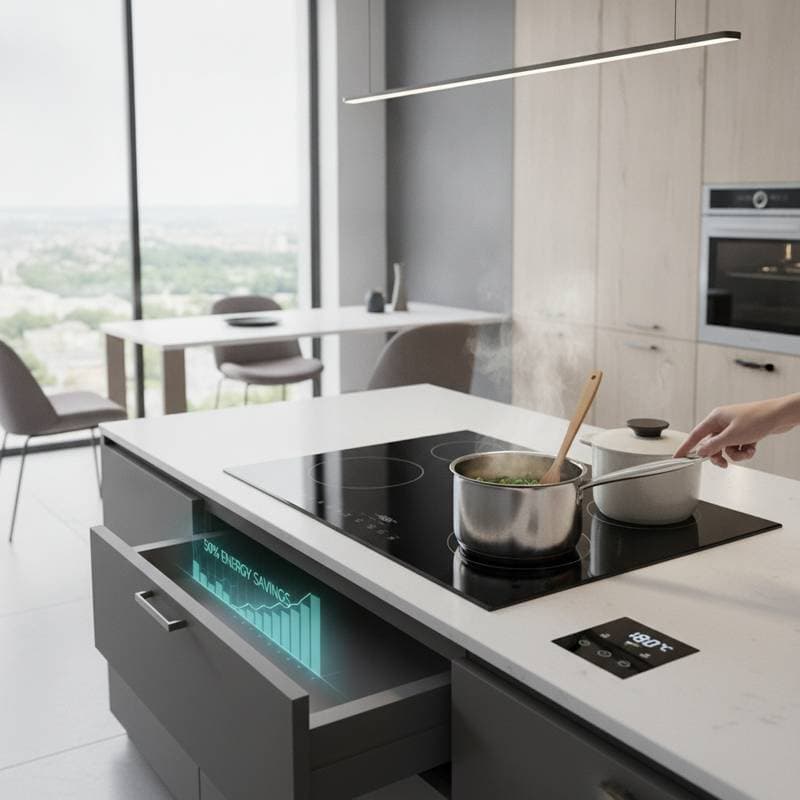
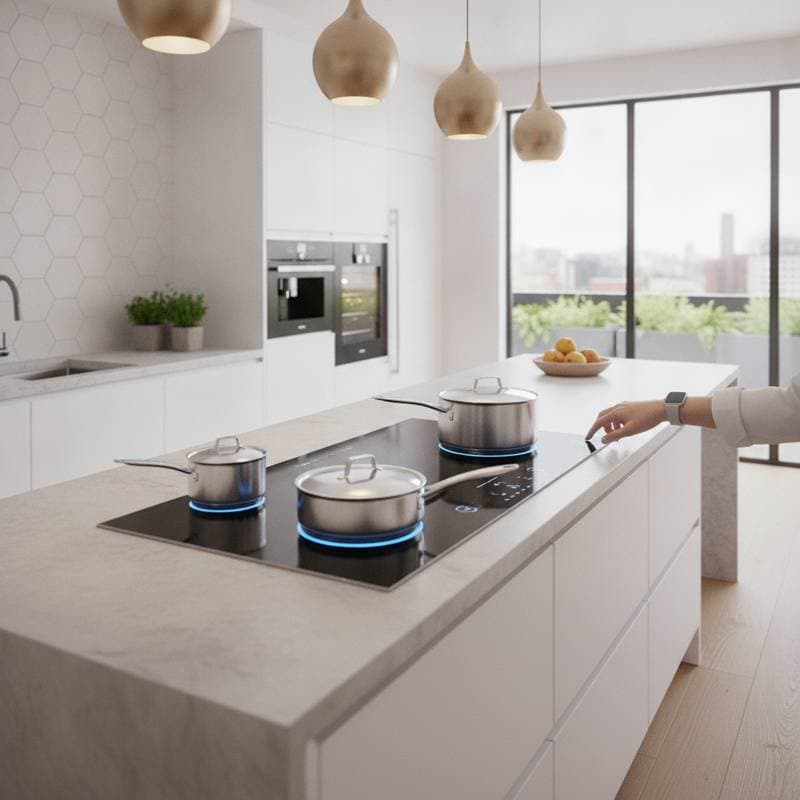
Induction cooking harnesses electromagnetic fields to generate heat directly within compatible cookware, bypassing the need to warm the cooking surface itself. This fundamental distinction revolutionizes heat distribution, regulation, and retention. The cooktop surface remains comparatively cool, whereas the cookware achieves high temperatures in moments. Such efficiency prevents energy loss and mitigates hazards like burns or damage to surrounding countertops.
Conventional electric or gas stoves dissipate substantial energy during heat transfer. Induction directs virtually all energy to the cookware, resulting in quicker operation, reduced residue, and heightened efficiency. Professionals note that after one week of use, clients seldom revert to older methods.
Key Benefits Observed in Practice
Contractors recognize advantages that extend well beyond velocity and appearance. The following outlines primary factors influencing kitchen design and construction:
-
Enhanced Safety and Regulation. Heat adjustment occurs instantaneously. Removing the cookware triggers automatic shutdown. Absence of flames, lingering warmth, or potential gas hazards further bolsters security.
-
Reduced Energy Consumption. These zones demand less electricity than traditional electric methods. They also lessen requirements for extensive ventilation systems.
-
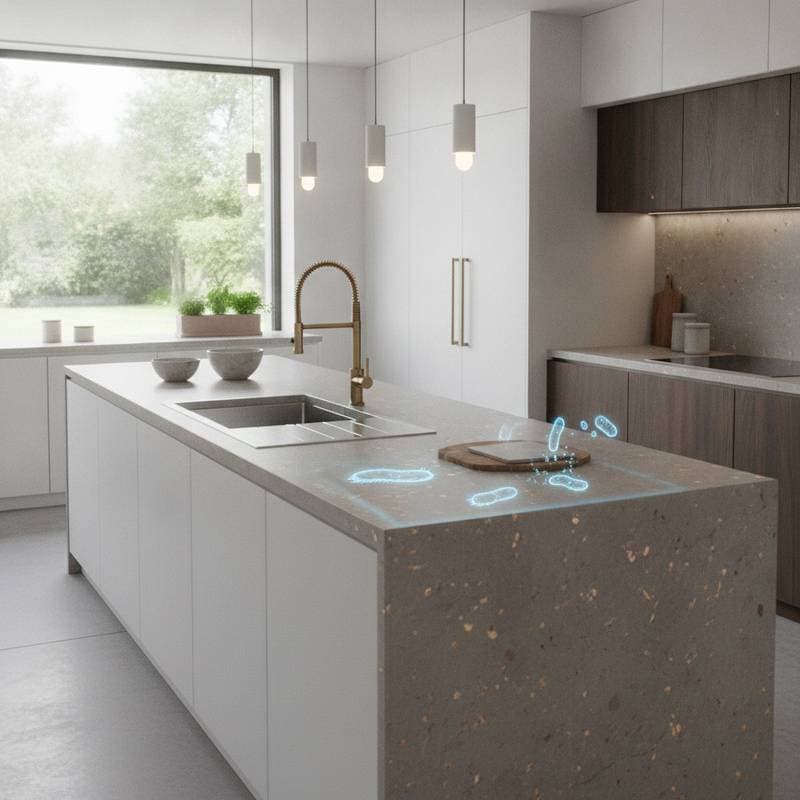
Simplified Maintenance. The surface rarely reaches temperatures that fuse spills, allowing effortless removal with a damp cloth.
-
Versatile Integration. Flush-mounted installations yield uninterrupted countertops, suiting contemporary and blended kitchen aesthetics.
-
Accurate Heat Management. Regular cooks appreciate second-by-second adjustments, ensuring sauces maintain consistency, proteins sear evenly, and dishes avoid unintended charring.
Addressing Frequent Misunderstandings
Clients often assume induction requires proprietary utensils or incurs prohibitive expenses. In reality, prevalent materials like stainless steel and cast iron prove compatible in most cases. A straightforward magnet test confirms suitability: firm adhesion to the base indicates readiness.
Regarding investment, initial costs exceed those of basic models, yet long-term gains through diminished utility bills and minimal upkeep prevail. Elimination of ignition sources, protective grids, or fuel conduits simplifies ongoing care. These elements gradually recoup the upfront expenditure.
Selecting an Optimal Configuration
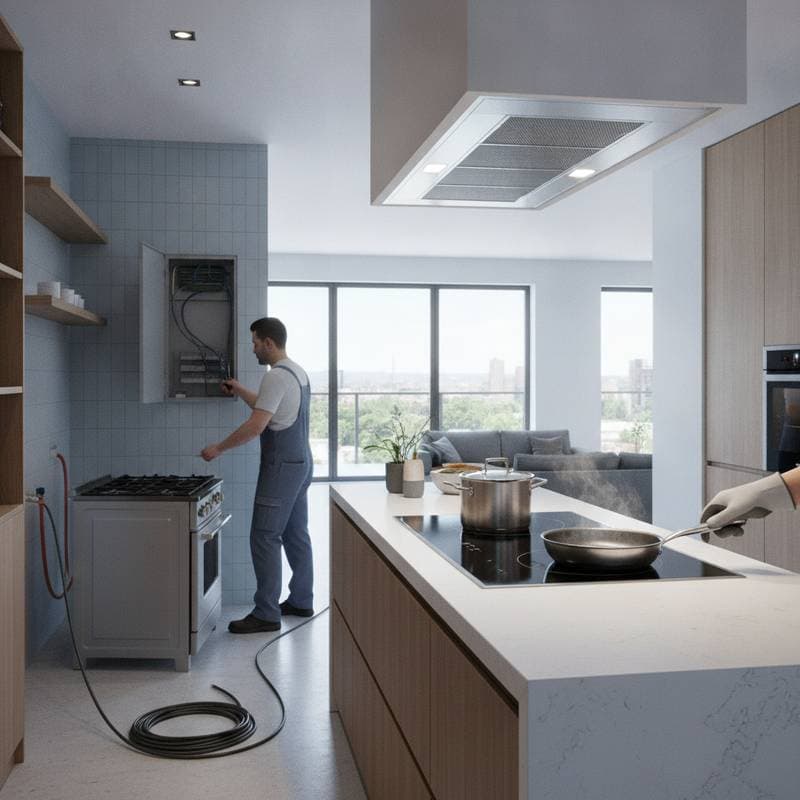
During kitchen overhauls, evaluate personal cooking patterns. Options range from complete induction ranges to combined setups incorporating zones alongside conventional elements. Installations blending a dedicated induction area with a gas stove provide adaptability without demanding wholesale shifts in technique.
Verify electrical infrastructure adequacy prior to proceeding. Engage a certified electrician to assess circuit capabilities. Overlooking this precaution invites expensive modifications down the line.
Optimizing Efficiency in Contemporary Kitchens
Induction cooking zones transcend temporary popularity. They embody the progression of kitchens toward sustainable power sources, intelligent layouts, and secure functionality. Adopting this technology equips users with tools for precise, effortless culinary pursuits that align with evolving lifestyle demands.