Understanding the Shift to Induction Cooking
Homeowners with gas stoves may have encountered discussions about upcoming regulations on gas appliances. These changes signal a broader move toward sustainable energy in residential spaces. If your kitchen depends on a gas stove, the question arises: delay until enforcement begins, or initiate the conversion to induction now?
This transition extends beyond mere regulatory adherence. It prepares your home for enhanced energy efficiency, reduced emissions, and improved indoor air quality. Thoughtful modifications enable a seamless shift, mitigating potential expenses and delays as compliance deadlines approach.
The following sections provide essential information on retrofitting your gas stove to induction, including costs, procedures, and preparation strategies to complete the upgrade before restrictions intensify.
Benefits of Induction Over Gas
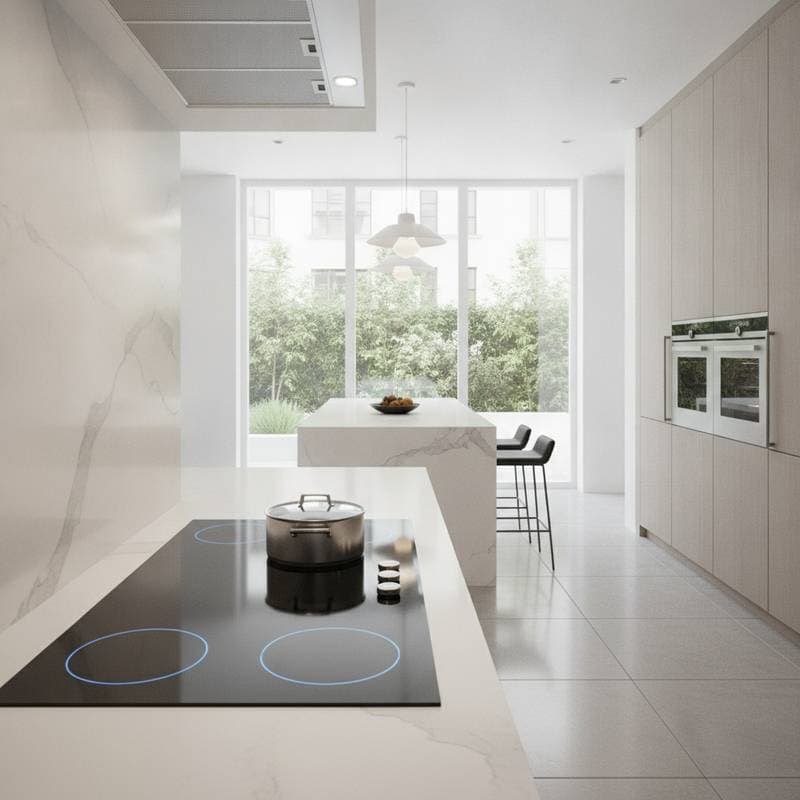
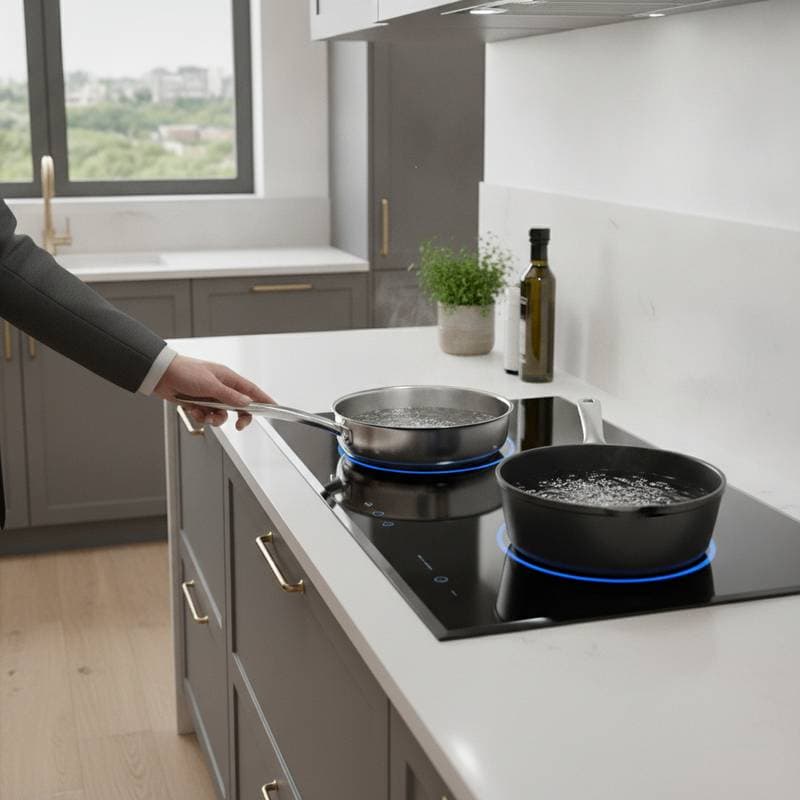
Induction cooking utilizes electromagnetic fields to heat cookware directly, eliminating the need for open flames or gas combustion. This method delivers rapid heating, with water boiling up to twice as fast compared to traditional gas stoves. Energy transfer remains contained within the pan, minimizing waste and lowering utility bills by as much as 10 to 20 percent over time.
Beyond efficiency, induction promotes healthier environments by avoiding the release of pollutants like nitrogen dioxide and particulate matter associated with gas burning. Studies indicate that these emissions contribute to respiratory issues, particularly in poorly ventilated kitchens. The surface stays cool to the touch, reducing burn risks and simplifying maintenance since spills do not bake onto hot elements.
For those concerned about performance, induction offers precise temperature regulation, ideal for delicate tasks such as simmering sauces or melting chocolate. Modern units include features like boost modes for searing and automatic shut-off for safety, rivaling or surpassing gas in versatility.
Step-by-Step Guide to Retrofitting Your Gas Stove
Transforming a gas stove to induction requires coordinated efforts in electrical, plumbing, and installation work. This process ensures compatibility and safety. Below is a detailed outline of each phase.
-
Evaluate Your Electrical System
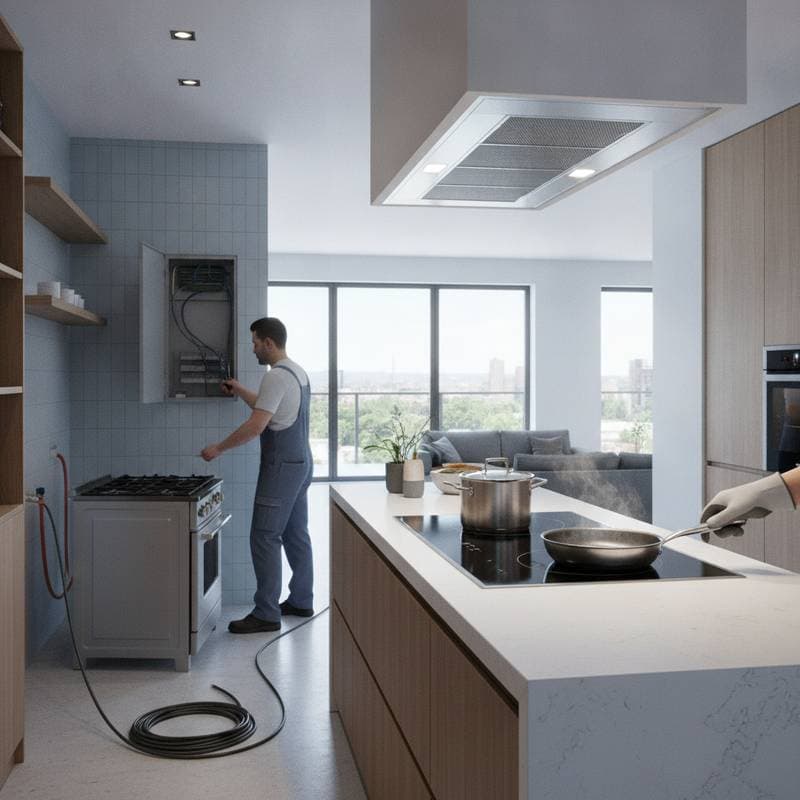
Induction cooktops demand a robust 240-volt dedicated circuit, typically rated at 40 to 50 amps. Engage a licensed electrician to inspect your electrical panel for available capacity. In homes built before 1980, a full service upgrade might prove necessary, involving new wiring from the meter to the panel. Costs for this assessment and potential upgrade range from $800 to $2,500, influenced by factors such as wall access and distance from the main service. -
Disconnect and Secure the Gas Line
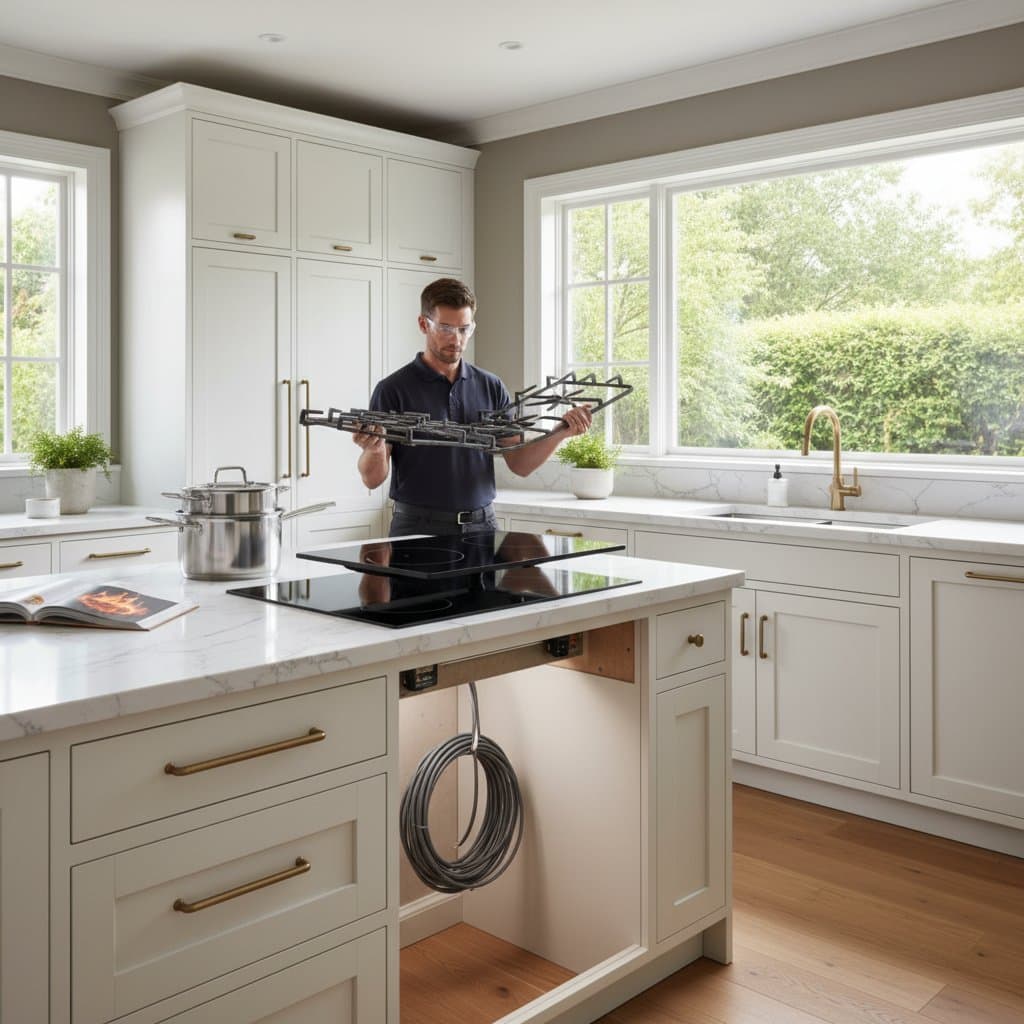
Professional intervention is mandatory for gas handling to prevent hazards. A certified plumber or gas fitter will isolate the line, cap it securely, and perform pressure tests to confirm no leaks exist. This step complies with local codes and averts future issues. Fees for this service generally fall between $150 and $400, depending on regional labor rates and line complexity. -
Select an Appropriate Induction Cooktop
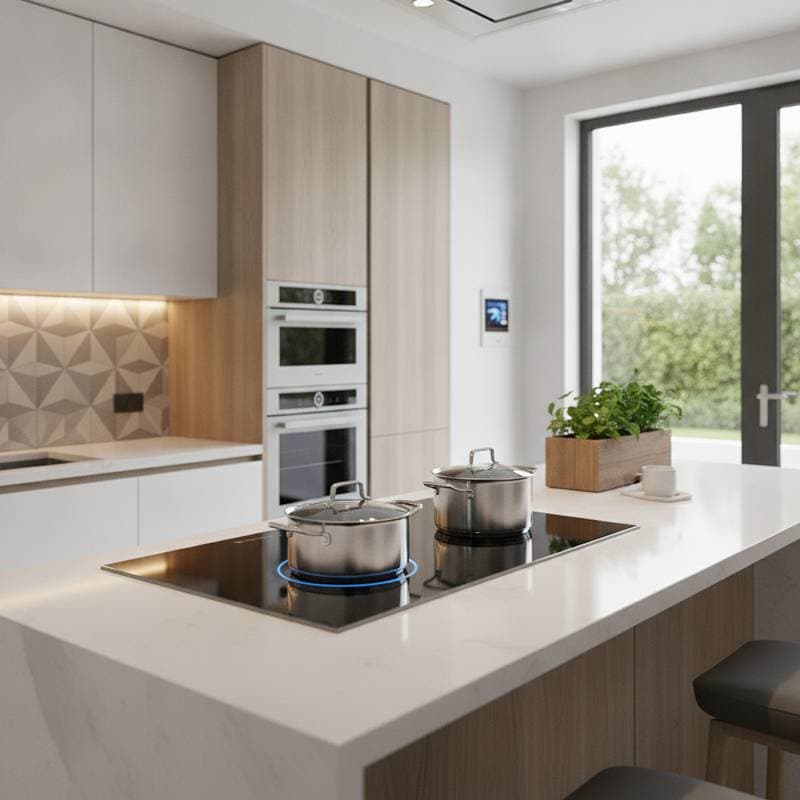
Options abound in induction models, from full-sized units to compact alternatives. A 30-inch four-burner cooktop fits standard kitchen layouts, with prices spanning $900 to $2,500 for reliable mid-tier options featuring touch controls and simmer settings. For apartments or testing the technology, portable single-burner models begin at $100, plugging into standard outlets for immediate use.
Consider power levels: higher wattage units (up to 7,400 watts total) suit avid cooks, while basic models suffice for everyday needs. Verify compatibility with your countertop depth, usually 2 to 3 inches.
- Modify the Countertop Opening
Gas cooktops often occupy larger cutouts than their induction counterparts. If the existing opening exceeds the new unit's dimensions by more than half an inch, adjustments become essential. For laminate surfaces, simple trimming works; quartz or granite demands a specialized fabricator to avoid cracks.
Professionals can resize or insert filler panels seamlessly. Budget $200 to $600 for this labor, higher if full replacement occurs. Measure precisely before purchase to minimize alterations.
- Professional Installation and Final Testing
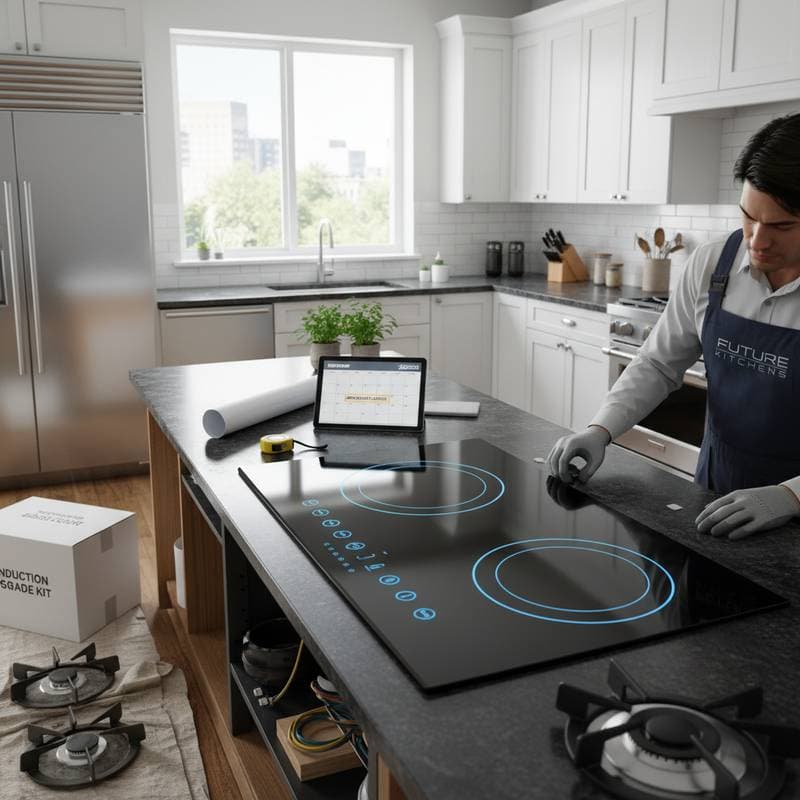
After preparatory work, the electrician installs the cooktop, connecting it to the circuit. Test all burners for even heating and responsiveness. Confirm the breaker aligns with the unit's specifications, often 40 amps for standard models. Installation fees add $300 to $800, ensuring warranty validity.
Planning Your Timeline Effectively
Commence planning several months in advance to sidestep scheduling conflicts. Electrical contractors book quickly, often requiring 4 to 6 weeks lead time, while countertop fabricators face similar demands. Procure your induction cooktop promptly, as popular models experience backorders during peak seasons.
Assess your cookware collection early. Induction requires ferromagnetic bases; attach a magnet to the pan bottom—if it adheres, the item functions. Non-compatible pieces, like aluminum or glass, necessitate replacements, with induction-ready sets starting at $200 for basics. Practice with a portable unit to familiarize yourself with the technology.
Aim for completion within 4 to 8 weeks from initial consultation. Factor in permit processing if your locality mandates it for electrical or gas modifications, which can add 1 to 2 weeks.
Prioritizing Safety and Regulatory Compliance
Gas and high-voltage systems pose significant risks if mishandled, including fire or explosion hazards. Insist on licensed professionals with verifiable credentials for all specialized tasks. Electrical work must adhere to National Electrical Code standards, while gas capping follows guidelines from the International Fuel Gas Code.
Local building departments oversee permits for renovations exceeding minor repairs. They verify requirements for clearances (at least 30 inches above the cooktop), ventilation (if exhaust fans integrate), and circuit protections. Compliance safeguards your homeowner's insurance, preventing claim denials in accidents.
Post-installation, conduct routine checks: inspect cords for wear, clean the surface with approved agents, and monitor for unusual noises or scents. These habits extend equipment life and maintain safety.
Embracing Induction for Long-Term Gains
View the retrofit as an opportunity to enhance your kitchen's functionality and sustainability. Induction not only meets impending regulations but also delivers tangible savings—expect reduced energy use and elimination of gas utility fees. The precise controls foster culinary creativity, from quick weeknight meals to elaborate baking.
Homeowners report satisfaction with the upgrade's ease and performance. To proceed, obtain multiple quotes from electricians, plumbers, and retailers. Schedule consultations this month to secure slots and explore rebates for energy-efficient appliances, often available through utility programs.
By addressing the conversion proactively, you position your home for cleaner, more efficient cooking. This forward-thinking step ensures readiness before supply chains strain and costs escalate, allowing enjoyment of modern benefits without urgency.