Why Antimicrobial Surfaces Are Essential in Modern Remodels
Antimicrobial surfaces represent a significant advancement in home design, blending functionality with visual appeal. These materials appear frequently in contemporary remodels because they promote cleaner, safer living spaces with minimal additional effort. For projects ranging from kitchen updates to comprehensive renovations, antimicrobial options enhance daily usability while maintaining elegance.
Professionals in design, including those with experience in television productions and client consultations, observe a growing demand for finishes that prioritize both performance and appearance. Antimicrobial countertops, tiles, and hardware provide effective resistance to bacteria, offer exceptional longevity, and accommodate various budgets. The following sections examine the key attributes and applications of these materials.
Defining Antimicrobial Surfaces
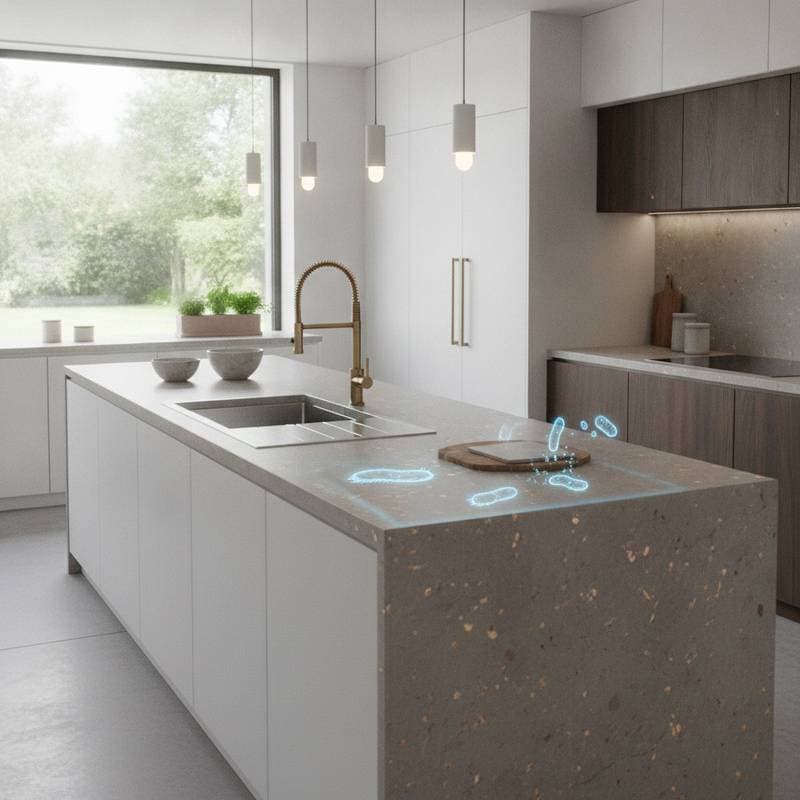
An antimicrobial surface incorporates built-in mechanisms to inhibit the proliferation of bacteria, mold, and mildew. This technology integrates directly into the material, reducing microbial survival and multiplication. As a result, such surfaces minimize odors, stains, and the need for intensive cleaning, fostering a more sanitary living environment.
Common materials include:
- Quartz and solid surface countertops embedded with antimicrobial agents
- Ceramic and porcelain tiles enhanced by silver-ion treatments
- Vinyl flooring designed with inherent microbial resistance
- Copper or brass hardware that naturally eliminates bacteria
- Paints and sealants engineered to suppress microbial development
These choices vary in aesthetics, tactile qualities, and cost, allowing selection based on specific project needs and financial considerations.
The Advantages of Antimicrobial Materials as a Standard Choice
Contemporary homeowners emphasize wellness and hygiene in their living spaces. Given the frequent contact with surfaces in areas like kitchens and bathrooms, selecting materials that sustain cleanliness proves practical. Antimicrobial surfaces decrease upkeep requirements, prolong material lifespan, and contribute to overall health.
Key benefits include:
-
Effortless Cleanliness
These surfaces actively combat microbial accumulation, keeping areas fresher between cleanings. This feature suits households with demanding schedules or preferences for simplicity. -
Enduring Aesthetics
Protections integrated into the core of the material resist degradation from washing or wear. Consequently, the surface retains its visual integrity over extended periods of use. -
Resistance to Odors and Stains
By preventing bacterial onset, these materials limit persistent smells and discoloration, particularly beneficial in cooking zones. -
Enhanced Health Benefits
Although they complement rather than substitute regular cleaning, antimicrobial surfaces support reduced germ exposure. They prove valuable for households with children, pets, or individuals prone to allergies. -
Diverse Styling Options
A wide array of finishes, from matte quartz to glossy porcelain, ensures compatibility with personal tastes without compromising functionality.
Accessible Options Across Budgets
Effective design remains attainable regardless of financial constraints. Antimicrobial features exist at multiple price levels, enabling informed choices.
- Premium Selection: Quartz countertops with integrated antimicrobial properties, priced at $70 to $120 per square foot installed. These provide superior resilience and minimal upkeep.
- Moderate Investment: Solid surface options such as Corian or Wilsonart antimicrobial variants, costing $50 to $75 per square foot. They suit versatile applications in wet areas.
- Economical Alternative: Antimicrobial vinyl flooring or laminate countertops, beginning at $10 per square foot installed. These deliver substantial hygiene advantages affordably.
- Self-Application Approach: Apply antimicrobial sealants or coatings to current surfaces. Products in spray or wipe formats cost under $30 and bolster existing protections.
Each tier ensures hygienic and attractive results tailored to individual circumstances.
Insights from Professional Transformations
In fast-paced design environments, such as television sets, antimicrobial materials facilitate efficient workflows. They maintain pristine conditions during shoots and offer enduring value to residents.
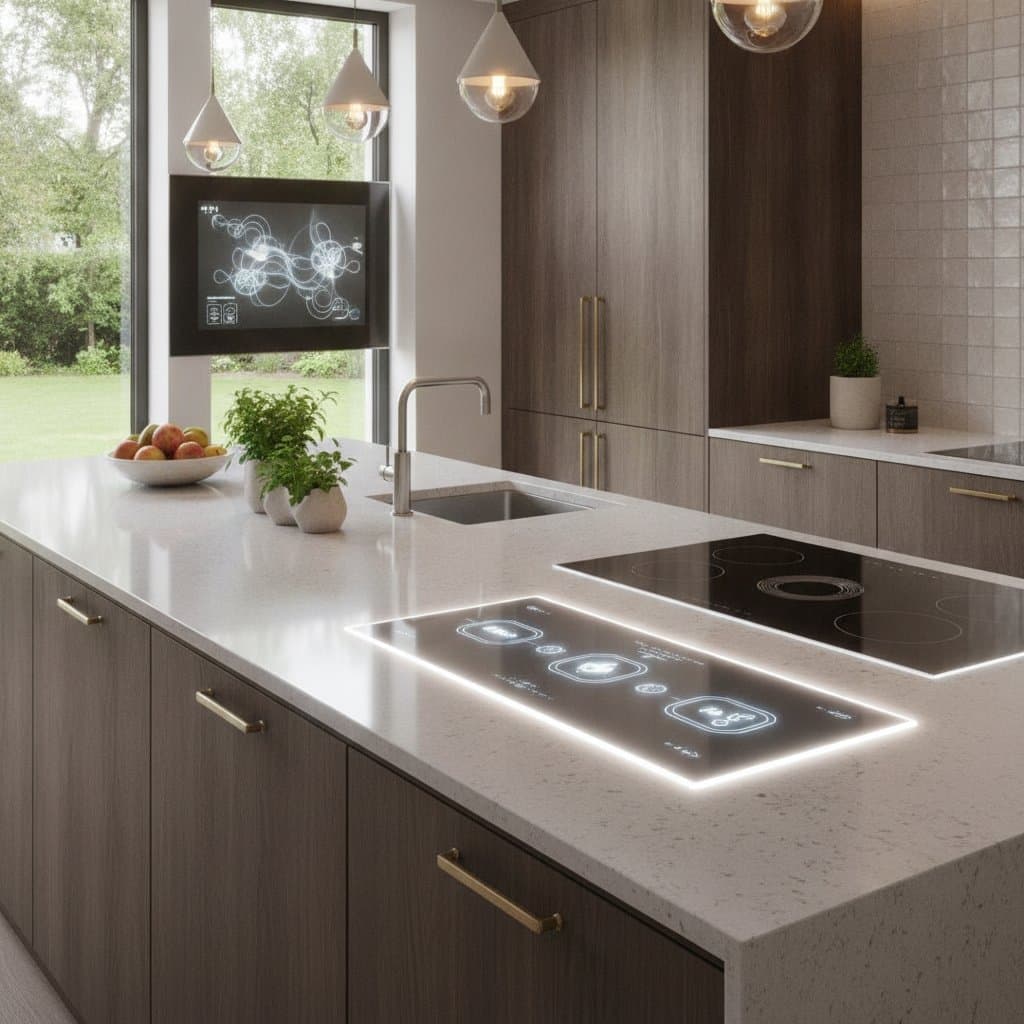
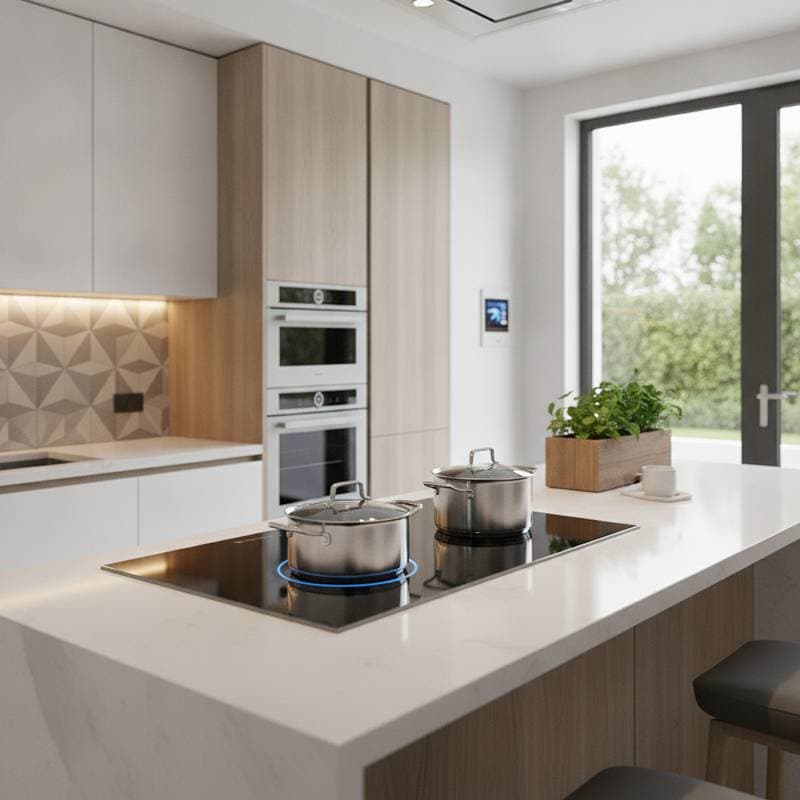
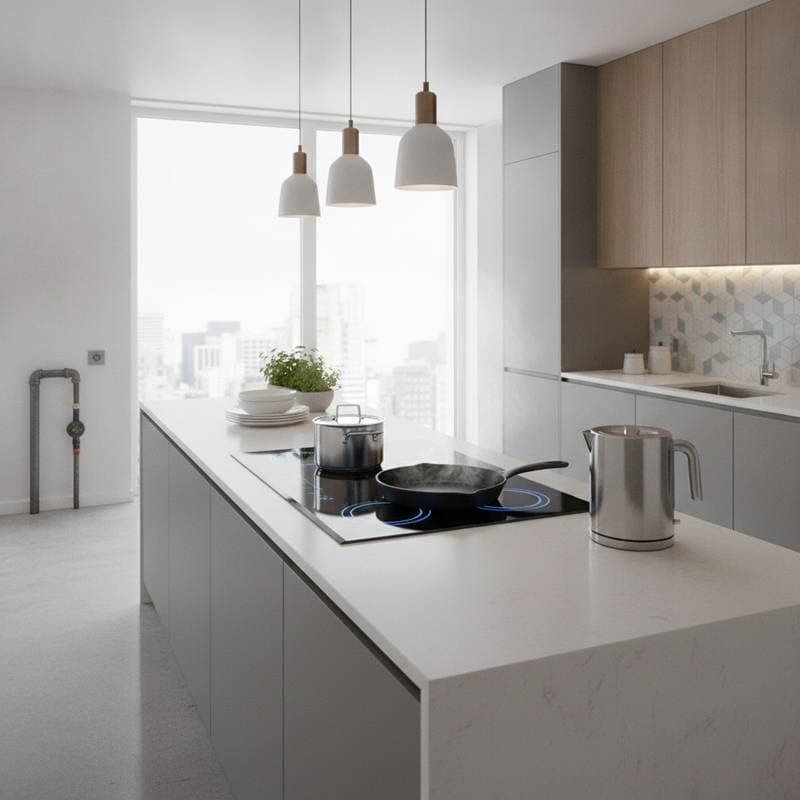
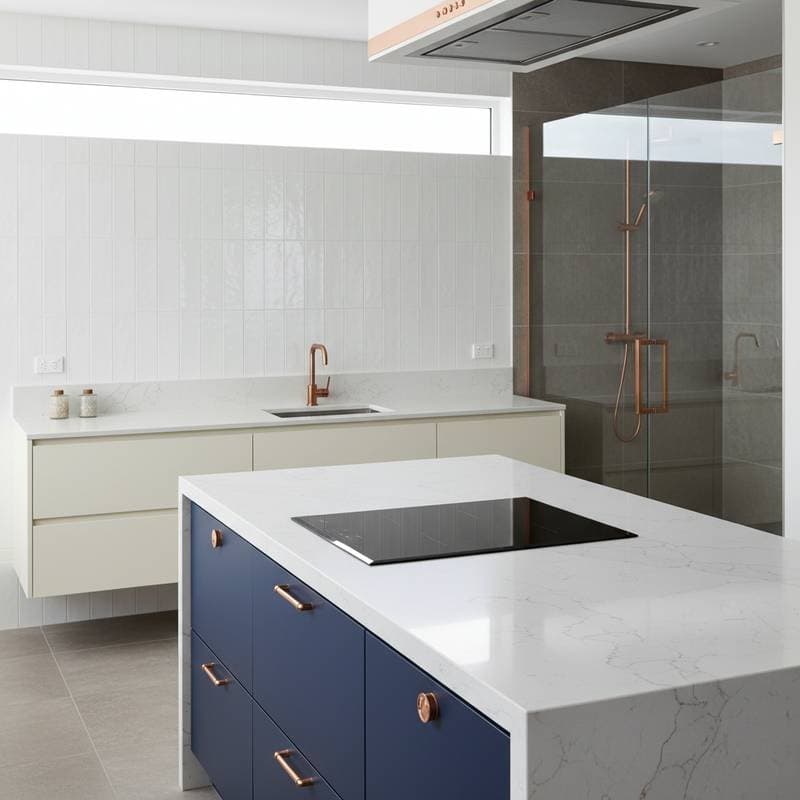
A notable example involved a contemporary kitchen renovation featuring antimicrobial quartz countertops and silver-ion treated ceramic backsplash. The installation achieved a polished on-screen presence and resisted residue during repeated use. Follow-up feedback from the homeowner highlighted reduced visible dirt and simplified maintenance months after completion.
Advancements in Material Technology
Behind the appeal of antimicrobial surfaces lies ongoing research in material science. Innovations ensure that protective qualities align with design versatility.
For example:
- Silver-ion technology interrupts bacterial cellular processes upon contact.
- Copper-infused laminates provide innate resistance without added chemicals.
- Resin-based surfaces allow customization in color, texture, and patterns while preserving antimicrobial efficacy.
Collaborations between designers and material experts drive these developments, resulting in homes that balance safety and sophistication.
Applications in Various Home Areas
Antimicrobial surfaces extend utility beyond primary zones, adapting to diverse room functions.
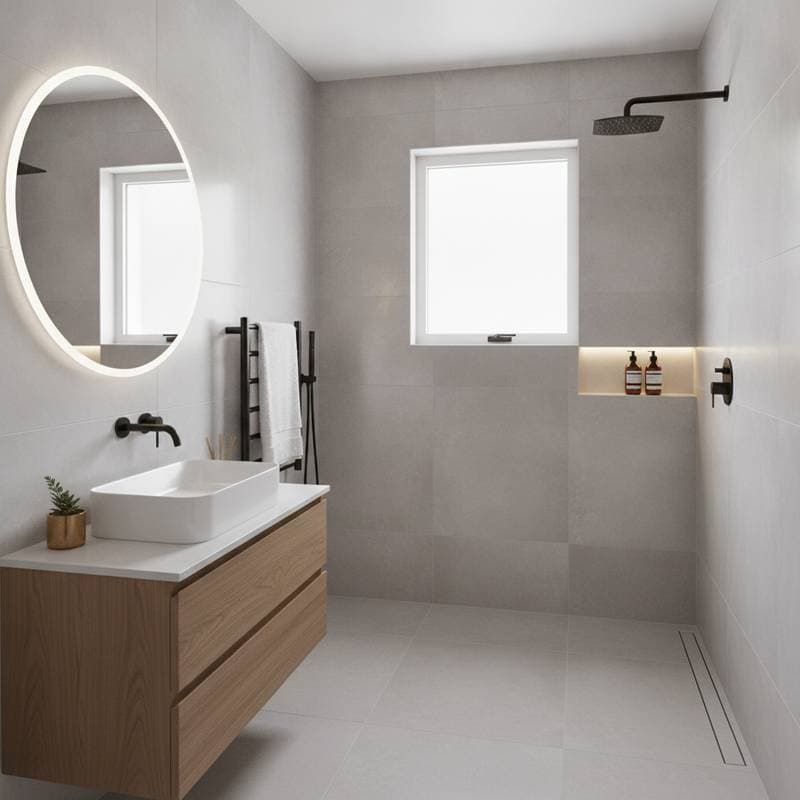
- Bathrooms: Opt for treated tiles or grout to counter mold in humid conditions, paired with quartz vanity tops for sustained cleanliness.
- Laundry Rooms: Select protective vinyl flooring to manage moisture and scents.
- Entryways: Incorporate treated doorknobs and handrails to limit germ spread.
- Home Offices: Use coated laminate desktops for a hygienic work area.
- Children's Rooms: Apply antimicrobial paints to walls, resisting marks and microbes.
Integration occurs seamlessly across styles, from modern to traditional, enhancing overall cohesion.
Market Implications for Design Professionals
The surge in demand for antimicrobial products influences industry dynamics. Homeowners seek solutions that integrate health with aesthetics, prompting manufacturers to innovate rapidly.
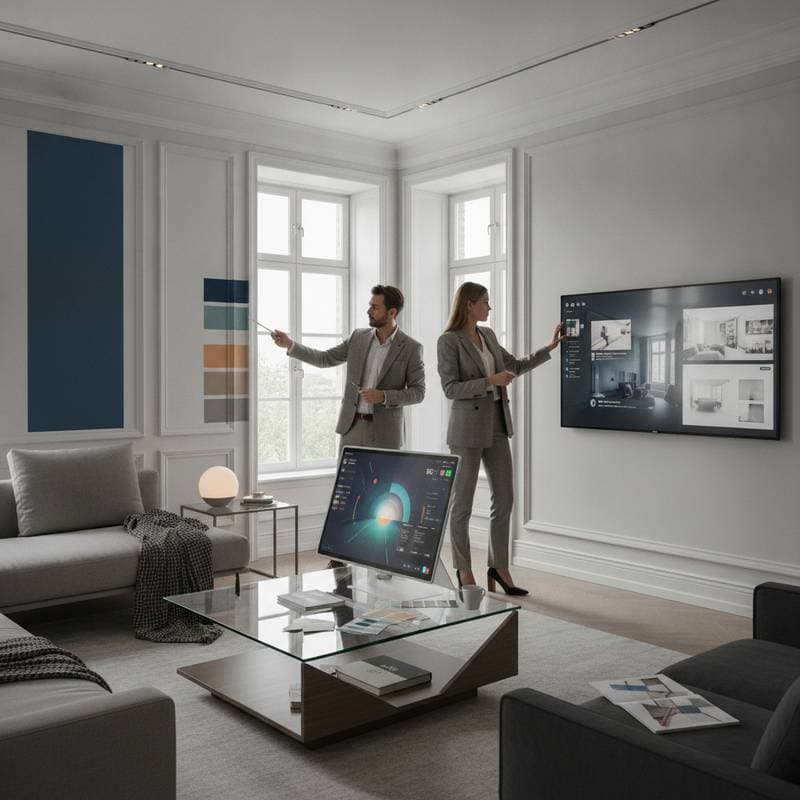
This trend creates avenues for designers and builders to differentiate offerings. Custom antimicrobial integrations elevate product value and appeal. During client discussions, highlighting bacterial reduction in features like backsplashes generates enthusiasm and informs decisions.
Experience with teams fabricating antimicrobial panels underscores the potential for mutual benefits in style and well-being.
Maintenance Strategies for Longevity
Adopting antimicrobial surfaces simplifies upkeep while preserving their advantages. Routine care ensures optimal performance.
- Clean periodically using gentle, non-abrasive cleaners to preserve the protective layer.
- Rinse thoroughly and dry to sustain luster and avoid buildup.
- Consult manufacturer guidelines for specific care protocols.
- Promote air circulation to minimize humidity accumulation.
These practices yield spaces that remain vibrant, healthful, and undemanding.
Implementing Antimicrobial Upgrades
To incorporate these materials, assess priorities and scale accordingly. Begin with targeted replacements, such as countertops or tiles, or extend to broader applications like paints in traffic-heavy zones.
Such enhancements elevate living quality through combined practicality and refinement. Available across budgets, they safeguard family health and streamline routines. Select options that harmonize protection with preferred aesthetics to realize a resilient, contemporary interior.