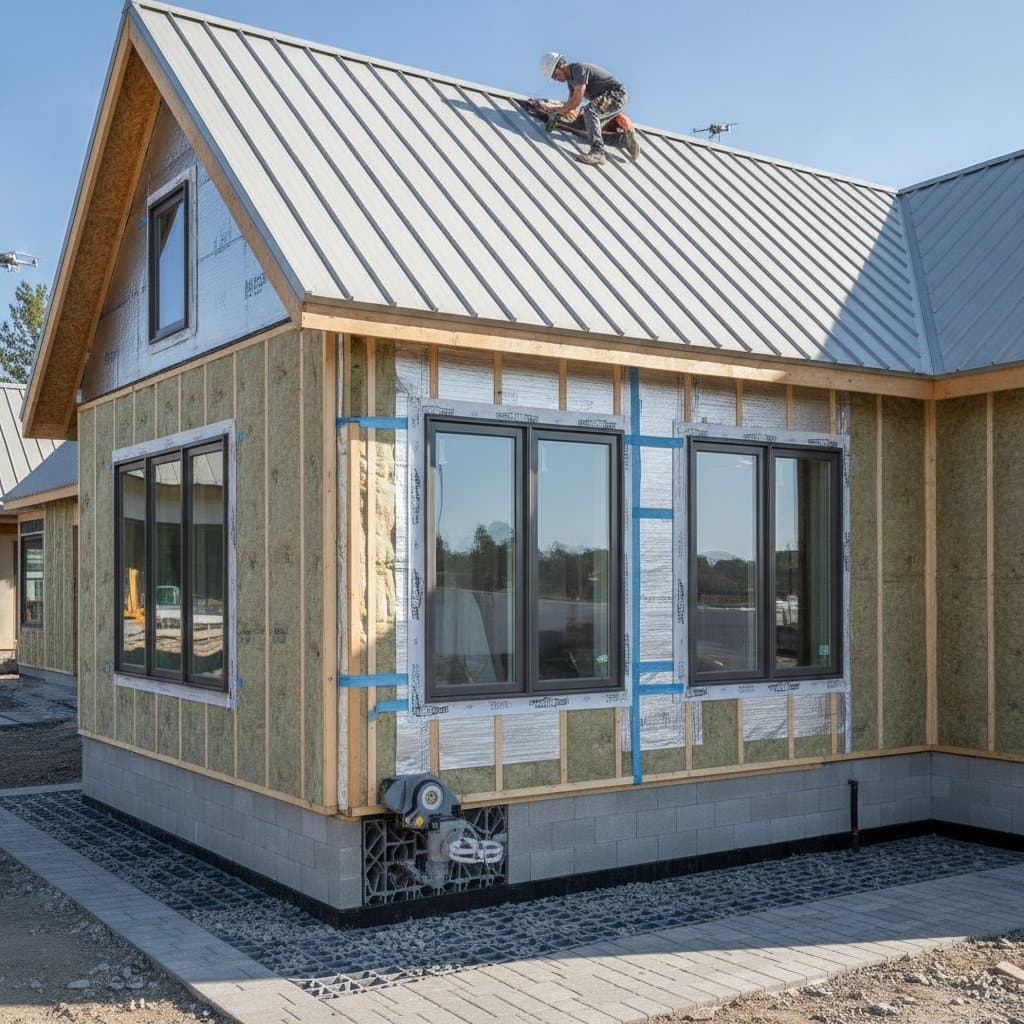
Permit-Ready Drawings That Speed Your Remodel Approval
Every remodel carries anticipation for new finishes and better flow. Yet many homeowners watch design excitement fade when permits, inspections, and review timelines create delays. Strategic preparation turns these steps into manageable progress rather than obstacles.
Design Drawings That Meet Review Standards
Efficient projects start with drawings built to satisfy building department requirements. Detailed elevations, structural notes, and formatted site plans reduce repeated requests for information. Include load calculations, window schedules, material specifications, and electrical layouts so reviewers see compliance at a glance.
Permit sets translate design intent into the language officials expect. A freestanding deck receives different classification than one attached to the house. Architects prepare these documents with precise terminology that avoids misinterpretation and shortens approval cycles.
Bring a Permit Expediter into the Process Early
Permit expediters track department procedures and common rejection reasons. They submit complete packages that address code questions before review begins. Their established contacts often move residential remodels through faster than solo submissions.
Even smaller projects gain from this expertise. An expediter flags missing details such as energy calculations or egress requirements. The result is fewer correction letters and earlier start dates for construction.
Assemble the Full Team Before Submission
Architects, engineers, contractors, and designers each supply pieces of the permit package. Gathering everyone for a joint review catches conflicts between aesthetic choices and structural demands. This step prevents the cycle of revisions that stalls schedules.
Contractors review plans for buildability while designers confirm finish specifications align with code. Early alignment keeps the original vision intact as technical requirements are met.
Follow the Correct Order of Submittals
Structural changes and utility work often need separate permits. Foundation approval can arrive while interior plans are still under review. A clear timeline from your architect shows which documents depend on others and prevents idle waiting periods.
Each municipality processes applications on its own schedule. Ask for estimated review durations and contractor availability dates so work phases line up with approvals.
Track Everything Through Digital Portals
Online permit systems let teams upload documents and view comments without office visits. Pair these portals with project software that sends alerts when new reviewer notes appear. Centralized records keep every participant current on status and required responses.
Prepare for Every Site Inspection
Approved permits mark the start of verification visits. Keep an on-site binder with printed drawings, product data sheets, and permits so inspectors find information quickly. Label materials and maintain clear access to work areas.
Organized sites signal respect for the process. Inspectors complete reviews more efficiently when documentation is ready and questions can be answered on the spot.
Maintain Direct Communication with Reviewers
Respond promptly and precisely to every question. Written clarifications create a record that protects against later misunderstandings. Polite, factual exchanges build familiarity that speeds future interactions with the same department.
Handle Revisions with Flexibility
Reviewers may request changes even in well-prepared sets. Evaluate each request for its effect on safety, durability, or long-term costs. Updated insulation details, for example, can lower future energy bills while satisfying new code language.
Select Compliant Materials from the Outset
Compile documentation for every finish before submission. Fire-rated assemblies, tempered glass, and low-VOC coatings must carry current listings. A pre-approved material list eliminates last-minute substitutions that trigger additional reviews.
Enjoying the Finished Space
Once final tags are posted, the remodel settles into daily routines. Projects that moved through permitting without repeated stops carry a sense of order into the completed rooms. Sharp trim lines, properly fitted cabinetry, and consistent surfaces reflect the same precision applied during planning.