AI Tools Revolutionize Paint Color Selection for Home Interiors
Color selection remains one of the most personal yet uncertain parts of interior design. Small shifts in undertone can alter the entire mood of a space. Cool grays may appear sophisticated by day yet turn stark under evening lights. Soft blushes can read as delicate or cloying based on nearby finishes. Homeowners once relied on dozens of taped swatches. New intelligent tools now replace much of that trial process.
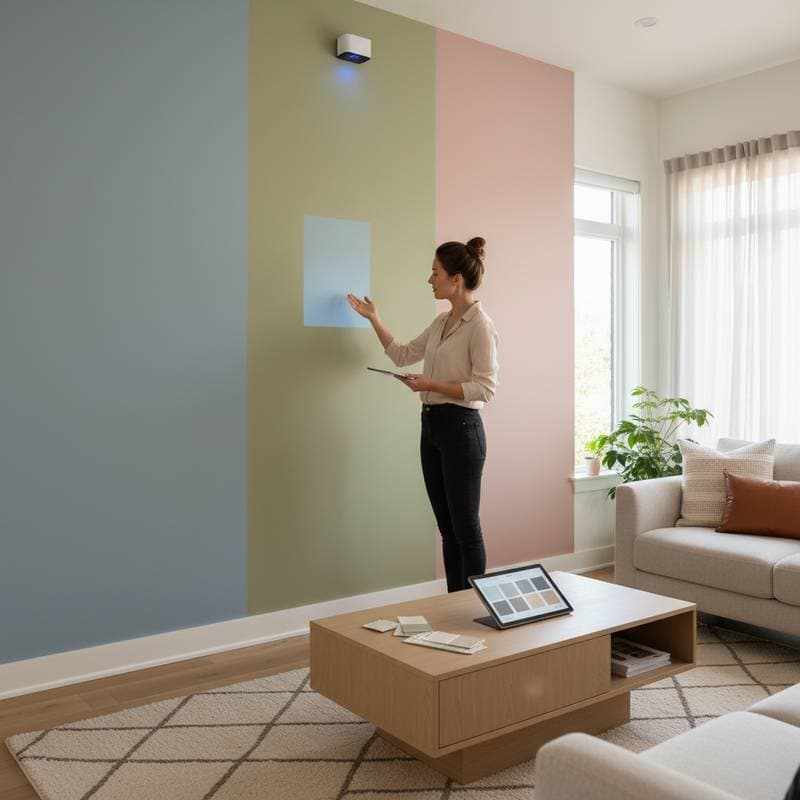
Artificial intelligence interprets color with the nuance of a trained designer. These platforms evaluate light, texture, and context instead of simple visual matches. They let users preview hues instantly, forecast appearance under varied lighting, and generate complementary palettes drawn from furniture or artwork. Professional insight once limited to experts now reaches anyone with a smartphone.
Real Time Visualization Tools
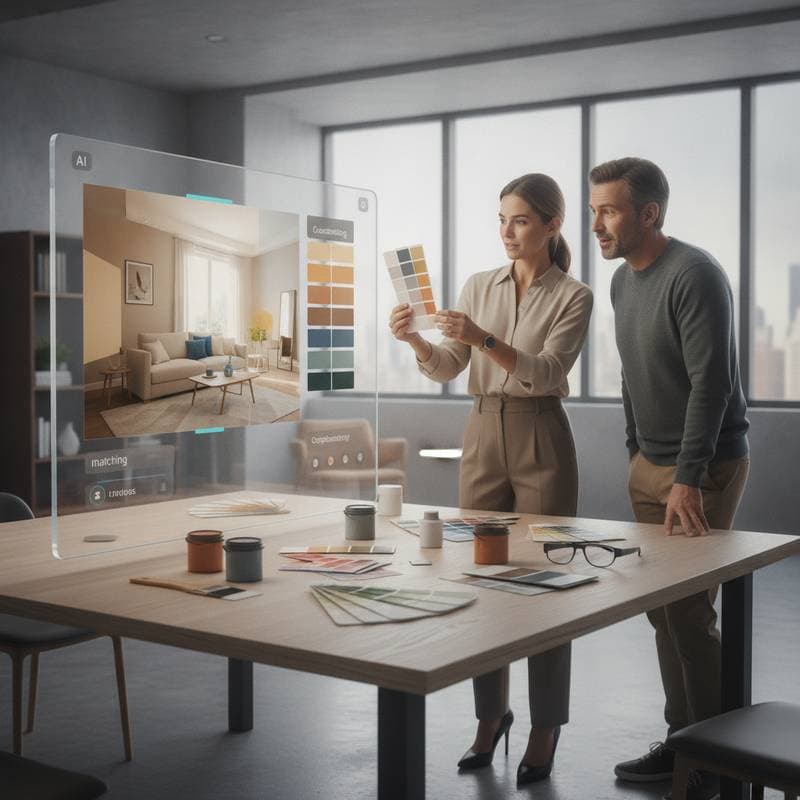
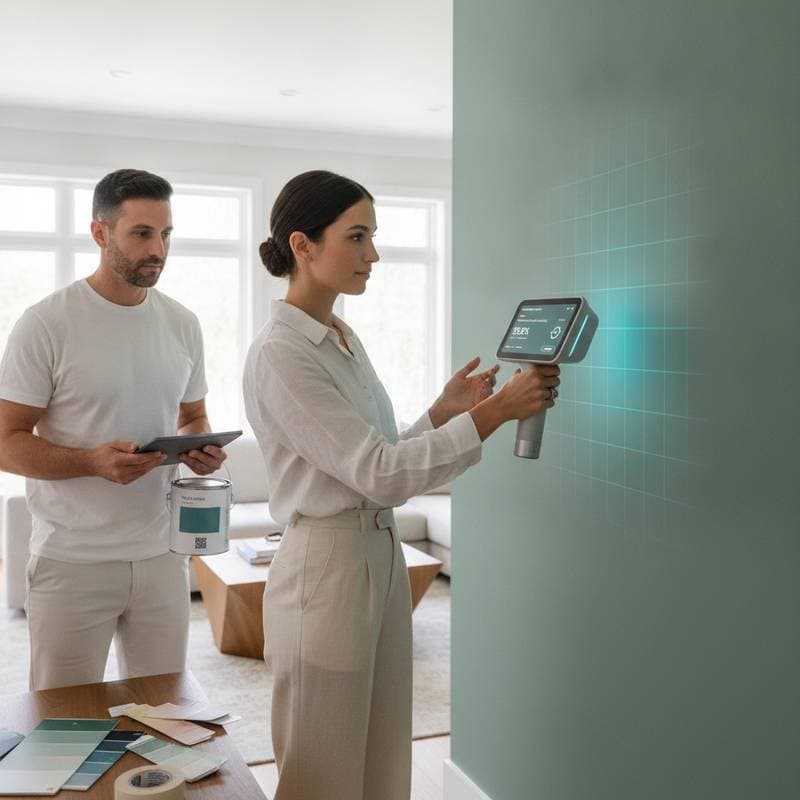
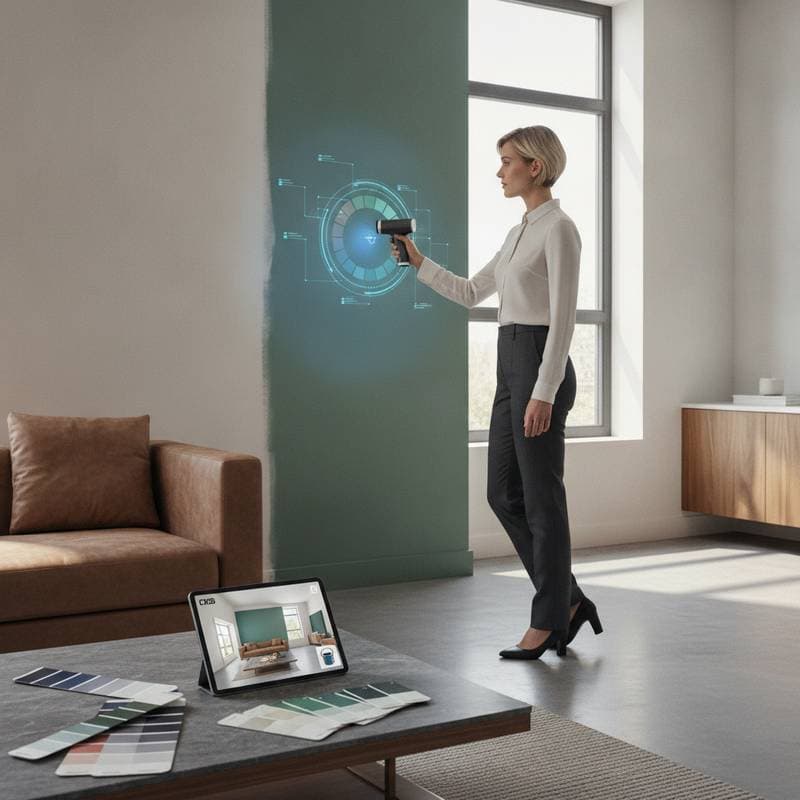
Advanced apps lead the change through live camera mapping. Benjamin Moore Color Portfolio and Sherwin Williams ColorSnap Visualizer apply machine learning to overlay chosen colors on walls in real time. Users scan a surface, select a shade, and watch an accurate rendering appear. Movement through rooms and quick shade swaps become simple.
The systems account for lighting angle, surface texture, and shadow to preserve realism. Deep tones stay saturated under bright windows. Soft finishes retain their intended sheen under lamps. This accuracy turns earlier guesswork into reliable decisions.
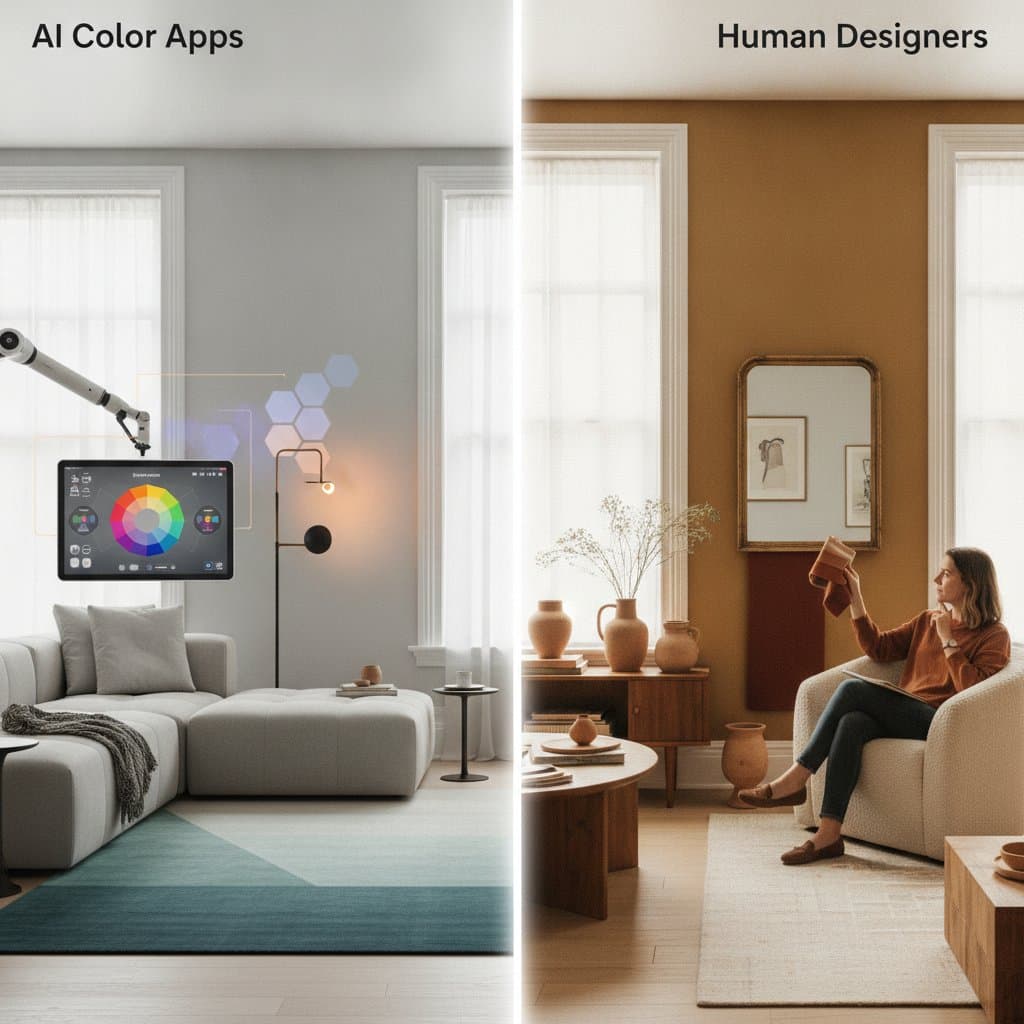
Interior designer Laura Green of Atelier Verde notes that visualization changes client conversations. Clients see depth and proportion before any paint is opened. The tools support rather than replace professional judgment.
Matching Colors to Existing Materials
AI recognition features allow uploads of room photos, fabrics, or art. Algorithms detect exact hues and match them to paint options across brands. Subtle undertones missed by eye, such as violet casts in gray curtains or green notes in stone, become visible.
The Backdrop Paint App, for example, can read a vintage rug and suggest matching shades from multiple lines. Architect Daniel Reyes of Studio Forma uses these matches when selecting finishes like oak or travertine. The suggestions reduce hours of physical testing.
Lighting Simulation Features
Lighting shifts color perception more than most other factors. Predictive tools now model these changes by location, window direction, and bulb type. Users watch a navy evolve from charcoal at dawn to vivid blue at noon. Neutral tones hold steady balance across the day.
Data from architectural rendering programs powers the simulations yet appears in simple consumer interfaces. Homeowners gain assurance that palettes will stay cohesive through daily light cycles.
Mood Based Palette Suggestions
Color psychology gains measurable application through AI. Applications review room function, desired atmosphere, and lifestyle details to propose fitting hues. Bedrooms receive calm suggestions while studios receive energizing options. Databases of prior research inform the pairings.
Designer Nadia Patel of Forme Studio finds the suggestions help clients move past vague requests. Tones align with intended feeling rather than surface style alone. This link between data and emotion clarifies goals.
Whole Home Color Coordination
AI platforms build connected palettes for entire homes. Photos of furniture, floors, and details feed the system. Shared undertones link rooms without abrupt jumps. One warm neutral might tie wood elements to cooler stone surfaces.
The method follows professional thinking about visual flow. Transitions feel deliberate and rooms relate to one another naturally.
Reduced Waste Through Smart Sampling
Digital narrowing of choices cuts excess sample pots and test patches. Some brands let users order targeted peel and stick swatches straight from an on screen palette. Fewer materials lower both expense and environmental load.
Eco focused lines pair these tools with efficient ordering. Contractors report fewer later corrections and higher client satisfaction when selections rest on precise previews.
Designer and Homeowner Collaboration
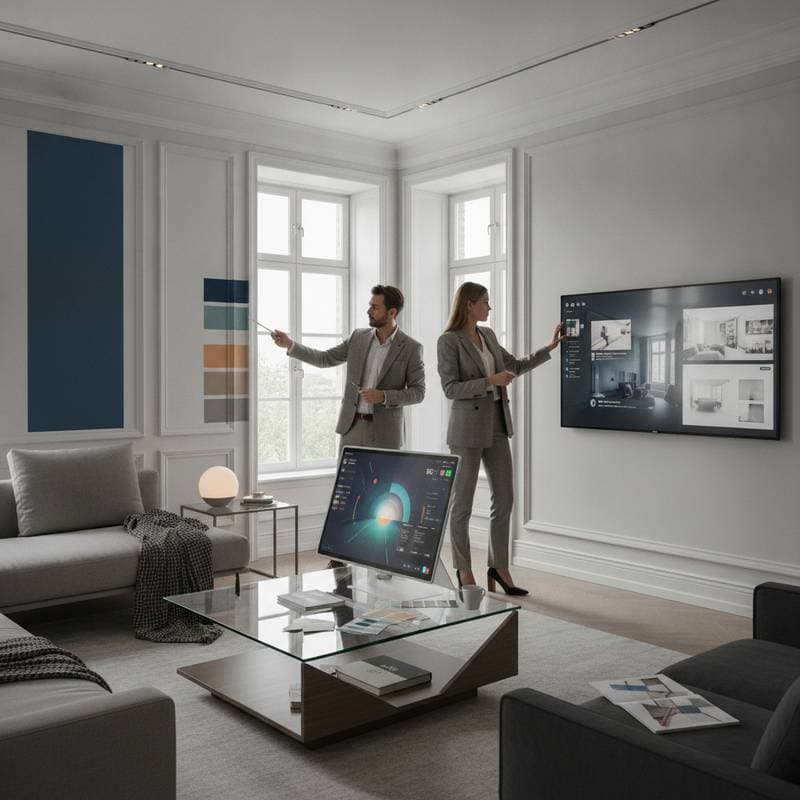
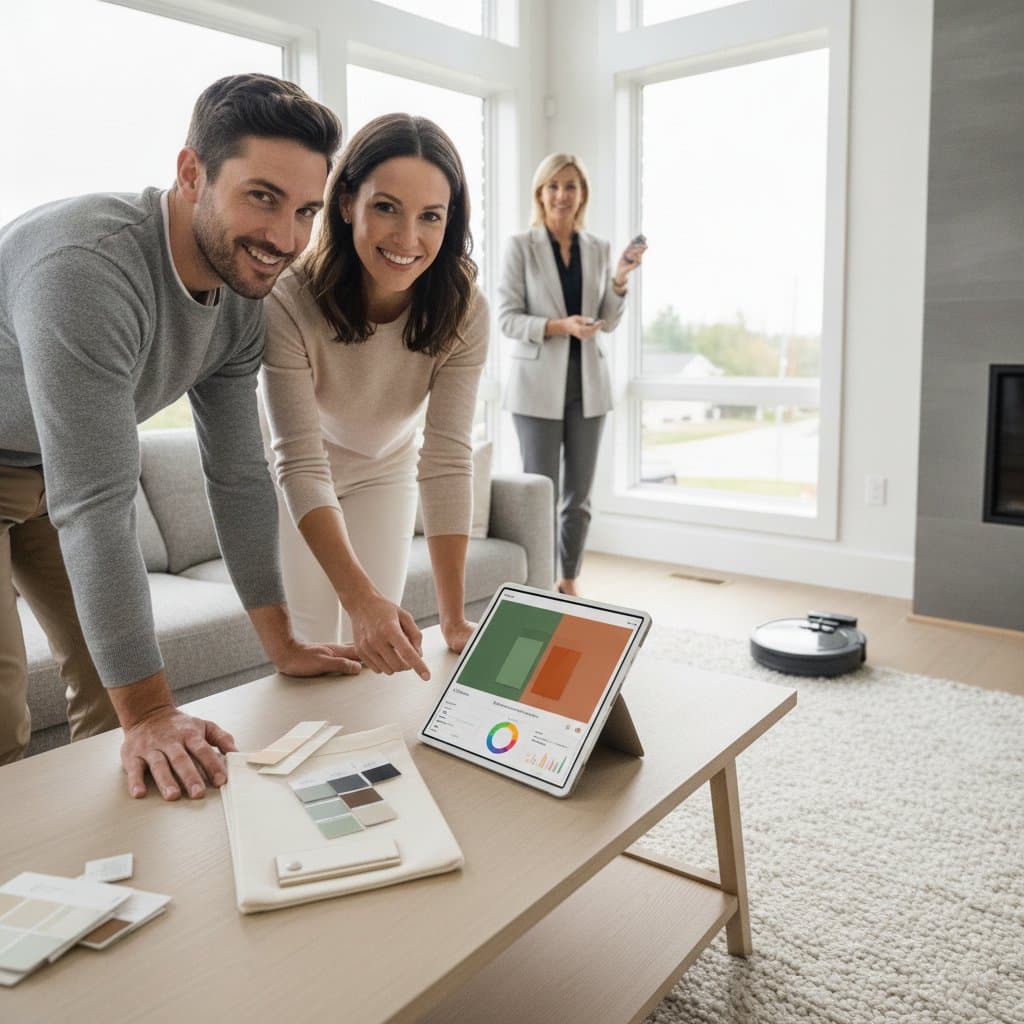
Professionals integrate the same tools into client presentations. Color options sync with three dimensional models and material lists. Variations appear instantly against cabinetry or stone. Designers focus on overall concept while technology manages data.
Wider Access to Design Knowledge
Quality guidance no longer requires private consultants. Anyone can test combinations that once needed costly renderings. Experimentation with different brands and finishes builds practical understanding of contrast and finish types.
Stylist Ruth Delgado observes that clients arrive better prepared. They discuss undertones and proportions from the first meeting. Shared visual language improves every project.
Emerging Developments
Future versions may incorporate sound or scent data to refine suggestions further. Lightweight augmented reality displays could project colors onto actual walls while preserving real shadows. The line between preview and finished space continues to narrow.
Practical Benefits for Everyday Use
AI refines the imaginative act of choosing paint into clear, testable steps. Homeowners receive certainty. Designers gain stronger communication. The industry moves toward considered, efficient, and expressive results.