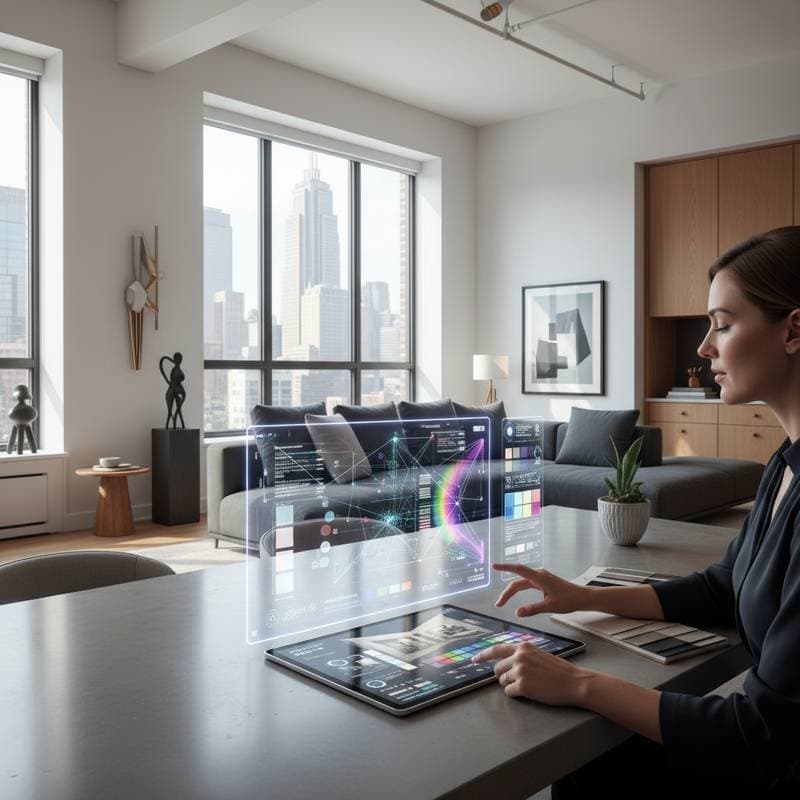
AI Tools Transform Design Color Consultations by 2026
Color serves as the subtle shaper of mood in any space. It influences emotions well before furniture or lighting draws attention. For decades, interior designers have mastered this emotional palette, guiding clients through options from brands like Farrow & Ball, Benjamin Moore, and Sherwin-Williams to uncover the ideal shade. Now, artificial intelligence enters this personal process. Previously limited to renderings and sourcing, AI now reshapes the core human element of color selection.
From Intuitive Dialogue to Algorithmic Precision
Color consultations traditionally depended on conversation and instinct. Designers observed nuances in a client lifestyle, home lighting, and material textures. This approach blended psychology with artistic skill. AI tools now automate much of this workflow.
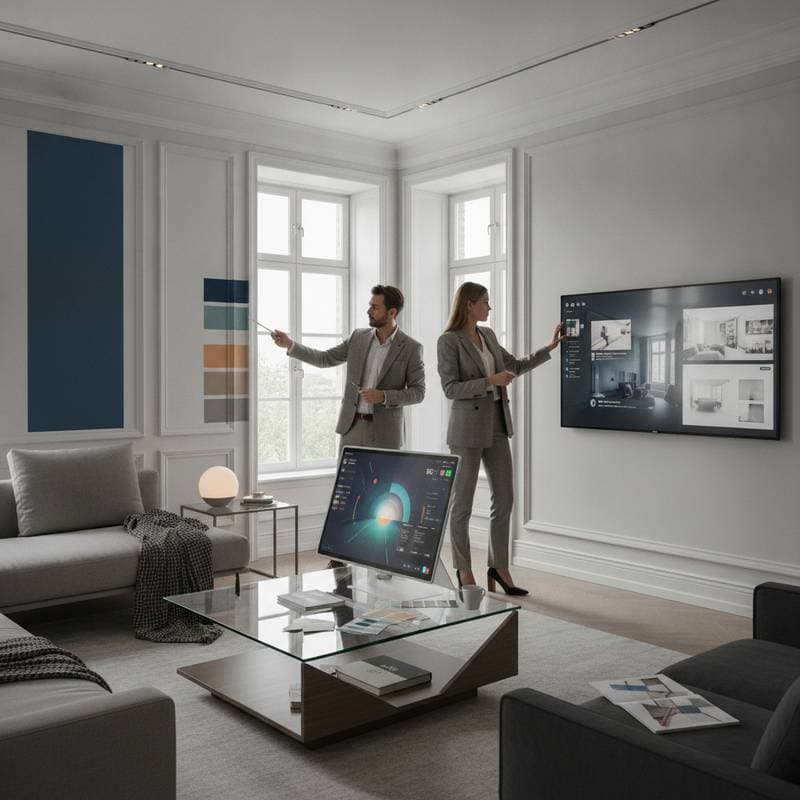
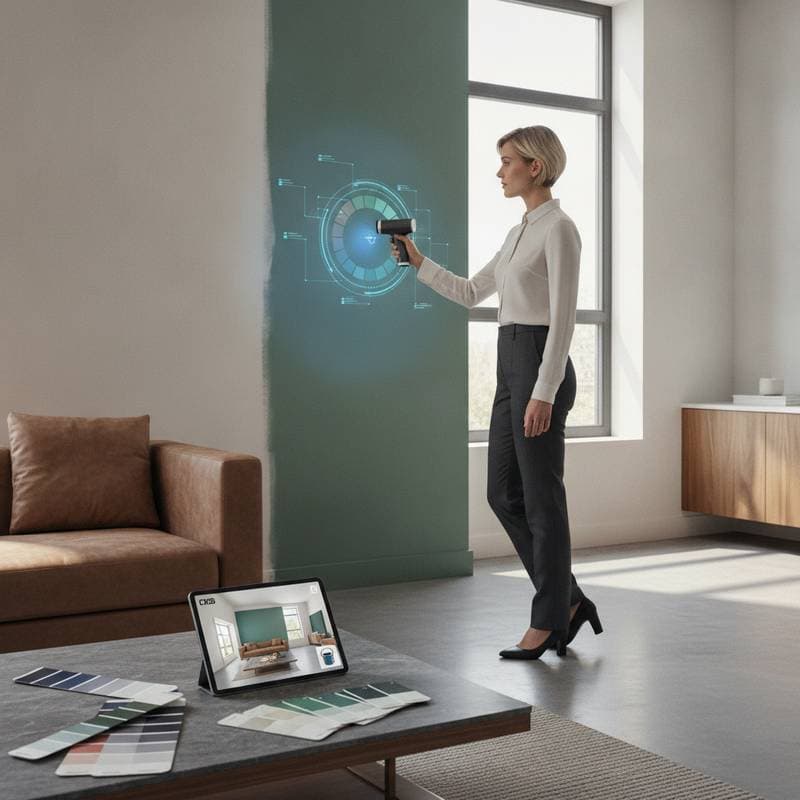
These platforms process data on light exposure, room dimensions, and user preferences. Systems such as ColorMind, RoomAI Studio, and Chromatic Lens draw from vast image libraries to generate palettes aligned with personality and structure. By analyzing interior photos, they detect undertones, suggest matching colors, and render 3D previews in moments.
Clients appreciate the speed and ease. Designers, however, confront challenges to their role. When software delivers flawless palettes immediately, the value of personal insight comes into question.
10 Ways AI Tools Reshape Color Consultations
10. Rapid Light Evaluation
AI platforms assess natural and artificial light from uploaded images. They factor in direction, strength, and warmth to refine color suggestions. Designers previously dedicated hours to testing samples under varying conditions. Now, tools forecast how a color like Benjamin Moore Edgecomb Gray shifts from morning to evening illumination.
9. Sentiment-Based Color Guidance
Certain applications prompt users to express desired room atmospheres. Through text analysis, AI converts terms such as calm, vibrant, or stable into specific recommendations. A call for tranquility could propose Farrow & Ball Cromarty paired with Little Greene French Gray, complemented by neutral fabrics. This method quantifies the emotional insights once gained through discussion.
8. Accurate Coordination with Current Elements
In spaces with existing items, AI identifies precise shades from objects like antique rugs or artwork. It then creates harmonious additions. Manual estimation once sufficed for such pairings. High-resolution analysis now ensures a graphite velvet sofa or smoked oak flooring integrates perfectly with adjacent tones.
7. Immersive Virtual Previews
Clients explore redesigned rooms in virtual reality before any application begins. Platforms like VividSpace XR enable navigation through simulated environments, with real-time color adjustments. The hands-on feel of physical samples diminishes, yet VR immersion builds assurance in final selections.
6. Predictive Trend Analysis
AI aggregates data from social platforms, vendor libraries, and image archives. It identifies emerging color patterns to forecast seasonal influences. Professionals formerly depended on events or gut feelings for trends. Analytics now highlight rising popularity in shades like terracotta, sage green, or soft blue.
5. Seamless Supplier Connections
After palette selection, systems connect directly to retailers. Users order items such as Sherwin-Williams Pure White or Behr Graphite Mist effortlessly. This integration maintains color consistency across paints, fabrics, and surfaces. Efficiency increases, though it shortens the time for thoughtful adjustments.
4. Adaptive Personalization
Sophisticated tools evolve based on interactions. If a user favors muted palettes or oak over walnut, suggestions align accordingly. This functions as a tailored assistant. Professionals note potential drawbacks, as it may limit exposure to new ideas.
3. Sustainable Material Recommendations
Many AI systems incorporate eco-factors. Platforms like EcoTone Studio evaluate pigment impacts and suggest low-VOC options. They review finish lifecycles to promote responsible choices. Color decisions now extend beyond aesthetics to include environmental considerations.
2. Accessible Design Knowledge
Individuals previously deterred by costs now receive expert-level advice affordably. This expands understanding and self-assurance in design. Experts must emphasize unique strengths like narrative building and empathy, areas beyond algorithmic reach.
1. Redefining the Consultation Process
The deepest change involves perspective. AI converts color choices into measurable metrics, streamlining what was once a deliberate, sensory ritual. The shared experience of arranging samples like Hague Blue and Railings on a sunlit surface, weighing emotional impacts, gradually recedes.
Insights from Design Professionals
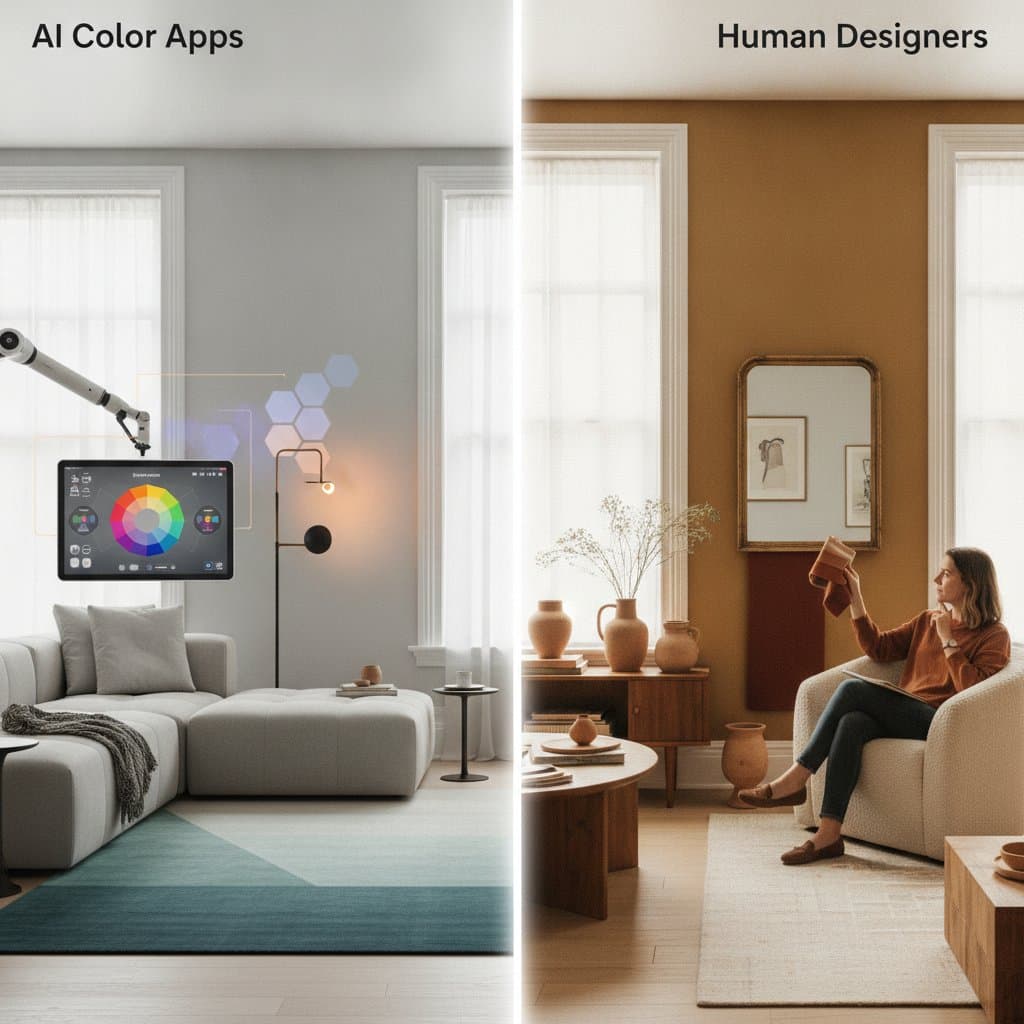
Architect Lucia Moretti of Atelier Lumo views the evolution as unavoidable but poignant. She states that AI boosts productivity yet diminishes a key bonding ritual. When you stand in a space and feel the temperature of light or the texture of plaster, those sensations cannot be quantified. The best color decisions are emotional, not algorithmic.
Interior designer Marcus Haines of Studio Halcyon adopts a positive stance. He employs AI outputs as initial references. It gives me a quick overview of possibilities. Then I adjust for context and personality. It saves me hours without sacrificing creativity.
These views highlight an industry adapting. The designer role persists, refined to blend data with personal perspective. Emphasis shifts to empathy amid growing accuracy.
Evolving Collaborative Practices
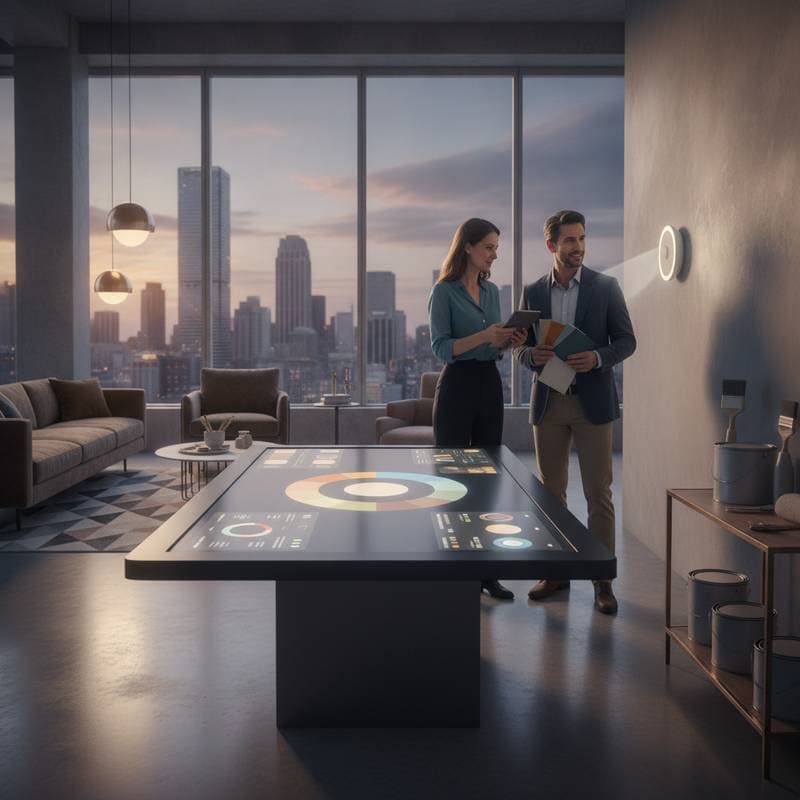
AI integration alters team dynamics. Groups utilize interactive panels for real-time visualizations among clients, designers, and builders. Decisions occur with minimal delays. This clarity accelerates progress but alters the gradual nature of creative exchanges.
Specialists in lighting, crafts, and application adjust accordingly. Color alignment across materials relies on digital standards over physical tests. A specification like Farrow & Ball Ammonite translates reliably to varnishes or dyes.
Such accuracy impresses, but it may promote sameness. Intentional variations, once adding unique character, require deliberate inclusion to preserve visual interest.
Balancing Technology and Intuition
As tools advance, professionals must harmonize strengths. AI surpasses human speed in light analysis, yet misses the subtle dusk warmth of a hue. It proposes broadly appealing mixes but overlooks the excitement of daring selections.
Those who succeed view AI as an ally. They leverage its insights for informed choices while applying instinct for authentic results. Color consultation evolves, yet its goal endures: evoking emotion via shade, surface, and illumination.
Empowering Homeowners in Color Choices
For residents, these innovations deliver certainty and simplicity. They eliminate guesswork, simplify procurement, and clarify visions vividly. Profound spaces, however, retain human influence. Guided by experts or software, color expresses personal comfort and identity.
Design progresses alongside technology, from sketches to simulations. This phase continues that legacy. As AI masters color mechanics, designers infuse poetic depth, affirming that human discernment ultimately shapes what resonates.