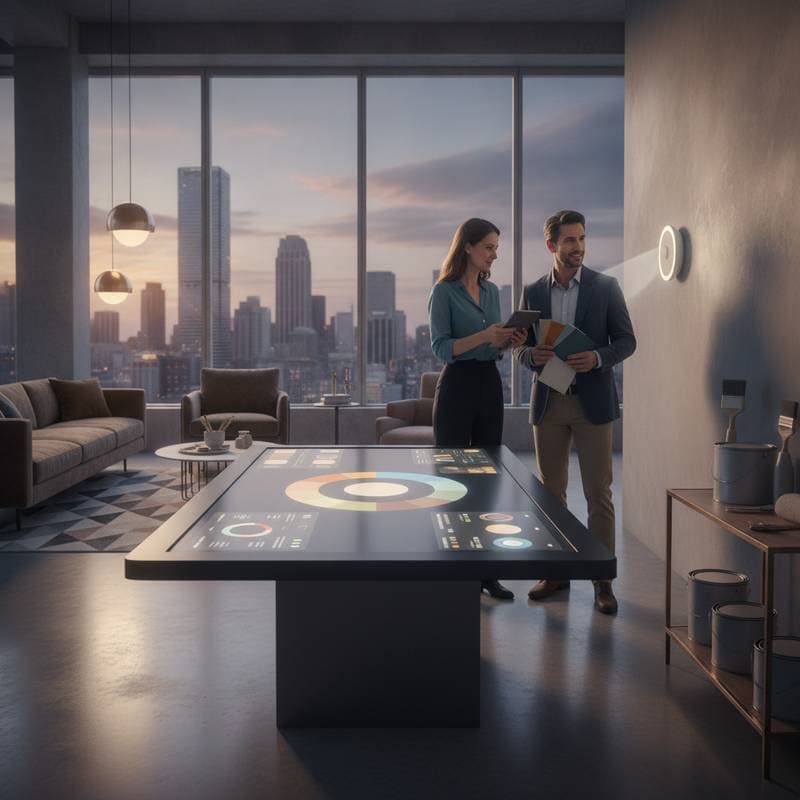
Transform Your Home with AI Color Matching
Selecting interior colors often ranks among the most challenging aspects of any renovation. Homeowners frequently dedicate weeks to browsing paint swatches, purchasing sample pots, and doubting shades once applied to walls. Professionals observe clients falter midway through projects because colors fail to align with expectations. AI color matching addresses these issues directly. It streamlines selection, cuts down on excess materials, and ensures a uniform, high-quality outcome across the entire residence.
Why Traditional Color Selection Falls Short
Color errors typically arise from lighting and surrounding elements. A sample appears ideal in a showroom yet shifts dramatically under household illumination. Factor in furniture hues, floor coverings, and surface textures, and numerous elements complicate the choice. Homeowners often resort to estimates, resulting in repaints or acceptance of suboptimal results. Such choices demand significant time and expense.
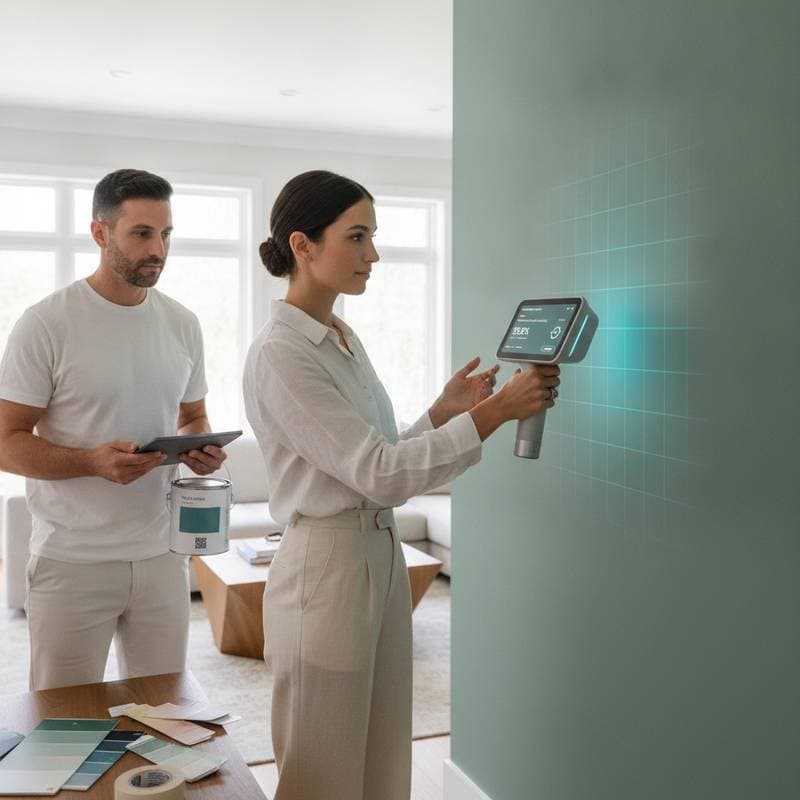
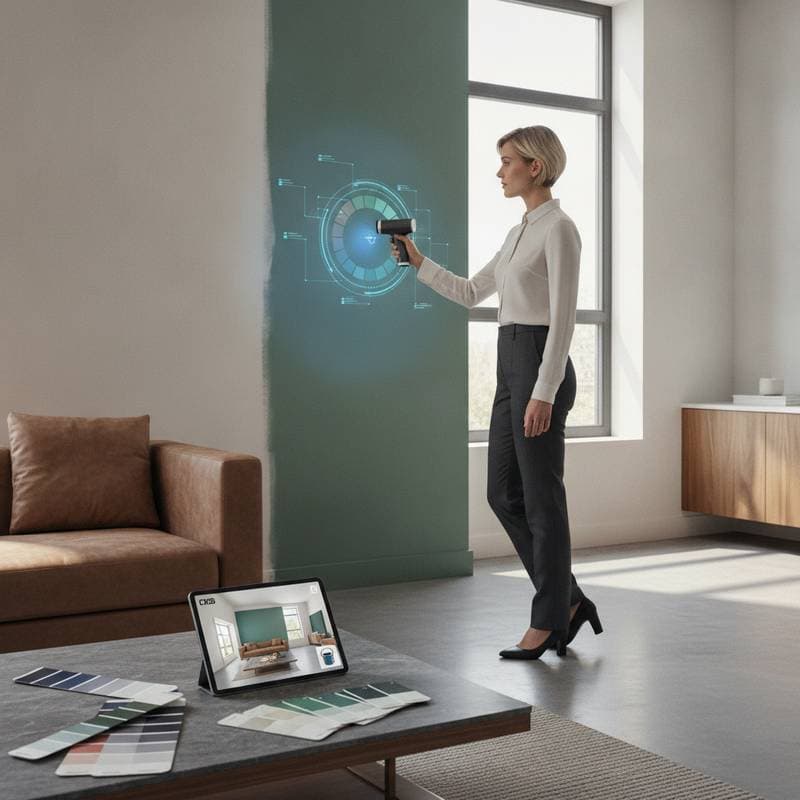
Professionals encounter difficulties matching desired tones from fabrics or artwork. Even with specialized color charts, achieving precise replication proves challenging. AI-driven color matching tools enable scanning of images or surfaces to produce accurate paint formulations. This precision previously required extensive testing and prolonged experiments.
How AI Color Matching Functions
AI color tools employ image recognition and database comparisons to pinpoint the nearest equivalent from vast color libraries. Users upload photographs or scan physical items, prompting the system to evaluate hue, saturation, and value. It then proposes specific paint codes from established manufacturers. Additionally, the tool generates complementary options for trim, ceilings, and accents, drawing on principles of color theory and spatial harmony.
Homeowners achieve optimal results through these steps:
- Capture high-quality reference images under natural daylight, steering clear of shadows or reflections that alter appearance.
- Submit the image to a reliable AI color matching service or application.
- Examine proposed matches for primary colors and supporting tones.
- Procure modest sample quantities of leading options prior to full-scale purchases.
- Test applications in various room locations to assess interactions with ambient light.
These procedures replace intuition with empirical guidance, fostering informed selections.
The Psychological Benefits of Informed Color Choices
Color influences emotional responses within spaces. Warm shades foster vitality and interaction, whereas cool tones cultivate serenity and concentration. AI systems incorporate these effects into palette suggestions. For instance, they recommend gentle greens or subdued blues for sleeping areas to enhance rest, or vibrant yellows for cooking spaces to promote warmth.
When individuals grasp the rationale behind color impacts, confidence in decisions grows. This assurance yields superior designs and averts expensive revisions later. Professionals note that educated clients commit to choices that align with long-term satisfaction.
Safeguard Your Project with Precise Matching
Each repaint or coordination failure erodes financial resources. Paint costs remain modest, but preparation, labor, and restoration accumulate rapidly. AI color matching mitigates these hazards by guaranteeing on-screen previews translate faithfully to surfaces. It also ensures uniformity across diverse elements. Matching cabinetry to tile work or textiles becomes straightforward with AI assistance.
Professionals gain advantages too. Homeowner approvals based on verifiable data reduce post-completion disagreements over variations. Records of matches, including codes, attach to contracts for ongoing reference, promoting mutual responsibility.
Integrate AI Matching into Your Design Process
Incorporate AI color matching at the outset of remodels or room updates. Align it with illumination strategies, floor choices, and decor selections. Consult contractors or designers to confirm material suitability and preparation requirements. Maintain documentation of matches and codes within project records for subsequent maintenance or growth.
Strategic color choices anchor all other design components. Pairing AI precision with skilled execution produces intentional, equilibrated environments that reflect professional expertise.