AI Tools Simplify Interior Color Selection
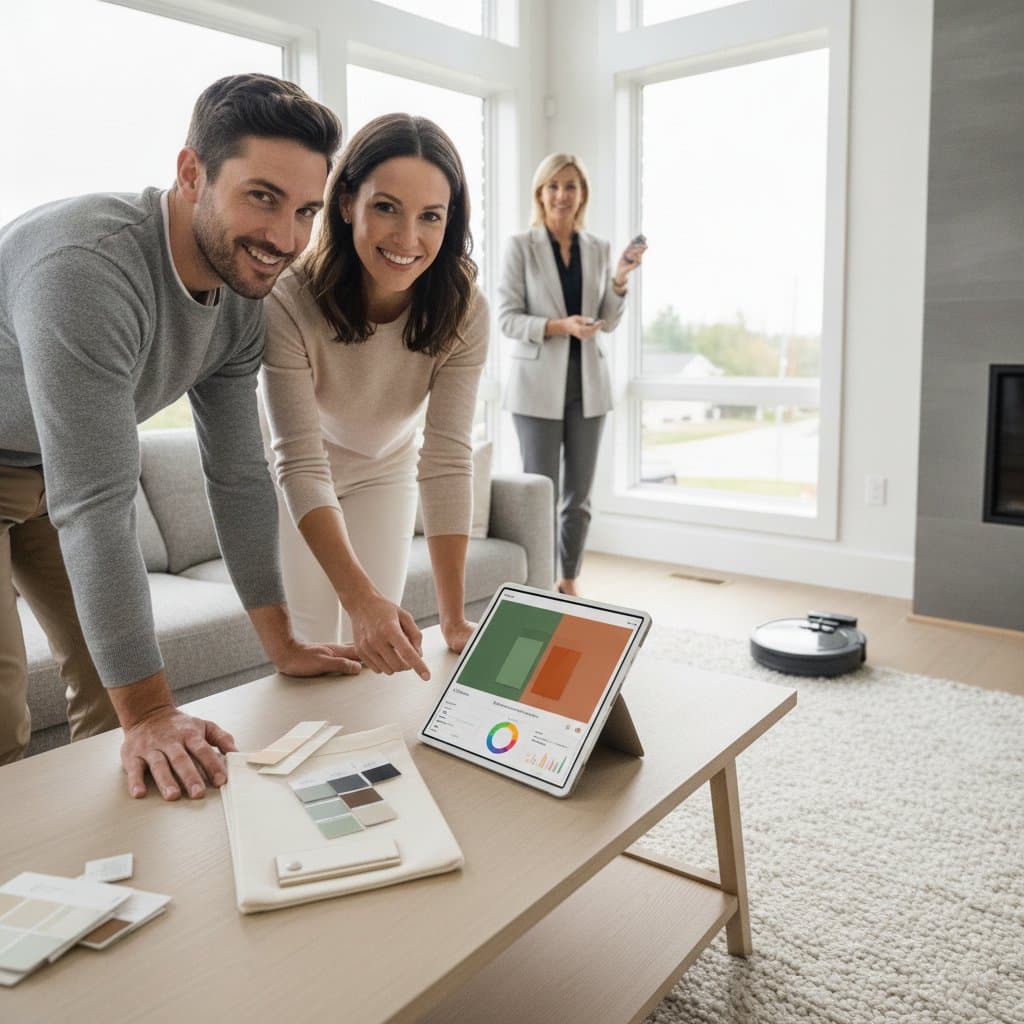
Choosing the right paint colors for your home can feel daunting amid endless swatches and subtle undertones. Artificial intelligence now streamlines this process by analyzing room specifics, lighting conditions, and desired moods to generate balanced, personalized palettes. These tools blend data-driven insights with design principles, enabling anyone to achieve professional results without extensive expertise.
As a design professional with experience guiding homeowners through renovations, the author recognizes the high stakes of visible choices like paint. Fortunately, accessible AI platforms eliminate guesswork, offering guidance tailored to various budgets. This article explores how these innovations enhance creativity and confidence in color selection.
The Science of AI-Driven Color Harmony
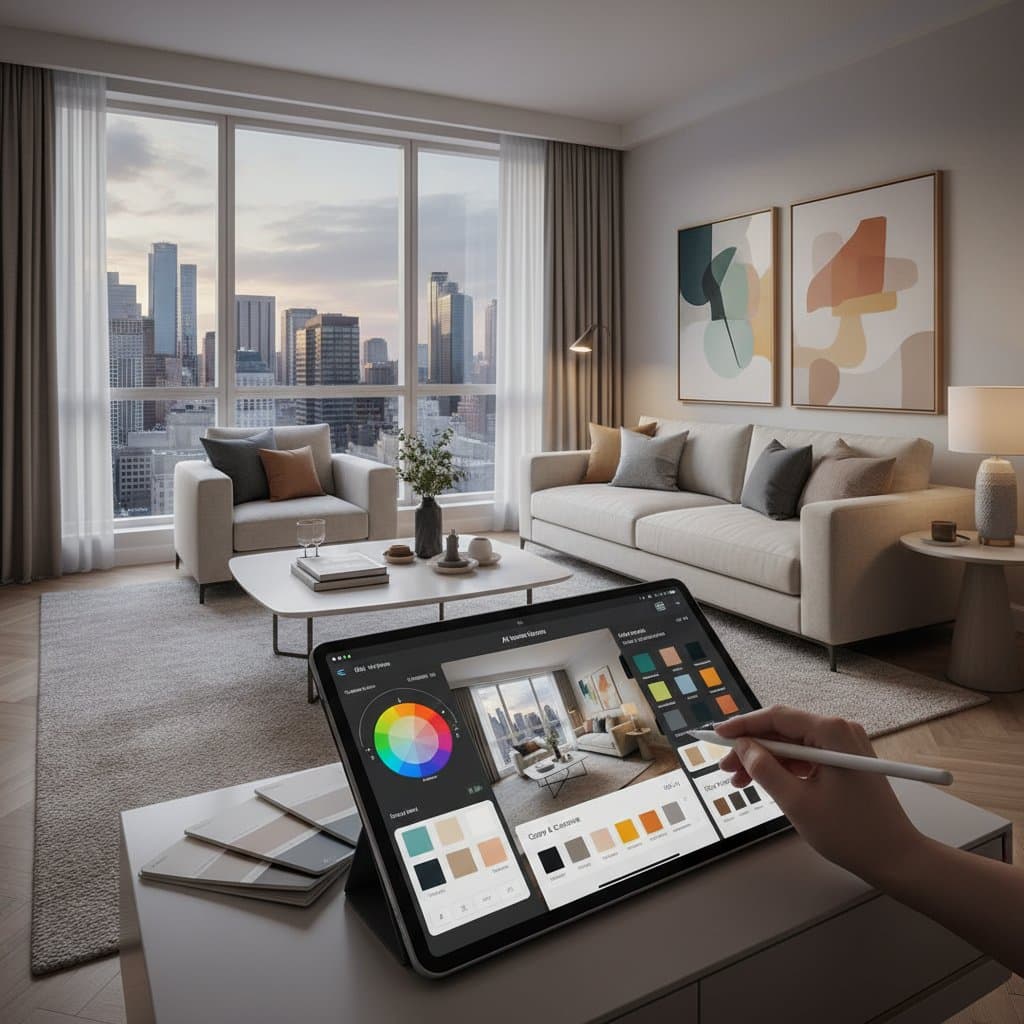
AI generates palettes that appear intuitive through sophisticated pattern recognition. These systems process vast datasets of proven combinations, identifying hues that align with color theory's emphasis on balance, contrast, and emotional impact. For instance, an algorithm might pair a soft blue with warm wood tones to evoke tranquility, mirroring expert decisions seen in high-end interiors.
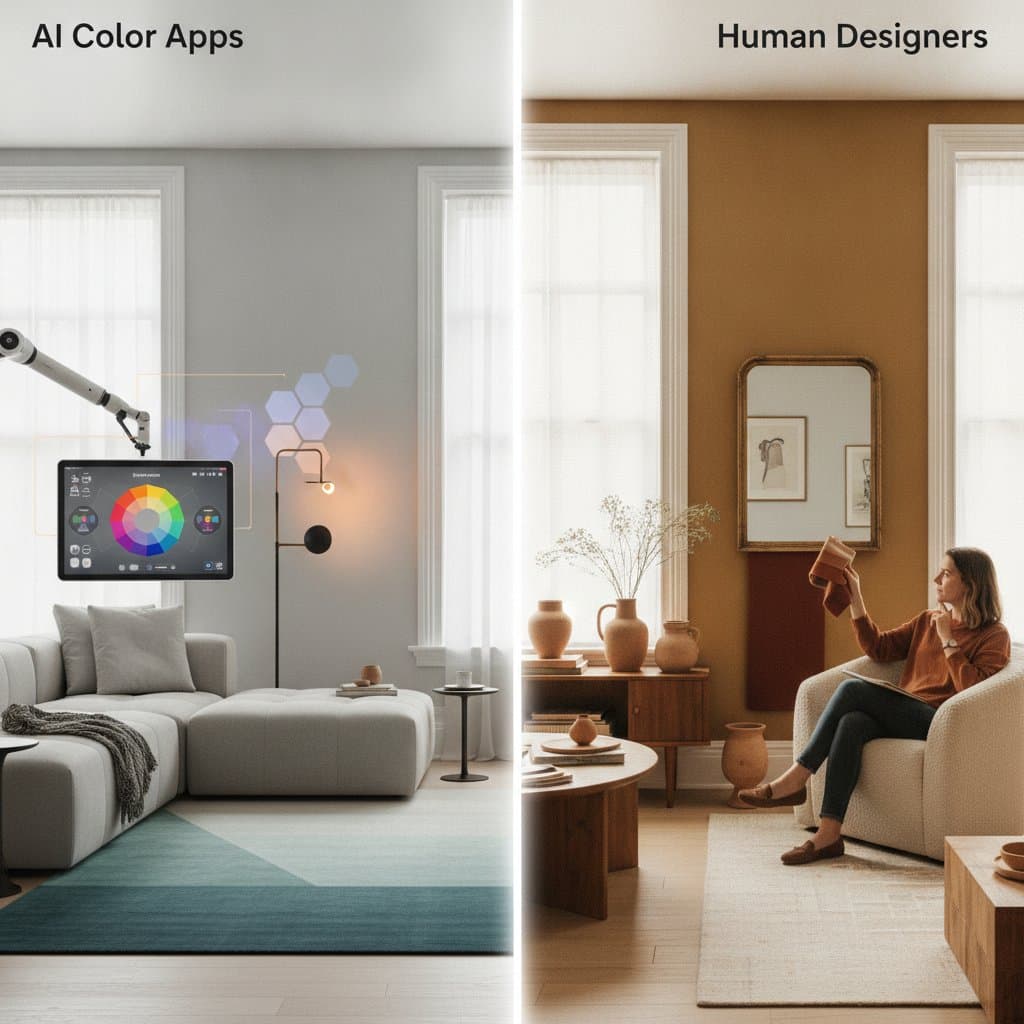
Such tools detect potential mismatches, such as clashing undertones or overly saturated accents, before application. They serve as an extension of the user's vision, providing data-backed suggestions while preserving individual style. Users retain control, refining outputs to match personal aesthetics.
Psychological Foundations of Color in Design
Colors shape emotional responses within living spaces, influencing relaxation, productivity, and social interactions. AI integrates these principles by customizing recommendations based on user inputs.
- Blues and greens promote serenity and focus, ideal for restful bedrooms or dedicated workspaces.
- Warm neutrals foster warmth and approachability, suiting communal areas like living rooms and kitchens.
- Vibrant yellows and corals inject vitality and optimism, enhancing entryways or artistic studios.
- Rich depths in navy, plum, or charcoal convey elegance and coziness for intimate settings.
For example, a preference for both calm and inviting atmospheres might yield suggestions like sage green alongside creamy beige accents. Tools adjust for specific needs, such as energizing yet grounded palettes with coral highlights against neutral backdrops.
Business Advantages for Design Professionals
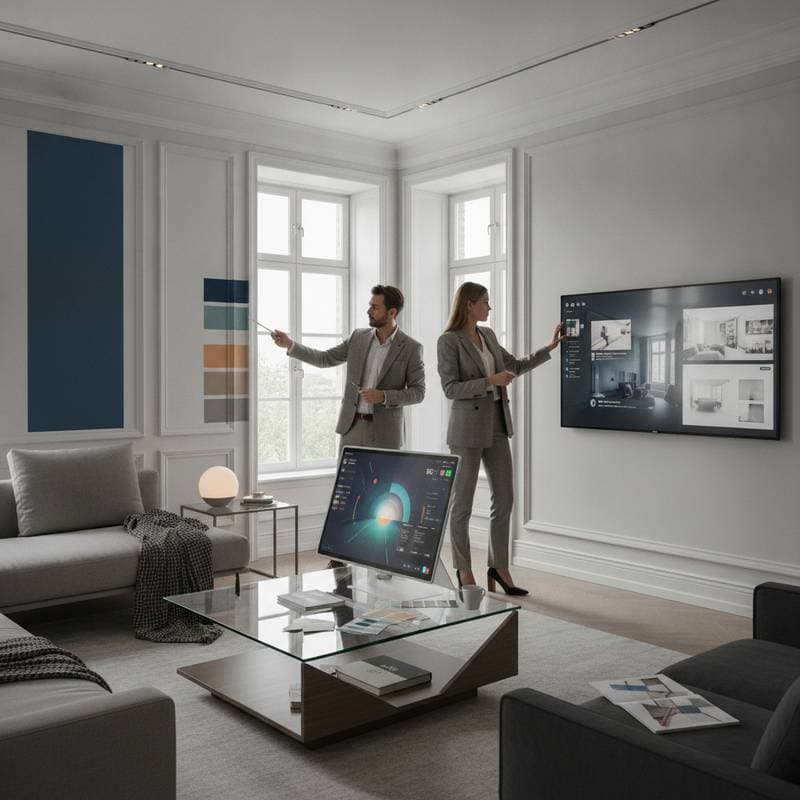
AI empowers decorators, consultants, and entrepreneurs to innovate efficiently. Virtual palette previews facilitate remote client sessions, while automated matching accelerates project timelines.
Product developers benefit from predictive analytics that forecast emerging trends by scanning global design data. This foresight positions businesses ahead of market shifts, avoiding outdated selections.
In practice, the author has employed AI to evaluate finishes for furniture lines, reviewing multiple options in hours rather than weeks. This approach frees resources for ideation and relationship-building, boosting overall productivity.
Addressing Frequent Color Selection Hurdles
AI minimizes errors, yet real-world factors require attention. The following outlines typical issues with targeted resolutions.
Variations Between Digital and Physical Colors
Screens differ in calibration, distorting hue perception. Obtain small sample pots for on-site testing to confirm accuracy and avoid costly repaints.
Impact of Ambient Lighting
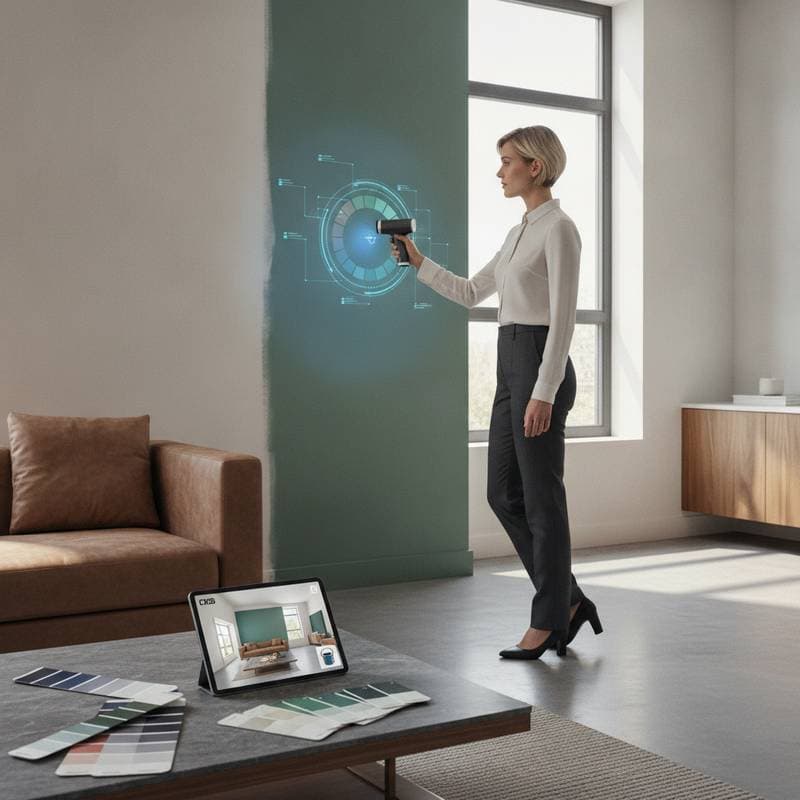
Daylight and artificial sources alter color appearance dynamically. Leverage AI simulations for previews, then validate selections under actual room conditions at various times.
Overloading the Palette
Excessive bold elements can overwhelm a space. Dial back intensity on secondary colors using built-in adjustment features to restore equilibrium.
Navigating Abundant Choices
Focus initially on intended mood rather than specific shades. Direct AI to propose limited sets, then select from three to four finalists for decisive progress.
Expanding Design Capabilities with AI
With core palettes established, integrate AI into broader applications like texture mapping or furniture coordination. Experiment iteratively to refine skills, transforming initial projects into sophisticated, cohesive environments. This ongoing exploration yields enduring satisfaction in personalized spaces.