AI Tools That Replace Expensive Color Consultations in Design
Color serves as the foundational element of interior design. It establishes the ambiance prior to the placement of any furniture and affects interactions among light, texture, and emotion within a space. In the past, selecting ideal shades required engaging a color specialist, sampling numerous swatches, and depending on expert judgment. Today, advanced color tools alter this approach by delivering exact, evidence-based outcomes at significantly reduced expenses.
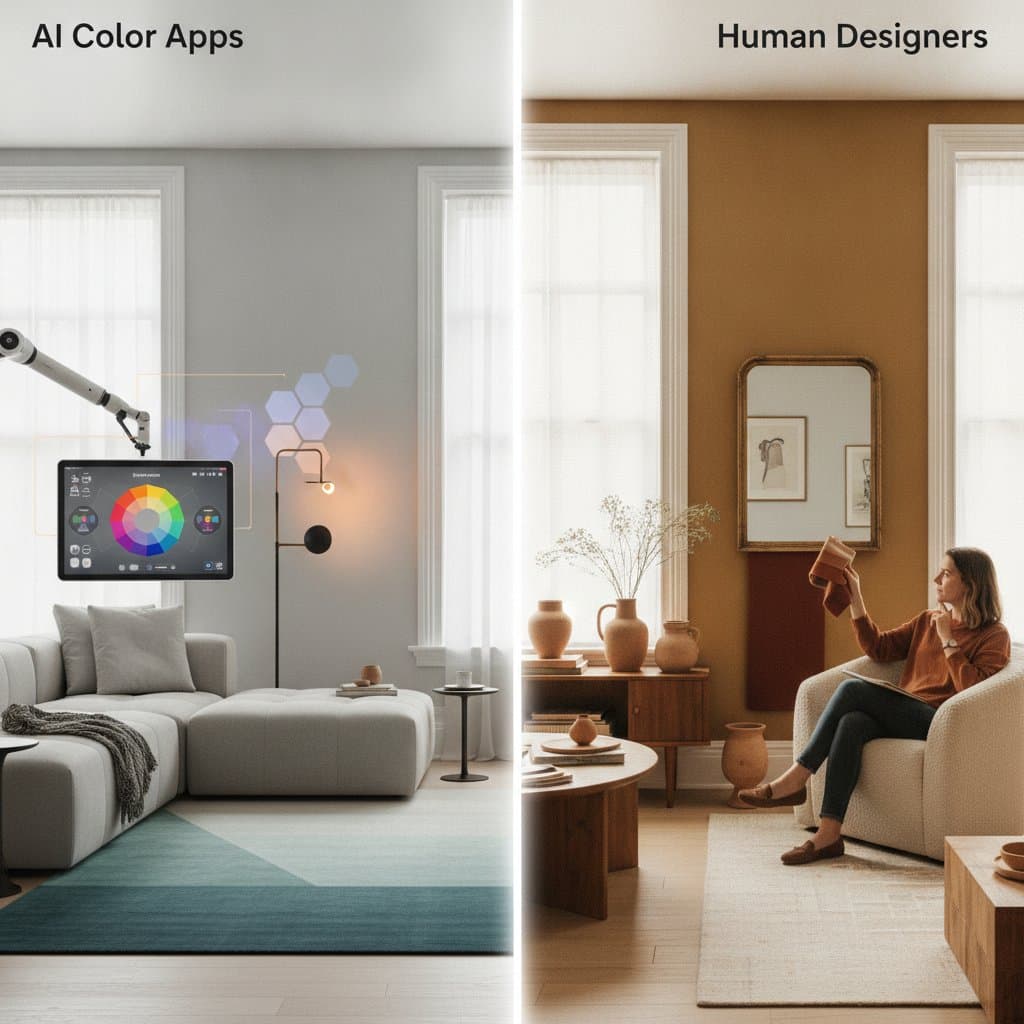
This evolution preserves the essence of design artistry. It broadens participation for designers, homeowners, and renovation enthusiasts. Virtual color systems now emulate professional consultations, aligning shades and surfaces with impressive fidelity. These platforms integrate artistic intuition with analytical rigor, fostering a partnership between human ingenuity and digital capability.
The following sections highlight five leading AI-powered color tools that reshape interior visualization and selection.
5. Benjamin Moore Color Portfolio App: Precision for All Users
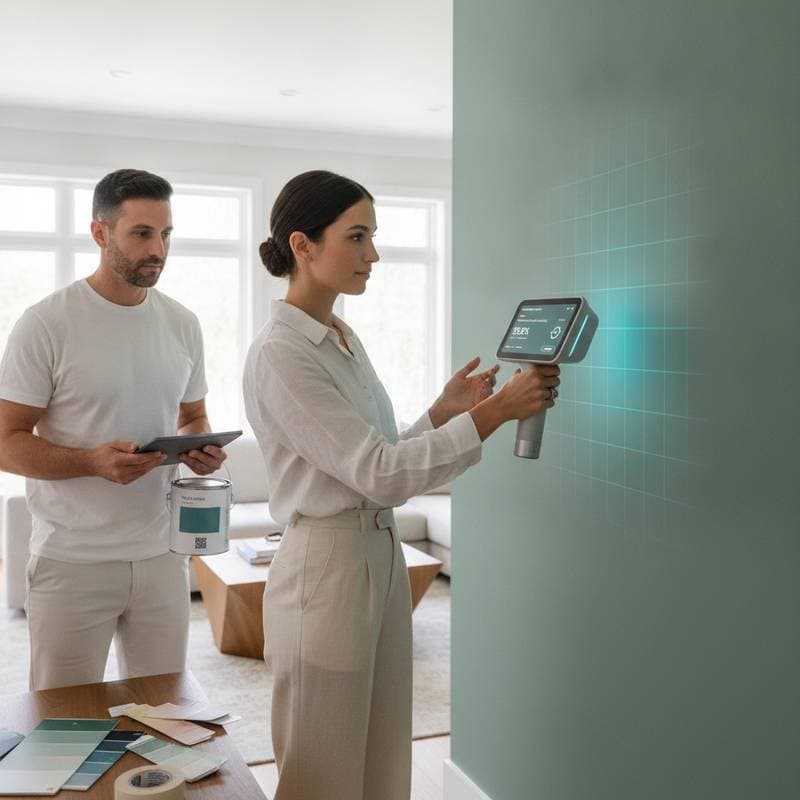
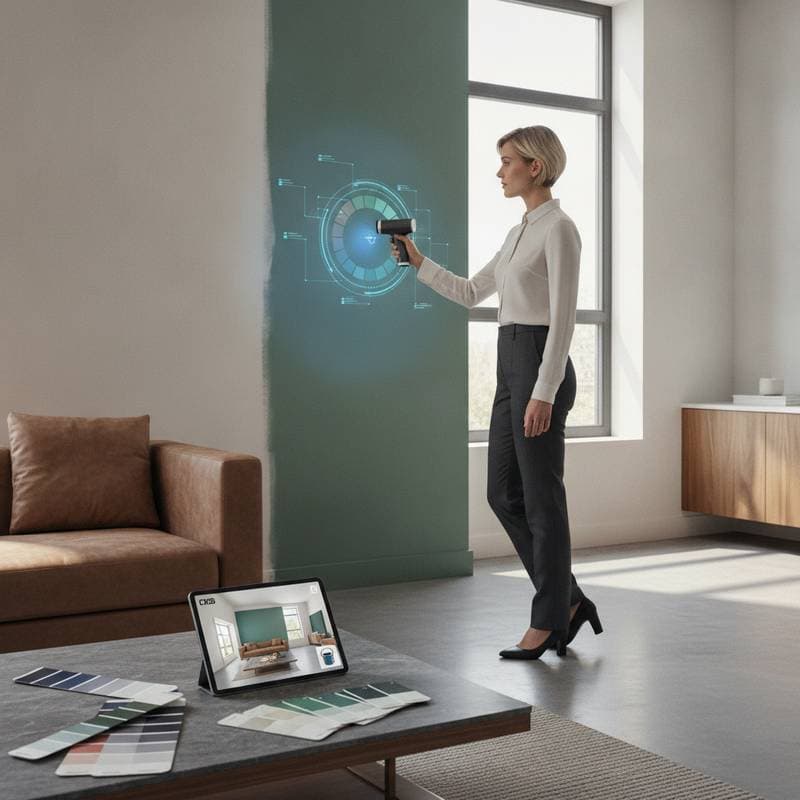
The Benjamin Moore Color Portfolio App employs augmented reality to project colors onto walls via a smartphone camera. Its Color Capture feature extracts hues from diverse sources, such as a ceramic vase, fabric swatch, or image, and pairs them with Benjamin Moore's vast paint collection.
This tool excels at converting intricate color information into practical design guidance. For example, it detects the subtle warm gray notes in Revere Pewter HC-172 and illustrates its pairing with cooler tones like Hale Navy HC-154. Such detailed analysis previously demanded a specialist's expertise. Now, individuals with a mobile device can achieve comparable results effortlessly.
4. Backdrop Virtual Room: Depth in Color Simulation
Backdrop distinguishes itself with a contemporary, curated color selection. The Virtual Room function surpasses basic visualizations by incorporating depth, shadows, and material textures. Users observe how shades like Surf Camp or Palo Santo perform on edges and moldings.
This simulation mimics navigating a digital version of one's residence. Drawing from extensive data on actual paint uses, Backdrop's algorithms forecast variations in sheen, from matte to eggshell or semi-gloss. This realistic approach builds assurance that screen depictions align closely with real-world applications.
3. Pantone Connect: Seamless Color Translation Across Media
Pantone Connect connects virtual ideation with physical outcomes. Users sample colors from images, align them in design applications, and match them to paints or textiles.
Professionals benefit as a vibrant terracotta from Mediterranean tiles converts accurately to wall coatings or furnishings. The platform's cross-material synchronization prevents errors between initial ideas and final builds. Integrated with tools like Adobe Creative Cloud, it functions as a vital component of the design workflow.
2. Dulux Visualizer: Enabling Team-Based Color Exploration
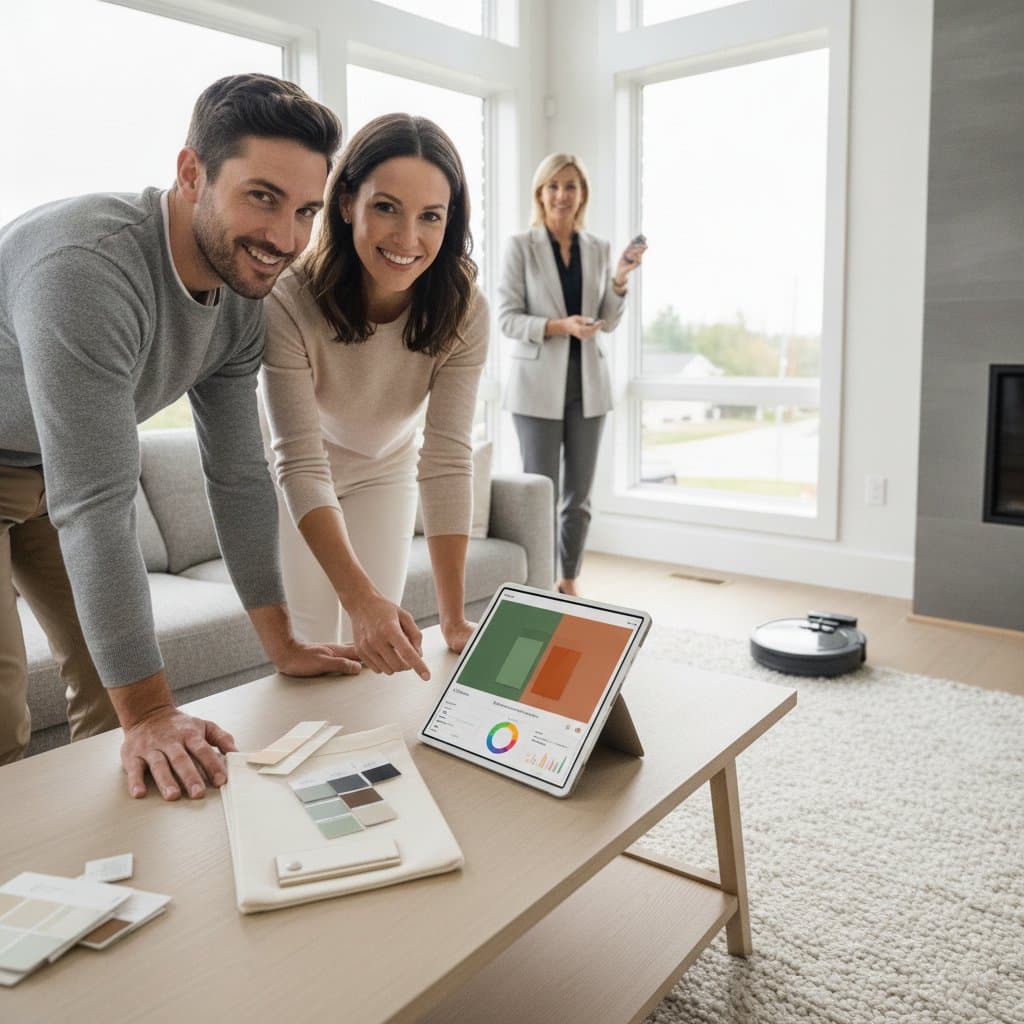
The Dulux Visualizer app excels in shared project access. Several participants view the same design, test combinations, and add notes simultaneously. This setup replicates studio processes for homeowners and builders alike.
Its rendering technology handles intricate surfaces, such as Venetian plaster or limewash, with authentic depth and variation. By replicating these qualities, the app upholds the craft of legacy finishes while streamlining choices.
1. VisualEyesTailored Consultations for Spaces and Individuals
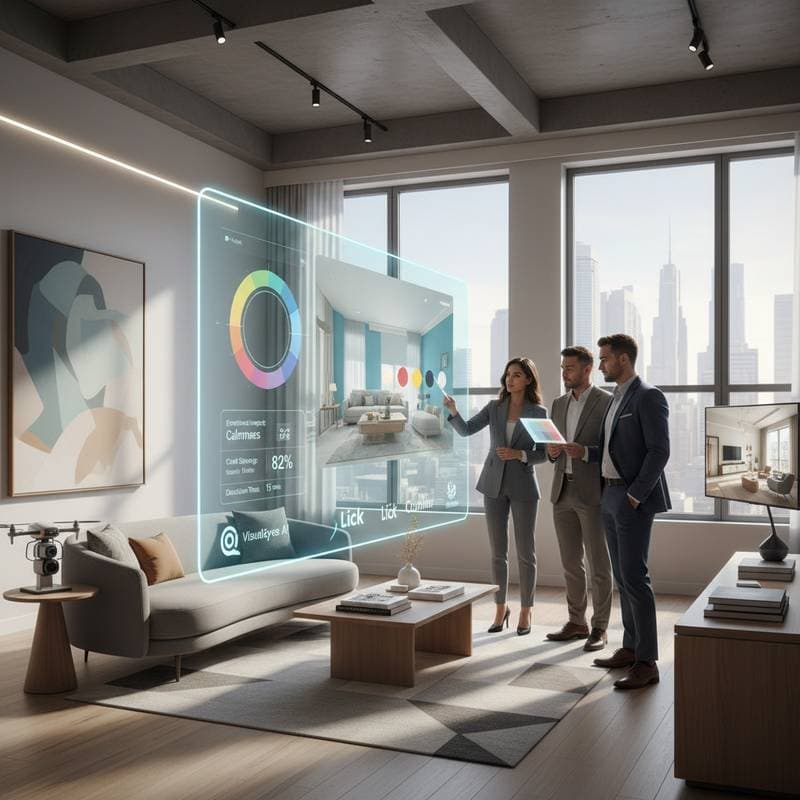
VisualEyes AI leads as a digital color advisor. It leverages facial recognition, illumination assessment, and site details to suggest personalized schemes. Factors include complexion, clothing styles, and current decor elements in generating recommendations.
Participants submit space images and obtain comprehensive reports with supplier references, surface advice, and visual boards. The user-friendly design conceals sophisticated mechanics. Trained on vast designer archives and color histories, VisualEyes AI favors enduring pairings over fleeting styles.
Interior architect Marcus Leung of Forma Studio calls it a democratization of design knowledge. Clients, previously reluctant to invest in consultations, now present reliable previews that expedite projects.
Establishing Shared Standards in Color Choices
These platforms extend beyond mere utility. They reshape discussions around color. Rather than vague terms like warm but not overly yellow, participants rely on quantifiable metrics, tangible previews, and educated selections. This common vocabulary improves interactions among clients, experts, and vendors.
In expert settings, AI tools amplify innovation without constraints. Professionals iterate rapidly, adjust schemes instantly, and secure approvals through vivid mocks before application begins. Processes that spanned several meetings now resolve in focused dialogues, bolstered by precise digital aids.
Enhancing Everyday Design Through Technology
The true value of these advancements lies in their impact on daily living. Precise and reachable color choices empower homeowners to explore boldly. Applying a rich green like Backdrop's Negroni to an accent wall or Benjamin Moore's First Light in soft pink seems approachable with verified simulations.
For specialists, the tools augment creativity by automating routine steps. This frees capacity for strategic vision and storytelling. While the physical act of painting retains its sensory appeal, digital support provides the accuracy and speed essential to current practices.
Future enhancements in texture integration, material modeling, and instant visuals will further close the divide between virtual and actual results. Consequently, design becomes inclusive, with knowledge distributed widely and color communication accessible to all.