Why Terrazzo Countertops Are Trending in 2026 Kitchens
Homeowners are rethinking what a modern kitchen should look and feel like. Many are turning away from plain quartz and predictable granite toward materials with more personality and longevity. Terrazzo countertops are taking center stage because they deliver design flexibility, sustainability, and toughness in one package. As a remodeling contractor, I have seen terrazzo move from old commercial floors into high-end residential kitchens, and the results are impressive when done right.
The Problem with Standard Countertop Choices
Most homeowners still default to the same few materials. Granite is durable but limited in color range. Quartz looks sleek but can feel sterile and lacks the depth of natural stone. Solid surfaces scratch too easily, and concrete stains if not sealed perfectly. The common thread is that these materials either require heavy maintenance or quickly look dated.
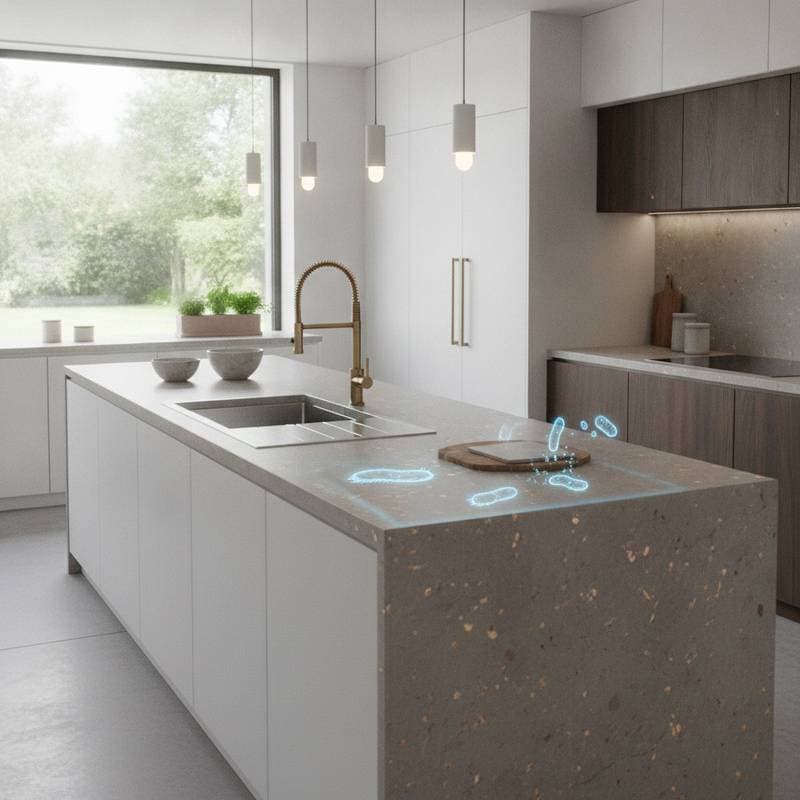
Terrazzo solves many of those issues. Its mix of marble chips, recycled glass, and natural stone embedded in resin or cement creates a surface that is both practical and visually distinct. When properly fabricated and sealed, terrazzo resists stains, heat, and scratches better than most alternatives.
Sustainability That Goes Beyond Marketing Claims
A major reason terrazzo is trending is its sustainability record. Many homeowners want more than a label. They want materials that genuinely reduce waste. Terrazzo fits that goal because it uses leftover stone fragments that would otherwise be discarded. Some manufacturers even include recycled glass from bottles or old windows.
From a builder perspective, terrazzo production generates minimal waste, and the finished product lasts for decades. I have replaced plenty of quartz countertops after only a few years because clients grew tired of the uniform pattern or the surface dulled with wear. Terrazzo, by contrast, can be refinished again and again. That kind of lifespan makes it one of the most environmentally responsible countertop options available.
Design Flexibility That Fits Modern Tastes
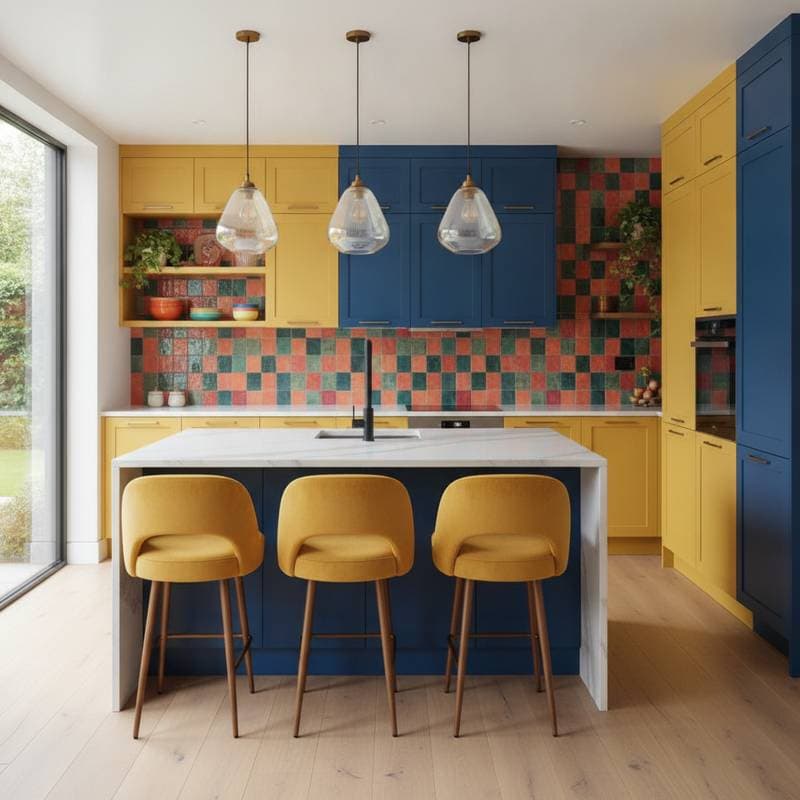
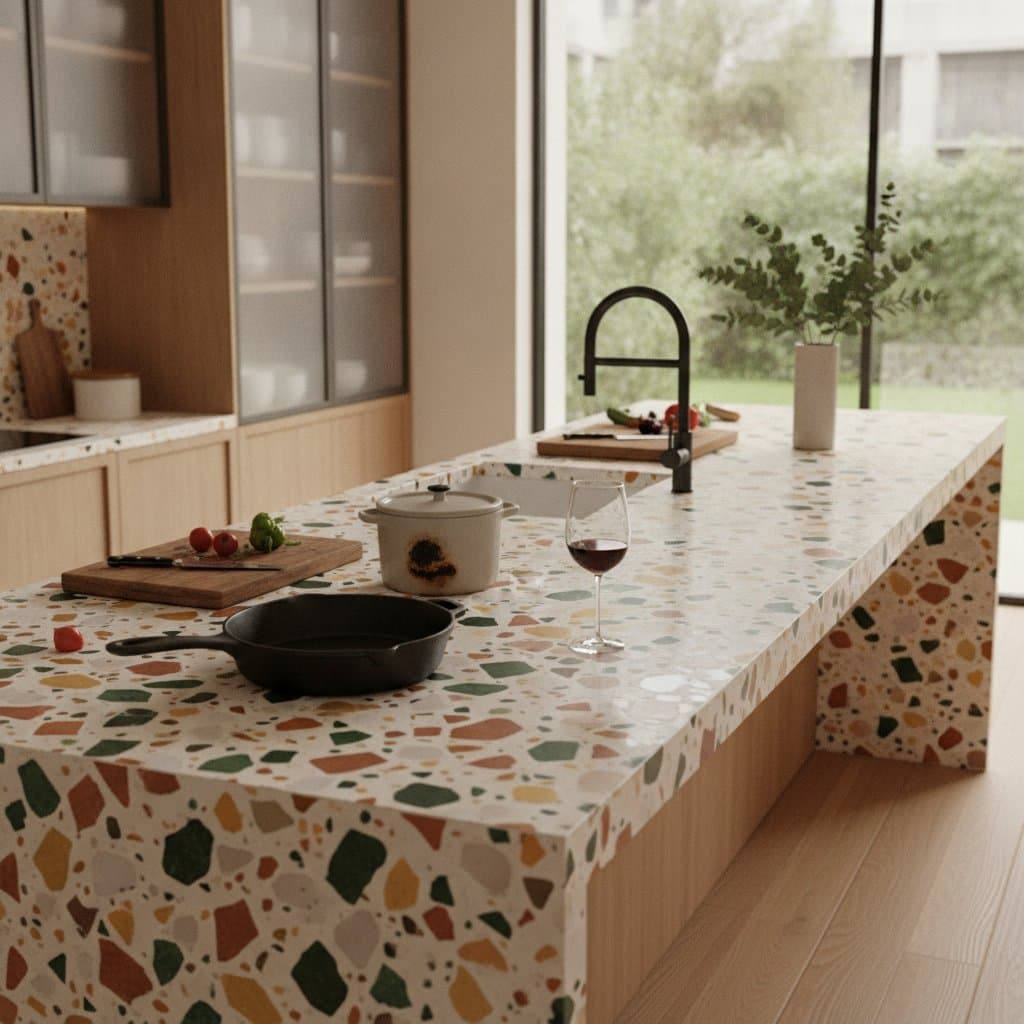
Every terrazzo slab is unique. The combination of chips, pigments, and binders gives endless possibilities for color and texture. Homeowners can choose subtle neutral tones that blend with minimalist kitchens or bold, multicolored fragments that turn the countertop into a focal point.
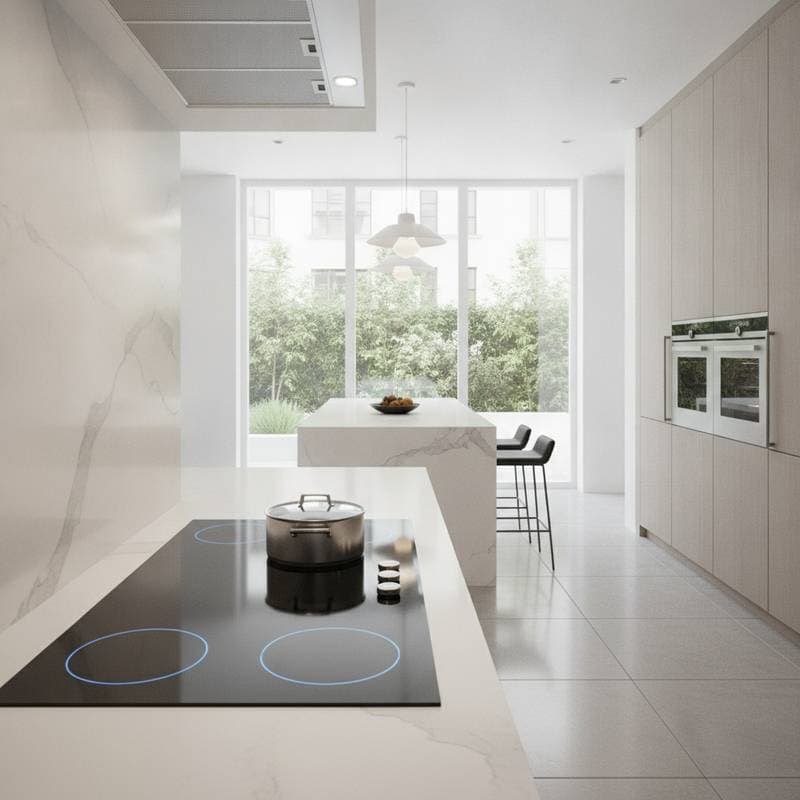
In several kitchen remodels, I have used terrazzo to tie together open-concept spaces. A soft white base with gray marble chips complements both light cabinets and darker flooring. For clients wanting something more expressive, we have created custom blends that match cabinet hardware or lighting fixtures. The result always feels personal, not mass-produced.
Durability That Stands Up to Real Use
Kitchens are punishing environments. Between hot pans, sharp knives, and constant spills, countertop materials need to perform under pressure. Terrazzo holds up well because the stone or glass chips reinforce the binding material. When sealed correctly, it resists stains and moisture penetration better than concrete or marble.
I once installed terrazzo in a family kitchen where three kids used the counter for everything from homework to baking. Years later, the surface still looked new after a light polish. That kind of performance keeps maintenance costs low and preserves the fresh look that homeowners want long after the project is finished.
Cost and Installation Considerations
Terrazzo is not the cheapest option, but it offers strong long-term value. Installation costs vary depending on whether you use precast slabs or poured-in-place systems. Precast slabs are fabricated in a shop, then installed like quartz or granite. Poured-in-place terrazzo is more labor-intensive but allows completely seamless surfaces, including integrated backsplashes or waterfall edges.
In my experience, homeowners who compare terrazzo price to high-end quartz often find the numbers surprisingly close. The difference is that terrazzo repairability and lifespan stretch that investment much further. I always remind clients that a countertop lasting fifty years costs less per year than one that needs replacement after ten.
Maintenance and Care Tips
Terrazzo maintenance is straightforward if you start with proper sealing. For cement-based terrazzo, a penetrating sealer protects against moisture and staining. Resin-based terrazzo needs a surface sealer that adds a slight sheen. Either way, resealing every few years keeps the material protected.
Avoid harsh cleaners that contain acids or abrasives. A mild soap and warm water are enough for daily cleaning. Small scratches can be buffed out, and chips can be filled with matching resin. I often tell clients that terrazzo behaves more like stone flooring than like delicate countertop material. It rewards simple, consistent care with decades of reliable service.
Common Mistakes to Avoid
- Skipping professional fabrication. Terrazzo requires precise mixing and curing. Poorly made slabs can crack or discolor. Always verify that your fabricator has experience with the material.
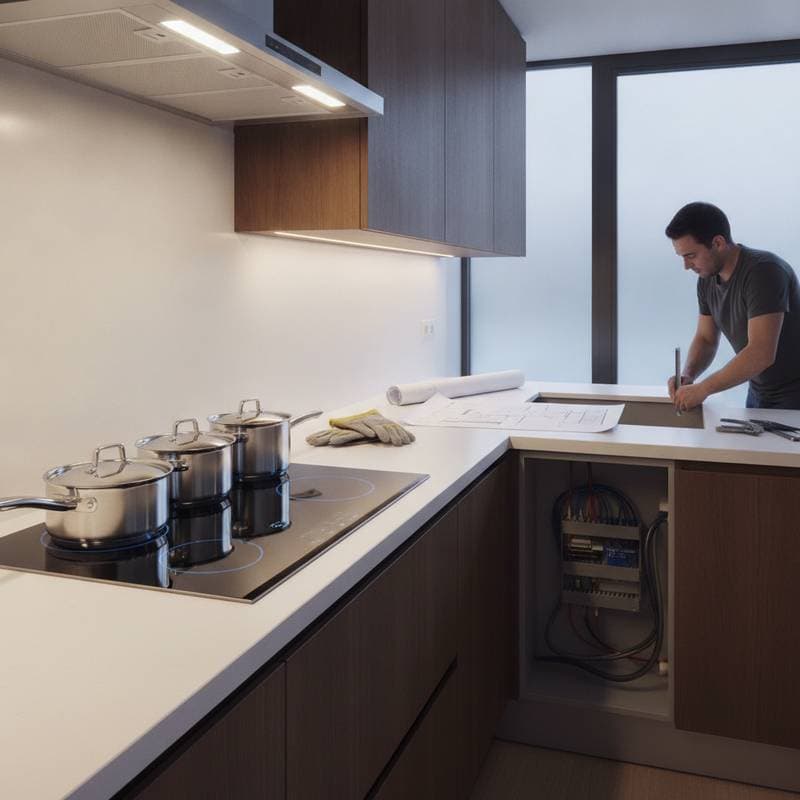
- Ignoring substrate support. Terrazzo is heavy, especially in poured installations. Cabinets and framing must be reinforced to handle the weight.
- Using the wrong sealer. The wrong product can trap moisture or create a cloudy finish. Ask your contractor which sealer matches the binder type.
- Failing to plan for color variation. Because terrazzo is custom blended, expect slight differences between samples and final installation. That variation is part of the charm but needs to be anticipated.
Why Contractors Appreciate Terrazzo
From a builder perspective, terrazzo offers consistency once installed. It does not warp, stain easily, or require frequent service calls. The color and aggregate stay stable under UV exposure, which prevents fading near windows. For clients, that means fewer surprises and less maintenance over time.
I also appreciate that terrazzo supports creative design without compromising structural performance. We can shape edges, integrate sinks, and create continuous surfaces that look high-end without the fragility of marble. It satisfies both designers and practical builders, a rare combination in kitchen materials.
Bringing Terrazzo Into Your Kitchen
If you are considering terrazzo for your next remodel, start by gathering samples from reputable suppliers. Choose colors that complement your flooring and cabinetry rather than compete with them. Discuss edge profiles and finishes with your contractor, as these details influence both cost and daily maintenance.
Selecting Terrazzo for Your Project
Work with fabricators who can provide recent project references and material test results. Review full-scale mockups on site before final approval. This step confirms that the chosen blend performs as expected under your specific lighting and usage conditions.