Induction Cooktops Outperform Gas Without the Flame
Induction Technology Anchors the 2026 All-Electric Kitchen Trend
Homeowners increasingly discuss all-electric kitchens during remodel planning. Sleek induction cooktops appear regularly in design features, and neighbors often highlight rapid boil times on new units. This shift reflects gains in performance, safety, and efficiency rather than style alone.
Gas once held preference among serious cooks, yet induction now delivers equivalent precision without open flame or fossil fuel lines. The following sections explain the operating principles, associated costs, and transition expectations.
Core Drivers Behind the All-Electric Kitchen Movement
All-electric homes gain support because renewable sources can power the appliances, whereas gas depends on fossil fuels. Indoor air quality concerns tied to combustion also influence decisions. Induction addresses both factors by removing on-site emissions while delivering faster, steadier heat.
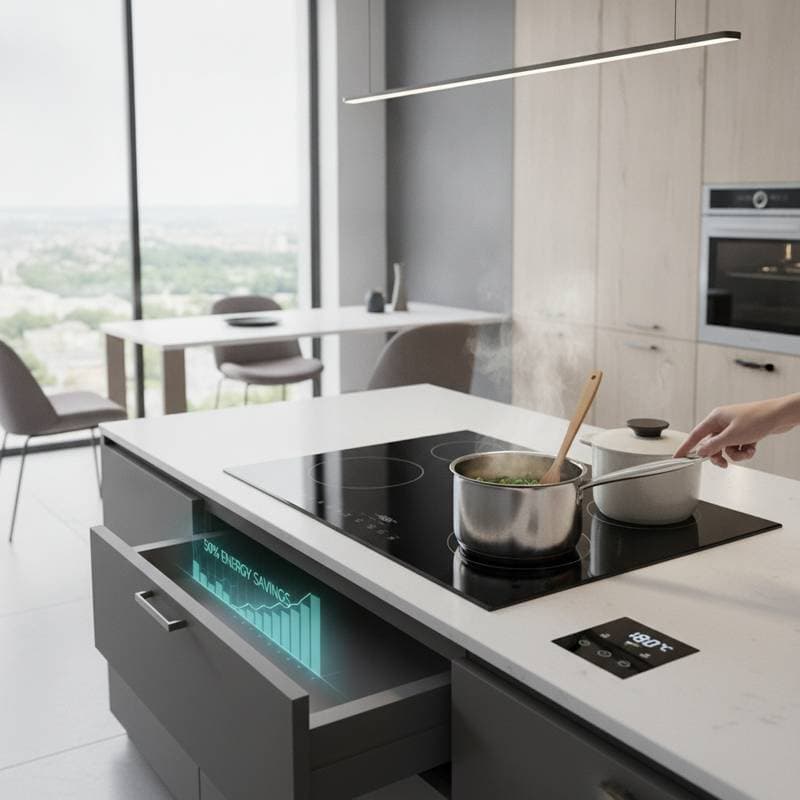
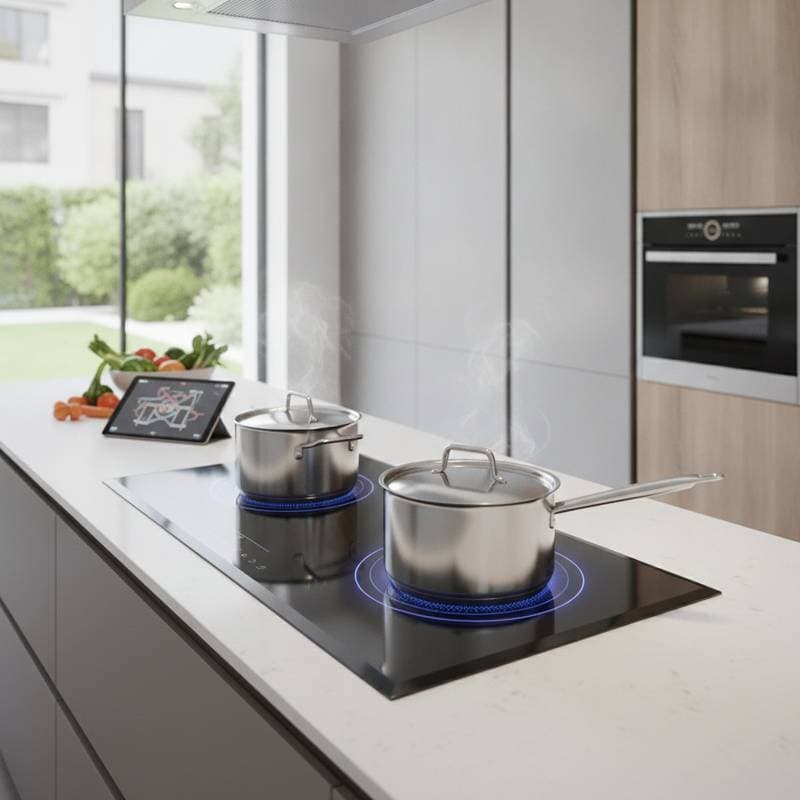
Induction differs from radiant electric cooktops because it applies electromagnetic energy directly to compatible cookware. The surface stays cooler, which improves efficiency and reduces contact hazards. Energy transfers straight into the pan, shortening cook times and sharpening temperature response.
Users report these consistent advantages:
- Water reaches boil in roughly half the time required on gas.
- Power changes register immediately, matching gas responsiveness.
- Only the area beneath the pan becomes warm, lowering burn risk.
- Spills wipe away without scrubbing baked residue from grates.
- Roughly 85 to 90 percent of input energy reaches the cookware, versus about 40 percent for gas.
Operating Principles of Induction
A copper coil beneath each zone generates a magnetic field once current passes through it. Ferromagnetic cookware placed on the surface experiences molecular excitation that produces heat inside the vessel. The pan itself functions as the heating element, eliminating flame, glowing coils, and excess warmth released into the room.
Compatible Cookware Selection
Cookware must respond to magnetism. Stainless steel, cast iron, and enameled iron perform well. Aluminum, copper, and glass require a magnetic base layer to function. The magnet test confirms readiness: firm attachment to the base indicates compatibility. An interface disk allows use of non-reactive pieces, although efficiency drops slightly.
Cost Components of an Induction Transition
Appliance prices and possible electrical work determine total outlay. Entry-level units range from 1000 to 1800 dollars. Mid-tier models with refined power distribution cost 2000 to 3500 dollars. Premium options exceed 4000 dollars and include smart features plus flush-mount designs.
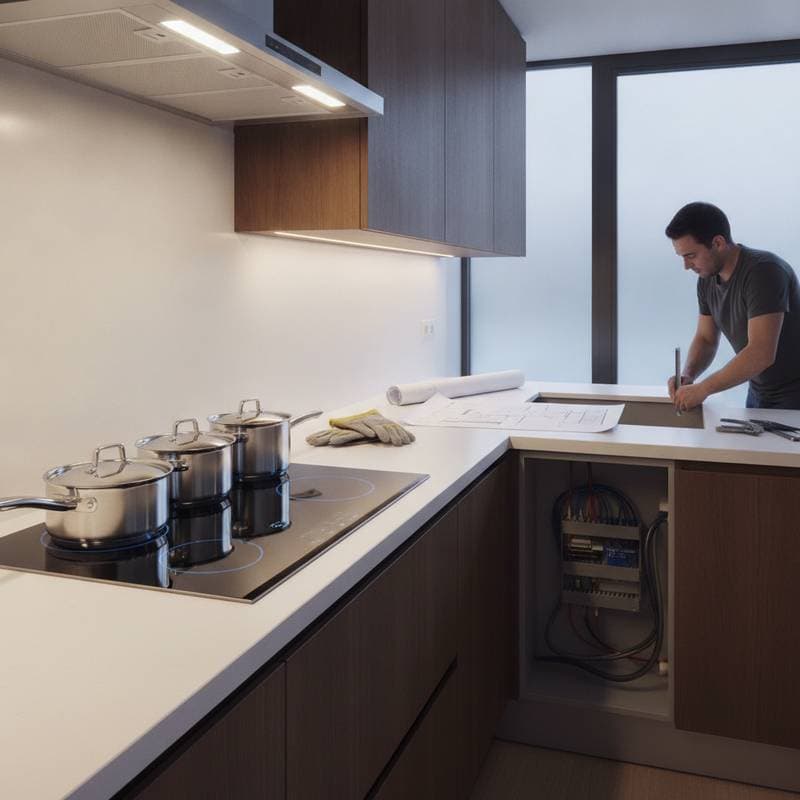
Electrical service upgrades add 200 to 1000 dollars when a dedicated 240-volt circuit is absent. Older panels may require breaker increases or new wiring runs. Licensed electricians complete this work in one to three days.
Operational savings offset part of the initial expense. Lower energy consumption and elimination of gas service reduce ongoing utility costs.
Efficiency and Environmental Outcomes
Direct pan heating limits energy loss to surrounding air. An induction unit converts approximately 85 percent of electricity into useful heat, compared with less than half for gas. Homes with solar arrays or renewable utility programs achieve near-zero cooking emissions.
Gas combustion releases nitrogen dioxide, carbon monoxide, and particulates that affect indoor air. Induction removes these sources entirely, benefiting smaller or less ventilated spaces.
Design Integration Options
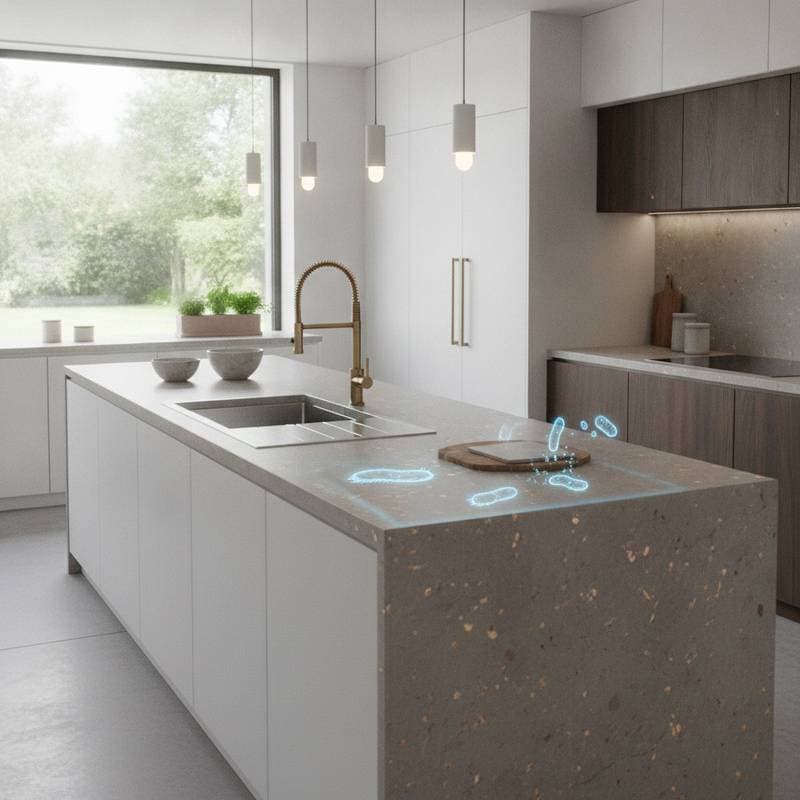
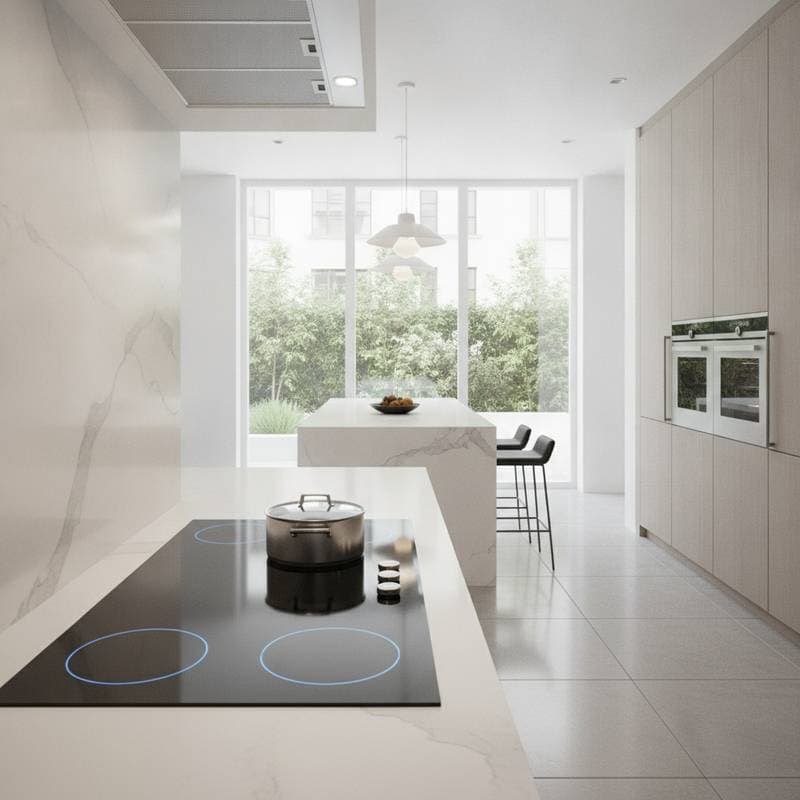
The smooth glass surface supports minimalist layouts and serves as temporary counter space. Drop-in, freestanding, and modular configurations accommodate varied kitchen plans. Black ceramic glass or muted gray finishes pair with stone, quartz, or solid-surface counters.
Practical Adjustment Period
New users adapt within one to two weeks by beginning with familiar recipes and starting at lower power settings. Built-in timers and boost functions accelerate the process. Immediate spill cleanup preserves the finish.
Installation Safety Requirements
A licensed electrician must verify panel capacity and circuit isolation before purchase. Dedicated 240-volt service prevents overloads. Factory safety systems such as automatic shutoff and pan detection further reduce operating risks.
Local Codes and Incentive Programs
Some municipalities provide rebates for electric upgrades tied to renewable energy. Permit requirements and gas line abandonment rules vary by jurisdiction. Utility providers or appliance retailers supply current details.
Resale and Long-Term Returns
Energy-efficient, fossil-fuel-free kitchens attract growing buyer interest. Reduced maintenance and absence of combustion components lower lifetime ownership costs.
Kitchen Upgrade Action Plan
Confirm electrical capacity supports a 40- or 50-amp circuit. Establish a budget covering both equipment and wiring. Compare models for control responsiveness and warranty terms. Coordinate installation timing with the electrician and supplier. Experiment with standard dishes to calibrate new response characteristics.