Why Touchless Kitchen Faucets Are Remodel Must-Haves
Picture this scenario. You have been handling raw chicken and your hands are slippery. You need to rinse them off without smearing bacteria across the faucet handle. Many homeowners encounter this daily frustration. Technology now offers a practical solution that keeps kitchens cleaner, safer, and more efficient.
Touchless faucets once appeared only in luxury kitchens. They now serve as a standard feature in remodels of every scale. Whether the project involves a single sink update or a complete overhaul, a motion-sensing faucet improves convenience and hygiene.
Everyday Problems Solved by Touchless Faucets
Traditional faucets create several recurring issues. Greasy hands leave smudges on handles. Sticky surfaces collect germs. Dripping spouts waste water. These small problems accumulate in a busy kitchen.
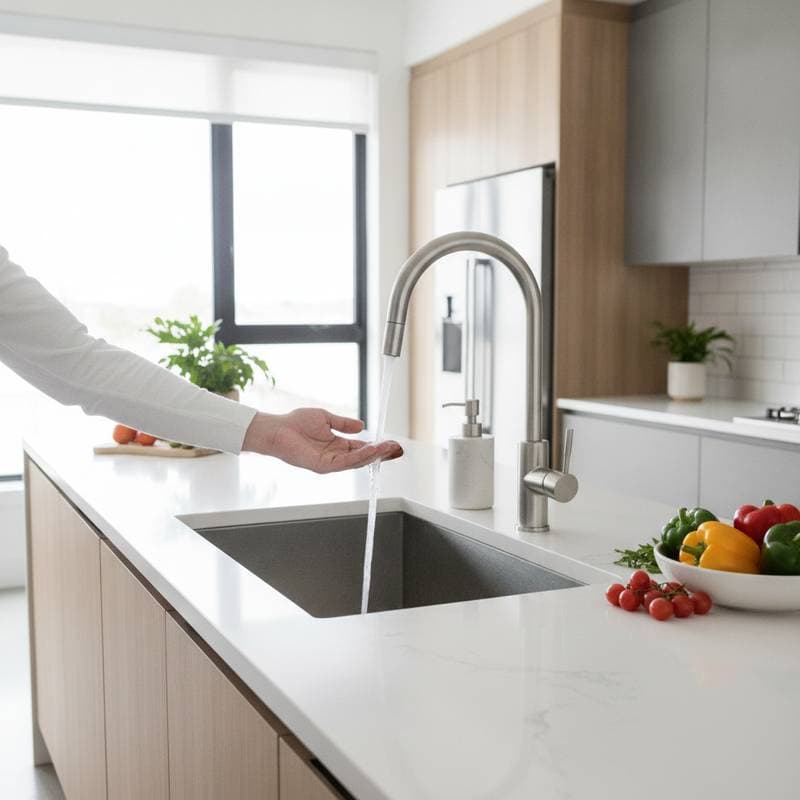
Touchless faucets use infrared sensors to detect hand movement. Water flows when motion occurs near the sensor and stops when hands move away. The design produces cleaner surfaces, reduced water waste, and smoother daily routines.
Users frequently report that the faucet quickly becomes an essential part of kitchen workflow.
How Touchless Faucets Operate
Most models place a small infrared sensor near the base or spout. Movement detection triggers an electric solenoid valve that releases water. The valve closes automatically once motion ceases.
Power options include plug-in outlets under the sink or replaceable batteries. Battery models typically last six months to two years. Many units include a manual override for use during power interruptions.
The system releases water only when needed and thereby conserves resources.
Key Benefits for Homeowners
Touchless kitchen faucets deliver measurable improvements beyond basic convenience.
Improved Hygiene
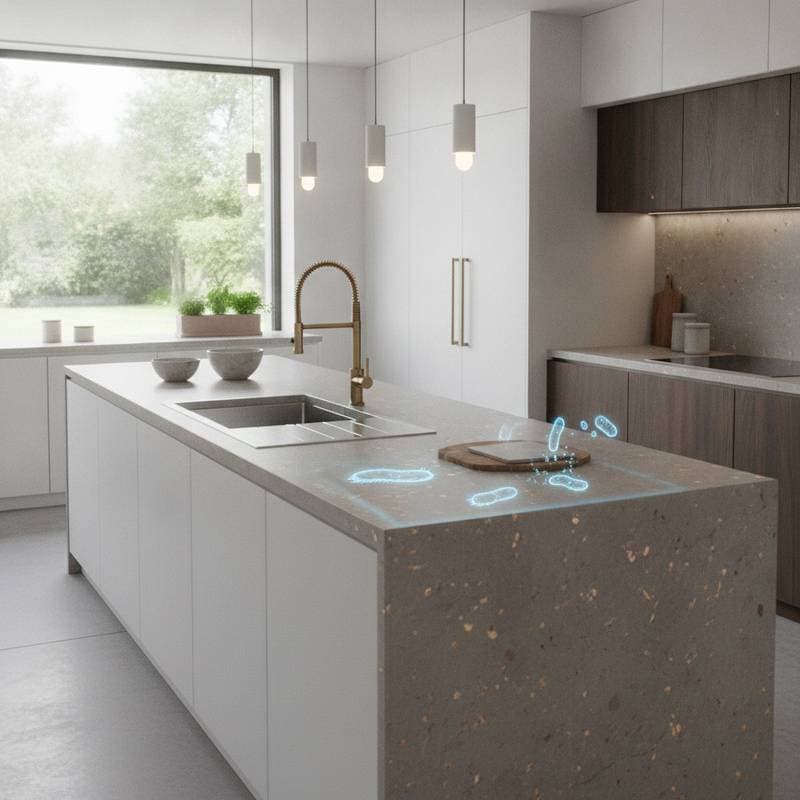
Contact with a dirty handle transfers bacteria to surfaces. A touchless model removes that contact point. The reduction proves especially useful during meat preparation or produce washing.
Water Efficiency
Automatic shutoff can reduce water consumption by up to 30 percent. Lower usage decreases utility costs while supporting sustainable habits.
Cleaner Surfaces
Fewer fingerprints and water spots appear on untouched fixtures. Weekly cleaning requires less scrubbing and polishing.
Easier Operation for All Ages
Children, older adults, and individuals with limited mobility benefit from simple wave activation. No twisting or gripping is required. This feature supports aging-in-place designs.
Modern Style and Resale Appeal
Available finishes range from brushed nickel to matte black. The fixtures complement both traditional and contemporary kitchens. Buyers often view the upgrade as a desirable addition during home sales.
Cost and Installation Overview
Prices vary by brand and features.
- DIY-friendly models range from 150 to 250 dollars.
- Mid-range options cost 250 to 450 dollars.
- Premium designs with smart features run from 500 to 800 dollars.
Basic plumbing skills allow self-installation in one to two hours for most standard sinks. Professional installation typically adds 150 to 300 dollars when old fittings complicate the process.
Power and Electrical Considerations
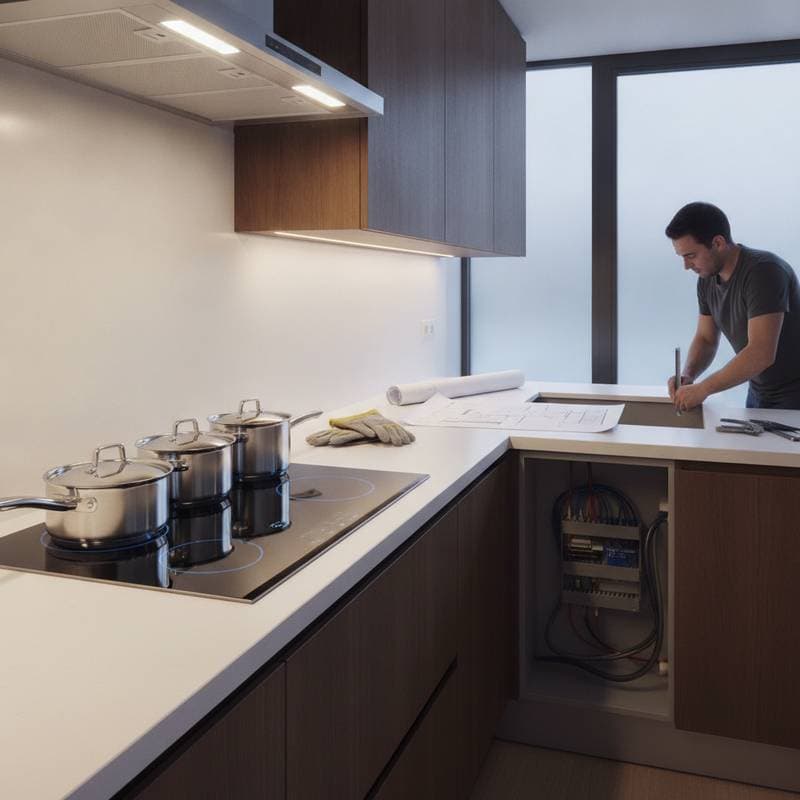
Battery-powered units avoid the need for an outlet. Plug-in models require a grounded outlet beneath the sink. An electrician can add one for 100 to 200 dollars if none exists.
Maintenance and Lifespan
Regular wiping of the sensor area prevents buildup. Battery replacement and occasional descaling keep the unit functioning. Most models last 10 to 15 years with routine care.
Safety and Reliability Tips
Verify that the chosen model meets local plumbing codes, including any backflow prevention requirements. Confirm that household water pressure falls within the recommended 20 to 80 psi range.
Models with temperature limiters help prevent scalding. LED indicators that show blue for cold and red for hot water add further safety. Test the manual backup function after installation.
Choosing the Right Model for Your Kitchen
Evaluate these features before purchase.
- Sensor location: Front sensors suit shallow sinks while side sensors reduce accidental activation.
- Spout height: High-arc designs clear large pots yet may splash in shallow basins.
- Finish and material: Stainless steel resists fingerprints while matte surfaces conceal spots.
- Spray options: Multiple patterns assist with rinsing, filling, and cleaning tasks.
- Smart features: Voice or app integration allows preset water amounts on higher-end units.
Measure sink clearance and cabinet space before final selection.
Integrating Touchless Faucets Into Your Remodel
Coordinate the faucet finish with cabinet hardware and lighting during the design phase. For simple replacements, inspect existing connections and power availability first. The upgrade improves hygiene, reduces waste, and streamlines daily tasks for years to come.