Why Touchless Fixtures Matter for Hygiene in 2026
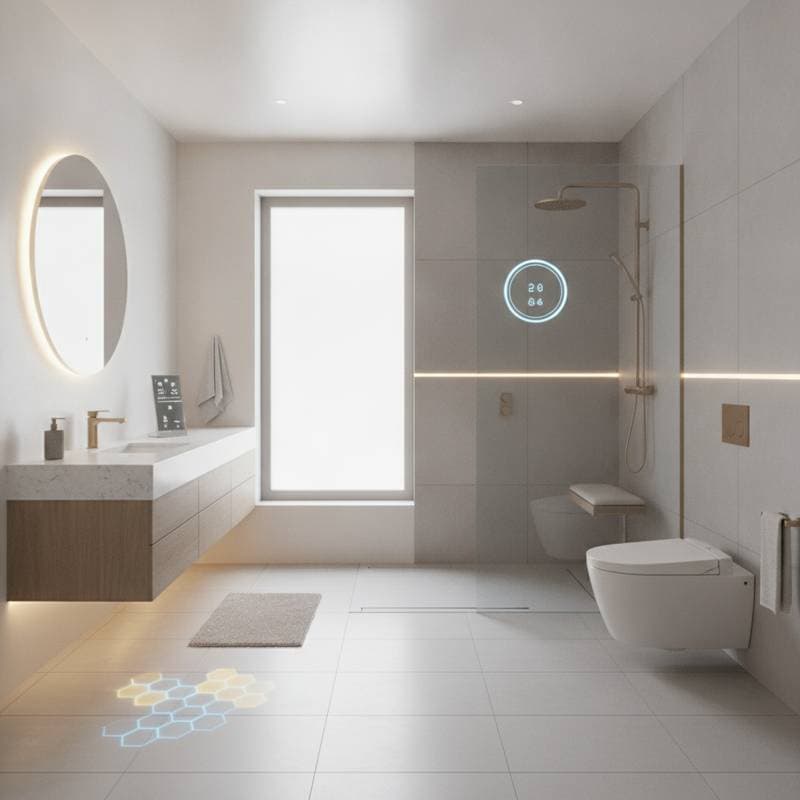
You have probably observed the trend already. Public restrooms and renovated homes now feature touchless faucets, soap dispensers, and toilets more often. These upgrades may seem unnecessary in a private home where the bathroom already appears clean. Rising hygiene expectations and more affordable technology have made touchless fixtures the new standard for healthy, low maintenance spaces.
The following sections explain their function, typical costs, and practical steps to add them to a bathroom.
How Touchless Fixtures Operate
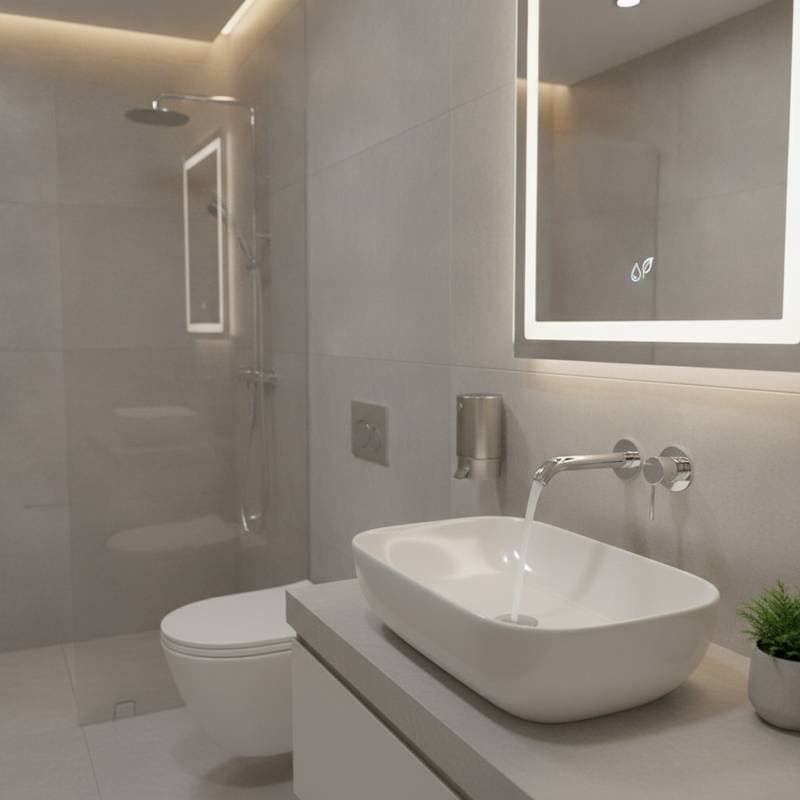
Touchless fixtures rely on motion sensors or infrared technology to detect movement and trigger water flow, soap release, or flushing without contact. The sensor signals a control valve or motor that completes the action.
Many models allow adjustments to sensitivity and duration. A faucet might run for ten seconds after hand detection or stop immediately when motion ends. Toilets can flush automatically after use. Higher end units sometimes add self cleaning cycles or UV sanitation.
Users therefore touch fewer surfaces, spend less time cleaning, and reduce germ transfer more effectively.
Budget Options for Upgrades
A full replacement is not required at once. Homeowners can begin with one fixture and add others over time. Prices depend on brand, finish, and features.
- Touchless faucets range from 120 to 450 dollars for residential units. Battery powered sensors suit basic needs while premium models connect to power and offer temperature presets.
- Touchless soap dispensers cost between 30 and 100 dollars based on capacity and style.
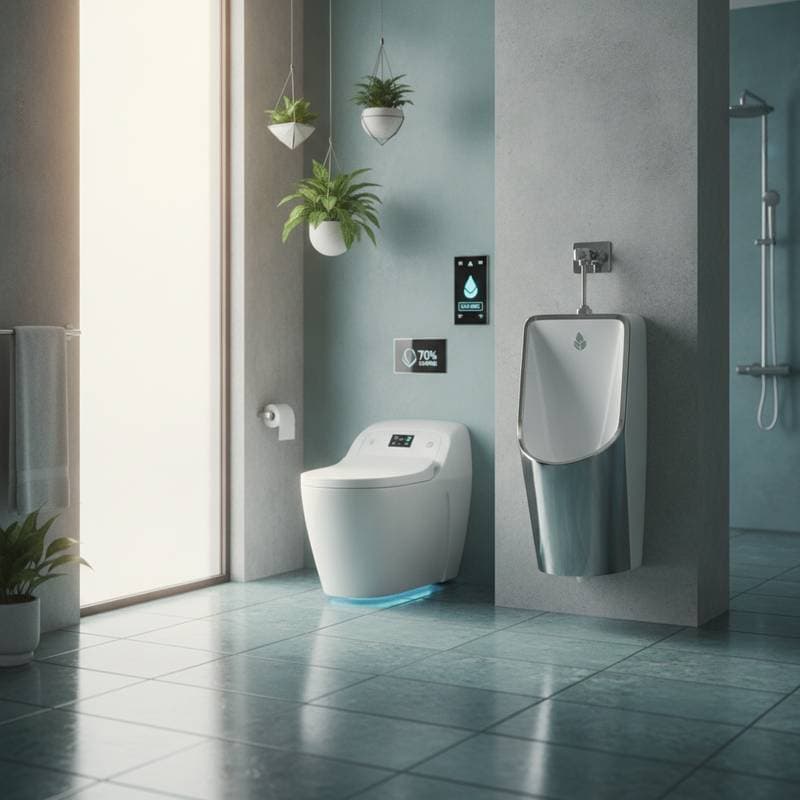
- Touchless toilets or flush kits start at 200 dollars for retrofit versions, though complete smart toilets reach 1200 to 2800 dollars.
Professional installation typically adds 150 to 300 dollars per fixture. Battery changes and routine cleaning represent the main ongoing expenses.
A logical sequence starts with the faucet because it receives the most contact, followed by a soap dispenser and later a flush system.
Installation and Safety Considerations
Correct installation ensures reliable performance. Battery units require periodic replacement while hardwired models need an electrical connection nearby.
Sensor range settings prevent false triggers or missed detections through small dials or digital menus. Models with preset temperature limits or thermostatic controls reduce scald risks for households with children.
Some faucets include manual overrides for use during power loss. Local plumbing codes may require permits for electrical work near water sources, so consultation with a licensed professional is advisable when uncertainty exists.
Water Savings and Durability Gains
Automatic shutoff limits flow to actual need and can reduce consumption by up to 30 percent compared with manual controls. Lower water bills and reduced waste follow directly.
Internal valves experience less wear because they open and close smoothly, which extends service life and cuts replacement frequency. Aerators in many units preserve pressure while restricting flow rate for added efficiency.
Steps to Add Touchless Fixtures
Bathroom remodels or simple updates both benefit from these fixtures. Begin with a single faucet replacement and expand according to budget. Select brands that supply reliable sensors, available parts, and clear warranties.
The results appear quickly through reduced germ spread, easier cleaning routines, and a modern bathroom environment. Homes also meet emerging hygiene expectations in residential and commercial settings.
Cleanliness, convenience, and resource conservation combine in touchless technology. Early adoption supports healthier and simpler maintenance for years ahead.