Why Japandi Kitchens Blend Japanese and Scandi Design
Every kitchen tells a story of how we live, gather, and create. Few design movements capture this narrative as gracefully as Japandi, a fusion of Japanese minimalism and Scandinavian warmth. This quietly powerful style has moved from niche inspiration boards to the most desired interiors.
The Philosophy of Balance
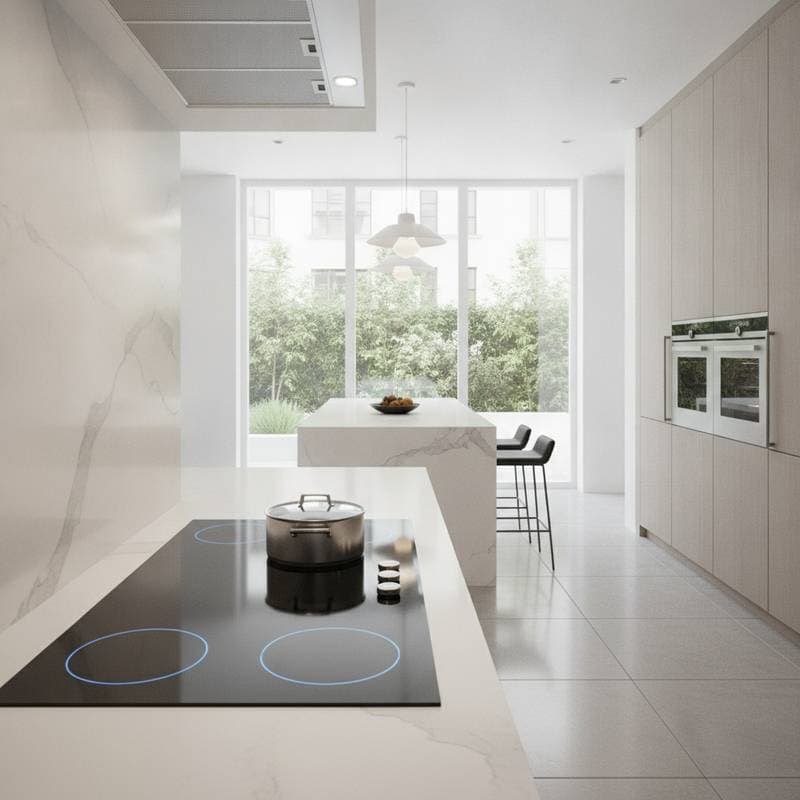
Japandi is built on harmony. It blends wabi-sabi, the Japanese appreciation for imperfection, with hygge, the Scandinavian sense of comfort. In a kitchen, this balance creates a mood that feels both serene and lived in. Surfaces are not polished to perfection but celebrated for their natural grain and texture. A countertop in honed Bianco Carrara marble might rest beside hand glazed ceramic tiles.
Honest Materials and Natural Texture
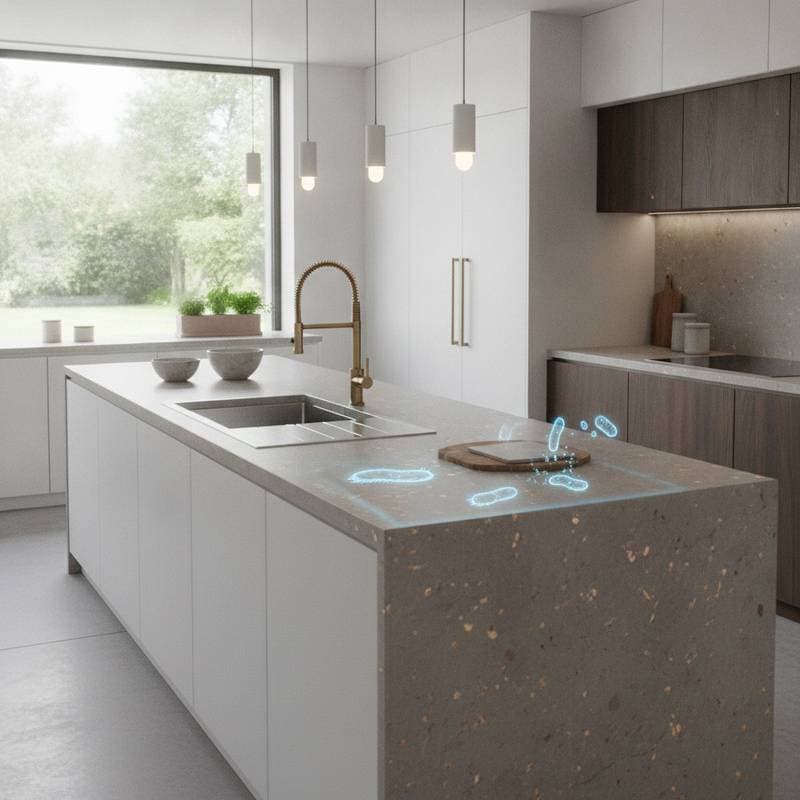
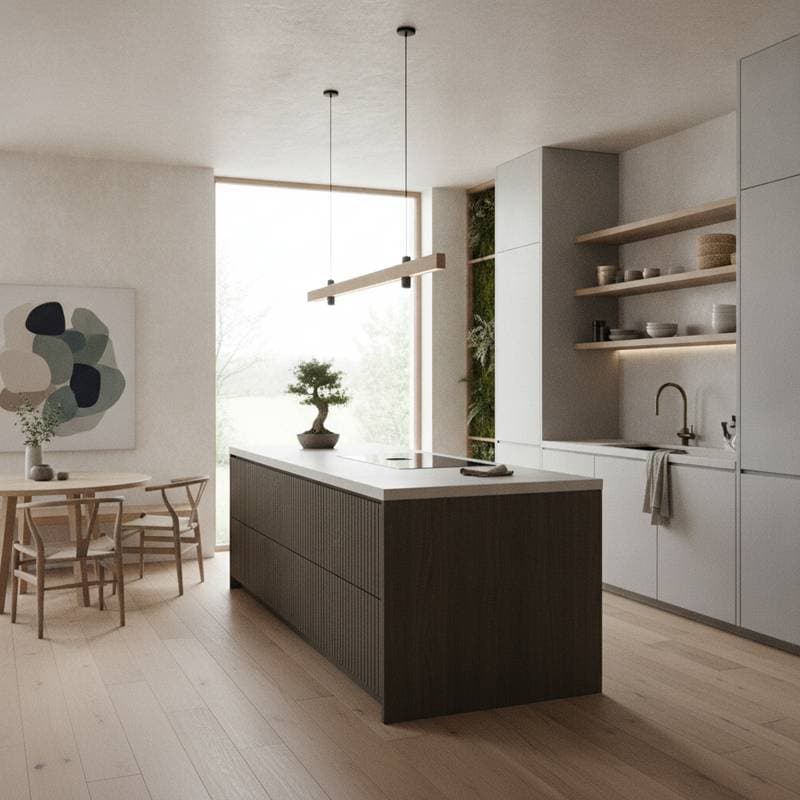
This style thrives on materials that age beautifully. Designers have long championed tactile authenticity, using European oak, rattan, and lime washed plaster to produce depth and warmth. The Japandi kitchen often features cabinetry in white oiled oak or smoked ash, paired with stone or concrete worktops that ground the space. Textiles from linen drapes to woven stools soften the geometry and invite touch.
Muted Color Palettes That Soothe
Color in a Japandi kitchen whispers rather than shouts. Expect a restrained palette of soft neutrals with muted undertones. Walls painted in Farrow and Ball Skimming Stone or Benjamin Moore Revere Pewter create a gentle backdrop that complements natural wood tones. Charcoal ceramics and matte black fixtures add quiet contrast.
Function as Beauty
At its core, Japandi design values purposeful beauty. Open shelving replaces upper cabinets, allowing space for handmade pottery and subtle asymmetry. Storage is carefully integrated, often concealed behind seamless panels. Every element earns its place through usefulness. The kitchen becomes an environment of flow and intention, free from clutter yet full of life.
Light as a Design Element
Lighting is essential to Japandi quiet drama. Soft, diffused illumination replaces harsh overhead glare. Rice paper pendants, bamboo shades, or minimalist sconces cast warm pools of light that enhance texture and depth. Natural light is treated as another material, filtered through linen curtains or frosted glass to create gentle gradation throughout the day.
The Craft of Simplicity
The art of restraint defines Japandi beauty. Surfaces are uninterrupted, forms are pure, and decoration is minimal. Yet within that simplicity lies immense craftsmanship. Joints are perfectly aligned, drawer pulls are carved rather than attached, and joinery becomes ornament. Every detail has intention, and every finish tells a story of patience.
Sustainable Sensibility
Japandi aligns naturally with sustainability. Its preference for durable, natural materials and timeless design reduces the cycle of renovation. Woods are often locally sourced, finishes are low in chemical content, and energy efficient lighting is standard. Many designers incorporate reclaimed timber or recycled stone, embracing irregularity as an aesthetic virtue.
A Space for Mindful Living
More than a style, Japandi represents a mindset. The kitchen becomes a place to slow down, to cook with focus, and to connect with materials. A simple breakfast on a Shaker style oak table beside a Mizu handmade ceramic vase feels elevated through intentional design. It is a reminder that beauty resides in the everyday, not in excess.
Adaptable for Modern Homes
Japandi kitchens are inherently flexible. They suit both compact apartments and expansive open plans. In smaller spaces, the minimalist approach creates visual calm and maximizes light. In larger homes, layered textures and varied wood tones add warmth. Modular cabinetry and integrated seating can adapt the style to diverse lifestyles without losing its essence.
A Lasting Aesthetic
Trends come and go, but Japandi appeal endures. Its quiet sophistication resists the transient nature of fashion. By merging two design philosophies rooted in simplicity and respect for nature, it offers a timeless path forward. In the kitchen, where daily rituals unfold, this fusion feels especially meaningful.
Bringing Japandi into Your Kitchen
To embrace Japandi in your own kitchen, start with restraint. Choose natural materials, simplify forms, and allow imperfections to remain visible. Combine the softness of Scandinavian design with the discipline of Japanese craft. A single solid oak cutting board, a linen runner, or matte stoneware dishes can shift the mood toward calm authenticity.