Why Contractors Are Switching Homeowners to Induction
Induction Cooking Trends Replacing Gas Stoves in 2026
As a contractor who has remodeled hundreds of kitchens, I can tell you the conversation about gas versus electric cooking has shifted fast. Many homeowners now ask about induction cooktops instead of gas. The reasons extend beyond style. Energy efficiency, safety, and evolving regulations push the market toward electric kitchens. Planning a remodel requires understanding this shift to protect investments and support smarter choices before changes become mandatory.
The Hidden Costs of Sticking with Gas
A gas stove might feel traditional, but it brings real drawbacks. Homeowners often spend thousands upgrading ventilation systems to handle fumes and heat from gas. Gas lines also require regular inspections for leaks and pressure issues. These costs accumulate, especially alongside rising utility prices.
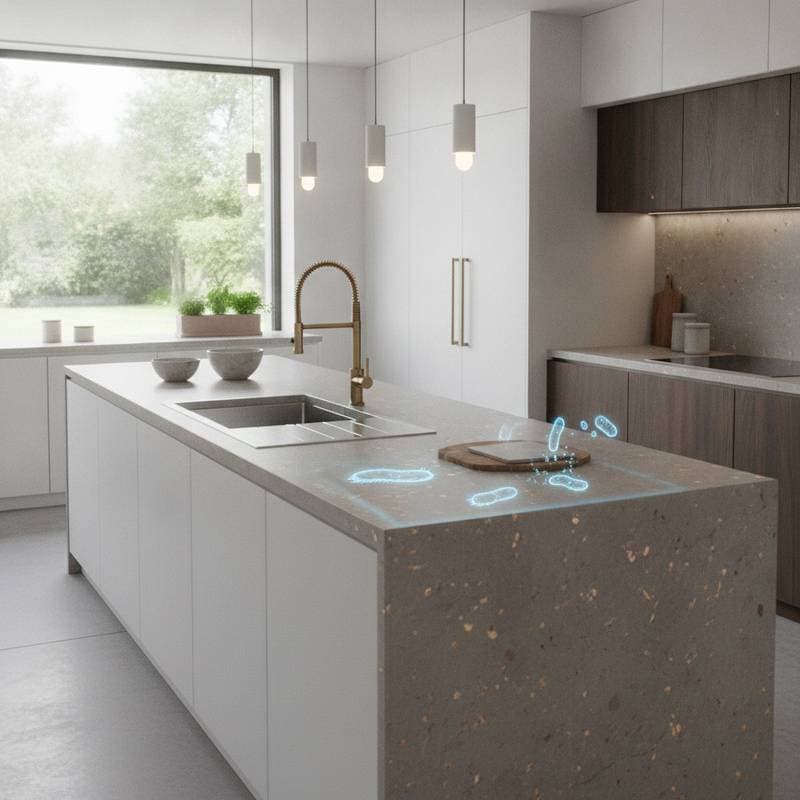
Health and indoor air quality represent another growing concern. Studies show gas appliances release nitrogen dioxide and other pollutants into the kitchen. Even with a vent hood, exposure affects air quality in ways many homeowners do not realize until they experience an induction system.
Why Induction Is Catching On
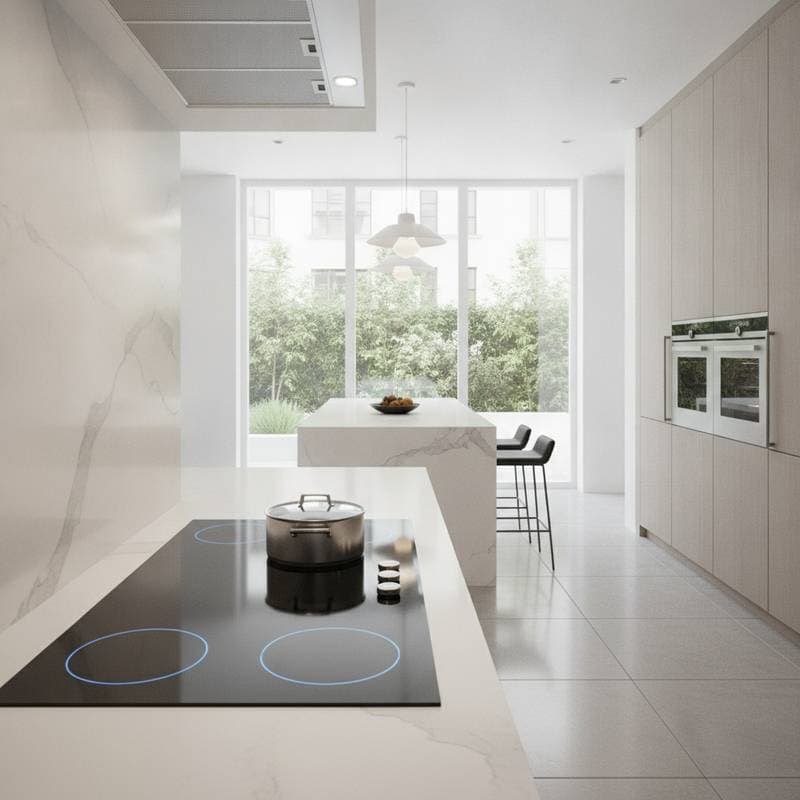
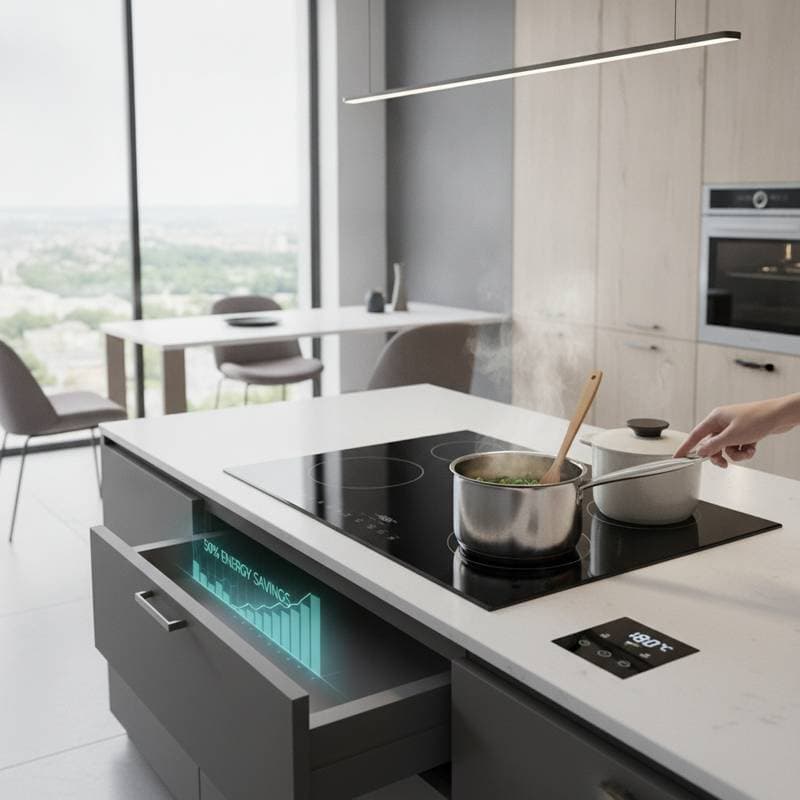
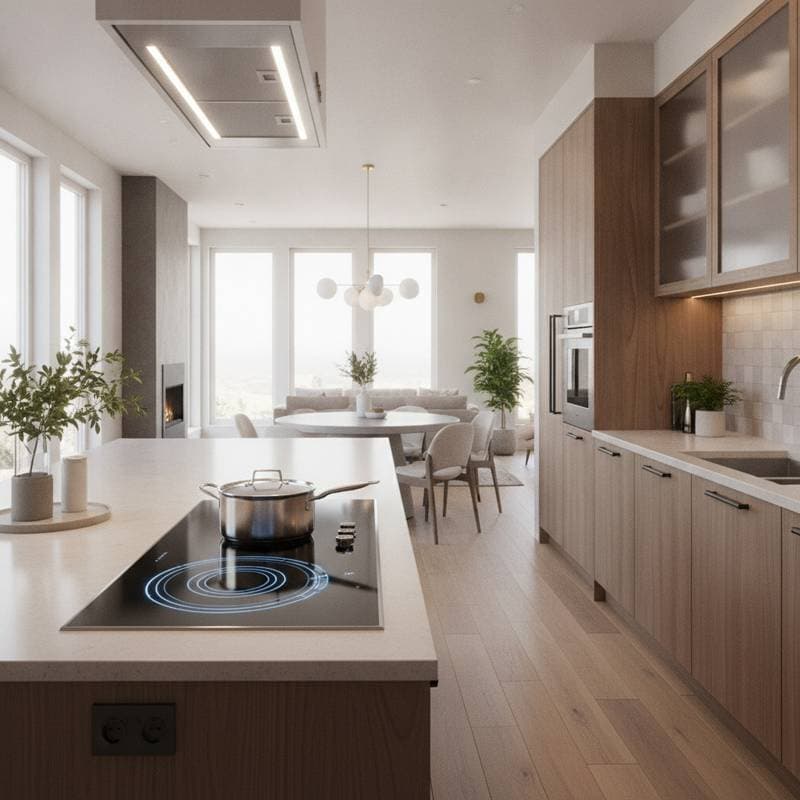
Induction cooking uses electromagnetic energy to heat the pan directly. The surface stays relatively cool. Energy transfers straight into the cookware instead of the surrounding air. Users gain faster boil times, precise temperature control, and less wasted heat. When I install an induction cooktop, clients notice how comfortable the kitchen remains, especially during summer months.
Safety provides another advantage. I have witnessed too many close calls with open flames, particularly in small kitchens or around children. Induction eliminates that risk. Removing the pan causes the unit to shut off automatically. No pilot light, gas leak, or flame requires management.
What a Conversion Really Involves
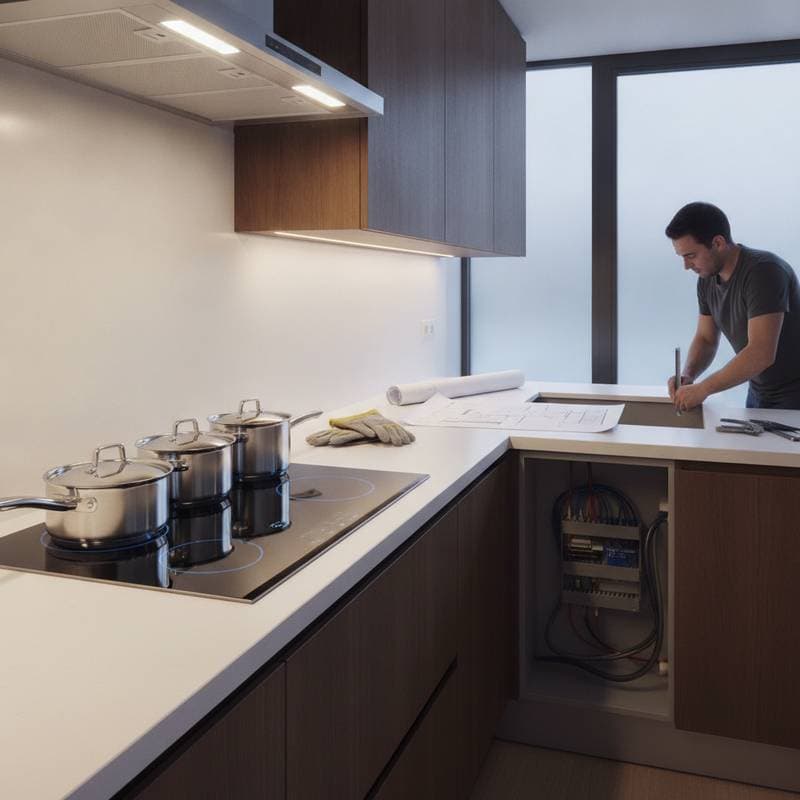
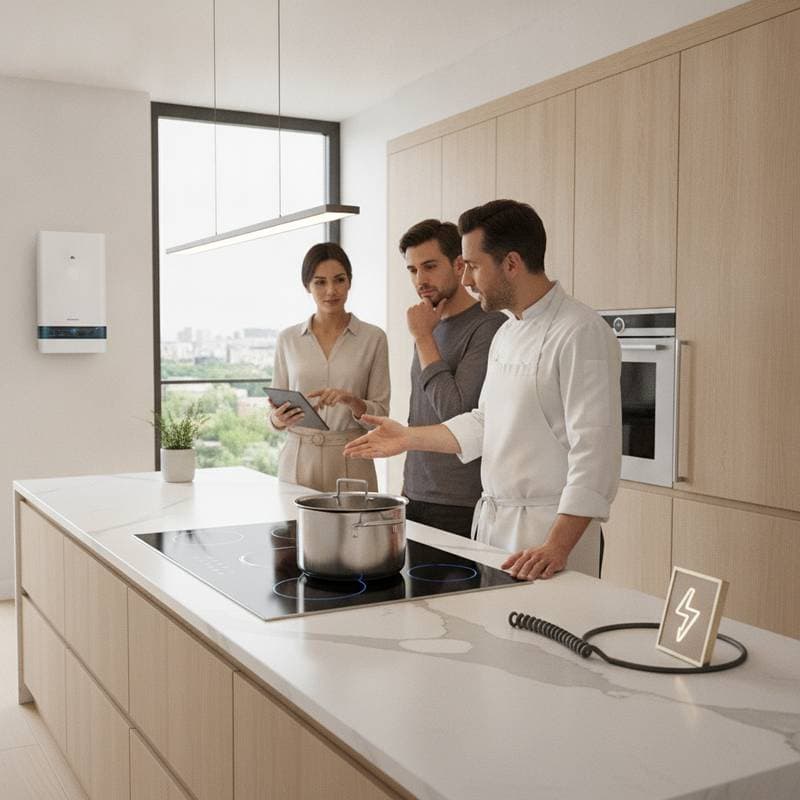
Switching from gas to induction requires more than swapping appliances. A dedicated electrical circuit, usually 240 volts, is necessary along with sufficient amperage for the cooktop load. Older homes may need a panel upgrade or subpanel addition. Hiring a licensed electrician matters in these cases. DIY attempts have led to overloaded circuits or tripped breakers during the first use.
Countertops may also need adjustment. Gas cooktops often have deeper cutouts. Modification of the opening or full countertop replacement might be required. If a remodel is already planned, this timing allows for a clean conversion.
Long-Term Benefits for Homeowners
Induction cooking boosts resale value beyond efficiency and safety gains. Buyers increasingly view gas as outdated and less environmentally responsible. Homes with modern electric systems often sell faster. Maintenance costs decrease over time as well. No burners need cleaning, no pilot assemblies require replacement, and no soot builds up.
Clients should view this transition as future-proofing their kitchen. Regulations, incentives, and appliance standards trend in favor of electric cooking. Getting ahead of that curve prevents rushed upgrades later.
Preparing Your Kitchen for Induction
If a kitchen remodel is under consideration, discuss electrical system preparation for induction with the contractor. Keeping a gas range temporarily remains possible while adding wiring and circuits for future flexibility. Selecting cookware with magnetic bases prepares the household for the switch. Planning now avoids expensive retrofits and delivers a safer, cleaner, and more efficient cooking experience aligned with industry direction.