Induction Zones Are Redefining Kitchen Design
Every generation redefines the heart of the home. The kitchen serves as the most expressive canvas for that evolution. The contemporary kitchen favors fluid functional zones that adapt to modern living over static layouts.
Induction zones have emerged as a defining feature. They merge precision technology with design sophistication. These zones represent more than a new appliance choice. They signal a new rhythm in how people cook, gather, and experience their kitchens.
How Induction Creates Precise Heat
Induction cooking transforms the concept of heat. It uses electromagnetic energy to warm cookware directly rather than the cooktop surface. This method delivers instant temperature response, silent operation, and surfaces that stay cool to the touch.
Designers note that induction creates a choreography of temperature and timing. The cook stays connected to the process without constraints from open flames. Unlike traditional gas or electric setups, induction zones integrate seamlessly into countertops.
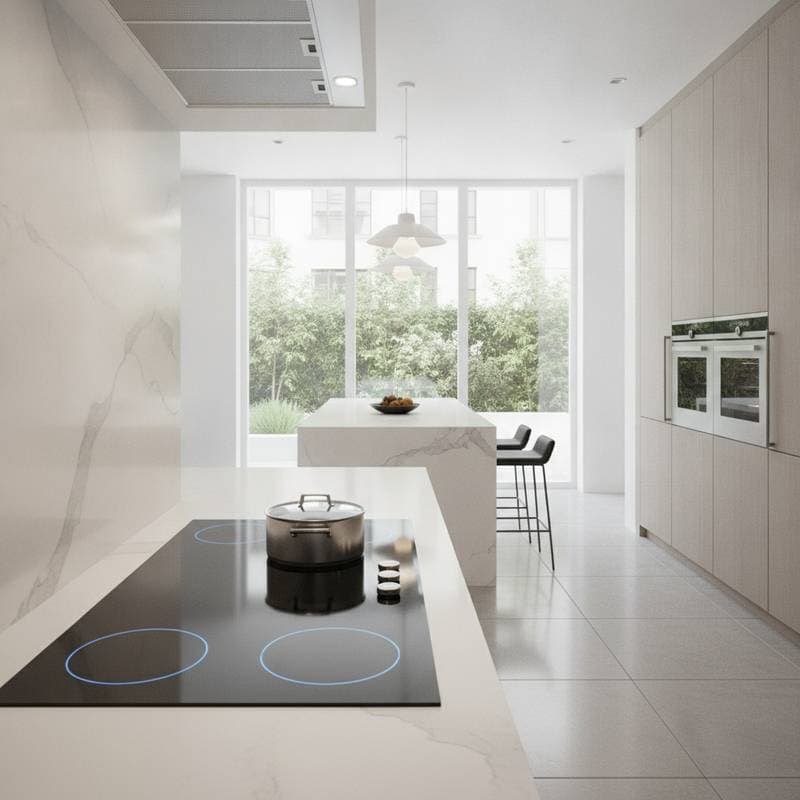
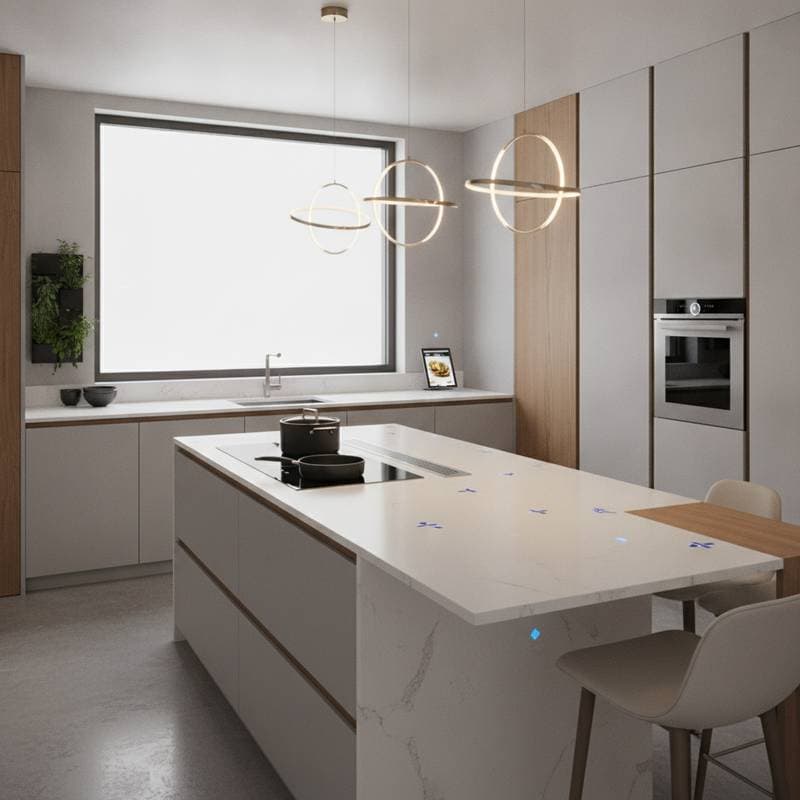
A slab of honed marble or matte composite can conceal a cooktop entirely. This approach creates an uninterrupted visual line across the kitchen island. The result supports minimalism that favors continuity and calm.
Zoning Kitchens for Better Flow
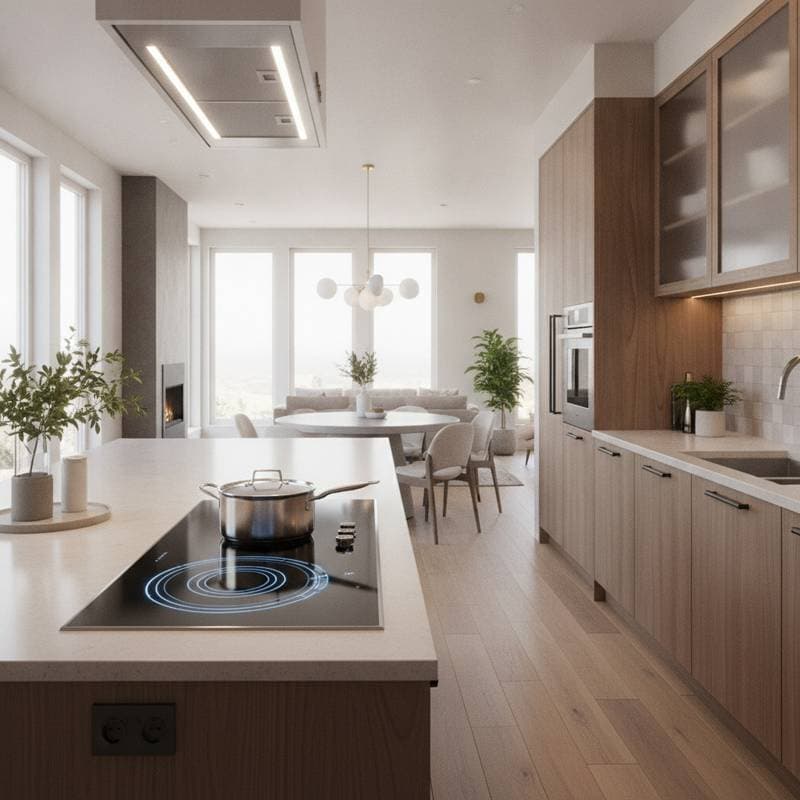
Zoning divides the kitchen into distinct functional areas such as prep, cooking, cleaning, and serving. Induction technology fits this framework because it places heat only where needed. A single surface can shift from workstation to cooktop in seconds.
Architects describe this approach as designing for flow rather than fixed points. In zoned kitchens movement becomes intuitive. The cook transitions from a sink area to an induction zone embedded in an island without visual interruption.
The kitchen becomes a landscape of subtle transitions rather than separate stations.
Integrating Modules Without Boundaries
The flexibility of induction zones encourages experimentation with materials and forms. Brands offer refined modules that install flush with surfaces of oak, stainless steel, or ceramic composite. The absence of knobs and visible burners lets designers treat the cooking area as part of the furniture.
One example features a custom island in fumed oak that conceals twin induction modules finished in graphite glass. When inactive the cooktop vanishes beneath the wood surface. The island then serves as both dining table and sculptural centerpiece.
Prioritizing Efficiency and Safety
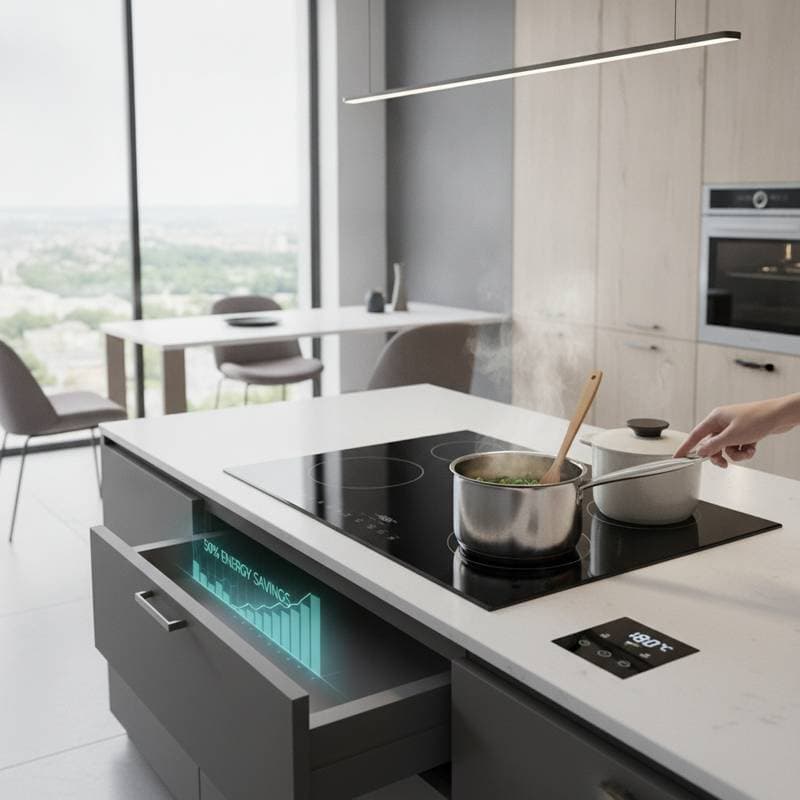
Induction zones appeal through efficiency and safety. They transfer nearly all energy directly into the pan and reduce wasted heat. The cooktop stays cool except beneath the cookware. This feature minimizes burn risks in open plan kitchens where cooking and conversation occur together.
Designers specify induction for family homes because it encourages participation without fear. Children can help with tasks near the cooktop safely. This approach supports kitchens as social and inclusive spaces.
Balancing Light with Reflective Surfaces
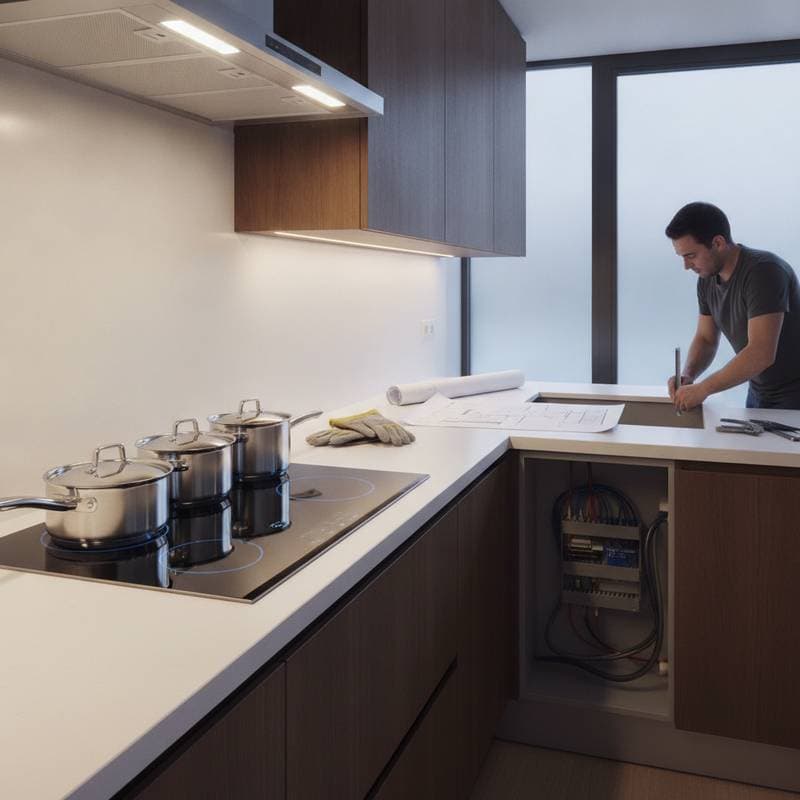
Induction zones influence lighting design. Reflective surfaces require balanced overhead illumination and integrated task lighting. Warm LED strips beneath cabinets create a soft glow that complements the glassy texture.
One project insets the induction zone into a limestone counter that mirrors a linear pendant above. The absence of visual clutter lets materials speak clearly. Precision in the induction surface aligns with disciplined architectural choices.
Offering Modular Customization
Modern consumers seek personalization. Modular induction units allow combination of elements such as a two burner zone beside a teppanyaki plate. This mix and match approach supports diverse cooking styles without expanding the footprint.
Professional grade residential kitchens often place induction zones in separate stations. One station anchors a pastry counter while another serves sauces. Segmentation enhances productivity and prevents congestion.
Pairing Colors and Materials
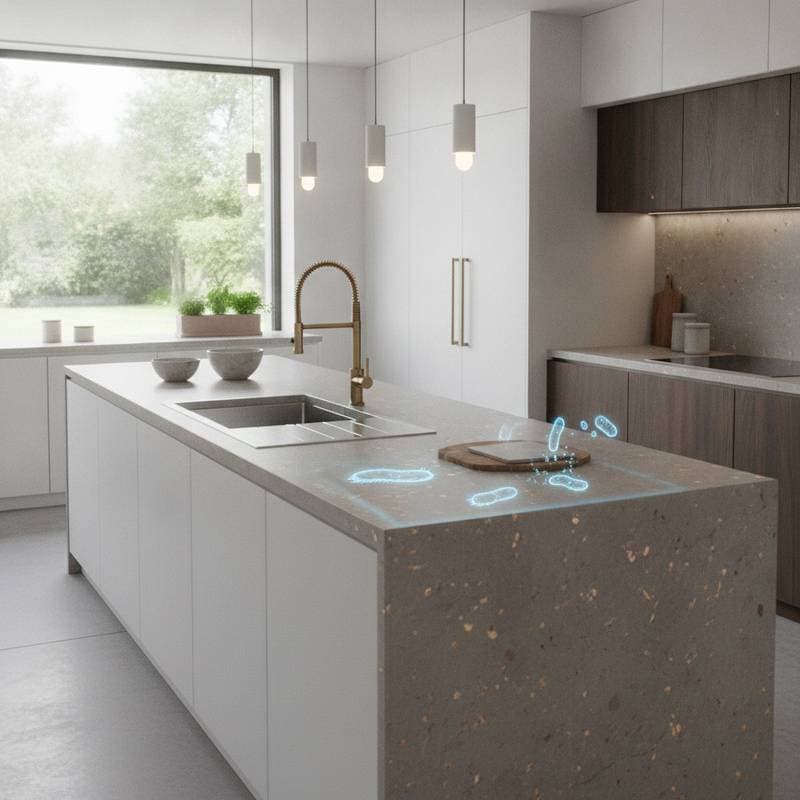
Visual harmony between induction surfaces and surrounding materials sets the kitchen mood. Black ceramic glass with warm walnut and brushed brass creates understated elegance. White units in pale terrazzo counters feel fresh and airy.
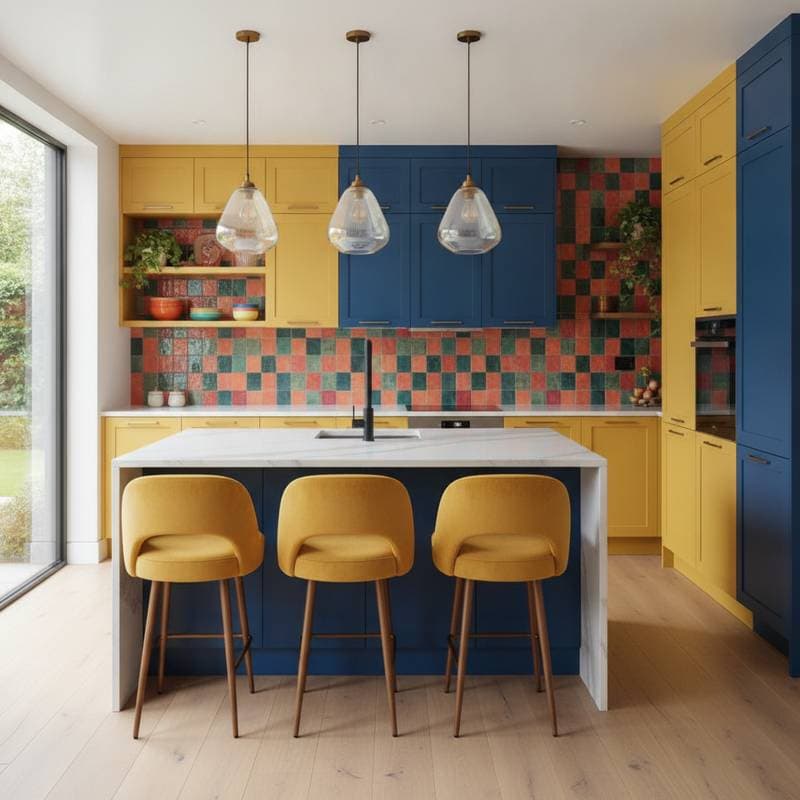
Designers experiment with contrast as well. Dark graphite induction glass paired with hand finished clay tiles in sage green creates a tactile dialogue between modern and traditional elements.
Creating Social Islands
The kitchen island serves as a center of gravity in modern homes. Induction technology makes it more dynamic for entertaining. Guests gather around the island while cooking happens safely at the center. The lack of open flame keeps air clear and supports closer interaction.
Architects integrate induction cooktops within expansive stone islands. They describe them as instruments for conversation. The cook faces guests while preparing food and reinforces the social rhythm of the home.
Embracing Quiet Performance
Induction zones reflect a trend that values discretion and craftsmanship. Smooth surfaces, gentle operation, and precise control create calm precision. Concealed ventilation systems make the cooking process nearly silent.
This performance appeals to those who view the kitchen as both laboratory and sanctuary. Technology recedes and leaves the pleasure of form, material, and movement.
Planning Adaptable Kitchens
Energy efficiency, sustainability, and flexibility now guide interior design. Induction zones offer a long term solution because they consume less energy and integrate with renewable systems. Their aesthetic neutrality and technical sophistication allow graceful aging in both compact apartments and expansive family kitchens.