Top 2026 Universal Bathroom Trends for Aging in Place
Universal bathrooms designed for aging in place now prioritize safety, comfort, and aesthetic appeal. These spaces move beyond clinical functionality to incorporate spa-inspired elements and intelligent features. Adaptable layouts ensure usability for individuals of varying ages and mobility levels, whether through a complete renovation or targeted updates.
Adaptable Luxury Fixtures
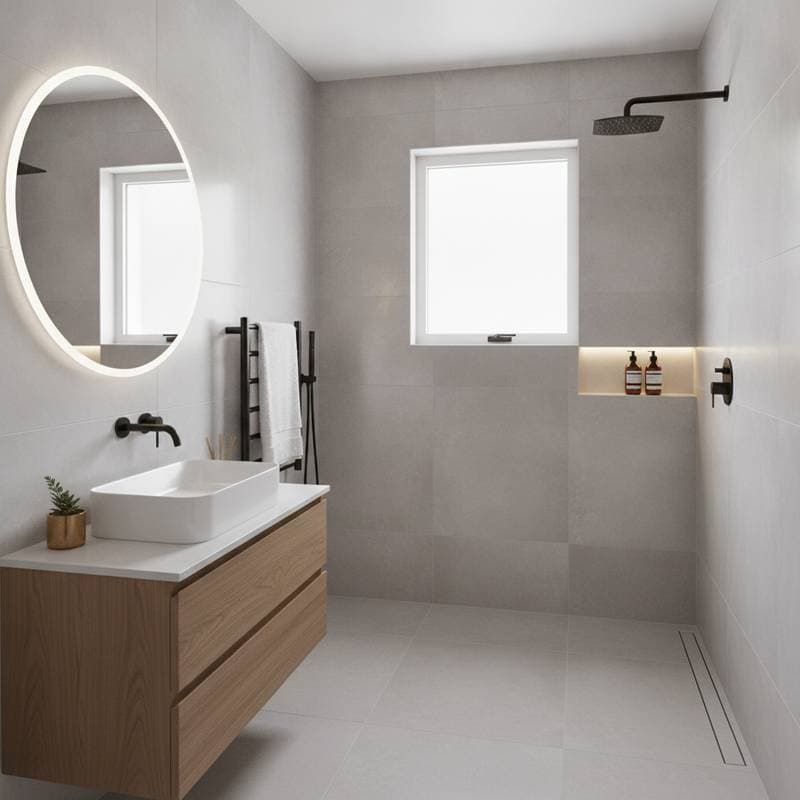
Modular elements form the foundation of adaptable universal bathrooms. A floating vanity, for example, can be positioned at 34 inches from the floor for wheelchair accessibility and later raised to 36 inches for standing users. Adjustable-height sinks and counters similarly accommodate diverse needs without altering the overall design.
For cost-conscious projects, install a floating shelf system as a vanity substitute. Incorporate storage baskets beneath the shelf for organization, allowing reconfiguration as requirements change. This approach delivers flexible functionality across different budgets.
Seamless Zero-Threshold Showers
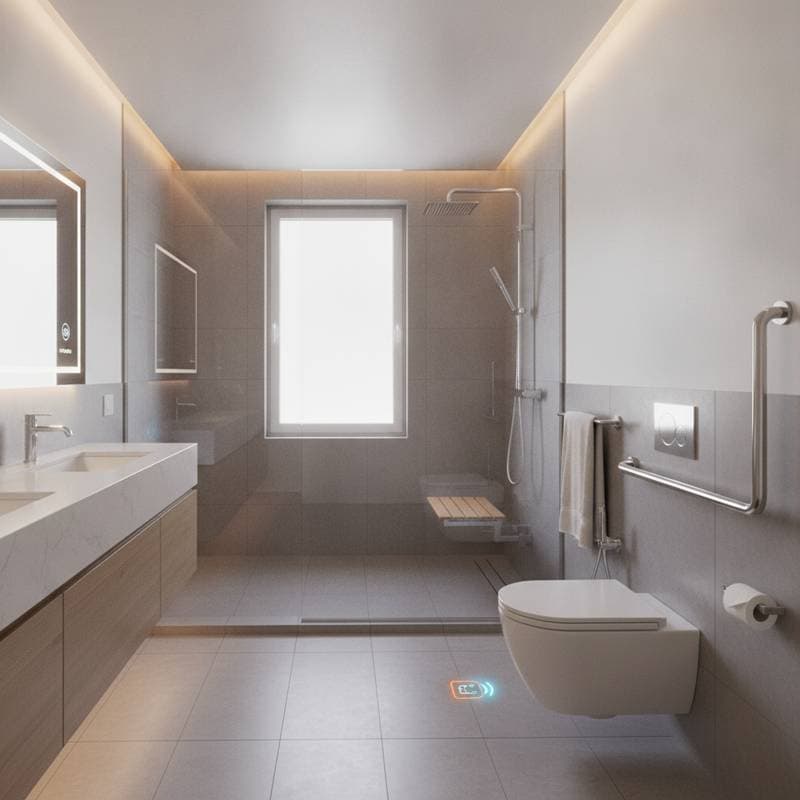
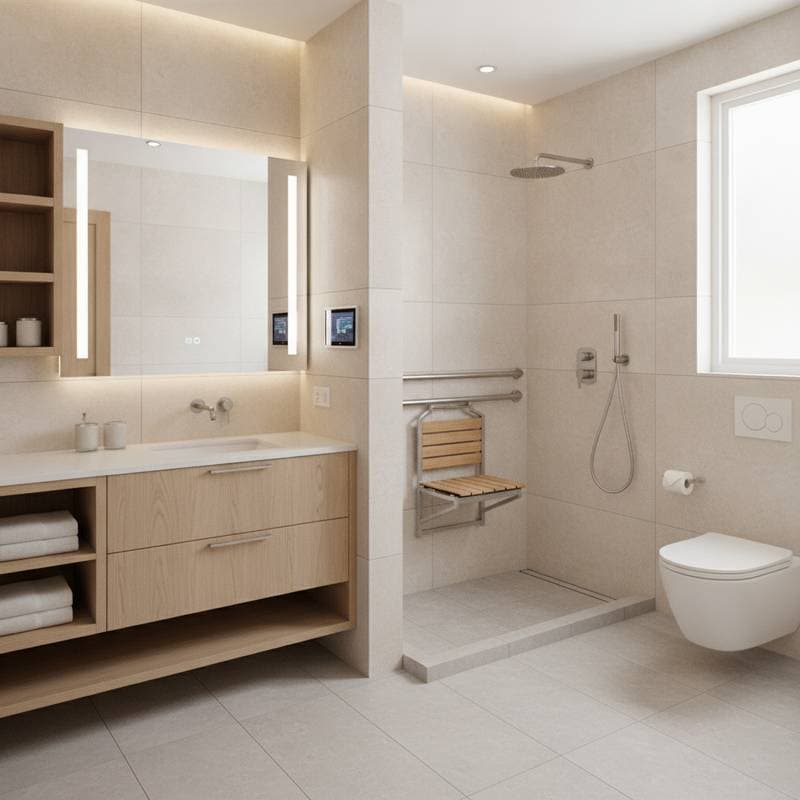
Zero-threshold showers facilitate easy access by removing entry barriers, a standard in contemporary universal design. These installations provide a flush transition from the bathroom floor, enhancing safety and visual continuity. Large-format porcelain tiles minimize grout lines for a streamlined appearance.
Select tiles with a slip-resistant surface to maintain traction in wet areas. For simpler installations, opt for prefabricated shower pans that align with the floor level. Such options deliver an elegant, barrier-free experience at a reasonable cost.
Layered Smart Lighting Solutions
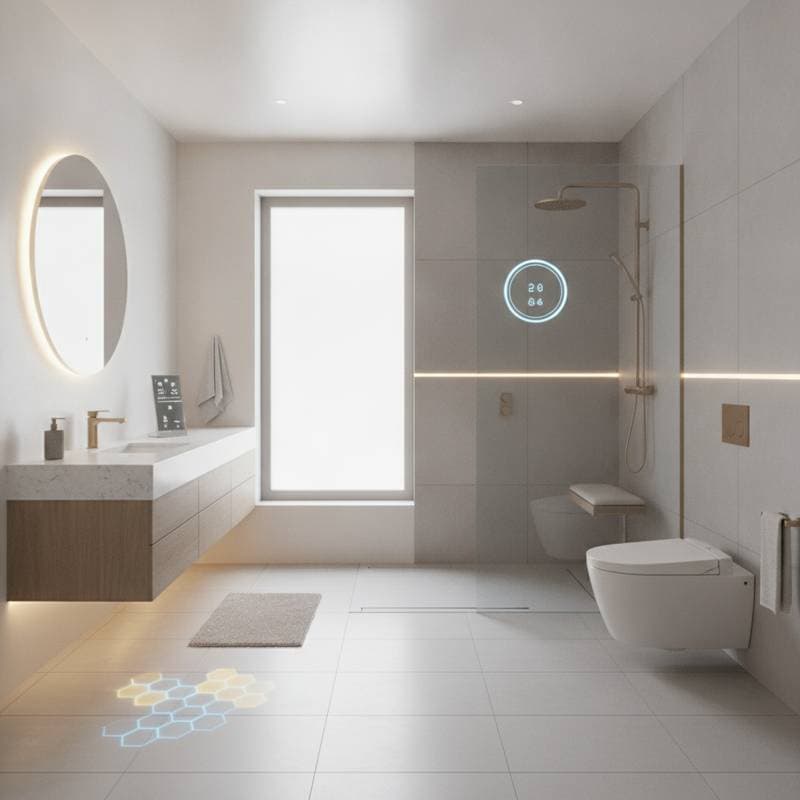
Effective lighting enhances safety, visibility, and ambiance in universal bathrooms. Implement layered systems that include overhead ambient lights, focused task illumination at mirrors, and low-level pathway lighting along baseboards. Motion-activated sensors ensure lights activate upon entry, reducing the risk of falls during nighttime use.
LED strips installed under vanities or cabinets offer a gentle, energy-efficient glow. Advanced systems with tunable white LEDs adjust from cool daylight settings to warm tones, supporting circadian rhythms. These features promote both practicality and well-being.
Advanced Slip-Resistant Flooring
Modern slip-resistant flooring combines durability with sophisticated aesthetics. Porcelain tiles featuring micro-textured surfaces provide grip without visible roughness, ideal for shower surrounds and floors. Vinyl planks or sheets replicate natural stone or wood grains while offering inherent anti-slip properties.
These materials resist moisture and simplify maintenance. Complement the flooring with bath mats secured by non-slip backing for added security. This combination ensures a safe, attractive surface suitable for high-traffic areas.
Ergonomic Comfort-Height Fixtures
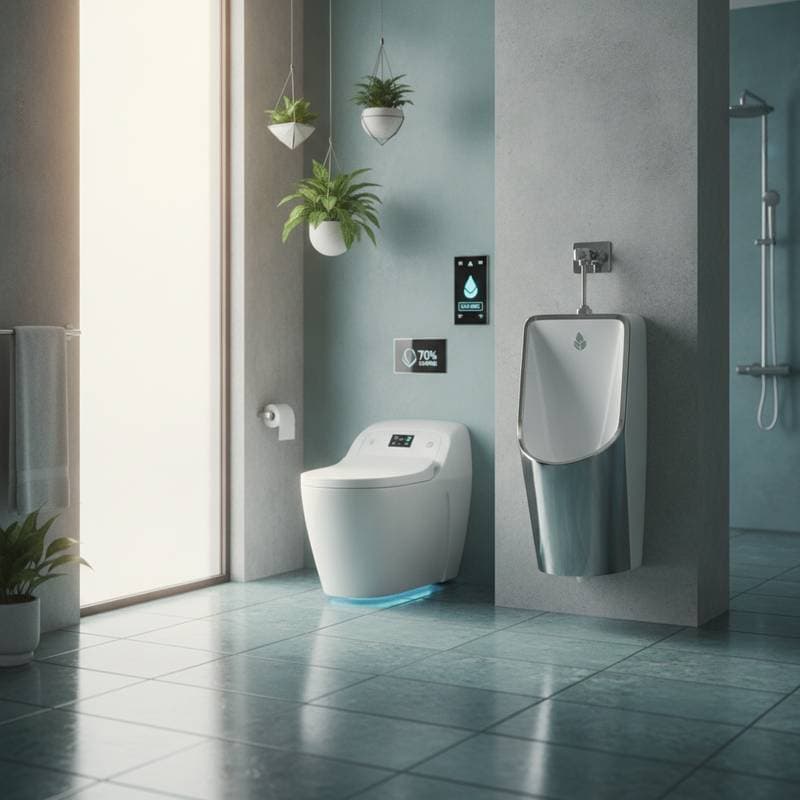
Comfort-height fixtures address physical comfort and accessibility. Toilets elevated to 17-19 inches reduce bending strain, with one-piece skirted designs that facilitate cleaning and feature elongated bowls for extended support. Wall-mounted sinks at adjustable heights create open space beneath for mobility aids.
Retrofit existing setups by installing angled drain pipes and shallow basins to increase under-sink clearance. These modifications improve usability while preserving a contemporary look. Such fixtures benefit users across generations.
Integrated Grab Bars
Contemporary grab bars integrate seamlessly into bathroom aesthetics, serving dual purposes as towel holders or shelves. Available in finishes such as matte black or brushed nickel, they enhance both safety and decor. Position bars at 33-36 inches high for optimal support near toilets and showers.
Temporary suction-mounted models support up to 250 pounds and suit rental properties or trial installations. Verify load ratings before use to ensure reliability. This versatility allows for safe adaptations without permanent alterations.
Touch-Free and Voice-Activated Technology
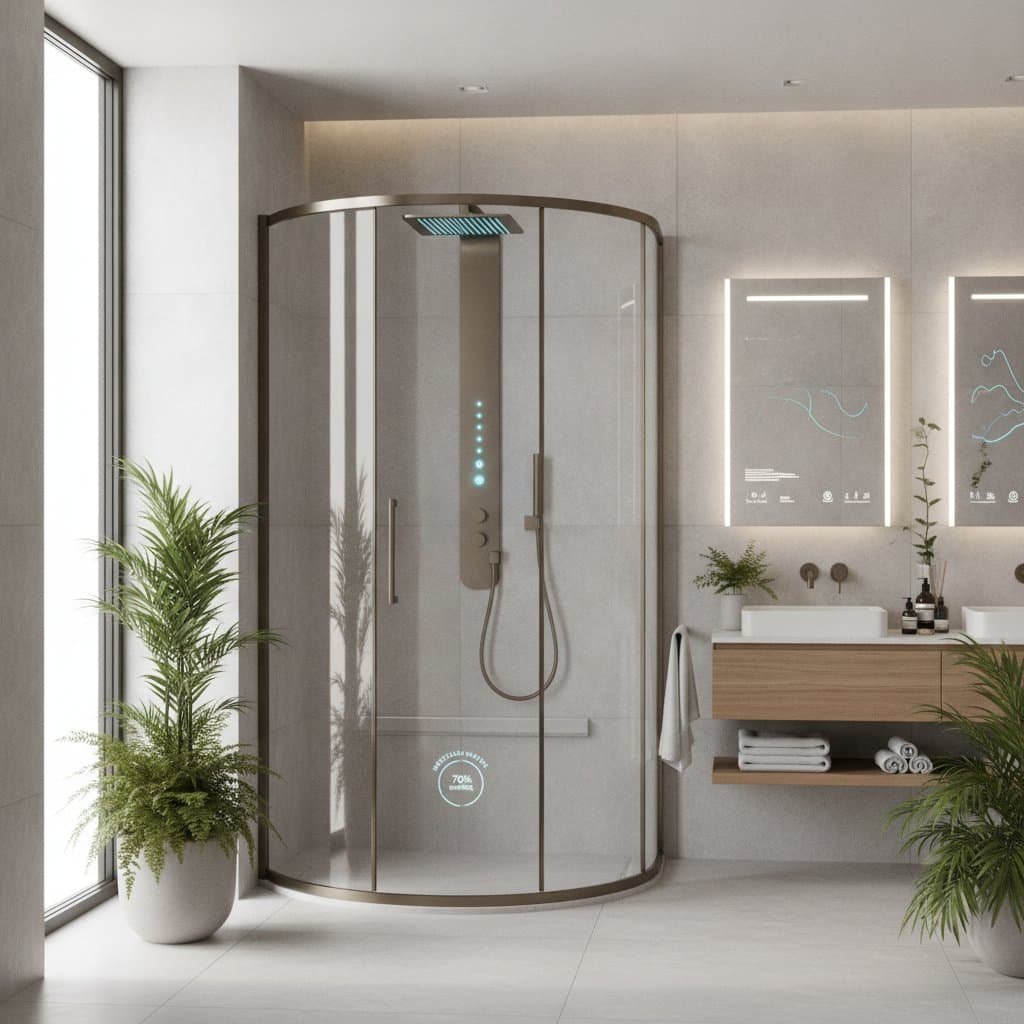
Smart technology streamlines bathroom interactions and promotes hygiene. Voice-controlled faucets respond to commands for hands-free operation, while mirrors with integrated controls manage lighting and display information. Automated toilets adjust water temperature and seat height based on user preferences.
Entry-level options include motion-sensor faucets that conserve water and minimize contact. Mid-tier smart mirrors connect to home systems for reminders or entertainment. These innovations simplify routines for all household members.
Elements of Warmth and Wellness
Incorporating warmth elevates the bathroom into a wellness sanctuary. Radiant floor heating systems distribute even temperatures, improving energy efficiency and comfort during colder months. Towel warmers and heated seats provide immediate coziness at lower installation costs.
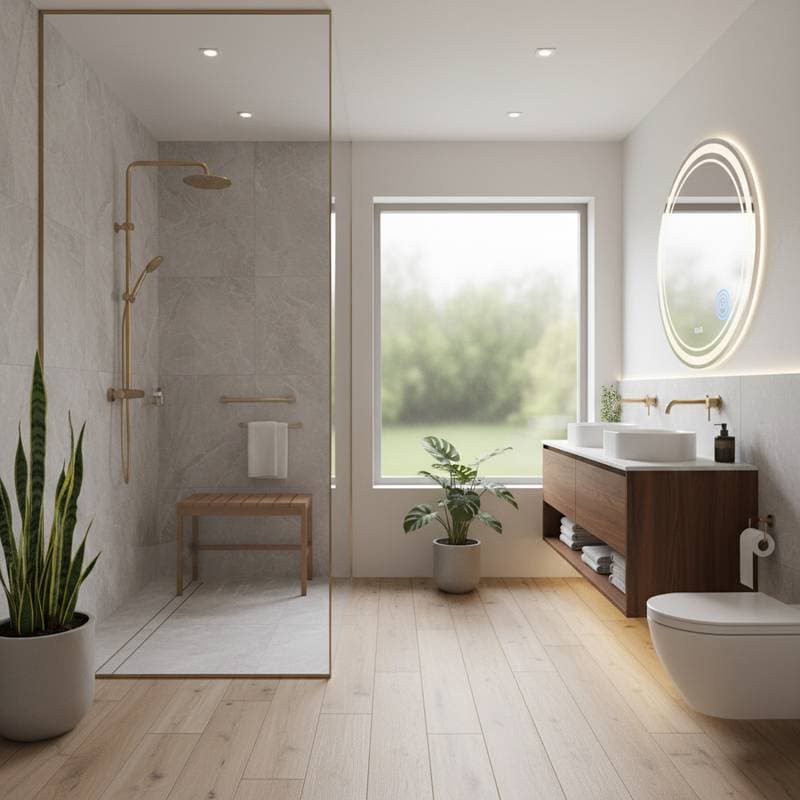
Enhance the experience with teak shower benches for seated bathing or aromatherapy diffusers in ventilation systems. These details foster relaxation and support physical ease. Balanced water fixtures maintain consistent temperatures to prevent scalding.
Optimized Pathways and Storage
Clear circulation supports independent movement. Designate a minimum 60-inch turning radius for wheelchairs and maintain unobstructed pathways at least 36 inches wide. Recessed shower niches and pull-out vanities keep essentials within reach without clutter.
For flexible storage, use rolling carts with divided compartments for toiletries. Install wall-mounted cabinets with touch-latch mechanisms to preserve floor space. These solutions ensure accessibility while upholding a tidy appearance.
Strategic Color and Contrast
Color choices aid visibility and define spatial boundaries. High-contrast pairings, such as a dark cabinet against a light wall, highlight edges for users with low vision. Neutral bases in soft grays or beiges allow accents in calming blues or earth tones.
Apply peel-and-stick tiles for backsplashes to introduce subtle patterns. Paint cabinet interiors in contrasting shades for improved item location. This functional palette enhances safety alongside visual appeal.
Inclusive Multi-Generational Design
Universal design accommodates diverse family needs, from children to seniors. Handheld showerheads with adjustable extensions serve multiple heights, while lever handles replace knobs for easier operation. Wider doorways, at least 32 inches, and pocket doors maximize entry flow.
Flexible shelving units adjust to store items at varying levels. These elements create an equitable space that evolves with household changes. Thoughtful planning yields long-term usability.
Insights from Professional Transformations
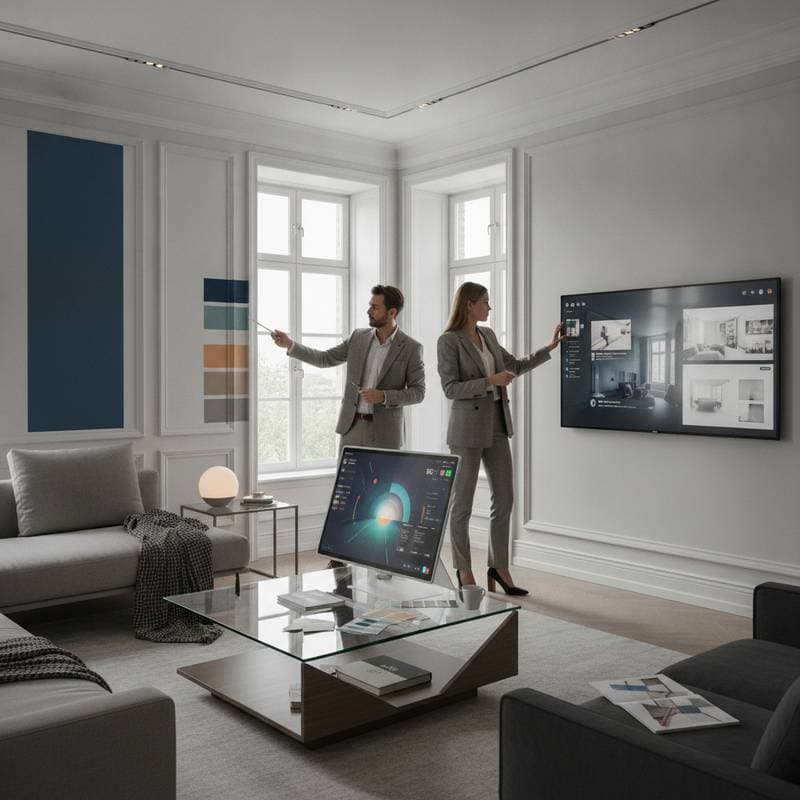
Professional design projects reveal practical strategies for universal bathrooms. Clean lines and reflective surfaces, like glossy panels, amplify light and space perception. Textured accent walls add depth without overwhelming the layout.
These techniques balance visual impact with durability, suitable for both on-screen appeal and daily use. Apply similar principles to personal renovations for enduring results.
Sustaining Design Benefits
Universal bathrooms empower independent living through adaptive, stylish features. They foster confidence by addressing potential challenges proactively. Regular assessments allow ongoing refinements to match life stages.
Focus on durable materials and intuitive layouts to maximize longevity. These investments create a supportive environment that enhances quality of life for years to come.