Gas Bans Ignite the Induction Cooking Revolution
Gas bans implemented in numerous regions have catalyzed a significant shift toward induction cooking. This change addresses longstanding concerns about energy use and indoor air quality while introducing advanced technology to everyday kitchens. Homeowners and designers alike now have access to options that prioritize precision, safety, and visual harmony.
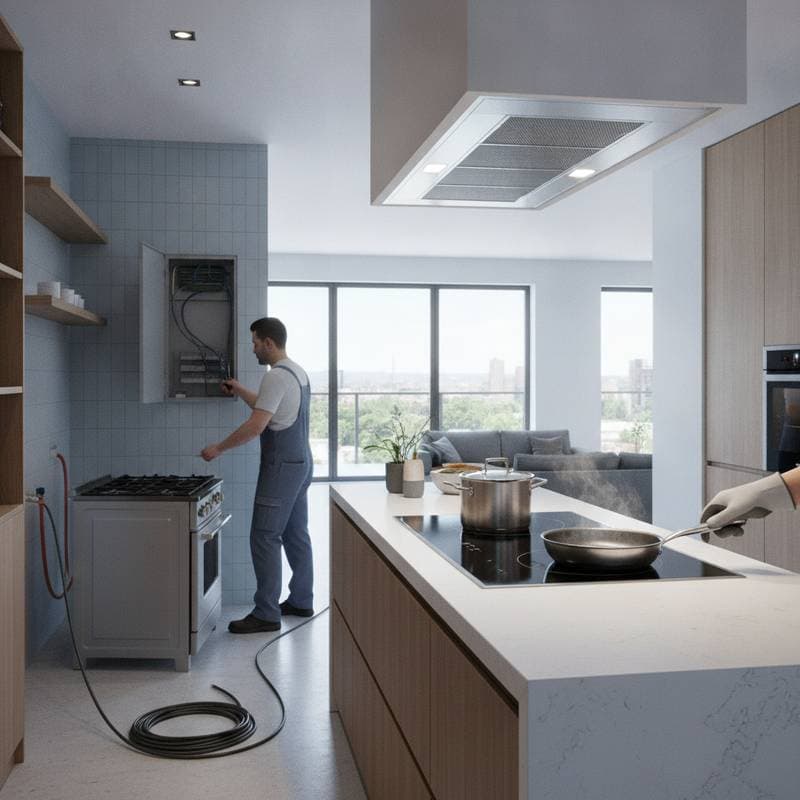
Induction cooking heats cookware directly through electromagnetic fields, eliminating the need for open flames or gas lines. This method not only reduces cooking times but also minimizes energy waste. As regulations evolve, more households discover the practical benefits of integrating this technology into their spaces.
Induction Cooking for Diverse Kitchen Styles
Induction cooktops adapt seamlessly to various living environments, from urban apartments to expansive suburban homes. Their smooth glass surfaces complement contemporary minimalism as well as classic aesthetics. A wide array of models, available in different finishes and price points, ensures compatibility with individual preferences and financial considerations.
Luxury Remodel Applications
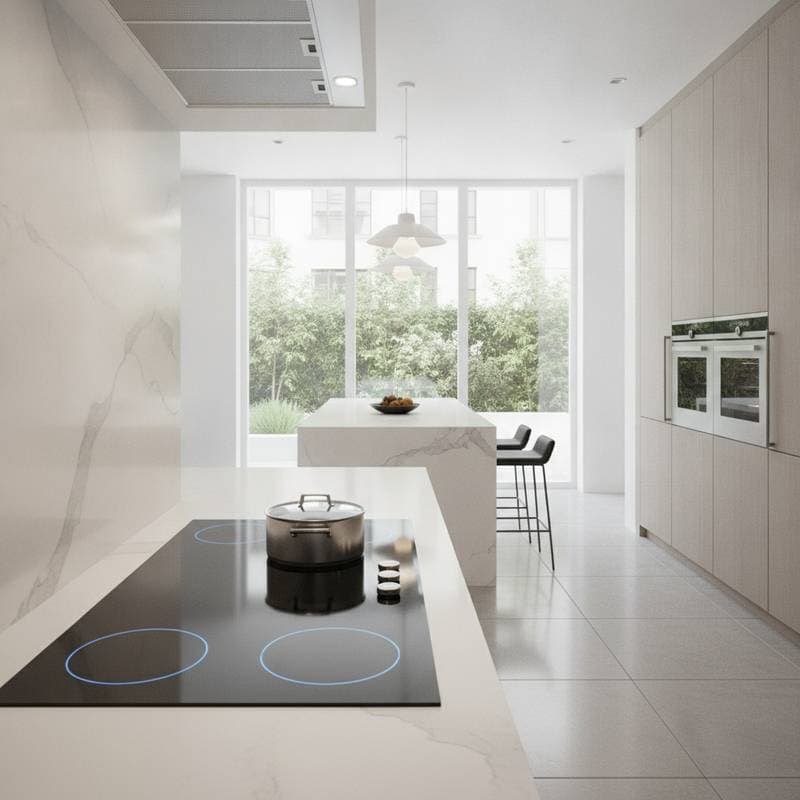
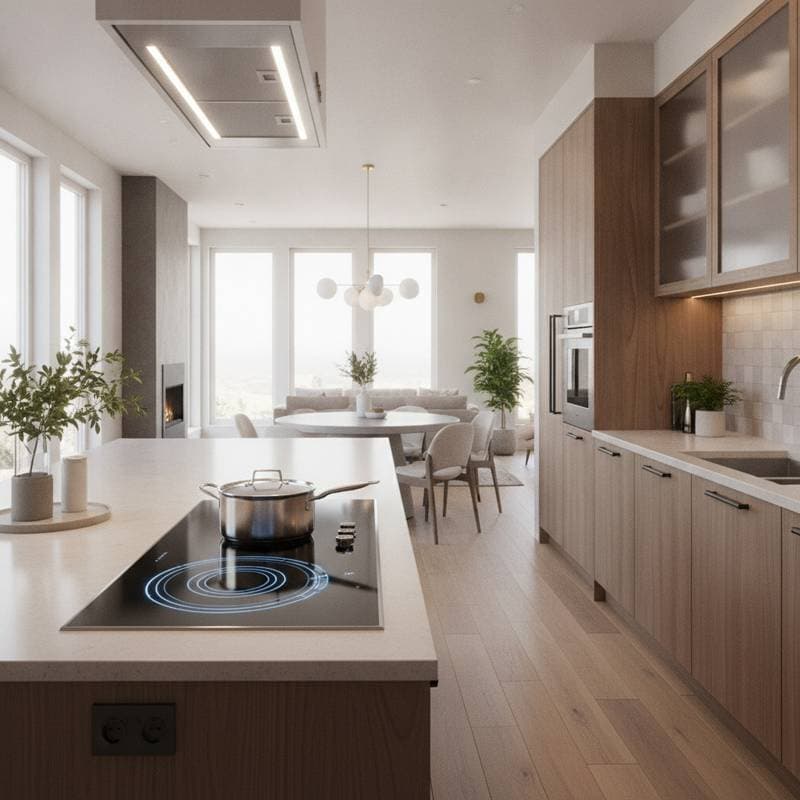
In comprehensive kitchen renovations, built-in induction cooktops provide an uninterrupted countertop expanse. Pair these with downdraft ventilation systems or concealed hoods to maintain a streamlined appearance. Leading brands such as Bosch, Miele, and Thermador feature units equipped with intelligent sensors that regulate temperatures automatically. Prices for these high-end models generally fall between $2,000 and $4,000, delivering exceptional accuracy for discerning cooks.
Mid-Range Kitchen Updates
For targeted refreshes, freestanding induction ranges offer reliable performance without extensive modifications. Manufacturers like GE, Samsung, and LG produce units priced from $1,000 to $2,000. These appliances accelerate boiling and searing processes while facilitating straightforward maintenance; the flat surface cleans easily with minimal effort.
Budget and Compact Solutions
Even limited budgets accommodate the induction shift through portable single-burner units, which cost less than $100. These devices suit renters or those with constrained spaces, as they connect to standard outlets and store compactly. Such options perform effectively for everyday tasks, enabling quick preparation in versatile settings.
Design Innovations Enabled by Induction
Induction technology unlocks new possibilities in kitchen layout and aesthetics, surpassing the limitations of traditional gas systems. Without protruding grates or mandatory overhead vents, surfaces remain open and adaptable.
Achieving Seamless Integration
A flush-mounted induction cooktop creates a continuous countertop flow, enhancing the perception of custom craftsmanship. This installation yields a polished, upscale finish that elevates overall room dynamics.
Supporting Flexible Configurations
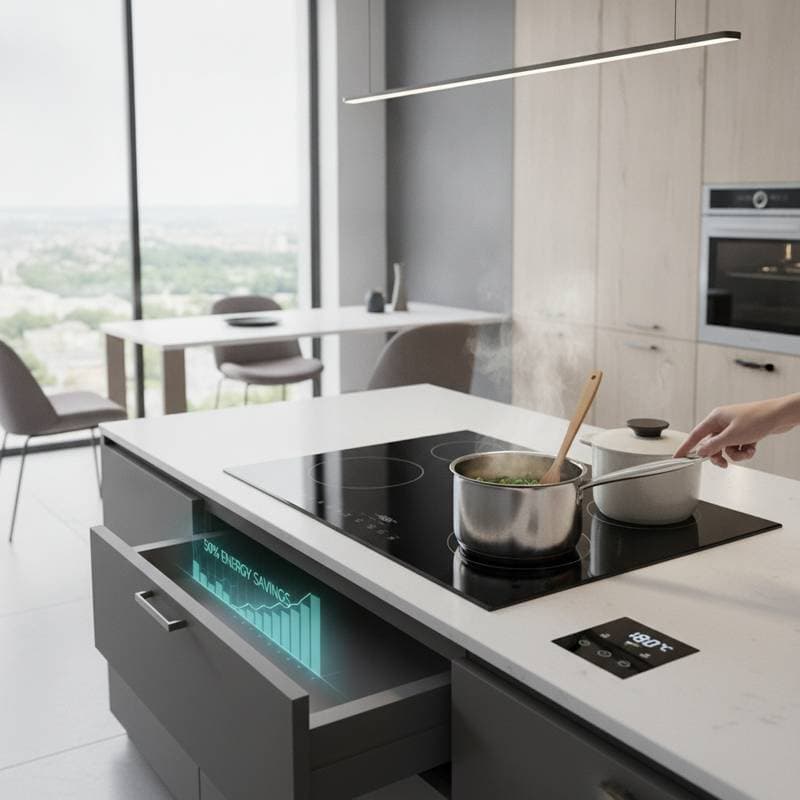
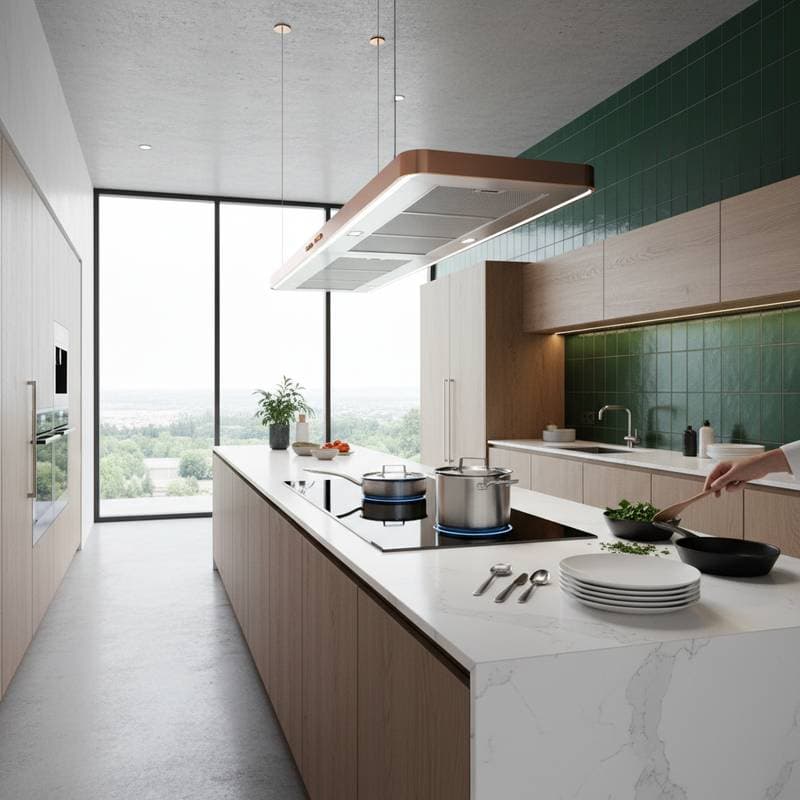
The absence of flames and simplified ventilation requirements allows placement in unconventional locations, such as central islands or portable stations. This versatility proves advantageous in open-plan areas or multifunctional rooms, fostering creative spatial arrangements.
Maximizing Usable Surface Area
Inactive induction surfaces double as additional workspace for food preparation or serving. This feature contrasts sharply with gas setups, where burners disrupt usability. The result is a multifunctional zone that supports both cooking and entertaining needs.
Addressing Common Misconceptions
Misinformation persists regarding induction cooking, yet factual clarification reveals its broad appeal.
-
Induction suits only expert chefs. In reality, its intuitive controls accommodate novice and experienced users alike, managing low-temperature simmering as adeptly as intense browning.
-
Induction remains prohibitively costly. Market evolution has lowered prices significantly; portable models start below $100, and complete ranges begin under $1,000.
-
Existing cookware proves incompatible. Numerous standard pots and pans function adequately, with magnetic adapters available for non-ferrous items.
-
Induction forfeits the responsiveness of gas. On the contrary, it offers instantaneous adjustments, heating and cooling more rapidly than flame-based methods.
Enhancing Daily Cooking Experiences
Induction transforms routine meal preparation through quiet operation and precise heat distribution. Without flames, risks of burns or ignition diminish, and spills clean effortlessly without residue buildup. Families benefit from this safer environment, particularly during hurried routines.
Boiling occurs swiftly, sauces develop uniform textures, and vegetables retain vibrancy in stir-fries. Deactivation halts heating immediately, preventing overcooking. This level of command mirrors professional setups, making home cooking more efficient and enjoyable.
Visibility improves without distracting flames, allowing clear observation of ingredients. Consistency across the surface ensures dependable results, appealing to enthusiasts inspired by culinary media.
Opportunities for Design Professionals
Professionals in design and renovation fields encounter increasing client interest in gas-free alternatives. Induction aligns with sustainability goals, often qualifying for rebates that offset installation costs. This trend encourages exploration of eco-conscious materials and layouts.
Manufacturers and innovators find potential in developing induction-compatible accessories, from specialized cookware to resilient surface integrations. Collaboration on these advancements positions businesses to meet rising demand for durable, attractive solutions.
Embracing the Benefits of Induction Integration
Adopting induction redefines kitchen functionality, yielding cleaner air, expedited routines, and refined aesthetics. Beyond regulatory drivers, this technology empowers thoughtful design choices that enhance daily life. Homeowners gain environments that balance performance with enduring style.