AI Generates Efficient Kitchen Layouts Quickly
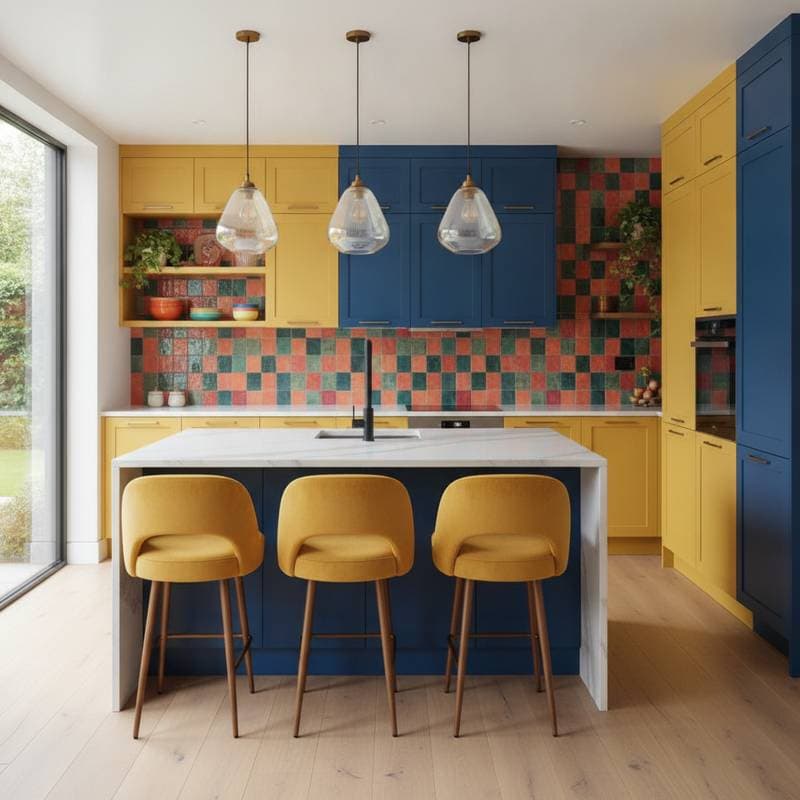
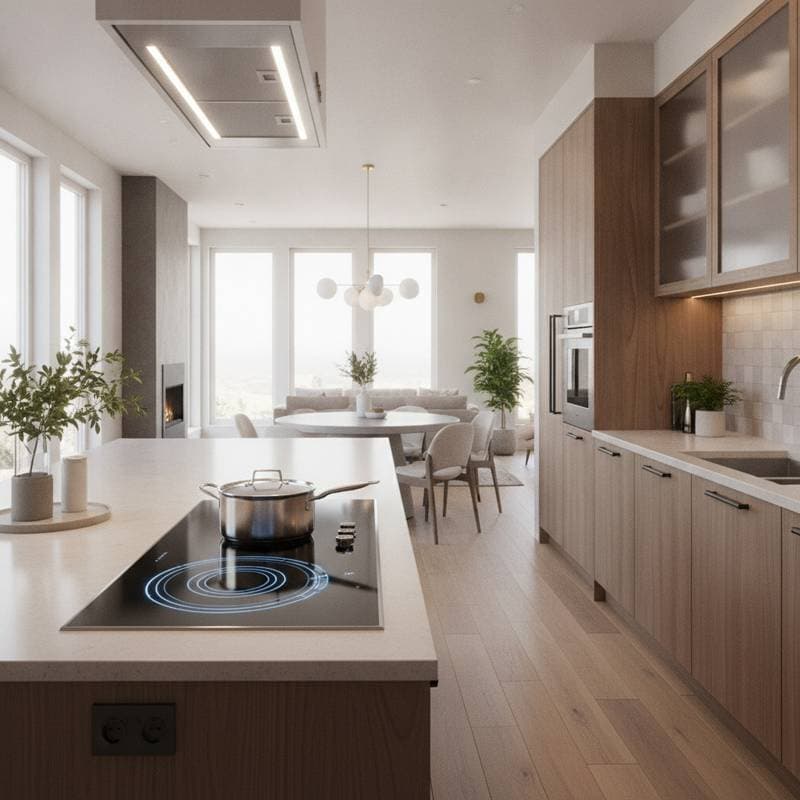
Artificial intelligence reshapes kitchen design by simplifying the creation of functional spaces. Users input room measurements and preferences to receive optimized suggestions that balance style and utility. This approach eliminates prolonged planning and high costs associated with traditional methods.
How AI Kitchen Layout Software Functions
AI software streamlines the design process through interactive features. It processes dimensions, lifestyle needs, and spatial constraints to propose layouts that enhance workflow and accessibility. Real-time adjustments allow exploration of configurations such as islands or peninsulas without physical mockups.
These tools accommodate diverse spaces, from small urban kitchens to expansive family areas. They evaluate elements like door swings and cabinet placements to prevent common errors. As a result, users gain reliable visualizations that inform confident decisions.
Integrating Professional Design Principles
Professionals in high-pressure environments, such as television production, prioritize precision and speed. AI tools mirror this by incorporating standards like the work triangle, which positions sink, stove, and refrigerator for efficiency. Additional considerations include natural lighting and ergonomic heights.
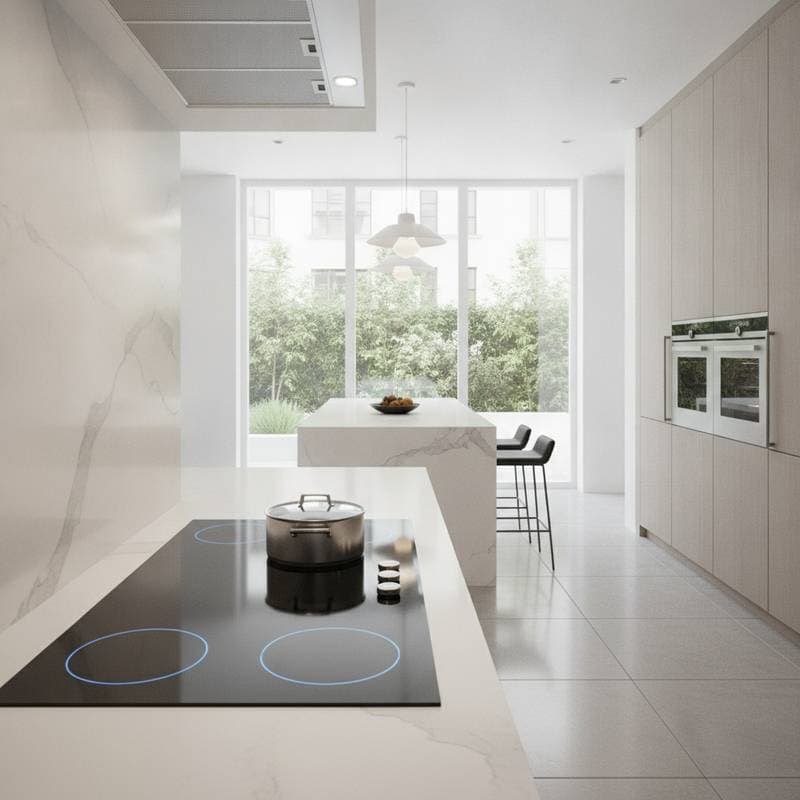
The software presents variations, including L-shaped, U-shaped, or linear setups, for direct comparison. This method delivers expert insights at no additional cost, making advanced planning available to all. Homeowners and designers alike benefit from reduced iteration time.
Tailoring Designs to Budget Levels
AI enables high-quality results across financial ranges by offering scalable features.
- Entry-Level Budget (Under $100): Free platforms provide basic 2D layouts and simple visualizations. Pair these with affordable updates like paint or hardware swaps for noticeable improvements.
- Moderate Budget ($100 to $1,000): Access premium options with 3D models and material simulations. Experiment with surfaces and fixtures to align purchases with the design.
- Premium Budget (Over $1,000): Integrate AI outputs with architectural plans for comprehensive projects. This coordination minimizes errors during construction or remodeling.
Such flexibility democratizes design, allowing personalization without proportional expenses.
Applying Lessons from Fast-Paced Design Environments
In television settings, transformations occur under strict timelines, demanding flawless execution. AI replicates this reliability for residential use by generating adaptable plans. It adapts to user inputs, refining suggestions based on evolving priorities.
The outcome is a kitchen suited to daily routines, whether for casual meals or social events. Balanced proportions ensure visual appeal and practical use, much like polished on-screen results.
Enhancing Creativity Through AI Suggestions
AI serves as a catalyst for innovation rather than a replacement for imagination. It offers diverse concepts, such as relocating appliances for better views or incorporating unique storage solutions. Instant previews facilitate iterative refinements.
Style explorations range from rustic elements like exposed beams to sleek integrations of technology. Users iterate on colors, textures, and layouts to achieve harmony. This interactive process fosters original ideas grounded in feasibility.
Opportunities for Professionals and Businesses
Design firms leverage AI to accelerate client interactions and project delivery. Visual presentations of options expedite approvals and cut down on modifications. Efficiency translates to higher throughput and client satisfaction.
Retailers integrate these tools with inventory systems, enabling seamless transitions from design to procurement. Customers select from available products, streamlining the path to completion. This synergy boosts sales while enhancing user experience.
Strategies to Optimize AI Kitchen Design Use
To maximize effectiveness, follow these structured approaches:
- Verify Measurements: Confirm all dimensions with precise tools to ensure accurate simulations.
- Identify Key Needs: Specify focuses such as meal preparation areas or guest seating to guide outputs.
- Test Variations: Generate and evaluate several designs, adjusting elements like cabinet depths or lighting positions.
- Leverage 3D Views: Render scenes with selected materials to assess realism and ambiance.
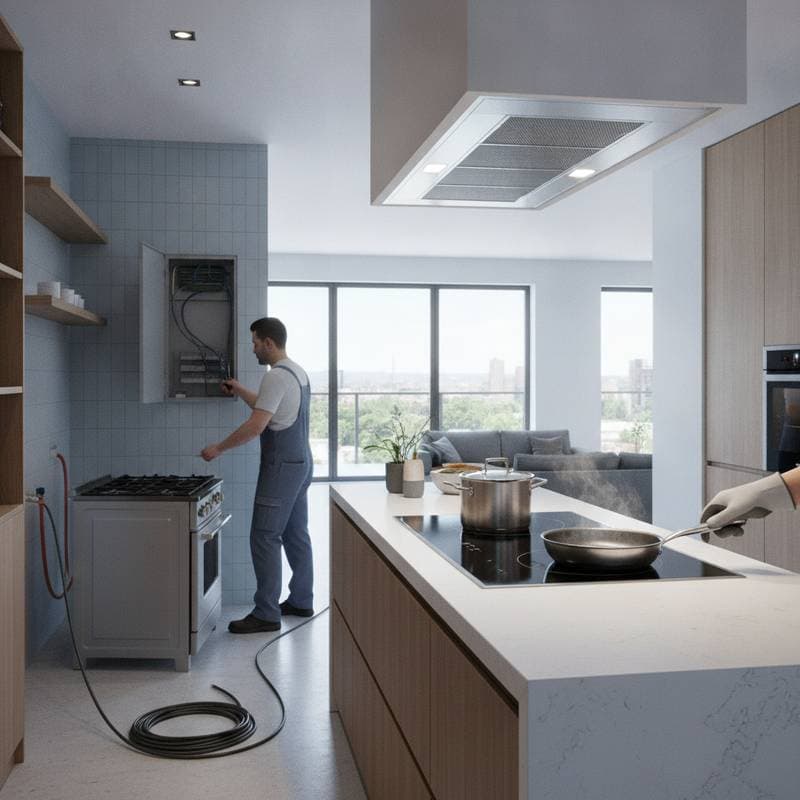
- Incorporate Practical Features: Account for outlets, ventilation, and maintenance in the planning phase.
These practices bridge digital concepts to tangible implementations.
Realizing the Benefits in Daily Use
A well-designed kitchen elevates routine activities through thoughtful organization. Efficient zones reduce movement during tasks, while ample storage maintains order. Even modest spaces feel expansive with strategic arrangements.
For social occasions, the layout supports interaction without congestion. Family operations benefit from intuitive setups that simplify preparation and tidying. Ultimately, the design aligns with individual lifestyles for sustained enjoyment.
Steps to Launch Your Kitchen Project
Begin by gathering space details and defining aesthetic goals. Utilize AI tools to develop initial concepts, then refine based on simulations. This methodical progression yields a cohesive result that combines technology with personal vision.
Accessible innovation ensures that superior design reaches broader audiences. Engage with these resources to build a kitchen that enhances both form and function.