Future-Proof Your Kitchen: Transition from Gas to Induction
Consider your current kitchen setup. If a gas cooktop dominates the space, evaluate whether an upgrade aligns with modern needs. Homeowners increasingly abandon gas in favor of induction due to its efficiency, safety features, and positive impact on indoor air quality.
Gas stoves dominated kitchens for years, yet emerging concerns prompt a shift. Induction emerges as a reliable alternative for remodels or routine appliance replacements. This guide details induction mechanics, comparative benefits, and practical considerations for costs, installation, and performance.
Reasons Homeowners Abandon Gas Stoves
Gas stoves offer visual appeal through open flames, but they introduce significant risks. Combustion produces carbon monoxide, nitrogen dioxide, and particulate matter that compromise indoor environments. Research indicates that frequent use elevates pollutant levels, posing challenges for individuals with respiratory conditions, allergies, or young family members.
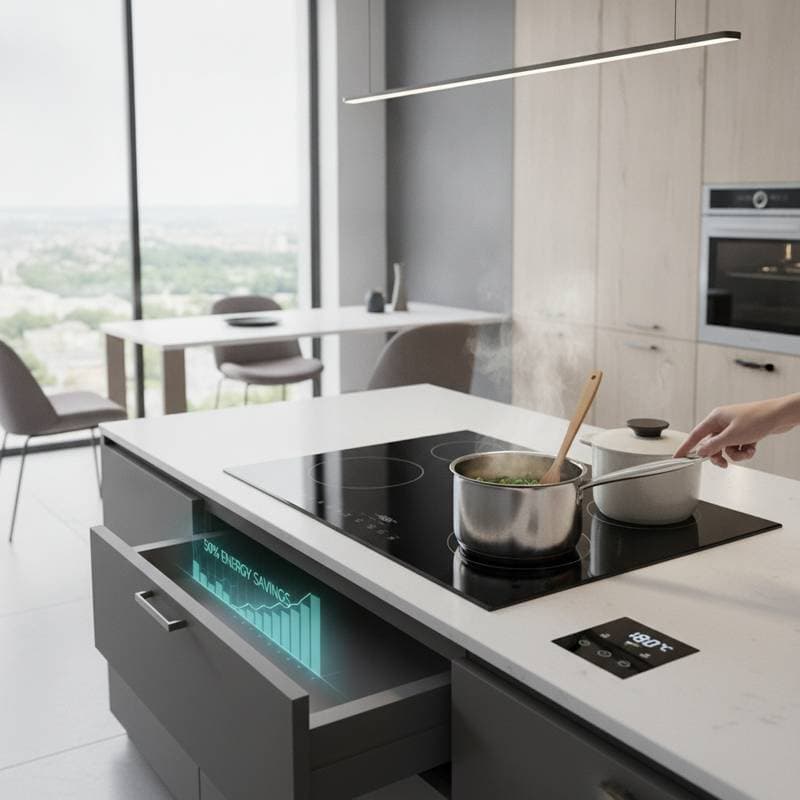
Energy inefficiency compounds these issues. Gas flames lose substantial heat to the surrounding air rather than directing it into cookware. Induction technology addresses this by generating magnetic fields that heat pots and pans directly from electrical energy. Consequently, cooking occurs more rapidly, kitchens remain cooler, and overall energy use decreases.
Mechanics of Induction Cooking
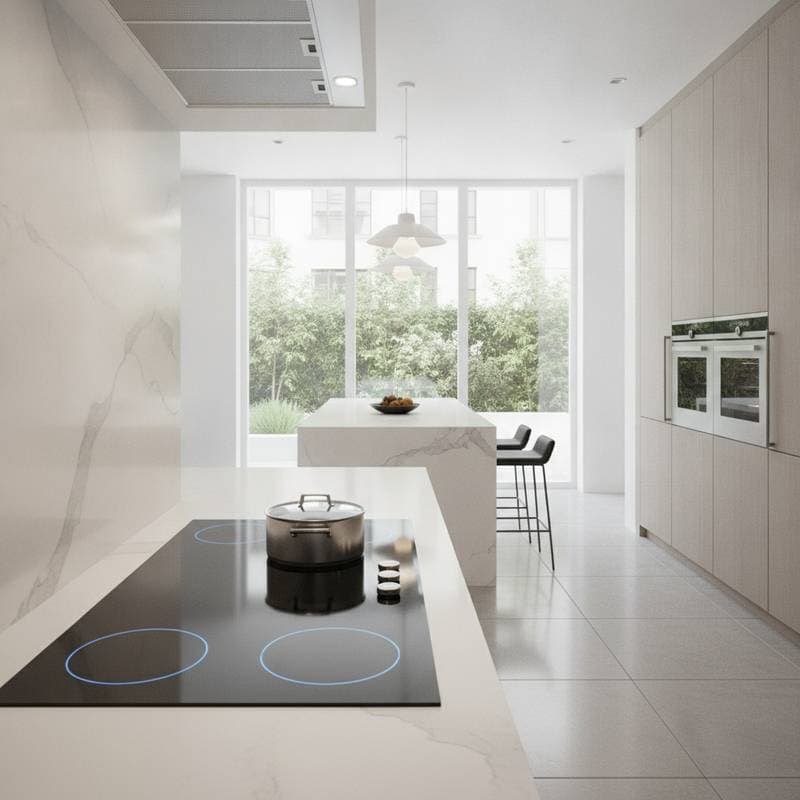
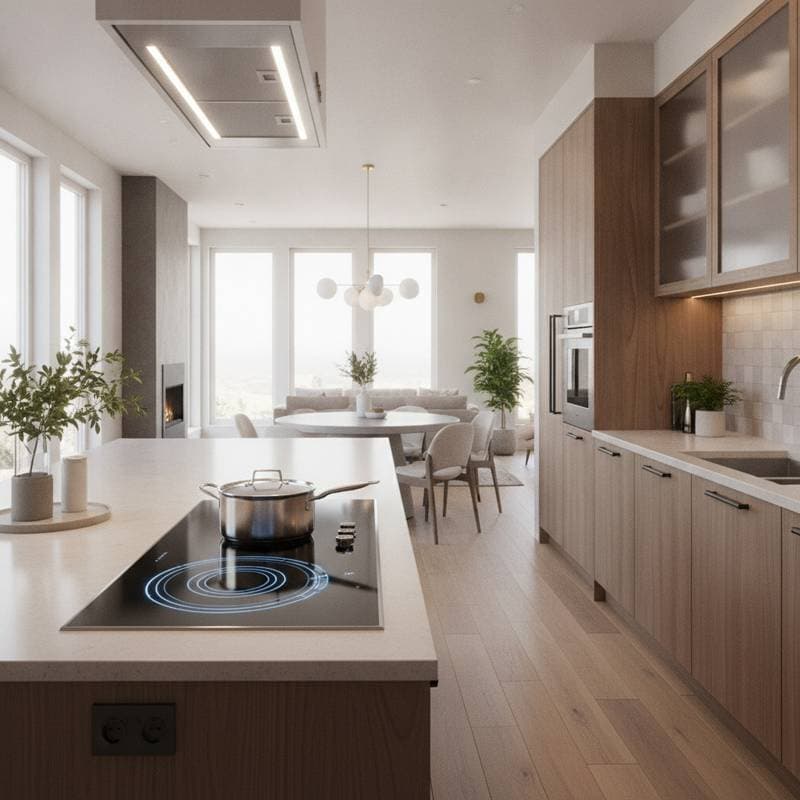
Induction cooktops employ electromagnetic induction to target cookware precisely. Beneath the glass surface, coils create alternating magnetic fields that induce heat in the metal base of pots or pans. The cooktop itself generates minimal warmth, allowing safe operation even with protective barriers in place.
Key benefits include:
- Rapid Heating: Water reaches a boil up to twice as quickly as on gas.
- High Efficiency: Approximately 85 to 90 percent of energy transfers directly to the food.
- Precise Control: Adjustments to heat levels respond immediately for consistent results.
- Enhanced Safety: Absence of flames eliminates burn risks, and surfaces cool rapidly after use.
- Simplified Maintenance: Spills wipe away easily from the smooth glass without hardening.
These attributes position induction as the standard in contemporary kitchen designs.
Steps to Switch from Gas to Induction
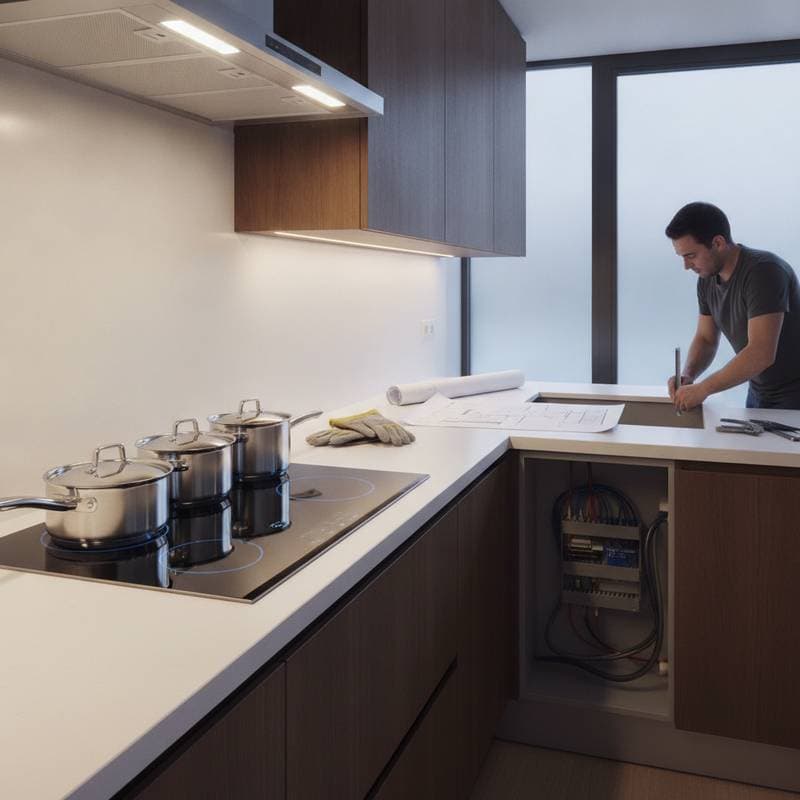
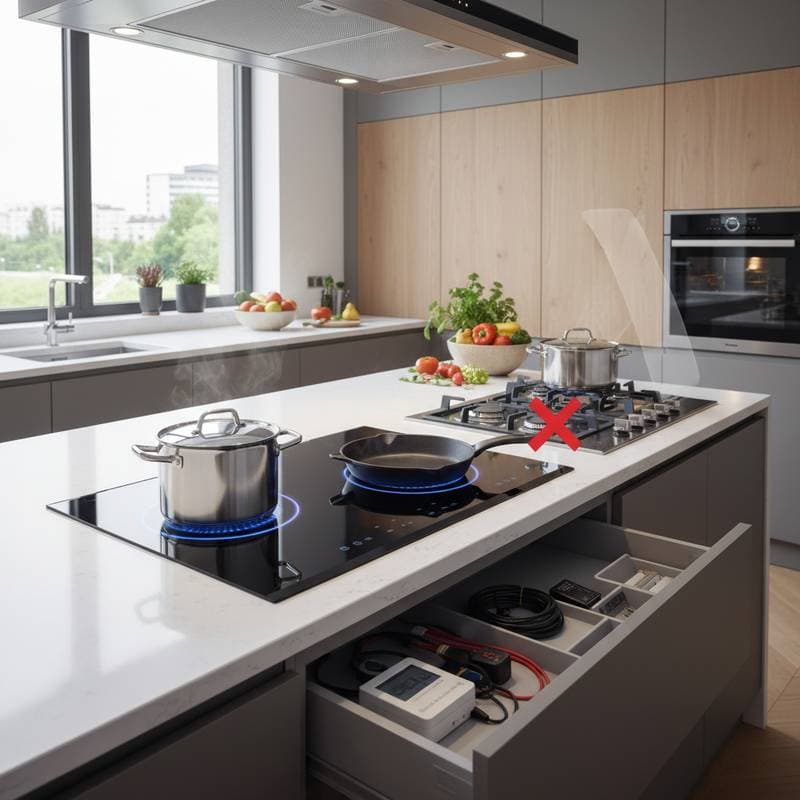
Transitioning requires more than appliance replacement; assess your home's infrastructure first. Induction units demand robust electrical supply, often a 240-volt dedicated circuit. Homes with 120-volt outlets necessitate professional wiring upgrades, costing between $300 and $800 based on accessibility and complexity.
Address the existing gas line by capping or removing it entirely. Licensed plumbers handle this task safely, with fees ranging from $150 to $400. Post-modification, installation of the induction cooktop or range proceeds without complications.
In older residences, inspect the electrical panel for capacity. A full panel replacement, if required, costs $1,000 to $3,000 but enhances overall safety and accommodates additional electric devices like EV chargers.
Selecting an Appropriate Induction Configuration
Induction options span various formats and budgets to suit diverse kitchens. Consider these categories:
- Freestanding Ranges ($1,000 to $3,000): Integrate cooktop and oven for seamless full-unit replacement.
- Built-In Cooktops ($800 to $2,500): Embed into countertops, ideal for pairings with separate wall ovens in custom layouts.
- Portable Burners ($70 and up): Single or dual units offer flexibility for compact spaces or trial periods before full commitment.
Verify cookware compatibility, as induction functions only with ferromagnetic materials. Test by attaching a magnet to the pan base; adhesion confirms suitability. Non-compatible items require gradual replacement, with basic induction-compatible sets available for $150 to $400.
Financial and Energy Advantages
Induction's direct heating method minimizes energy loss, leading to noticeable reductions in utility expenses for regular cooks. Although electricity rates differ by location, the 85 to 90 percent efficiency often balances higher per-unit costs compared to gas.
Local incentives, such as rebates for electrification, further offset initial investments. Reduced maintenance, simpler ventilation, and diminished repair needs enhance long-term value. Moreover, energy-efficient kitchens appeal to prospective buyers, potentially increasing property resale prices.
Safety and Airflow Essentials
Gas systems mandate powerful exhausts to expel combustion byproducts. Induction eliminates these emissions entirely, though proper kitchen ventilation remains advisable for general comfort. A basic range hood or overhead fan suffices to manage cooking vapors effectively.
Execute Your Induction Upgrade
Begin the process with an expert evaluation of your electrical setup to identify needs. Develop a budget that accounts for appliances, professional services, and any cookware adjustments.
Select models based on kitchen size and cooking habits, then engage certified electricians and plumbers for installations. Post-setup, experience includes quicker meal preparation, reliable temperature maintenance, and a healthier cooking atmosphere.
This upgrade extends beyond aesthetics to deliver enduring gains in safety, operational efficiency, and daily convenience. With strategic planning and professional support, your kitchen evolves into a forward-thinking hub.