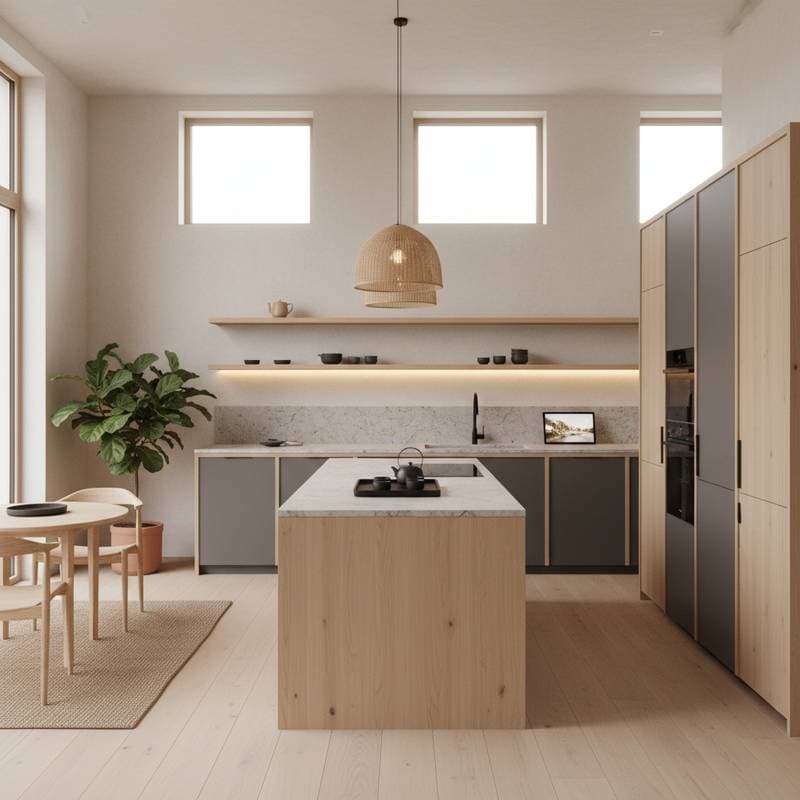
Japandi Kitchens: Mastering 2026's Top Fusion Trend
Simplicity, serenity, and skilled craftsmanship form the foundation of effective design. The fusion of Scandinavian warmth and Japanese restraint produces Japandi, a sophisticated aesthetic that has become a leading choice for contemporary kitchens. These spaces extend beyond appearance to create thoughtful settings where utility and elegance align seamlessly.
This guide examines five core elements that define Japandi kitchens. Each aspect illustrates how this blended approach elevates the home's central area into a realm of equilibrium and purpose.
1. Natural Materials and Honest Craft
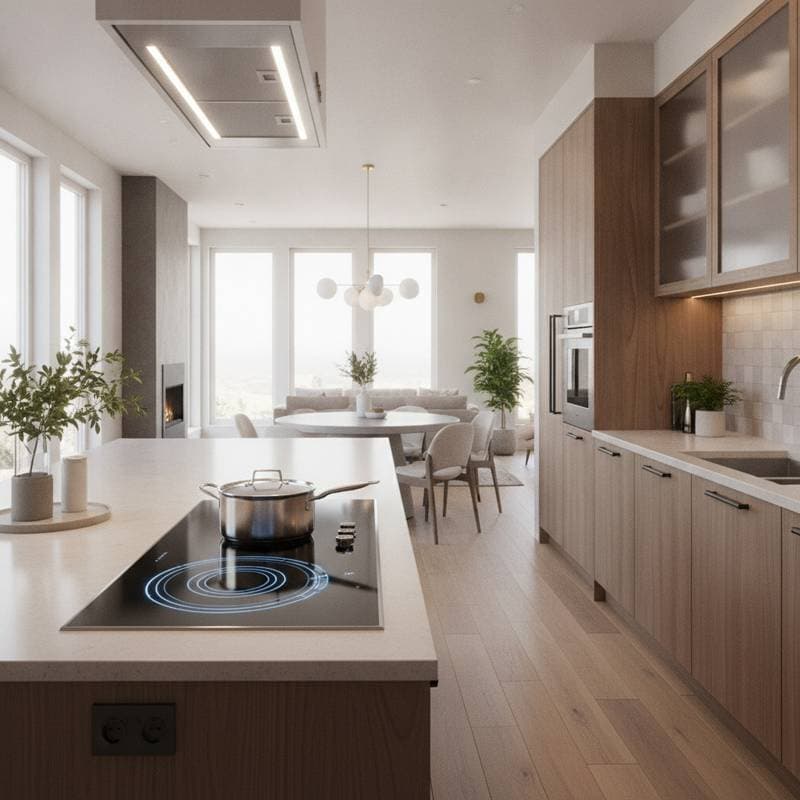
Authentic materials anchor the Japandi kitchen. Selections prioritize durability and natural evolution over superficial appeal. Common choices include European oak, ash, bamboo, and stone, often presented in raw or lightly finished states to showcase inherent qualities.
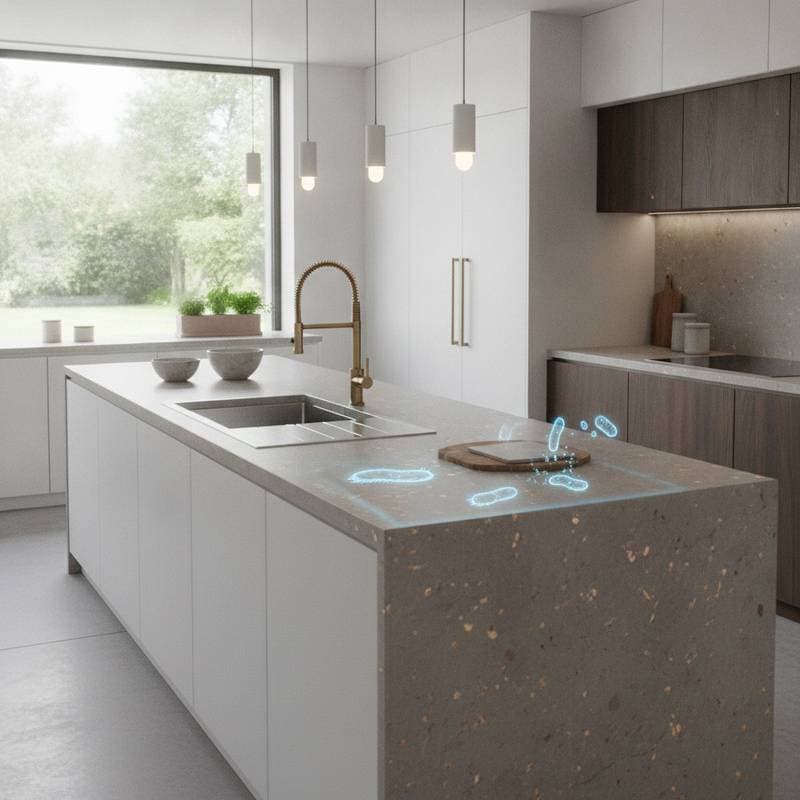
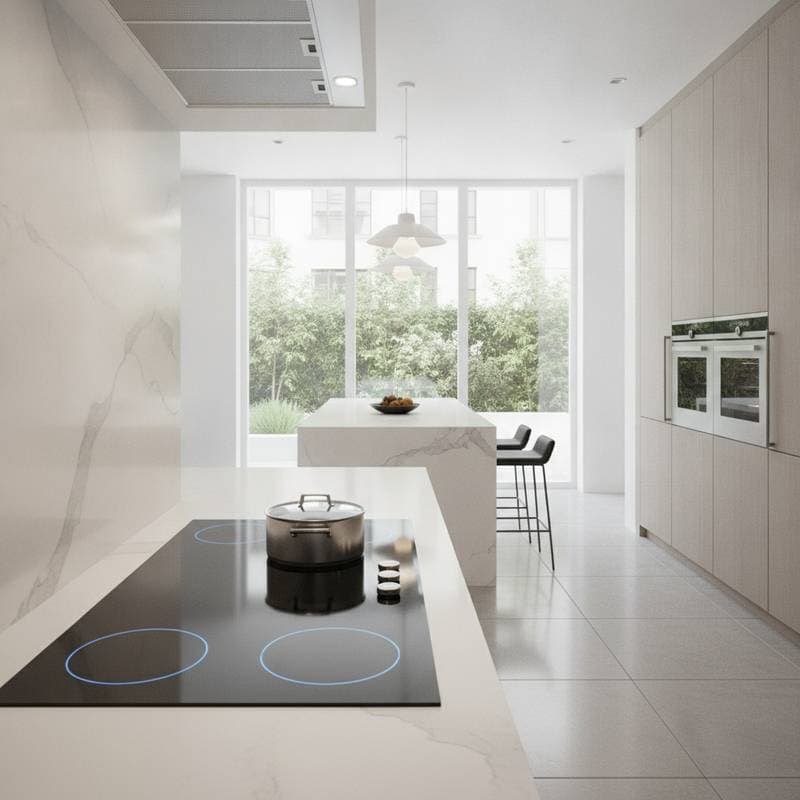
In a project by Nord Studio and Kengo Matsuda Architects, the central island features honed Jura limestone with manually softened edges that interact with ambient light. Surrounding cabinetry employs smoked oak treated with a matte Osmo finish, providing subtle warmth alongside the stone. By forgoing synthetic options, the design fosters surfaces that gain character through regular interaction, evoking a sense of vitality and genuine workmanship.
2. Open Shelving with Purpose
Japandi kitchens integrate open shelving selectively to highlight meaningful items while maintaining order. The emphasis lies in deliberate selection, ensuring displayed objects enhance the overall harmony.
Handmade ceramic vessels, a wooden utensil, or a solitary vase can serve as refined accents. Takashi Ito of Atelier Hikari installs rift-sawn oak shelves coated in clear oil to accentuate wood grain. Positioned against microcement walls in a warm clay hue, these elements combine raw texture with precise structure, resulting in a curated display that feels both intimate and restrained.
3. The Art of Imperfection: Wabi-Sabi Influence
Wabi-sabi, the Japanese appreciation for imperfection and ephemerality, infuses Japandi with depth. In kitchens, this manifests through materials that celebrate natural variances and gradual changes.
Irregular veining in marble counters, artisanal ceramic basins, or textured plaster surfaces add layers of realism. Studio Nendoora applies tadelakt plaster, a lime-based Moroccan technique, near cooking areas; it develops unique nuances with exposure. Complemented by hand-forged brass fittings from Ferm Living that patina softly, this method views signs of use as affirmations of an engaged lifestyle.
4. Connection to Nature
Japandi design draws the outdoors into the kitchen, fostering a seamless link between environments. Direct access to external areas like gardens or patios dissolves indoor-outdoor divides; otherwise, natural motifs appear through selections and accents.
Expansive windows in blackened steel frames offer vistas of foliage, while potted ferns, bonsai specimens, or olive branches add vitality. Hikari Design Studio incorporates green-gray terrazzo surfaces reminiscent of polished river rocks, alongside vertical-grain oak units that evoke woodland patterns. Such integrations root the space in organic rhythms, promoting a grounded atmosphere.
5. Bespoke Craft and Personal Ritual
Individuality emerges through custom elements in Japandi kitchens, balancing minimalism with human scale. Artisanal fixtures, unique illumination, and tailored woodworking infuse personality without excess.
Mari Jensen of North Home Studio partnered with ceramicist Yuki Sato on glazed stoneware backsplash tiles, each marked by the creator's subtle imprint. Jensen notes, "The kitchen becomes a place of ritual. You prepare tea, you wash your hands, you cook. Every gesture connects you to the materials around you." This bond between occupant and surroundings captures the style's profound intent.
Evolving Trends and Personal Integration
Grounded in cultural heritage, Japandi adapts to modern needs. Emerging versions incorporate sustainable practices like reclaimed wood, low-impact coatings, and efficient appliances that align with environmental respect.
Color ranges may incorporate soft greens, sandy beiges, or light earth shades to mirror biophilic preferences. Hiroshi Arai anticipates advancements in modular layouts, enabling adaptability for compact city dwellings while preserving core tranquility.
As Japandi gains worldwide traction, it underscores that superior design communicates subtly. It encourages reflection amid surrounding elements. The kitchen evolves from a task-oriented area into a haven for creation and mindfulness, where craftsmanship, natural light, and material textures convey a unified narrative of refined living.
Implementing Japandi in Your Space
To adopt Japandi principles, start with these steps:
- Declutter intentionally. Eliminate non-essential items, retaining only those that contribute function or delight.
- Select enduring materials. Opt for woods, stones, and ceramicsfor lasting appeal.
- Employ neutral tones. Subtle shades build serenity and visual interest.
- Incorporate varied lighting. Blend daylight with soft, ambient sources for depth.
- Prioritize artisanal quality. Collaborate with skilled creators focused on precision and narrative.
A Japandi kitchen represents a mindful approach to habitation, valuing poise, subtlety, and truthfulness. Through deliberate choices in textures and construction, it elevates routine activities into sensory engagements, fostering appreciation for understated elegance at home's core.