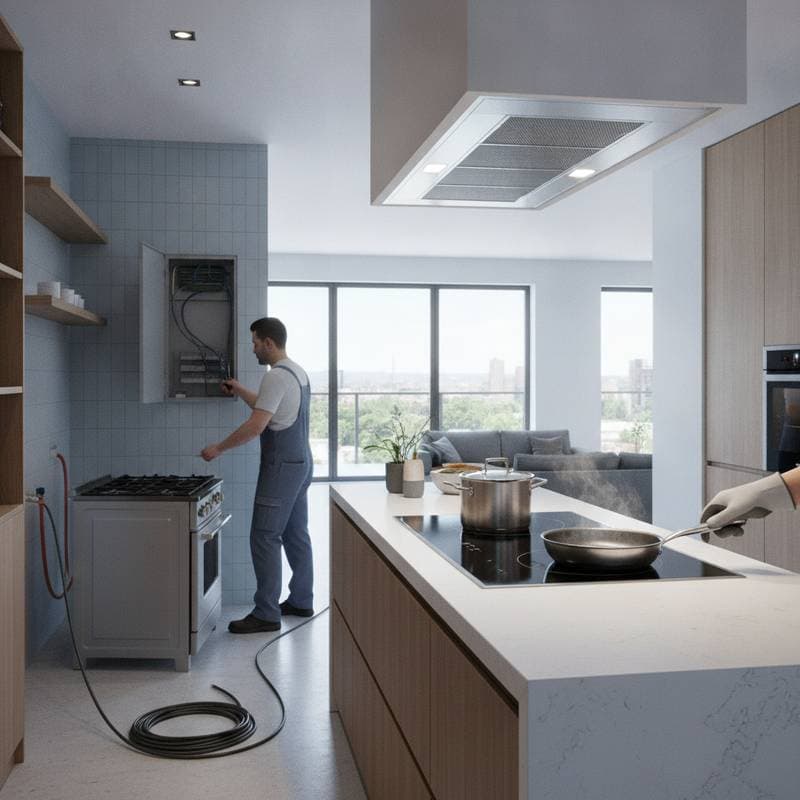
Induction Surpasses Gas in New Kitchen Installations: Essential Insights for Homeowners
Imagine simmering a pot of sauce on a gas stove, only to contend with oppressive kitchen heat and a persistent odor. You may have encountered discussions about induction cooking, yet uncertainty lingers regarding its performance relative to gas. Increasing numbers of homeowners pose this very question, and recent developments indicate a transformation occurring more swiftly than anticipated.
Gas ranges have served as the preferred choice for dedicated home cooks over many years. Current sales figures and design preferences reveal a decisive change, however. Induction cooking, previously viewed as a specialized alternative, now exceeds gas installations in new kitchens. For those contemplating a remodel or range replacement, grasping the drivers of this transition enables more informed investment decisions.
How Induction Technology Drives the Shift
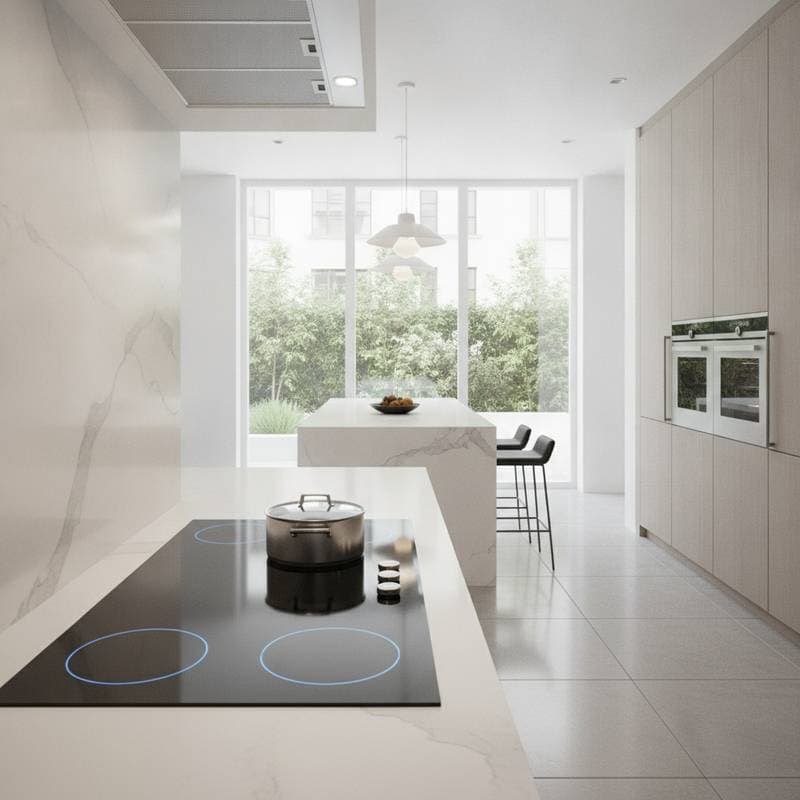
Induction operates distinctly from gas and conventional electric ranges. It employs magnetic fields to heat cookware directly, bypassing the burner surface. This mechanism yields accelerated, cleaner, and more accurate outcomes.
Homeowners increasingly adopt induction for these compelling reasons:
-
Rapid Heating and Energy Efficiency
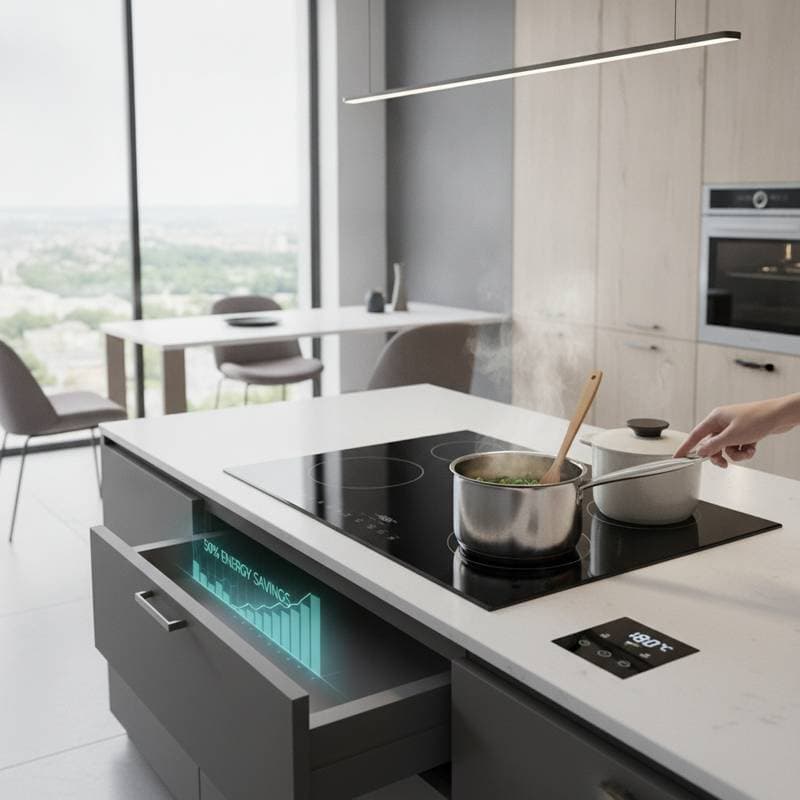
Induction brings water to a boil in approximately half the duration required by a gas burner. Direct energy transfer to the pot minimizes heat loss to the surrounding environment, resulting in cooler kitchens and reduced utility expenses. -
Enhanced Safety and Indoor Air Quality
Gas stoves emit nitrogen oxides and carbon monoxide. Although ventilation hoods mitigate these emissions, numerous homes lack sufficient systems for complete pollutant removal. Induction eliminates open flames and combustion byproducts, positioning it as a superior option, particularly in compact or highly insulated residences. -
Superior Temperature Precision
Contemporary induction models deliver immediate response to adjustments. This capability allows for melting chocolate without burning or achieving an ideal simmer for soups with minimal oversight. -
Simplified Maintenance
The cooktop surface remains comparatively cool during operation, preventing spills from adhering firmly. Most residues yield to a swift pass with a damp cloth.
Evaluating the Investment for an Induction Transition
Upfront expenses represent a primary consideration. Entry-level freestanding induction ranges begin at $1,000 to $1,500, with mid-tier options ranging from $1,800 to $3,000. High-end, professional-grade models may exceed $5,000.
Several factors influence the overall expenditure:
- Electrical Modifications: Induction demands a 240-volt outlet. In kitchens equipped solely with gas lines and basic receptacles, electrician services could incur $300 to $800.
- Cookware Compatibility: Only ferromagnetic materials function with induction. Verify suitability by testing if a magnet adheres to the pot base. Acquiring a compatible set might range from $100 to $400 for durable selections.
- Long-Term Savings: Greater efficiency translates to diminished monthly energy bills. These reductions accumulate over time, potentially recouping a portion of initial outlays.
In comprehensive kitchen renovations, induction integrates seamlessly with emerging all-electric devices, such as heat-pump dryers and efficient water heaters. Opting for electric components presently aligns with impending energy regulations and elevates property appeal.
Navigating Regional Regulations and Market Dynamics
Numerous locales now impose limitations on gas infrastructure in fresh residential builds. Where gas access persists, energy experts and building officials advocate for electric alternatives.
This evolution does not signal the immediate obsolescence of gas ranges, yet it alters property valuation dynamics. Residences featuring advanced, energy-efficient electric setups draw purchasers prioritizing adherence to evolving ecological norms. For remodels aimed at enhancing marketability, induction contributes to a contemporary, desirable kitchen profile.
Anticipating the Adjustment to Induction
Shifting from gas to induction introduces novel sensations initially. Consider these aspects:
- Adaptation Period: Controls react with greater speed, potentially altering perceived cooking durations until familiarity develops.
- Audible Elements: Certain models produce a subtle hum or click at peak settings. These sounds pose no risk but may draw attention.
- Capacity Constraints: Operating several burners at full intensity might prompt brief power cycling to regulate overall consumption.
Professional installation, following electrical preparations, typically concludes within a single day. Prior to proceeding, verify that the existing circuit accommodates the necessary amperage.
Benchmarking Induction Against Gas in Daily Use
Professional chefs increasingly incorporate induction into professional test environments for its reliability. It maintains uniform heat distribution without uneven zones, excelling in tasks from delicate reductions to intense searing.
Key performance metrics include:
- Water Boiling: Induction achieves this in about 4 minutes for a substantial pot, compared to 8 minutes on gas.
- Adjustment Responsiveness: Induction alters heat nearly instantaneously, whereas gas exhibits a delay of several seconds.
- Post-Cooking Maintenance: Induction requires under 2 minutes, in contrast to 10 or more for gas due to grates and buildup.
Such advantages reduce daily efforts and foster consistent culinary outcomes for typical users.
Steps to Implement Your Induction Upgrade
When preparing a kitchen refresh, assess your electrical infrastructure and existing utensils first. Determine preferences for slide-in versus freestanding configurations, then evaluate manufacturers by criteria like power output, burner dimensions, and operational sounds.
Follow this structured approach:
- Inspect Power Availability: Ensure access to, or feasibility of installing, a 240-volt outlet.
- Validate Utensil Suitability: Employ a magnet to confirm induction compatibility.
- Establish Financial Parameters: Account for appliance pricing, labor fees, and any utensil acquisitions.
- Research and Observe: Review user feedback and tour display areas to experience interface dynamics.
- Engage Qualified Professionals: Secure a certified electrician to uphold safety and regulatory standards during circuit enhancements.
Realizing the Advantages of Induction in Your Home
Embracing induction unlocks a realm of efficient, healthful cooking that enhances daily routines. Homeowners report heightened satisfaction from its responsive nature and minimal upkeep demands. As this technology becomes standard, it not only streamlines meal preparation but also future-proofs your living space against regulatory and market shifts, delivering enduring value through performance and sustainability.