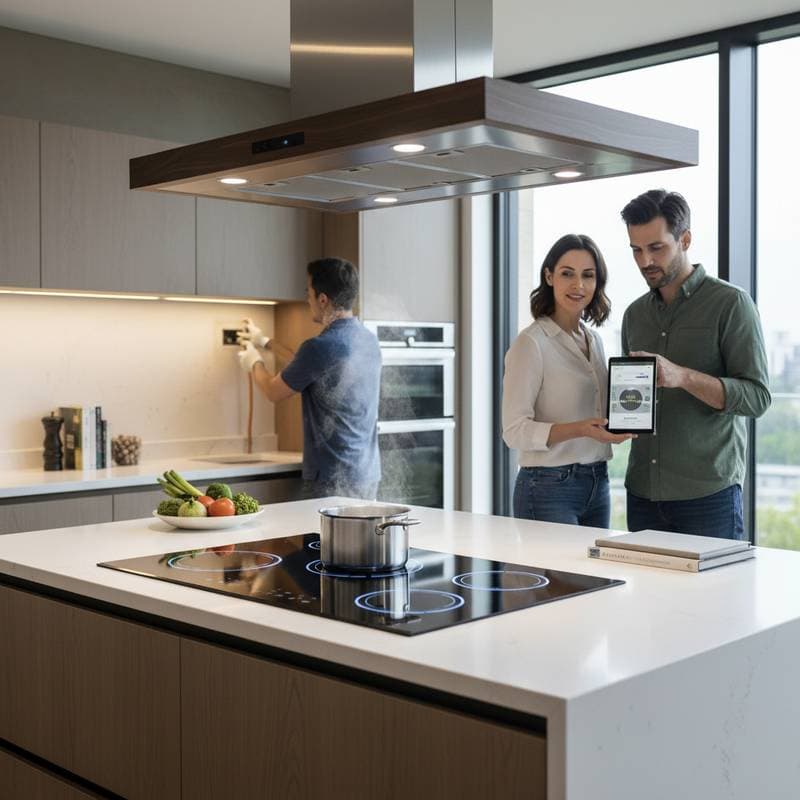
Gas Bans Ignite a Shift Toward Induction Cooking in 12 States
Recent policies in numerous cities and states aim to phase out natural gas in new residential buildings. Homeowners often ponder the implications for their kitchens amid this transition. The move from gas to electric appliances, particularly induction cooktops, extends beyond regulatory requirements. It reshapes cooking practices, renovation decisions, and overall kitchen functionality.
The Forces Behind Gas Bans and Their Impact
Twelve states have implemented bans on gas installations in new homes, compelling builders, designers, and residents to explore alternative energy options. These measures address both economic and health considerations. Installing gas lines incurs significant expenses, while emissions from gas stoves, including nitrogen dioxide and carbon monoxide, pose risks to indoor air quality and respiratory well-being, as evidenced by various health studies.
Electric alternatives gain traction due to these bans. Induction cooking emerges as a superior choice, offering advancements in performance that rival traditional methods. Homeowners find the technology not only compliant but also practical for daily use.
The Mechanics of Induction Cooking
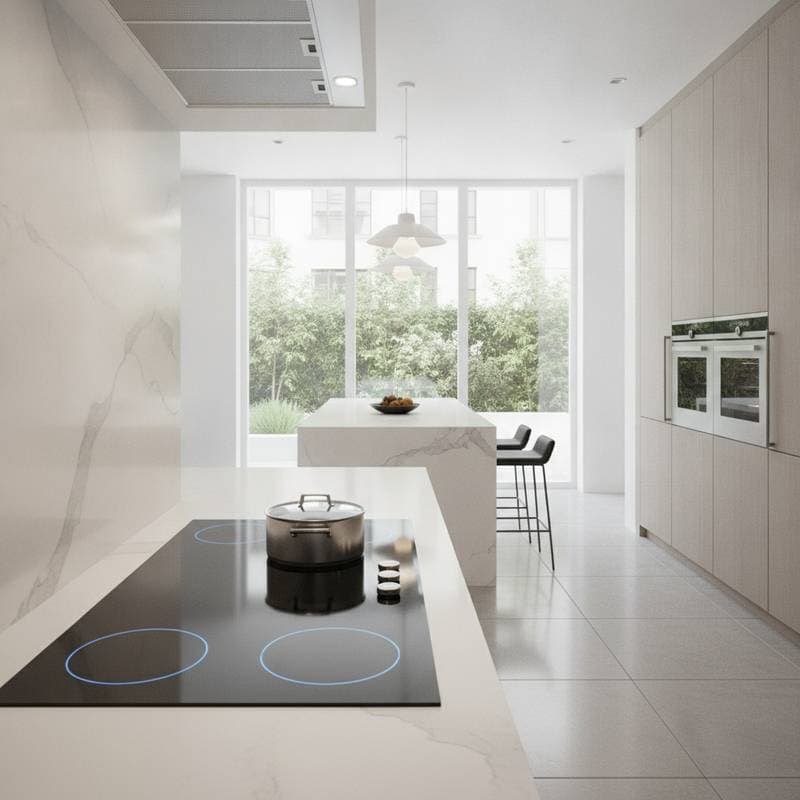
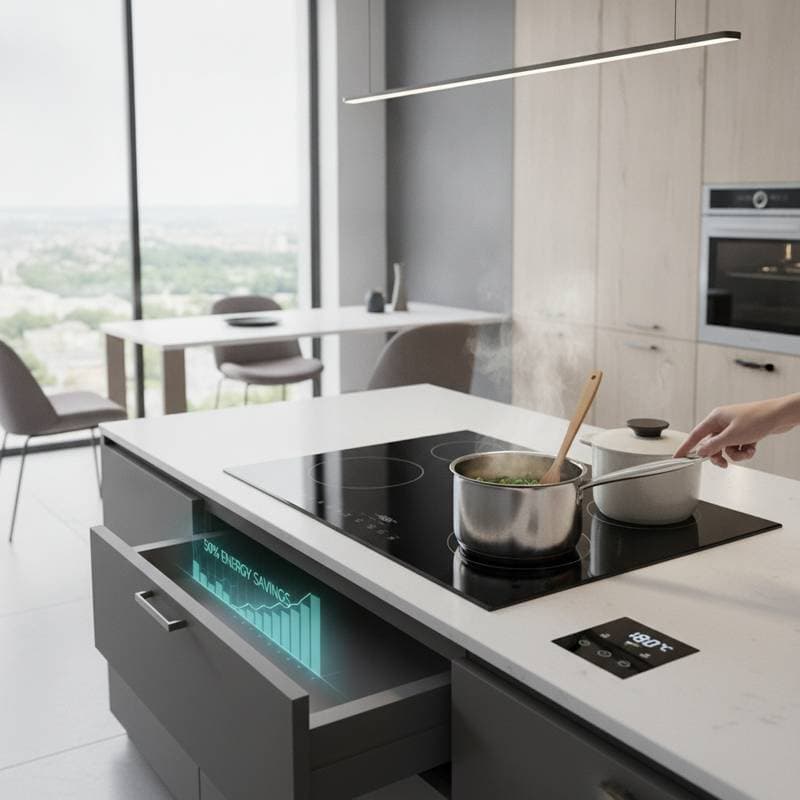
Induction cooktops employ electromagnetic fields to generate heat directly within compatible cookware. This approach avoids warming the surrounding air or the cooktop itself. Consequently, boiling water occurs in approximately half the time required by gas burners, with superior temperature precision and minimal energy loss.
The cooktop surface remains relatively cool, which prevents spills from adhering and simplifies maintenance. Users must select pots and pans with ferromagnetic bases, such as those made from cast iron or certain stainless steels. A simple test involves checking if a magnet adheres to the pan's bottom; if so, the item suits induction use.
Steps to Transition from Gas to Induction
Converting a kitchen from gas to induction demands careful preparation but proves straightforward with professional guidance. Homeowners typically proceed through these structured phases:
-
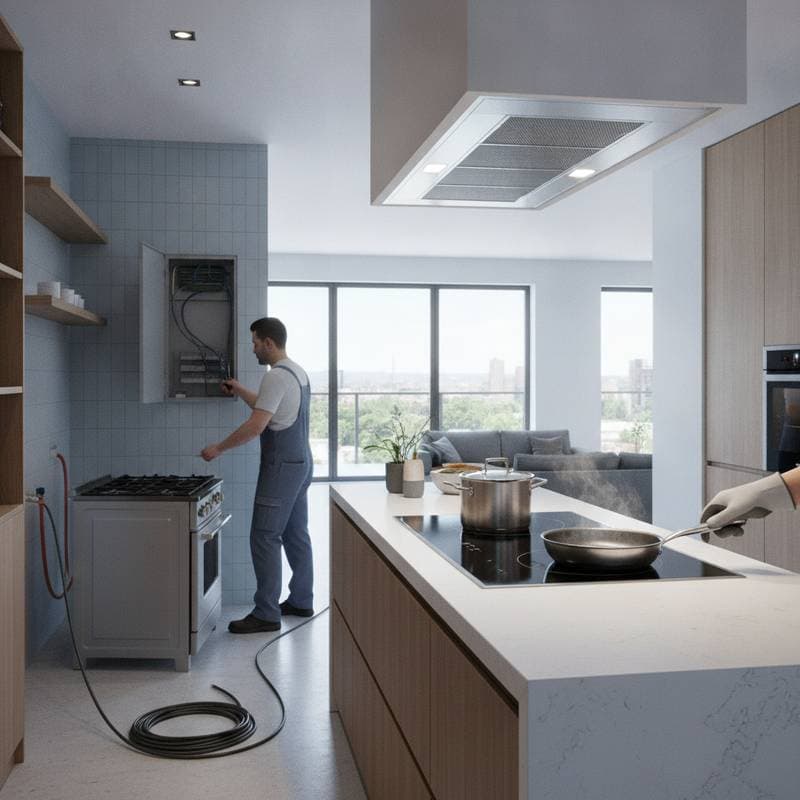
Evaluate electrical infrastructure. Induction units necessitate a 240-volt dedicated circuit. Engage a certified electrician to inspect the electrical panel's capacity and perform any required upgrades, with costs ranging from $300 to $900 based on existing setup.
-
Choose an appropriate induction appliance. Options span basic cooktops at around $800 to advanced ranges exceeding $3,000, featuring integrated smart controls and multiple burners.
-
Disconnect the gas supply. Hire a licensed plumber to safely cap or eliminate the gas line, an operation that generally costs $150 to $400.
-
Fit the new induction unit. These appliances align with standard countertop dimensions, though slight modifications may arise during installation.
Integrating this change during a full kitchen overhaul minimizes disruptions and optimizes results.
Key Factors and Expense Breakdown
A complete gas-to-induction upgrade typically totals $1,200 to $4,000, influenced by the selected model and electrical enhancements. Although initial investments appear higher, induction's energy efficiency leads to reduced utility expenses through quicker cooking times. Certain utilities provide rebates for installing high-efficiency electric devices, further offsetting costs.
Safety benefits stand out prominently. Without open flames, risks of burns or gas leaks diminish substantially. The contained heat output maintains a cooler kitchen environment, proving especially beneficial for families with children or seniors.
Navigating Regional Regulations and Compliance
Residents in the affected 12 states should consult local building authorities to determine if bans extend to renovations or apply solely to new builds. Even without statewide mandates, select municipalities incentivize all-electric systems through grants or tax credits. Secure necessary permits for all electrical alterations, and rely exclusively on qualified experts for gas and wiring tasks to ensure adherence to codes.
Integrating Induction for Optimal Home Use
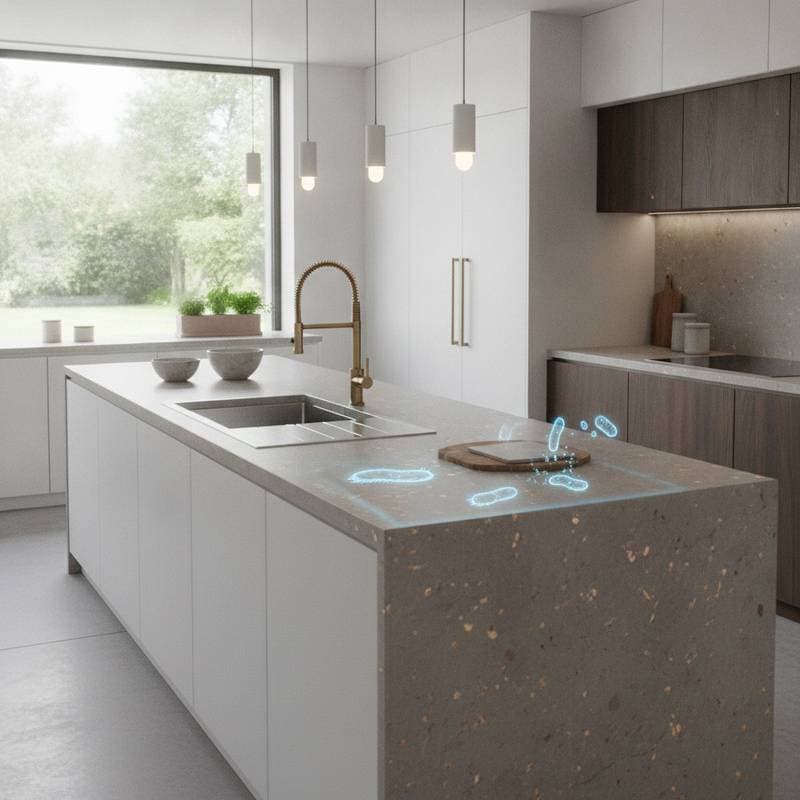
Those accustomed to gas cooking might initially resist the change. However, induction delivers immediate responsiveness and streamlined operation that often exceeds expectations. The cool surface enhances hygiene, while lower energy consumption supports sustainable living.
Consider testing with a compact, portable induction burner before committing to a full installation. This trial allows users to assess compatibility with their cooking style. As restrictions on gas proliferate and induction innovations advance, now presents an ideal opportunity to upgrade kitchens for enhanced safety, efficiency, and longevity.