Why Induction Zones Outperform Gas in Kitchen Upgrades
Kitchens serve as the core of daily life, where families gather, meals prepare, and memories form. The choice of cooking method influences not only functionality but also the overall ambiance and efficiency of the space. In recent years, induction zones have surpassed traditional gas stoves in popularity, offering superior design integration, precise control, and environmental benefits that align with modern living standards.
This shift moves beyond mere preference; it reflects advancements in technology that prioritize sustainability, safety, and seamless aesthetics. Homeowners upgrading their kitchens now select induction for its ability to enhance both performance and well-being. The following sections explore these advantages in detail, providing insights for informed decision-making.
1. Streamlined Aesthetics for Modern Design
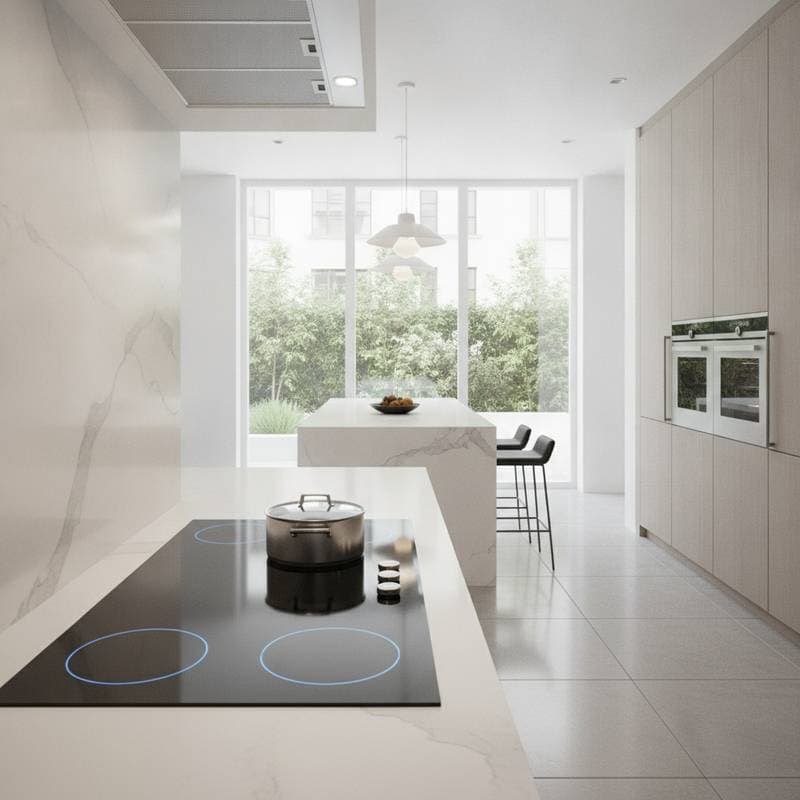
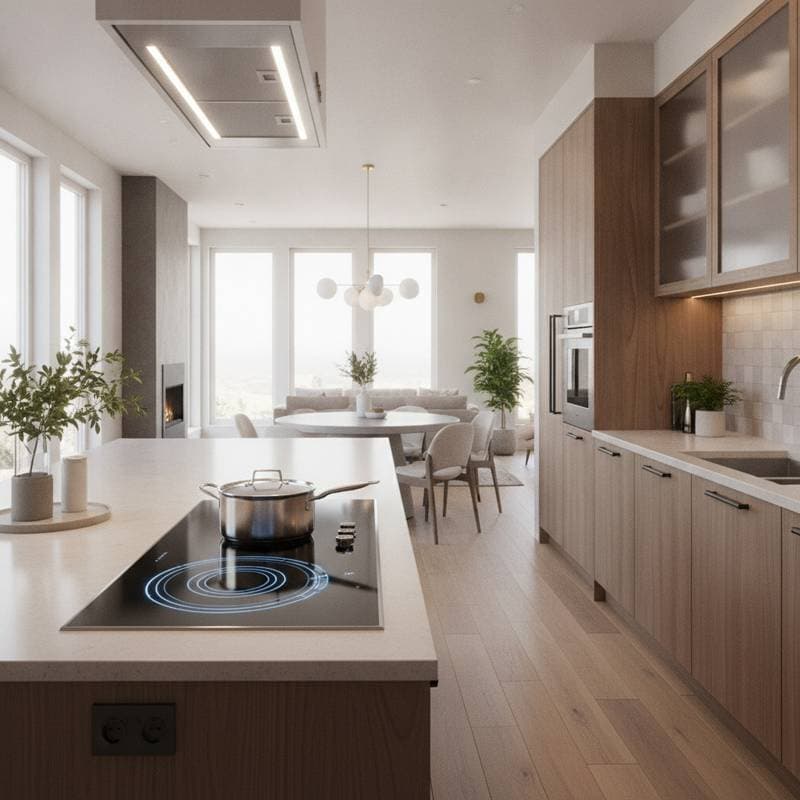
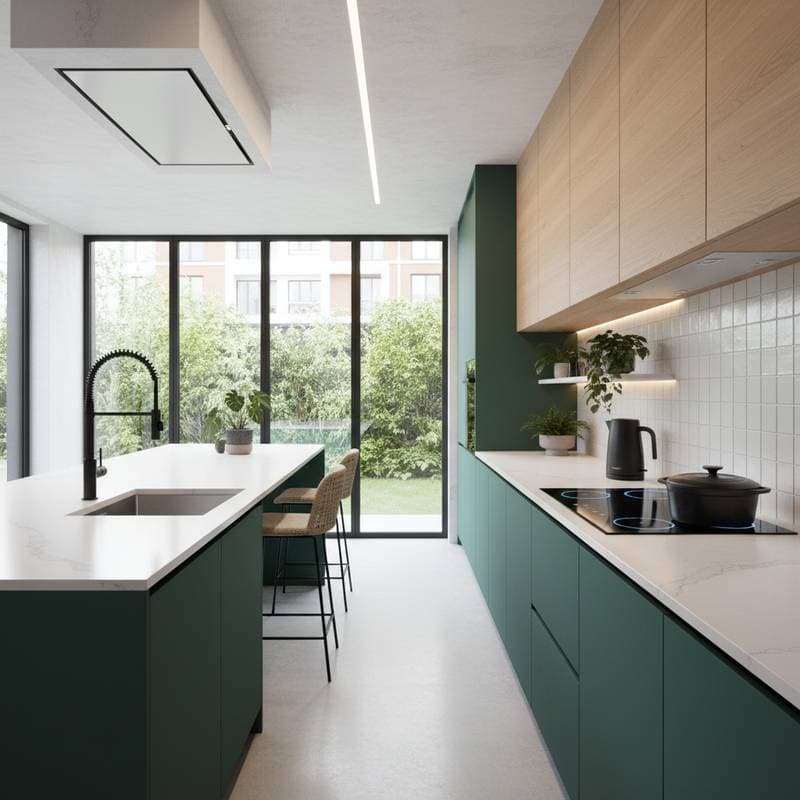
Induction zones create a clean, uninterrupted surface that elevates kitchen visuals. Unlike gas stoves with their bulky grates and exposed burners, induction cooktops feature smooth glass panels from brands like Schott Ceran or EuroKera. This design allows light to reflect evenly, harmonizing with materials such as matte cabinetry or natural wood finishes.
Architects like Patricia Urquiola and Vincent Van Duysen incorporate these zones to achieve minimalist unity. Install the cooktop flush with quartz or terrazzo counters to expand usable workspace when idle. Touch controls further reduce visual clutter, enabling gestures for adjustments that maintain a clutter-free environment.
2. Enhanced Precision in Cooking Control
Gas stoves rely on visible flames for heat gauging, but induction provides superior accuracy through electromagnetic technology. Heat activates directly in compatible cookware, delivering instant response and cessation when pots lift. This eliminates guesswork, ensuring consistent results for simmering sauces or rapid boils.
Chefs such as Eric Ripert and Clare Smyth favor induction for its stability, which supports professional techniques at home. With up to 90 percent energy transfer efficiency, it outperforms gas by minimizing heat loss to the air. Home cooks gain confidence in entertaining, as meals prepare reliably without frequent monitoring.
3. Improved Indoor Air Quality
Gas combustion releases pollutants like nitrogen dioxide, which ventilation struggles to fully eliminate. Induction avoids flames entirely, producing no emissions and maintaining fresher air. This benefit supports respiratory health, particularly in homes with sensitive occupants.
Wellness-oriented designers like Kelly Wearstler and Ilse Crawford highlight how clean air fosters a healthier atmosphere. The technology keeps surrounding areas cooler, easing comfort in open layouts and reducing reliance on air conditioning. Families experience greater peace during meal preparation.
4. Superior Energy Efficiency
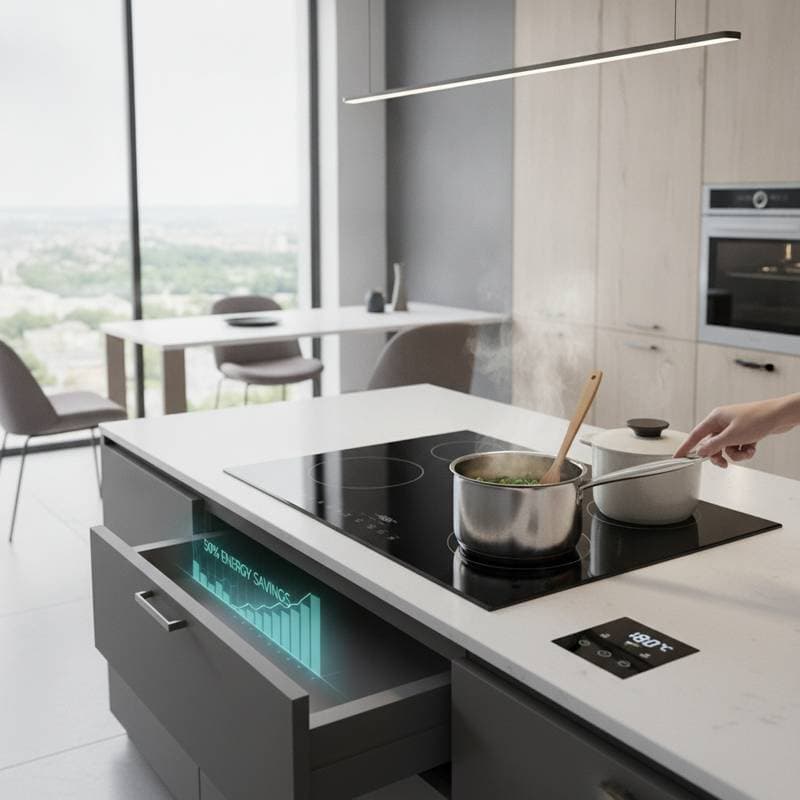
Induction maximizes electricity use, directing energy precisely to cookware for quicker results with less consumption. This efficiency surpasses gas, which dissipates heat inefficiently. Pair induction with renewable sources like solar for optimal sustainability.
Brands such as Miele, Bosch, and Gaggenau equip models with adaptive sensors that adjust power based on pot size. Homeowners lower utility costs over time while contributing to environmental goals. Select units compatible with smart home systems for automated energy management.
5. Enhanced Safety Features
Induction surfaces stay cool outside active zones, minimizing burn risks from accidental contact. Without open flames, fire hazards decrease significantly. Features like auto-shutoff and child locks add layers of protection for households with young children or seniors.
This design promotes a relaxed cooking environment, allowing supervision without constant worry. Cleaning proves simple, as spills wipe away easily from the non-heating glass. Maintain the surface with mild cleaners to preserve its sleek appearance.
6. Quieter Operation for Better Ambiance
Gas stoves produce ignition clicks and flame hisses that disrupt kitchen harmony. Induction operates silently, with only faint electromagnetic hums during use. This quietude facilitates easier conversations and integrates seamlessly with background music.
In open-plan homes, induction preserves acoustic balance across living areas. Architects select it to avoid sound interference in social spaces. The result fosters a more inviting atmosphere for daily routines and gatherings.
7. Seamless Integration with Countertops
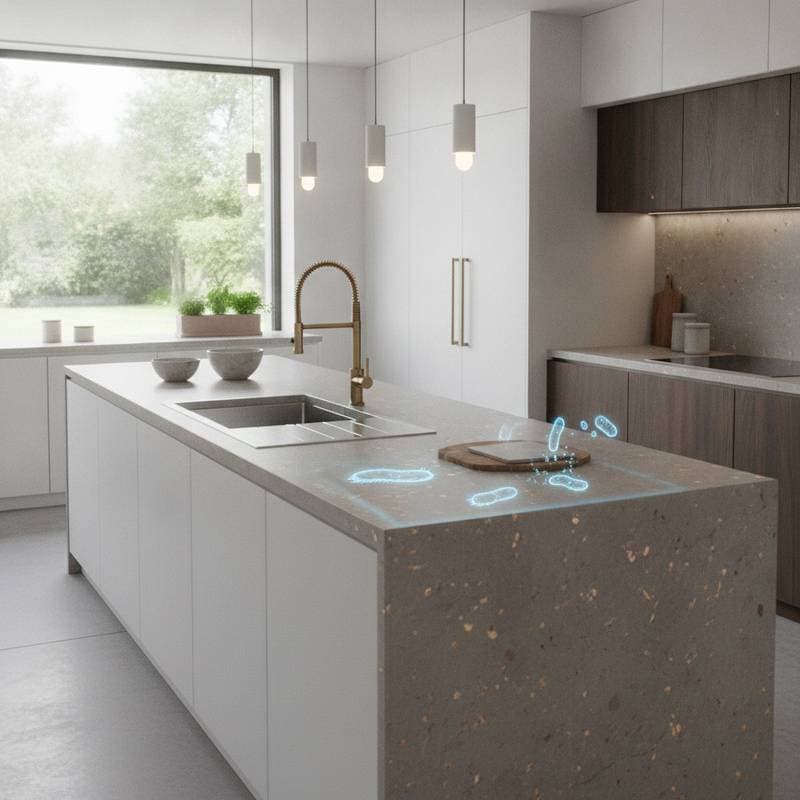
Induction adapts to diverse materials, embedding flush into marble, stainless steel, or stone surfaces. Designers like Sebastian Cox and Helen Green Design Studio use this flexibility for continuous island designs. Position multiple zones strategically to support varied cooking workflows.
The flat profile enables smooth transitions for prep and serving tasks. Reflective glass enhances lighting effects from LEDs or pendants, adding depth to the space. Experiment with layouts to align cooking areas with traffic flow.
8. Fostering Mindful Cooking Practices
Induction encourages focused, intentional cooking through its responsive interface and fume-free operation. Users develop a calmer approach, as the technology handles heat adjustments effortlessly. This aligns with trends toward balanced, sensory-rich home environments.
Homeowners report greater satisfaction in the process, viewing meals as deliberate acts rather than rushed chores. Integrate induction into wellness-focused kitchens to support mental clarity during preparation. The subtle feedback from the surface guides technique without overwhelming the user.
9. Long-Term Value and Practicality
Initial costs for induction exceed gas, but savings in energy and maintenance recoup the difference. Durable glass withstands daily use, requiring less upkeep than gas components. Real estate experts note that induction boosts resale appeal in eco-conscious markets.
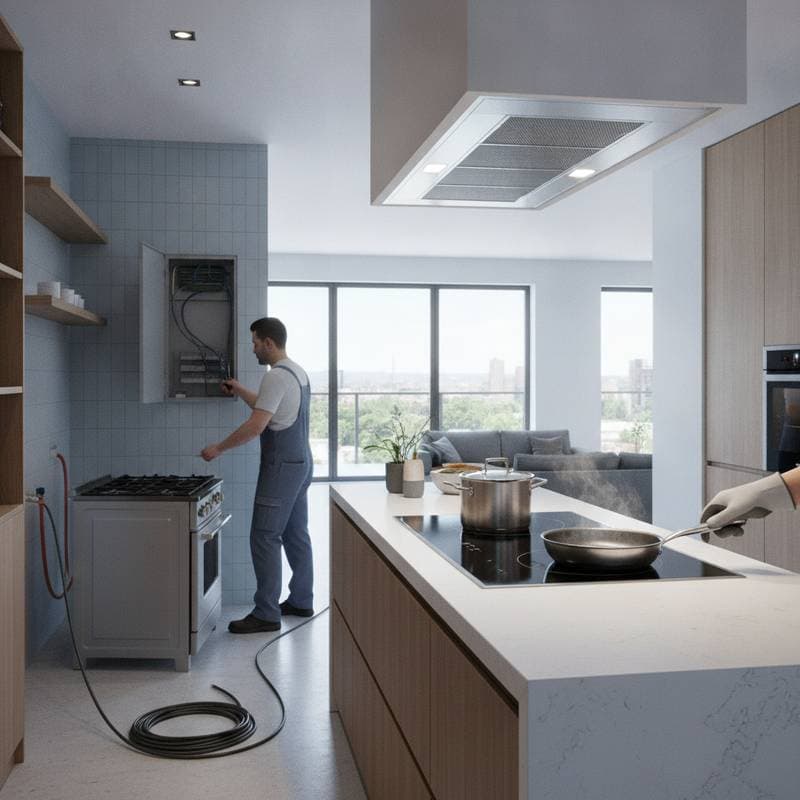
Installation involves electrical upgrades but avoids gas piping complexities. Consult professionals to ensure compatibility with existing setups. Over time, these systems enhance home efficiency and property worth.
10. Embracing the Evolution of Kitchen Technology
Induction signals a broader transition away from gas infrastructure, driven by urban policies and sustainable practices. Culinary institutions now standardize on this method, shaping future professionals' expectations. It balances innovation with everyday usability, elevating the kitchen's role in ethical living.
Adopt induction to future-proof your space, combining performance with reduced environmental impact. This choice integrates advanced features into familiar routines, ensuring kitchens remain versatile and forward-looking.
Realizing Benefits in Your Upgrade
Transitioning to induction transforms kitchen functionality while honoring design and health priorities. Evaluate your needs against these advantages to select the right model. The result delivers a space that supports efficient, enjoyable cooking for years ahead.