Flexible Induction Zones: 2026 Kitchen Game-Changers
Flexible induction zones represent a significant advancement in cooktop technology, reshaping how individuals cook, design, and interact with their kitchens. This innovation combines sleek aesthetics with intelligent functionality, making it accessible across various budgets. For dedicated home chefs and those seeking efficient, attractive kitchen solutions, these zones offer enhanced precision and convenience.
What Makes Flexible Induction Zones So Exciting?
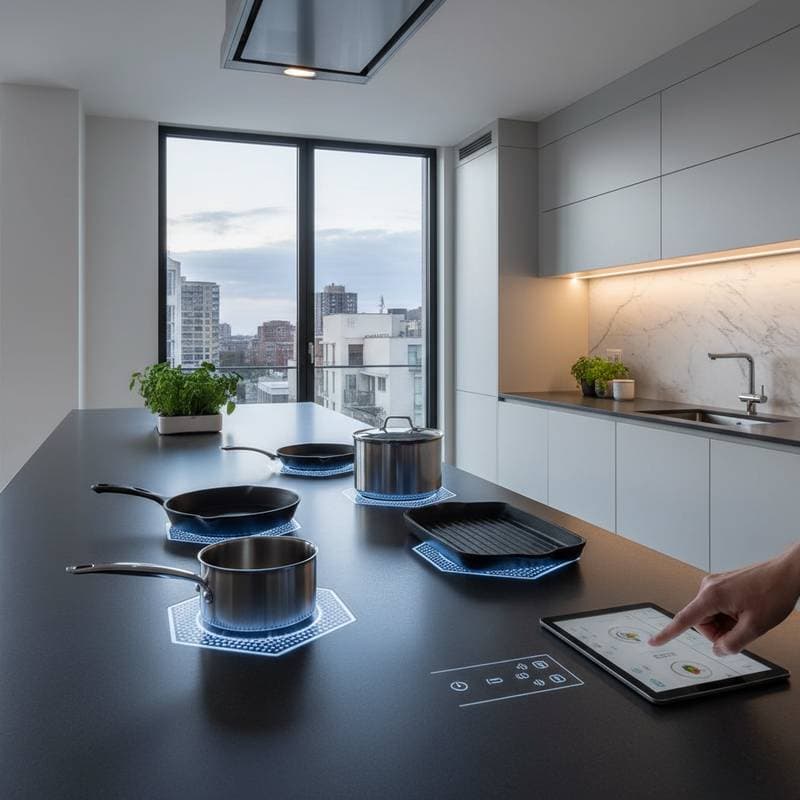
Conventional induction cooktops feature fixed zones sized for specific pots and pans. Flexible induction zones advance this by automatically detecting cookware and applying heat precisely to the required area. Users can reposition pans freely, accommodate large griddles, or arrange multiple smaller vessels adjacent to one another.
Consider preparing a family breakfast on a single expansive surface. Pancakes, eggs, and vegetables can cook simultaneously with uniform heat distribution. The system identifies each item and adjusts accordingly, functioning as an integrated intelligent aid.
Why This Technology Matters for Every Kitchen
Flexible induction zones extend beyond high-end installations to suit diverse budgets and living arrangements. A mid-range model costs approximately $1,200, suitable for budget-conscious renovations, while premium options reach $3,000 for enthusiasts. Portable units with compact flexible zones start under $300, ideal for renters or limited spaces.
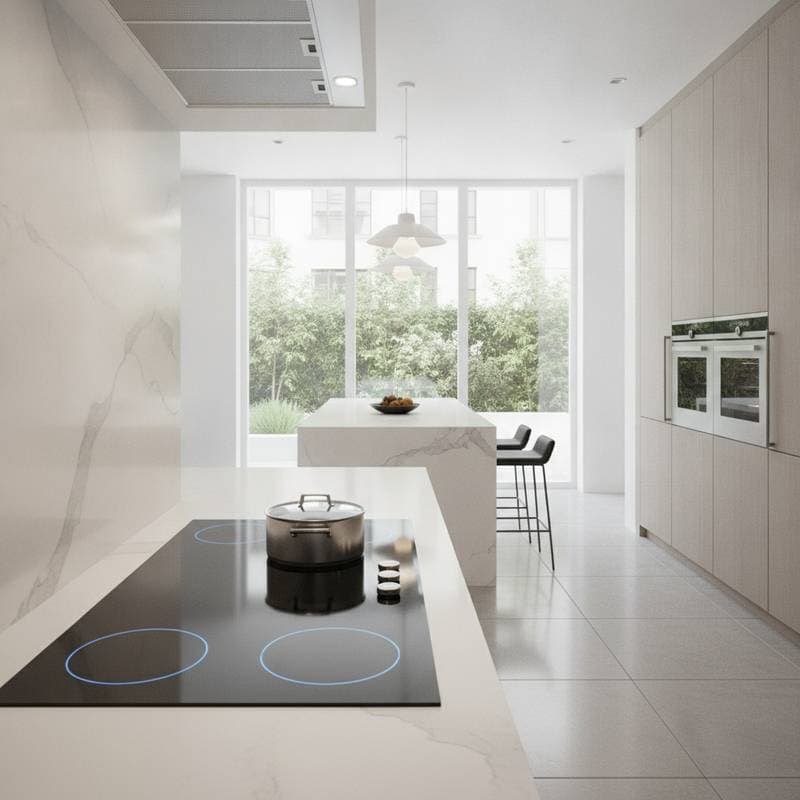
This adaptability supports varied designs. Integrate the cooktop seamlessly into quartz or porcelain surfaces for a minimalist appearance, or select frameless versions that blend into the countertop. The absence of grates and knobs maximizes counter space and simplifies cleaning.
Insights From the Television Studio Kitchen
In television design, visuals must captivate while ensuring operational reliability under demanding conditions. Flexible induction zones excel in such settings, providing rapid heating, straightforward maintenance, and photogenic appeal.
Collaborations with homeowners reveal the technology's versatility across cooking preferences. In one urban apartment project, a 24-inch modular unit integrated into a compact island. In a larger suburban setup, a 48-inch version managed tasks from subtle sauces to substantial meals. The reliable performance elevates every preparation to professional standards.
Design Freedom Meets Functionality
Flexible induction zones expand creative possibilities while maintaining practical utility. Modular configurations allow tailoring to individual routines, such as combining small zones for routine use with larger ones for gatherings, or opting for elongated surfaces to facilitate open-style cooking.
Consider these layout approaches:
- Side-by-side flexibility: Suited for collaborative cooking among partners or family members.
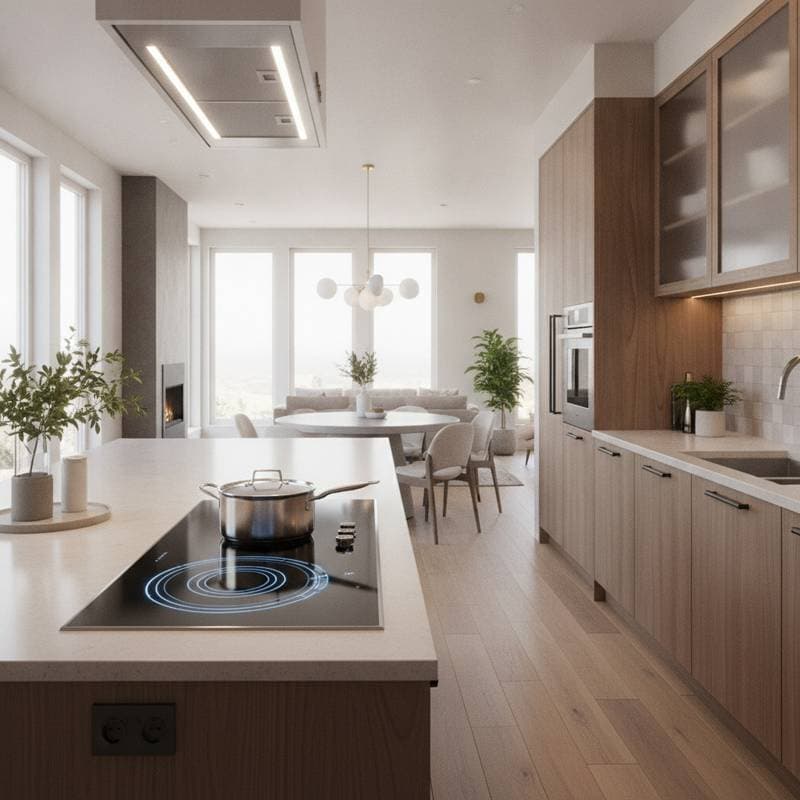
- Island integration: Establishes a communal area for cooking and socializing.
- Hidden installation: Positions the unit under slim porcelain for a discreet profile.
- Split-surface systems: Merges induction with gas or teppanyaki elements for hybrid versatility.
Options span price ranges from $800 to $8,000, accommodating different spatial and financial needs.
Innovation That Saves Energy and Time
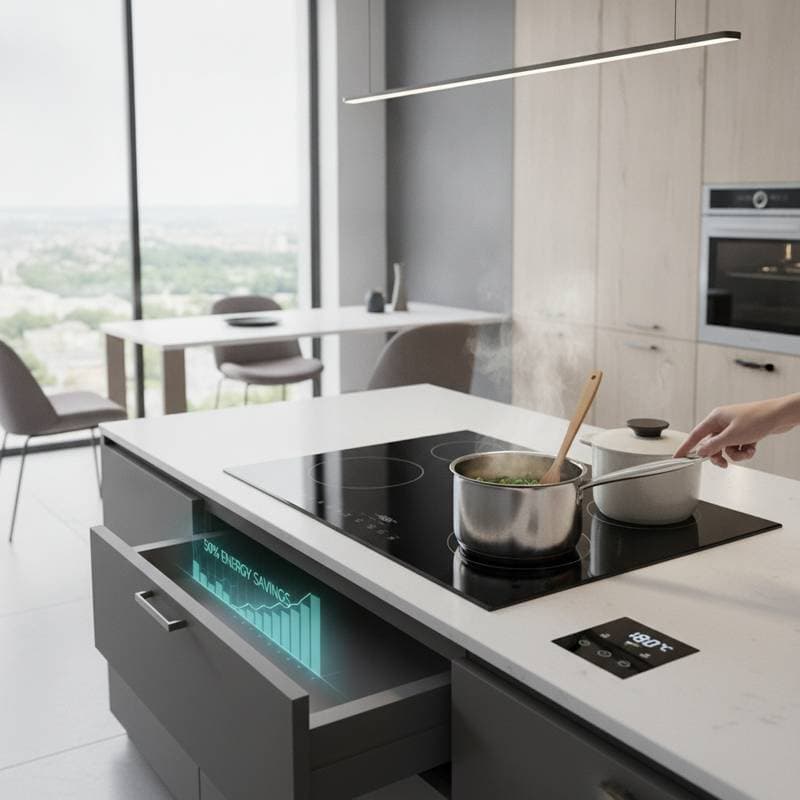
Energy conservation drives the appeal of flexible induction zones. Heat activates solely beneath cookware, minimizing waste, while untouched areas remain cool, enhancing safety around children or pets.
This targeted approach accelerates processes: water reaches a boil more quickly, sauces maintain ideal temperatures, and adjustments occur instantaneously. Such control prevents overcooking and reduces waste, integrating advanced technology with sustainable, practical benefits.
DIY-Friendly Installation and Maintenance Tips
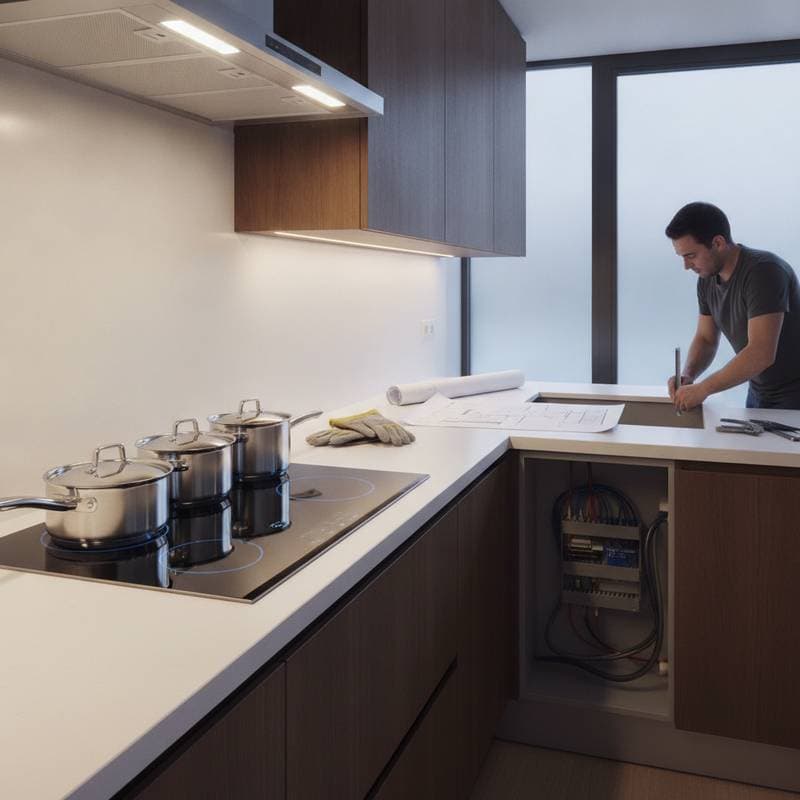
Many models support straightforward installation, appealing to hands-on designers. Replacing an existing electric unit often involves direct substitution and connection to current wiring; verify amperage and consult a qualified electrician as required.
For temporary or rental scenarios, portable panels connect to standard outlets. These feature two or three flexible zones, suitable for countertop placement or storage.
Maintenance requires minimal effort. Lower surface temperatures prevent spills from adhering firmly. Cleaning involves a soft cloth and gentle solution, eliminating the need for scrubbing grates or burners.
Product Innovation and the Future of Cooking
From a design and business perspective, flexible induction zones influence ongoing product evolution. Developers explore materials such as black ceramic glass, matte textures, and illuminated translucent panels.
Advanced features include sensors compatible with mobile devices or voice assistants for remote heat and timer management. Integration with responsive cookware enables automatic temperature optimization for tasks like searing or melting, transforming intuitive cooking into reality.
Entrepreneurial Opportunities for Designers
This technology creates avenues for kitchen professionals to differentiate services. Highlighting customization and efficiency attracts clients, from compact residential units to commercial or multi-family projects.
Custom partnerships with manufacturers for tailored setups or signature finishes expand offerings. Complementary accessories, including magnetic trivets, protective covers, or built-in cutting surfaces, foster comprehensive, revenue-generating systems.
Embracing Enhanced Kitchen Efficiency
Adopting flexible induction zones yields lasting advantages in freedom, accuracy, and elegance. Cleaning demands decrease, cooking time increases, and the kitchen maintains a contemporary, streamlined look.
Whether crafting a high-end showcase or a functional family space, this solution aligns with personal needs, simplifying culinary tasks. Select appropriate models, test configurations, and integrate the innovation to elevate daily routines with greater ease and enjoyment.