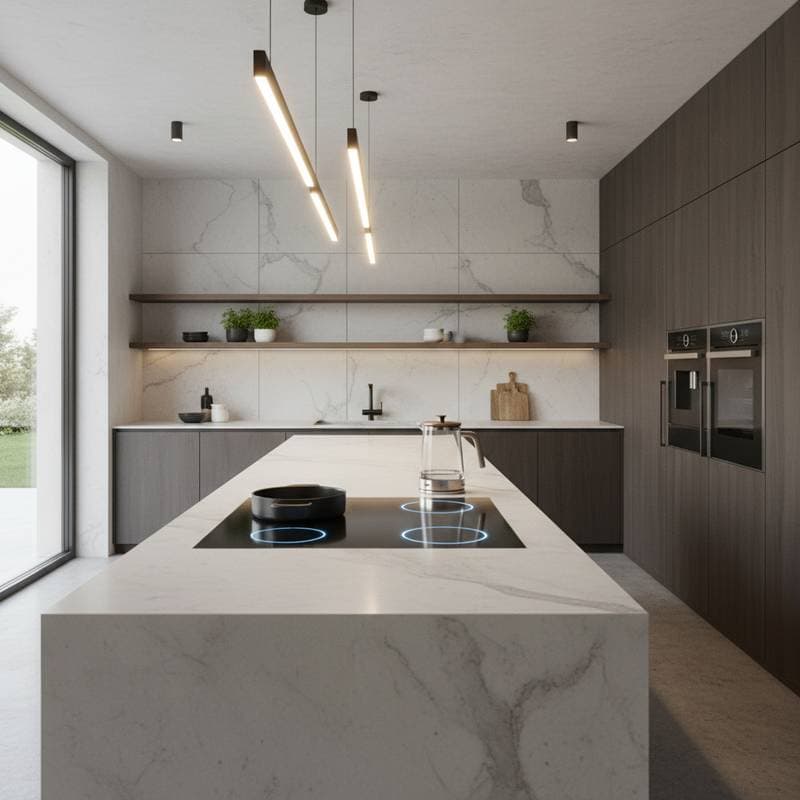
Invisible Induction Cooktops: Integrating Seamless Technology into Modern Kitchens
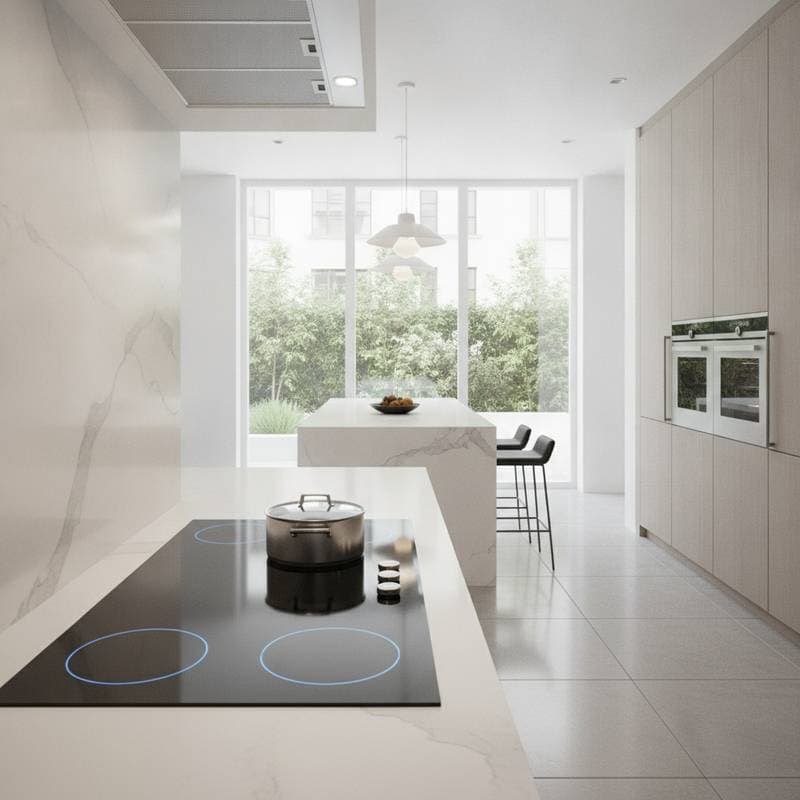
Kitchen innovations occasionally redefine functionality and aesthetics. Invisible induction cooktops represent such an advancement by embedding heating elements beneath the countertop surface. This creates a uniform workspace that activates only when cookware is placed upon it, combining practicality with refined design.
As an experienced contractor specializing in luxury kitchen installations, I observe that while many trends fade, invisible induction systems endure due to their genuine benefits. These include enhanced safety, operational efficiency, and versatile use of space. However, successful implementation requires meticulous planning, compatible materials, and skilled professionals. This guide outlines the essential steps to achieve a flawless integration.
Understanding the Mechanics of Invisible Induction
Invisible induction cooktops operate through electromagnetic induction, where an alternating magnetic fieldbeneath the surface directly heats ferromagnetic cookware. The countertop material remains largely unaffected, transmitting heat only through contact with the heated pan. Units install via secure mounting hardware that ensures stability without compromising the surface integrity.
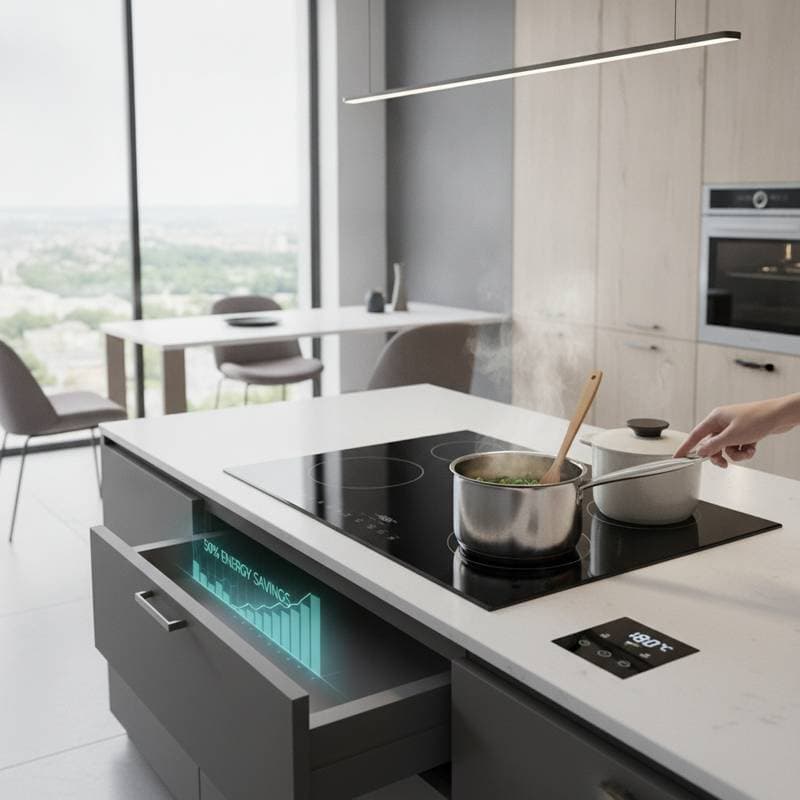
Activation occurs through integrated touch-sensitive controls, either flush-mounted in the countertop or via a nearby panel. The system detects compatible cookware and confines heating to the precise area, ceasing operation immediately upon removal. This precision minimizes energy waste and eliminates hot spots on the surrounding surface.
In practical terms, the inactive state provides an expansive, obstacle-free area for food preparation or serving. For compact kitchens, this feature maximizes usable space, allowing seamless transitions between cooking and other tasks.
Key Factors for Successful Installation
Precision defines the installation of invisible induction cooktops, as misalignment can lead to performance issues or structural problems. Contractors must address electrical, mechanical, and material aspects systematically. Below are the primary considerations:
-
Electrical Infrastructure: Allocate a dedicated circuit rated for at least 40 amps per unit, equipped with proper grounding and ground-fault circuit interrupter (GFCI) protection. Avoid sharing circuits to prevent overloads during peak usage.
-
Ventilation Requirements: Position units to allow 2-4 inches of clearance below for natural airflow, or incorporate low-profile vents to dissipate operational heat from the coils.
-
Countertop Reinforcement: After cutting precise apertures for the units, install galvanized steel supports or epoxy-resin infills to maintain structural rigidity and prevent flexing under weight.
-
Zone Identification: Opt for laser-etched outlines or low-voltage LED rings embedded in the surface to delineate cooking zones subtly, aiding user orientation without visual disruption.
-
Service Accessibility: Design cabinetry with hinged access panels or modular base sections, enabling technicians to reach wiring and components without major disassembly.
-
Regulatory Adherence: Verify that all components carry UL listing or equivalent certifications, and engage installers certified by the manufacturer to ensure warranty validity and code compliance.
Adhering to these protocols results in a durable, high-performing system that integrates effortlessly into the kitchen layout.
Benefits of Invisible Induction Systems
Properly executed invisible induction installations offer multifaceted advantages that elevate daily kitchen use:
-
Versatile Surface Utilization: The continuous countertop supports diverse activities, from slicing ingredients to plating meals, without fixed boundaries interrupting workflow.
-
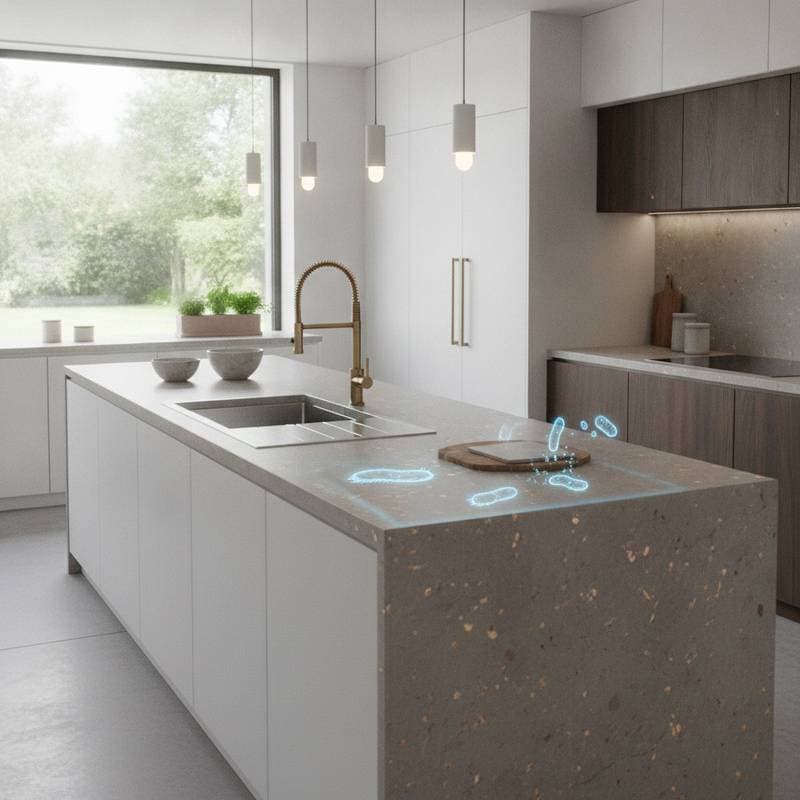
Superior Safety Profile: Heating confines to cookware, reducing burn risks; the surface temperature rarely exceeds 140 degrees Fahrenheit, and it cools within seconds of deactivation.
-
Effortless Maintenance: Smooth surfaces resist residue accumulation, requiring only mild detergent and a soft cloth for cleaning, free from crevices that harbor debris.
-
Optimized Energy Use: Direct heating methods achieve up to 90 percent efficiency, lowering utility costs compared to traditional gas or electric alternatives.
-
Elevated Home Appeal: This feature appeals to discerning buyers, often increasing perceived value by 5-10 percent in luxury remodels through its demonstration of innovative craftsmanship.
These gains depend on selecting materials like quartz or granite with ferromagnetic permeability and thickness between 1.25 and 2 inches for optimal heat transmission.
Ensuring Long-Term Performance
Invisible induction cooktops demand minimal upkeep, yet proactive measures preserve their condition:
-
Gentle Handling of Utensils: Lift rather than slide heavy items to avoid micro-abrasions; use protective mats for prolonged static loads.
-
Compatible Vessel Selection: Employ pots and pans with flat, magnetic bases; test non-magnetic items with a magnet to confirm suitability.
-
Control Surface Care: Clean sensor areas with isopropyl alcohol wipes to remove oils, ensuring responsive touch detection.
-
Thermal Monitoring: Inspect for subtle shading from repeated exposure; apply manufacturer-specified heat shields during intensive cooking sessions.
-
Routine Professional Checks: Arrange annual inspections to evaluate coil alignment, insulation integrity, and electrical connections, addressing any performance variances promptly.
With these practices, systems maintain peak efficiency and appearance for over a decade.
Professional Perspectives on Integration
Contractors appreciate invisible induction for its promotion of cohesive design, eliminating visible appliances that fragment counter space. This approach fosters innovative layouts, such as linear cooking zones that blend with islands or peninsulas. Collaboration among electricians, fabricators, and installers proves essential, with shared blueprints ensuring dimensional accuracy.
The technology also elevates installation standards, demanding exact tolerances in fabrication and finishing. Such rigor minimizes callbacks and enhances client satisfaction through reliable outcomes.
Steps to Implement Invisible Induction
To incorporate this technology effectively, initiate with a comprehensive site assessment to evaluate electrical capacity and countertop specifications. Select partners experienced in induction retrofits, requesting portfolios of prior projects. Develop detailed CAD renderings that illustrate unit positioning, wiring paths, and reinforcement details prior to fabrication.
Budget for premium materials and labor, anticipating costs 20-30 percent above standard cooktops due to customization. Conduct a dry-run assembly off-site to verify fit before final installation. This methodical process yields a kitchen that harmonizes advanced functionality with understated elegance.
Invisible induction cooktops advance kitchen evolution by merging innovation with everyday utility. Homeowners gain spaces that prioritize safety, efficiency, and style, delivering enduring value through thoughtful execution.