Induction Zones: Why They Surpass Gas Stoves by 2026
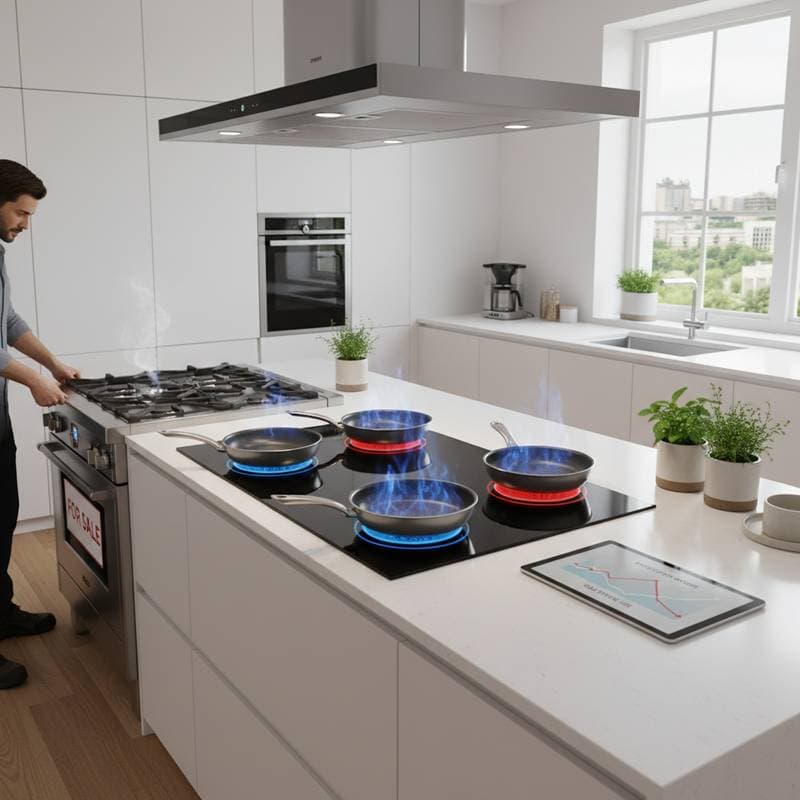
Imagine standing in the kitchen, watching water heat slowly on a gas burner while excess warmth radiates outward. The flame flickers, yet much of the energy dissipates unused. This scenario prompts consideration of induction cooktops as a more effective option.
Induction cooking proves faster, more efficient, safer, cleaner, and more accessible than gas alternatives. For those undertaking a kitchen renovation or replacing an outdated range, grasping induction mechanics and advantages supports an informed, forward-thinking decision.
Reasons Homeowners Choose Induction Over Gas
Gas stoves offer familiar control, yet induction matches that responsiveness and exceeds it in key areas. The following factors drive the shift among homeowners.
1. Speed and Energy Efficiency
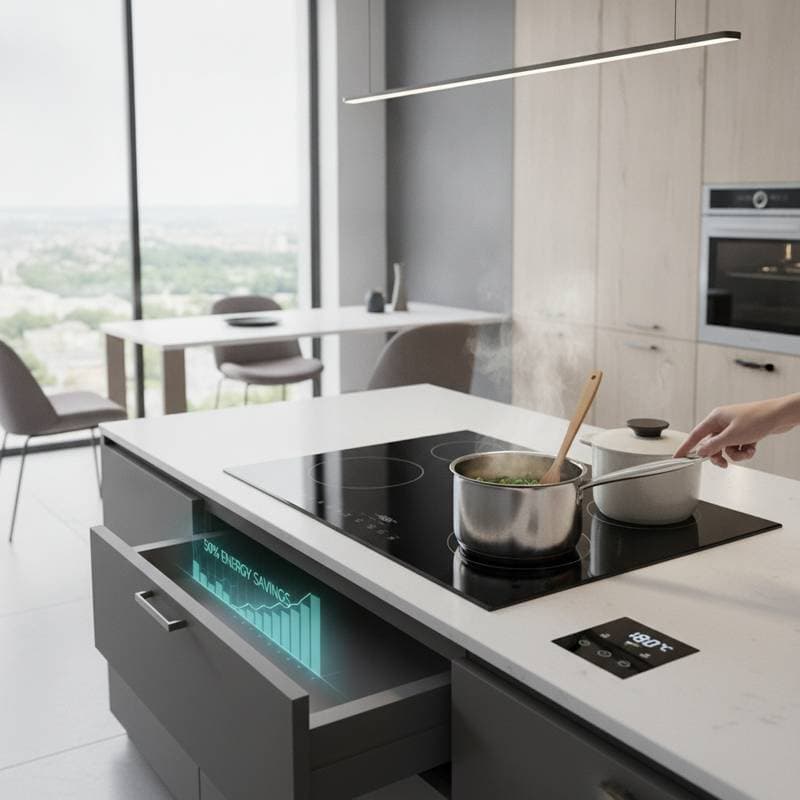
Induction cooktops channel up to 90 percent of energy into cookware, compared to roughly 40 percent for gas. This high transfer rate enables quicker cooking times, reduced utility bills, and decreased kitchen heat buildup. Cooks achieve precise searing, simmering, or sautéing, followed by simple surface maintenance since the top remains mostly cool.
2. Enhanced Safety and Air Quality
Gas combustion produces nitrogen dioxide, carbon monoxide, and particulates that compromise indoor air, even with exhaust fans. Induction avoids flames altogether. Activation occurs only with a magnetic pan in place, minimizing burn risks and fire hazards. Households with young children or pets appreciate this added layer of protection.
3. Simplified Maintenance
Cleaning gas cooktops involves tackling residue around grates and ports. Induction features a seamless glass or ceramic top. Since spills rarely scorch due to the cool surface, routine care requires just a damp cloth. This ease reduces daily effort and preserves the unit's longevity.
4. Advanced Features and Aesthetics
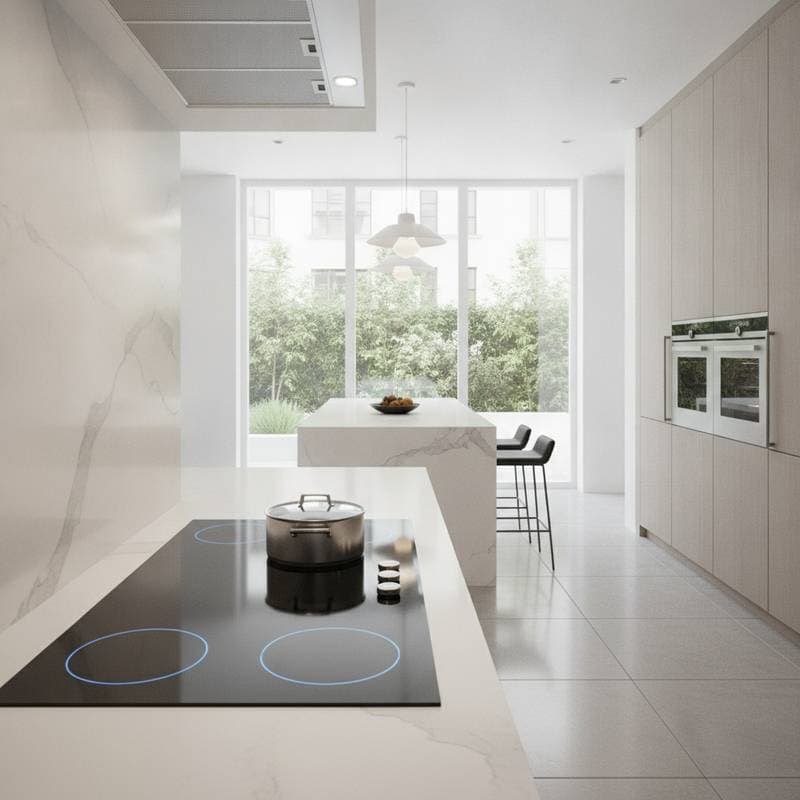
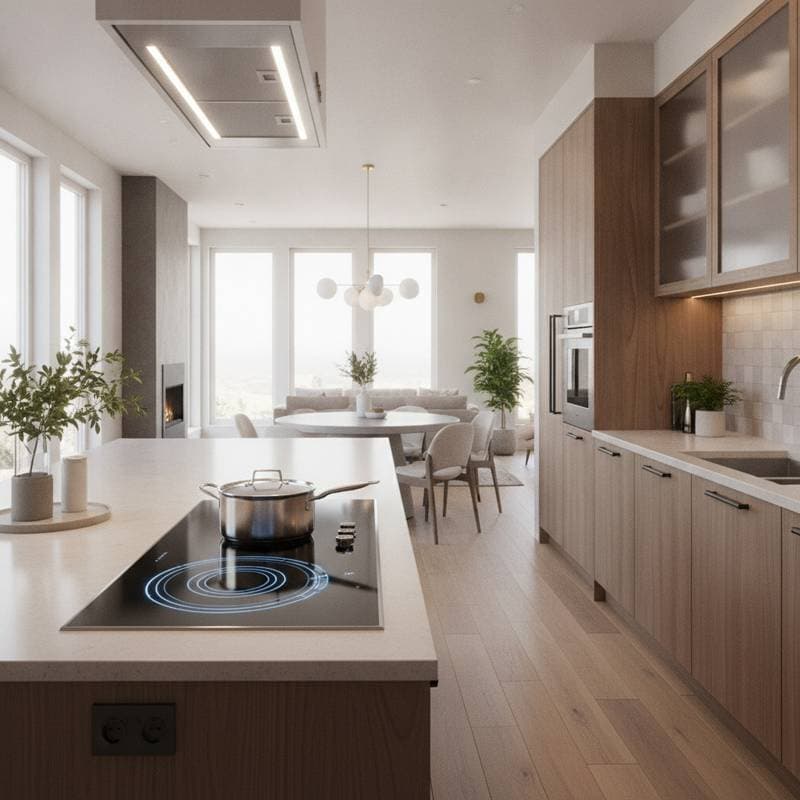
Many induction models incorporate touch-sensitive interfaces, exact temperature controls, and flexible zones. Bridge functions combine adjacent areas for uniform heating of oversized cookware. The flush, minimalist profile enhances kitchen modernity and optimizes counter space.
Essential Cookware for Induction
Induction demands ferromagnetic materials in pots and pans for effective heating. Cast iron and magnetic stainless steel perform optimally. Non-magnetic options like aluminum, copper, or glass require induction-compatible inserts.
Verify existing items with a magnet test: firm adhesion confirms suitability. For replacements, allocate $100 to $200 for a starter set. Quality cookware promotes even heat distribution and reliable results.
Electrical and Setup Requirements
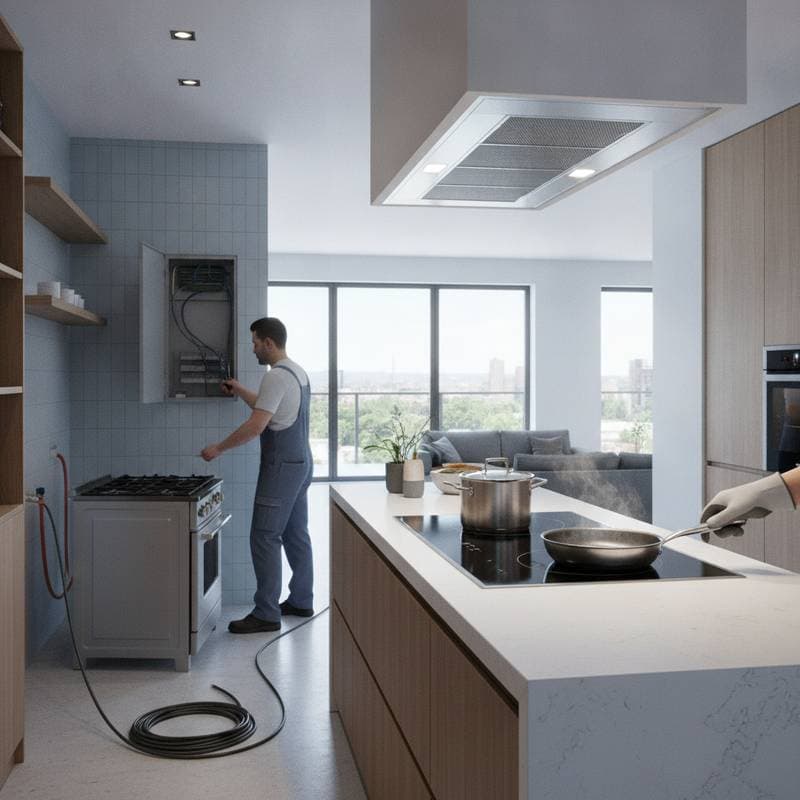
Evaluate kitchen wiring before purchasing. Induction appliances demand 30 to 50 amps based on configuration. Electricians can add circuits if the panel lacks capacity; older homes might require service panel enhancements for safe operation.
Transitioning from gas necessitates capping the fuel line, a task for licensed plumbers costing $100 to $250. Consult local codes, as permits may apply to electrical alterations or appliance changes.
Broader Health and Sustainability Advantages
Induction fosters healthier living spaces by eliminating combustion byproducts linked to respiratory issues. It also cuts household emissions, especially when paired with renewable electricity.
Building regulations in various areas promote electric appliances for new builds, aligning induction with progressive standards. This choice elevates cooking while advancing environmental responsibility.
Engaging Professional Assistance
DIY appliance changes suit some, but induction setups warrant expert input. Electricians assess and upgrade circuits to prevent overloads. Plumbers secure gas lines properly. Professional involvement ensures compliance, safety, and warranty integrity.
Steps to Transition to Induction
Upgrading to induction represents a worthwhile kitchen enhancement, with refined technology, steady pricing, and evident superiorities.
Review electrical setup and cookware compatibility first. Research units fitting your budget and preferences, prioritizing features like zone flexibility or smart integration.
As adoption grows, induction emerges as the benchmark for contemporary kitchens. For upcoming renovations, seize this opportunity to cook with unmatched accuracy, savings, and assurance.