Induction Cooking Heats Faster and Keeps Your Air Clean
Induction cooking uses magnetic fields to heat cookware directly. This method delivers heat almost instantly while avoiding the open flames and combustion byproducts associated with gas ranges.
How Induction Technology Works
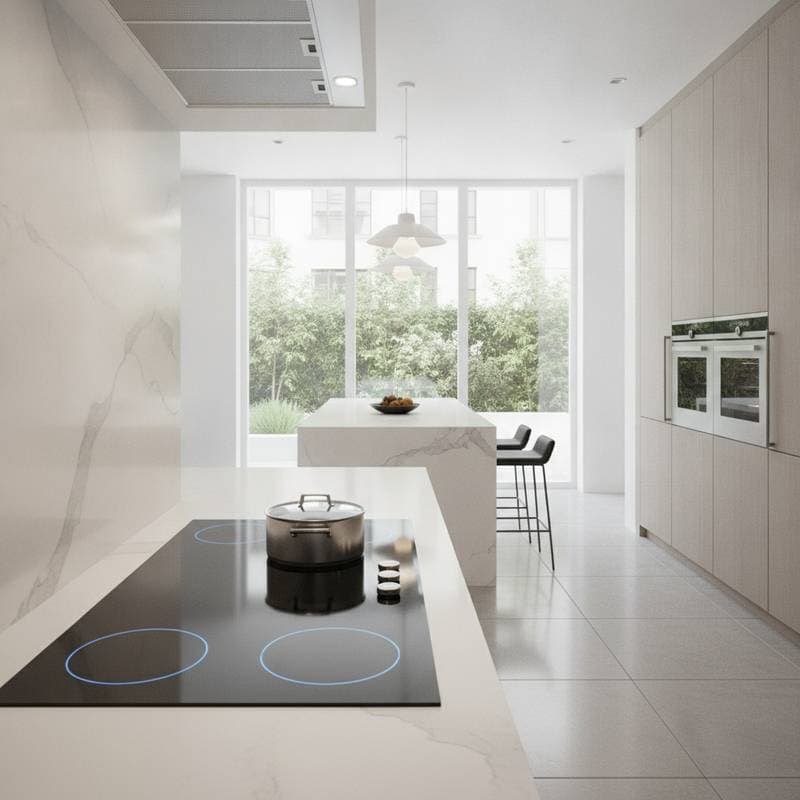
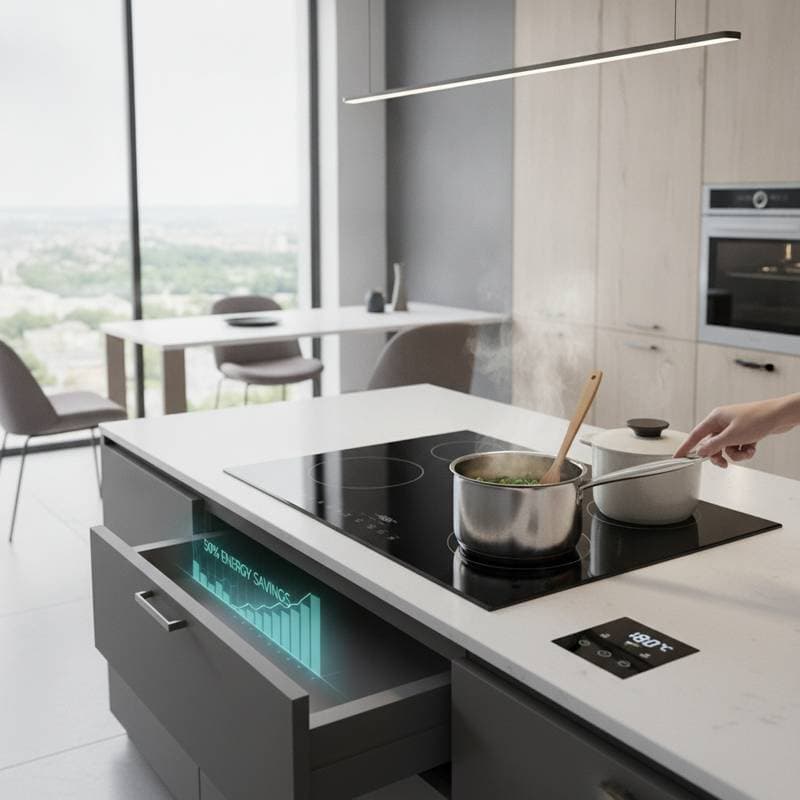
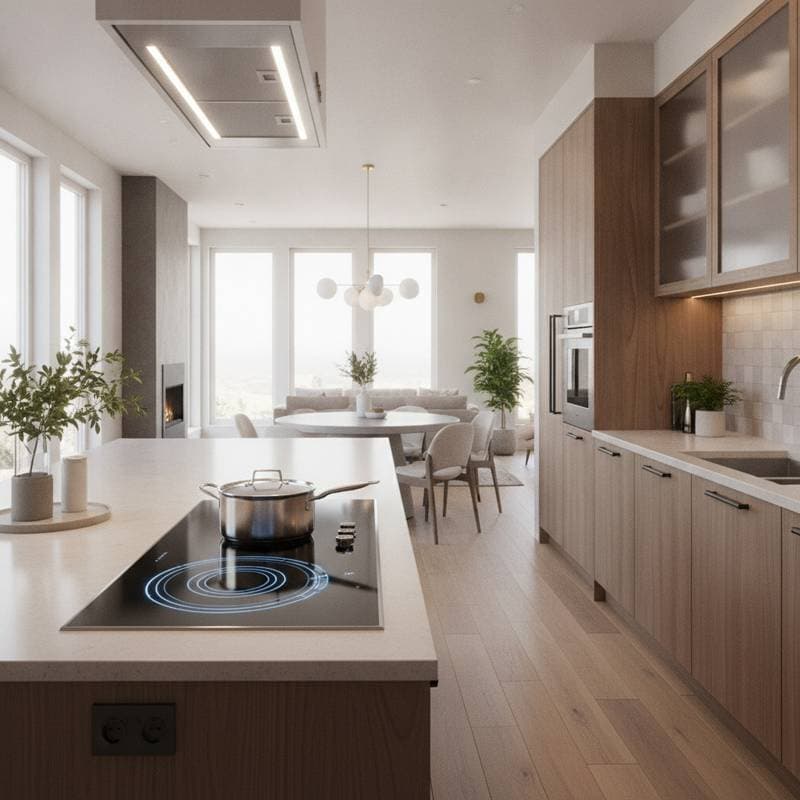
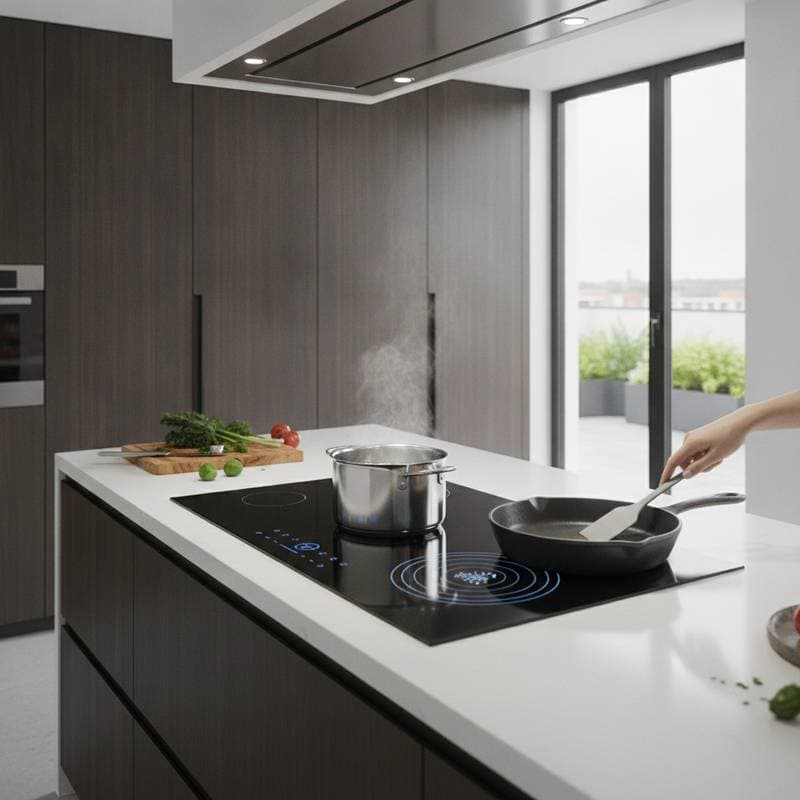
An induction cooktop contains a coil beneath a smooth ceramic surface. When activated, the coil generates an electromagnetic field that interacts with ferrous metals in compatible pots and pans. The cookware itself becomes the heat source, which reduces wasted energy and allows precise temperature adjustments.
Users control power levels through touch panels or knobs. Response times are measured in seconds rather than minutes, which supports techniques such as rapid boiling or gentle simmering without overshooting target temperatures.
Advantages for Speed and Air Quality
- Water reaches a rolling boil up to 50 percent faster than on a gas burner of comparable wattage.
- No gas combustion occurs, which eliminates nitrogen dioxide and particulate emissions inside the kitchen.
- The cooktop surface stays cooler outside the cooking zone, lowering the risk of accidental burns.
- Sleek, flat designs simplify cleaning because spills do not collect in burner grates.
These characteristics make induction suitable for homes that prioritize indoor air quality and quick meal preparation.
Energy Efficiency and Safety Features
Induction units transfer approximately 85 to 90 percent of input energy into the pan. Gas ranges typically achieve only 40 percent efficiency because much of the flame energy escapes around the sides. Automatic pan detection turns off power when no cookware is present, which further reduces standby consumption.
Safety interlocks prevent the surface from heating without compatible metal above the coil. Residual heat indicators alert users when zones remain warm after use.
Steps to Transition from Gas
- Verify that existing cookware contains a magnetic base by testing with a refrigerator magnet.
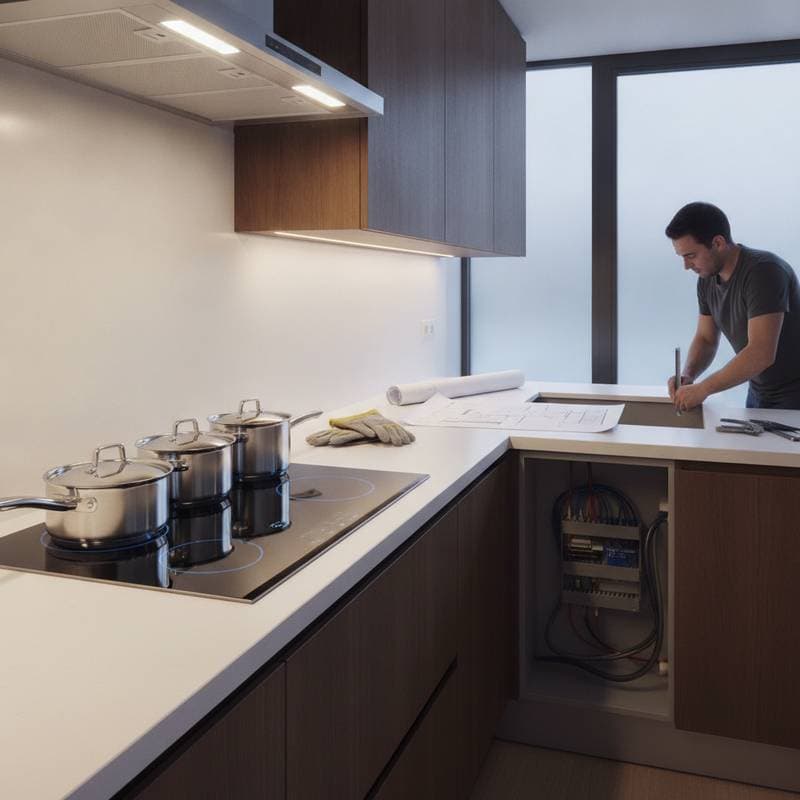
- Confirm the electrical service can support the required circuit amperage, usually 40 to 50 amps for a full range.
- Measure countertop depth and overhead clearance to ensure the new unit fits the space.
- Practice with lower power settings initially, because heat transfer occurs more rapidly than with gas.
Many manufacturers offer portable single-burner units for trial before a full installation.
Selecting Compatible Cookware and Ranges
Look for induction-ready labels on stainless steel and cast iron pieces. Avoid glass, aluminum, or copper unless they incorporate a magnetic layer. Ranges with multiple cooking zones and bridge elements accommodate larger pots and griddles.
Built-in downdraft ventilation or pairing with an external hood further improves air circulation during high-heat cooking.
Daily Cooking with Greater Precision
Temperature settings remain stable once reached, which benefits sauces, chocolate tempering, and sous vide methods. The absence of flame reduces the chance of uneven heating along pan edges.
Home cooks report consistent results across repeated batches because digital controls eliminate variability caused by gas pressure fluctuations.
Planning Your Kitchen Upgrade
Assess current ventilation, electrical capacity, and cookware inventory before purchase. Professional installation ensures proper grounding and code compliance. Once in place, the combination of rapid response, reduced emissions, and straightforward maintenance supports both everyday meals and elaborate preparations.