Embrace Induction Cooking for Your 2026 Gas Free Kitchen
The kitchen serves as the heart of the home where design and function shape daily routines. Communities continue to adopt gas free standards, which opens new possibilities in kitchen planning. Induction cooking delivers precision, cleanliness, and refined appearance that supports both regulatory needs and elevated living.
This change allows fresh approaches to materials, layout, and daily use. The following sections outline practical ways to integrate induction while improving both performance and style.
Sculptural Simplicity of Induction Surfaces
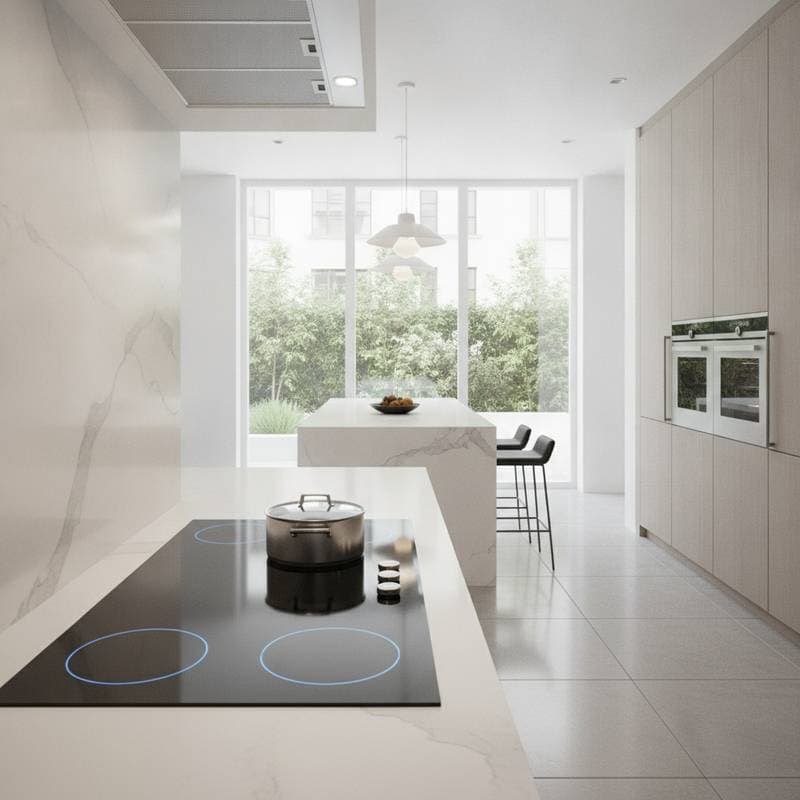
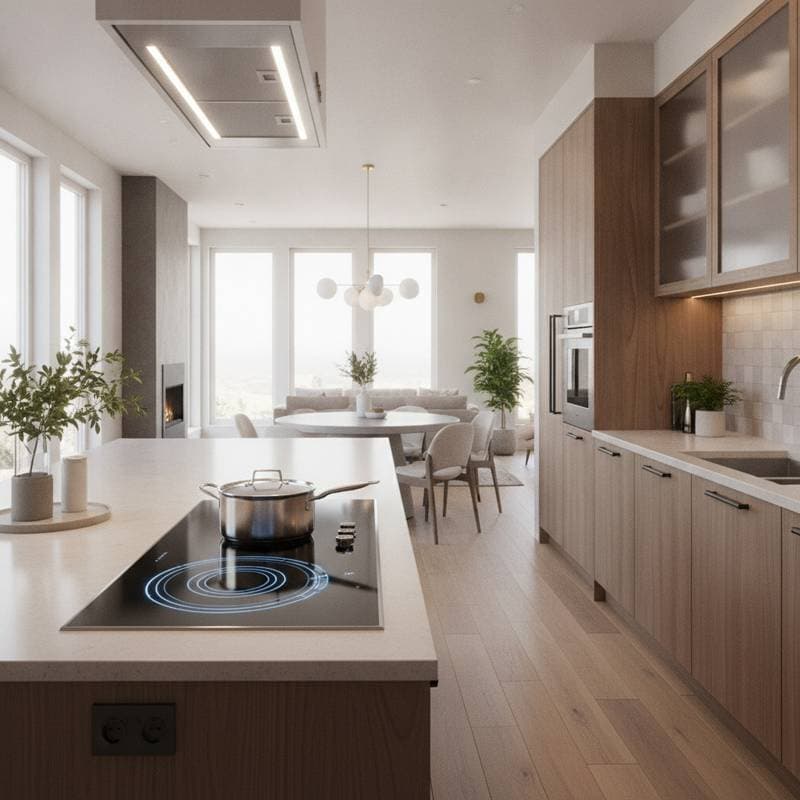
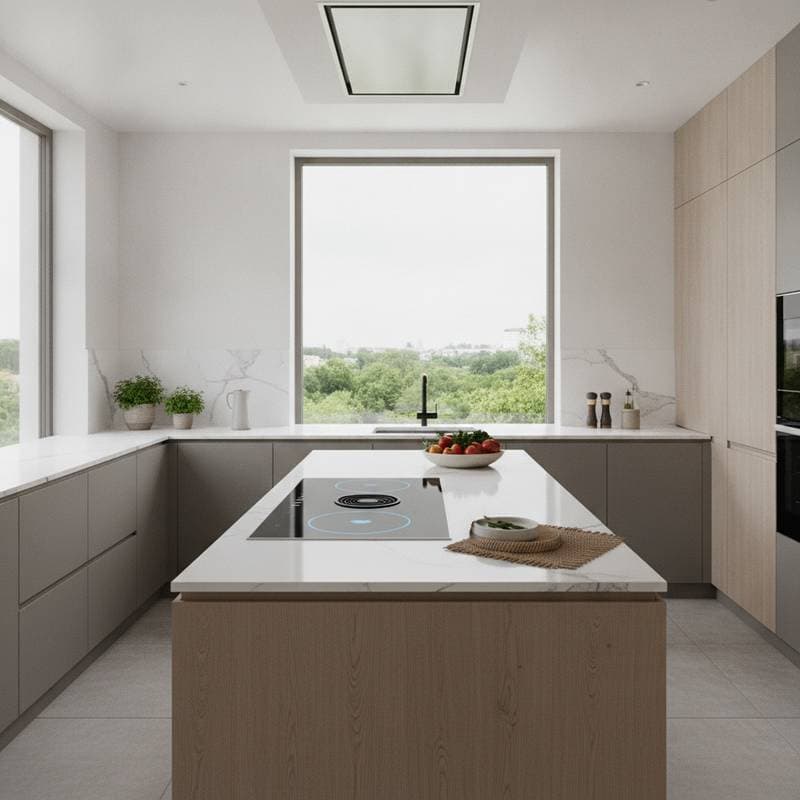
Induction cooktops present a smooth plane of black glass or ceramic that sits flush with countertops. Homeowners often select honed marble, flamed granite, or matte Dekton to maintain visual continuity. The flat surface removes bulky grates and burners that interrupt cabinetry lines.
Architect Jess Parker notes that induction offers minimal form with high performance. This approach lets textures and cabinetry remain the focus. The result creates a calm setting that supports cooking without visual clutter.
Flexible Layout Options
Induction units remove the need for gas lines and heavy venting, which allows placement on islands or custom stations. Designer Carla Huang installed a flush unit in a walnut island that shifts from prep area to dining surface. Portable models store away when idle to preserve clear counters.
Multi zone cooktops such as the Miele KM 7897 FL detect pan position and adjust output automatically. These features support modular designs that suit both small and large spaces.
Cleaner Air and Daily Comfort
Induction produces no open flame or combustion byproducts. Indoor air stays free of nitrogen dioxide and related pollutants. Surfaces remain cool outside the cooking zone, which reduces accidental contact risks.
Designer Rafael Lopez incorporates induction into projects that also use low VOC finishes and efficient lighting. The combination supports health and environmental goals at once.
Responsive Temperature Control
Electromagnetic fields heat cookware directly, which creates rapid and accurate adjustments. A sauce can move from simmer to boil in seconds. Chef Hannah Grier uses induction to melt chocolate evenly and to sear without flare ups.
Consistent output removes guesswork during delicate tasks. Cooks gain reliable results across a range of techniques.
Material Pairings for Modern Spaces
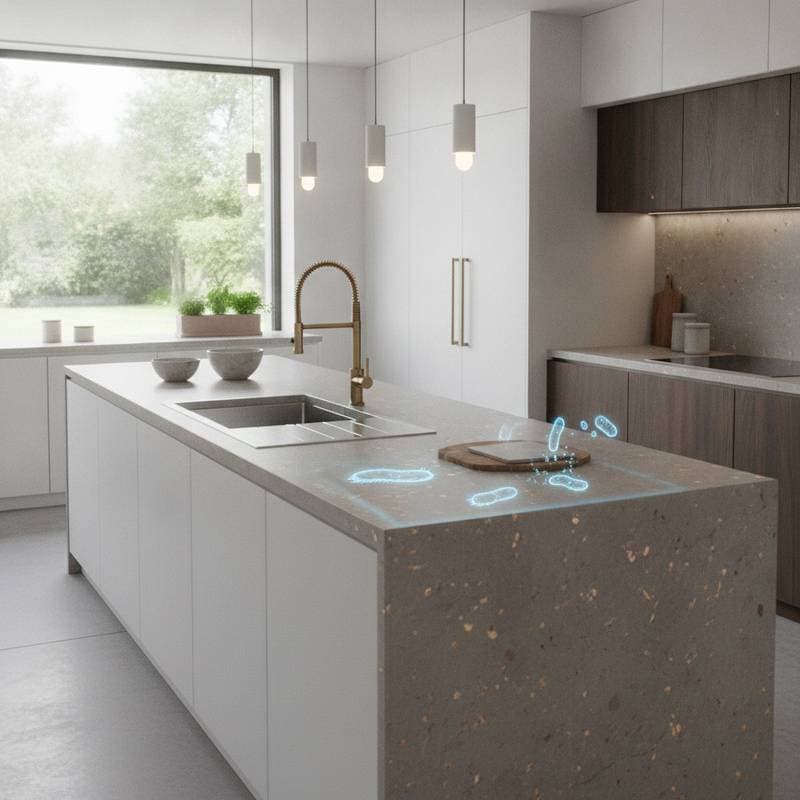
Black glass pairs with brushed nickel, pale ash, or terrazzo to create depth. Matte graphite units contrast well with limestone, while monochrome schemes use high gloss black with veined marble. One recent project set the cooktop into Caesarstone quartz with a concrete texture for balanced reflection and tactility.
Energy Performance and Refined Details
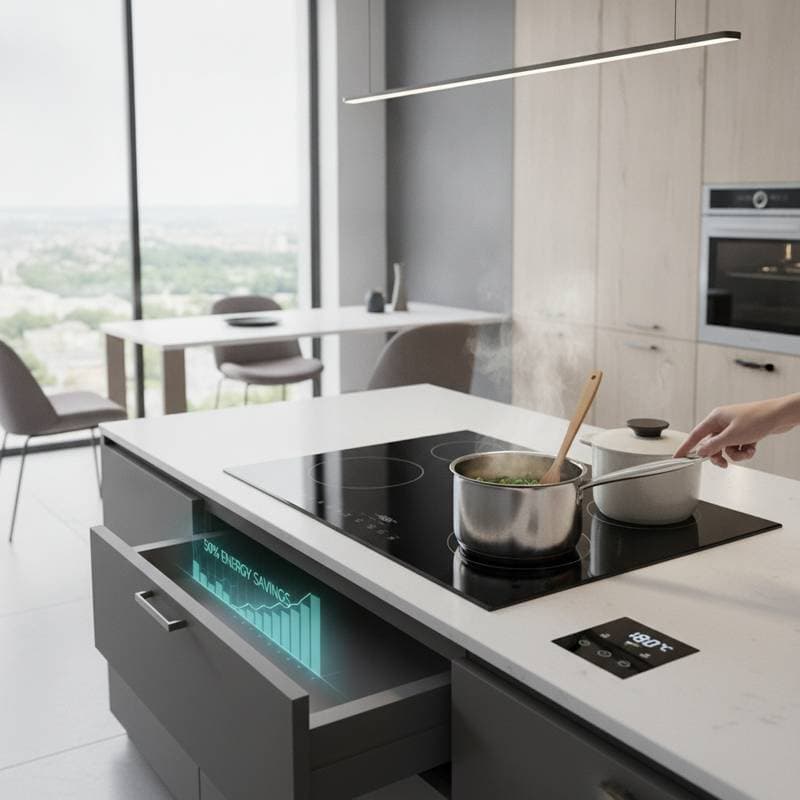
Induction directs up to ninety percent of energy into the pan, which shortens cook times and limits excess heat. Brands such as Gaggenau and Bora integrate touch controls and downdraft ventilation that remain nearly invisible. These elements deliver efficiency without sacrificing appearance.
Layered Lighting Strategies
Without flame light, designers rely on dimmable LEDs under cabinets and sculptural pendants above islands. Marina Keane uses reflection on the glass surface to animate the space while textured bronze or oak absorbs glare for balance.
Smart Features That Support Daily Rituals
Touch controls and automatic sensors integrate with ventilation systems that activate on heat detection. Technologist Daniel Moretti keeps technology in the background so it enhances routines rather than drawing attention. Hidden storage and scene lighting complete the coordinated experience.
Compliance as a Design Opportunity
Gas restrictions now shape many projects, yet they encourage creative solutions. Studios such as Norra and Vega pair induction with recirculating hoods and energy efficient ovens. The outcome meets codes while expressing values through material and layout choices.
Quiet Operation and Lasting Calm
Induction produces only a low hum and cools quickly after use. Heat stays limited to the pan, which reduces overall kitchen temperature. Designer Lila Moore describes this quality as the architecture of calm, achieved through long sightlines and rift sawn oak paired with stainless steel.
Steps to Install an Induction Kitchen
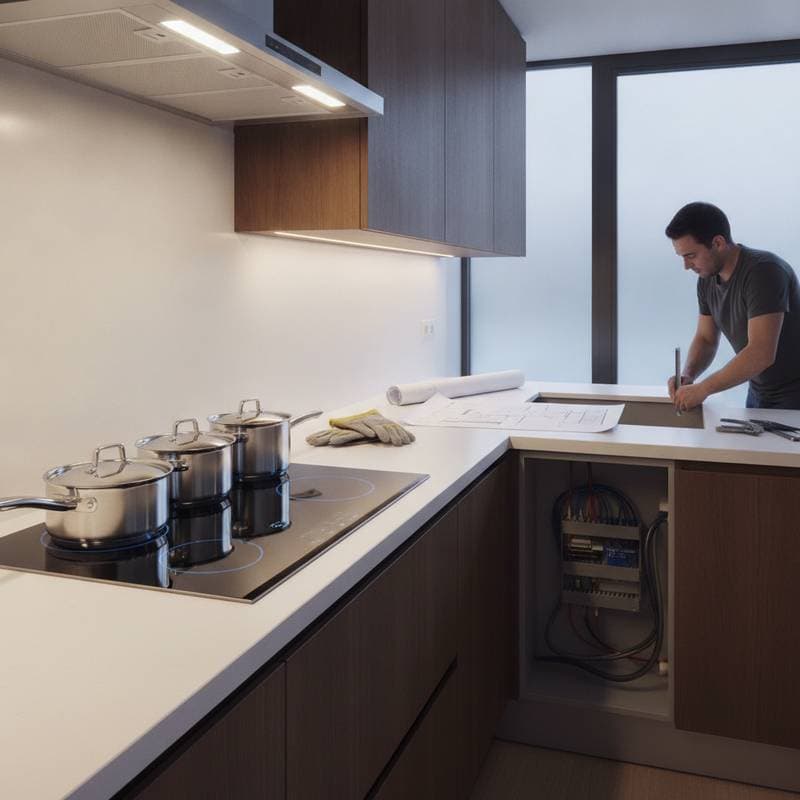
Select cookware with magnetic bases such as cast iron or compatible stainless steel. Plan ventilation that matches the unit output and consider cabinetry that hides cords. Combine the cooktop with ovens that meet current efficiency standards. These choices keep the full system cohesive and practical.
Induction supports cleaner air, precise cooking, and streamlined surfaces. Homeowners gain a kitchen that meets future standards while improving daily function and visual appeal.