Why All Electric Kitchens Lead Modern Home Design
Homeowners are rethinking kitchen standards. The move to all electric cooking reflects priorities in performance, safety, and energy use. As a remodeling contractor with experience in hundreds of installations, I have observed electric systems deliver better precision and lower upkeep than gas alternatives.
Hidden Drawbacks of Gas Cooking Systems
Gas appliances release pollutants such as carbon monoxide and nitrogen dioxide into indoor air. These substances build up even with ventilation in place. Households with children or respiratory issues face higher risks from prolonged exposure.
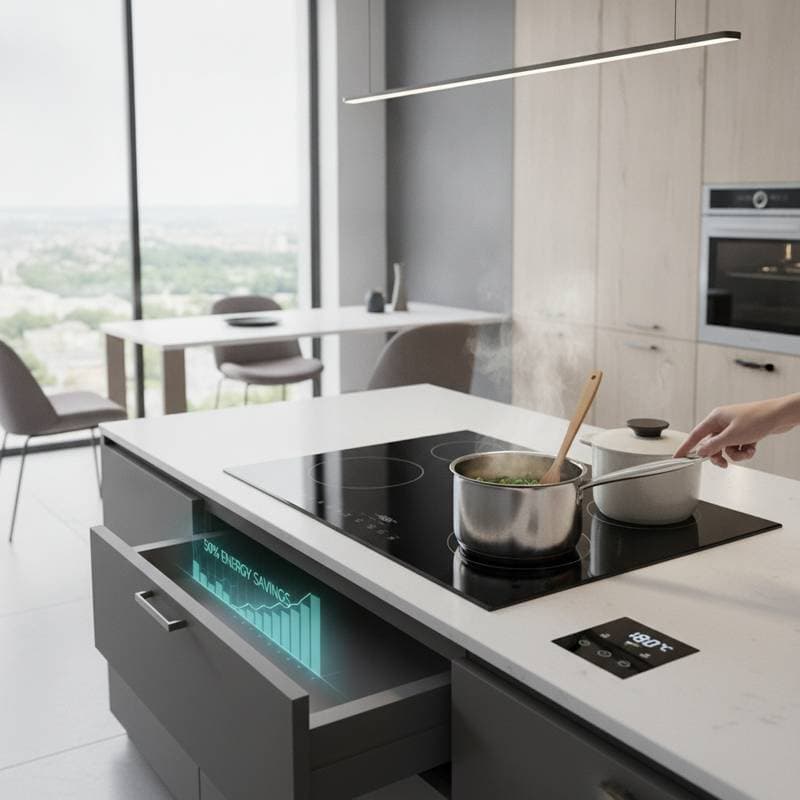
Gas also wastes energy through heat loss around burners. Induction cooktops transfer energy directly to cookware for faster boiling and exact temperature control. This efficiency reduces cooking times and utility expenses.
Gas lines demand regular inspections and carry risks of leaks or combustion issues. Electric setups remove these concerns. Installations become simpler without gas infrastructure, which cuts down on project delays and safety liabilities.
Energy Savings Through Induction Technology
Induction cooktops direct nearly all energy into the pan rather than the surrounding air. This approach lowers overall power consumption compared with open flame methods. Electric ovens provide consistent heat distribution that improves baking results without constant adjustments.
The absence of gas piping allows greater flexibility in kitchen layouts. Designers can position appliances based on workflow needs instead of mechanical constraints. This freedom benefits both small urban spaces and expansive custom homes.
Improvements in Air Quality and Health
Gas burners elevate nitrogen dioxide levels indoors beyond typical outdoor thresholds. Pollutants persist after cooking ends despite range hood use. All electric kitchens eliminate combustion sources to maintain cleaner air throughout the home.
Residents with allergies notice reduced surface residue and fewer lingering odors. Tightly sealed homes benefit most from this stability since ventilation demands decrease.
Reduced Upkeep and Project Efficiency
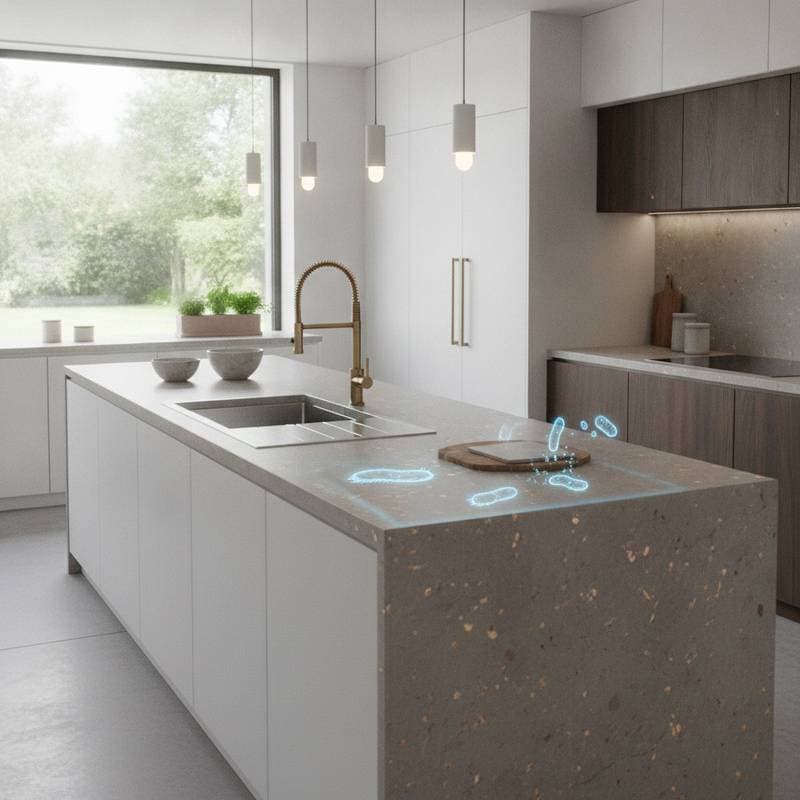
Electric appliances involve fewer components that require servicing. Glass induction surfaces clean easily without grates or soot. Homeowners spend less on routine checks and avoid unexpected repairs.
Contractors complete projects faster without coordinating gas work. Fewer permits and overlapping schedules lead to shorter timelines that help balance appliance costs.
Updated Safety Standards and Buyer Preferences
Building codes increasingly restrict gas installations. Electric kitchens meet current energy requirements without future modifications. Properties without gas connections appeal to buyers concerned about safety and compliance.
Induction surfaces stop heating when no pan is present, which lowers burn and fire hazards. This feature can affect insurance considerations in multi unit buildings.
Layout Options and Visual Appeal
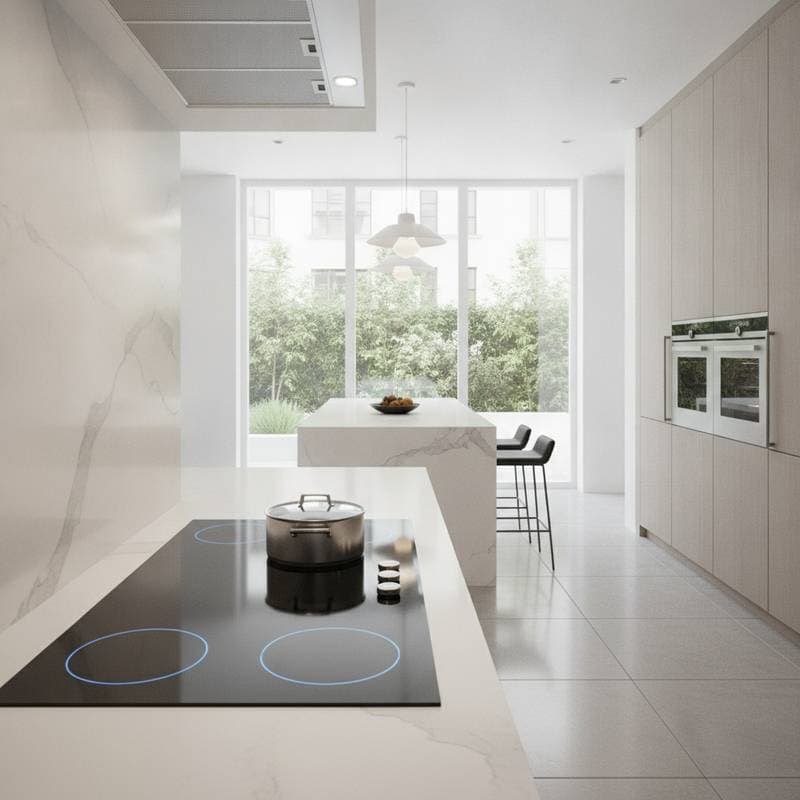
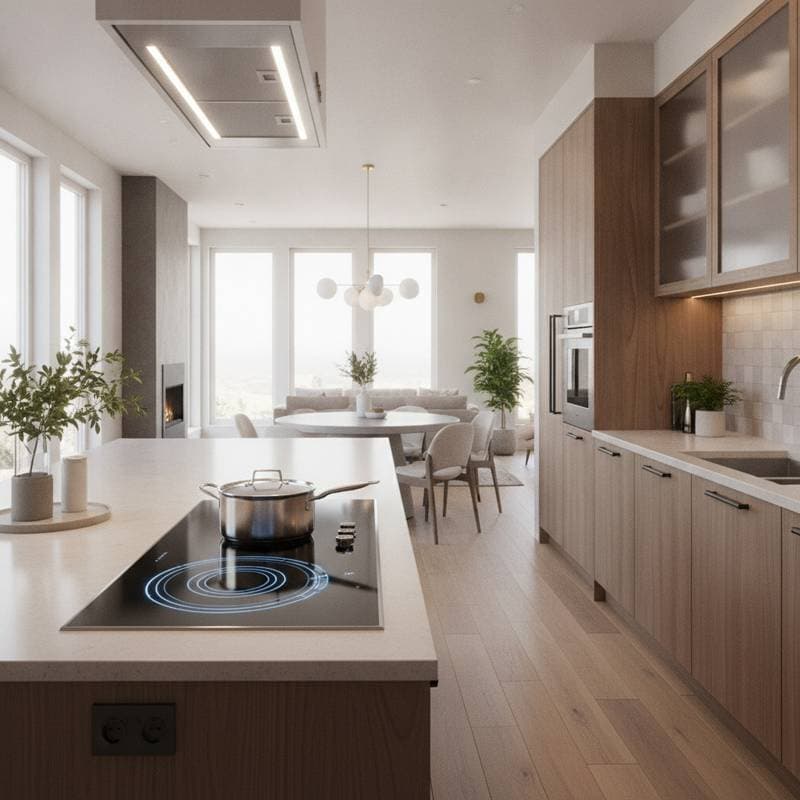
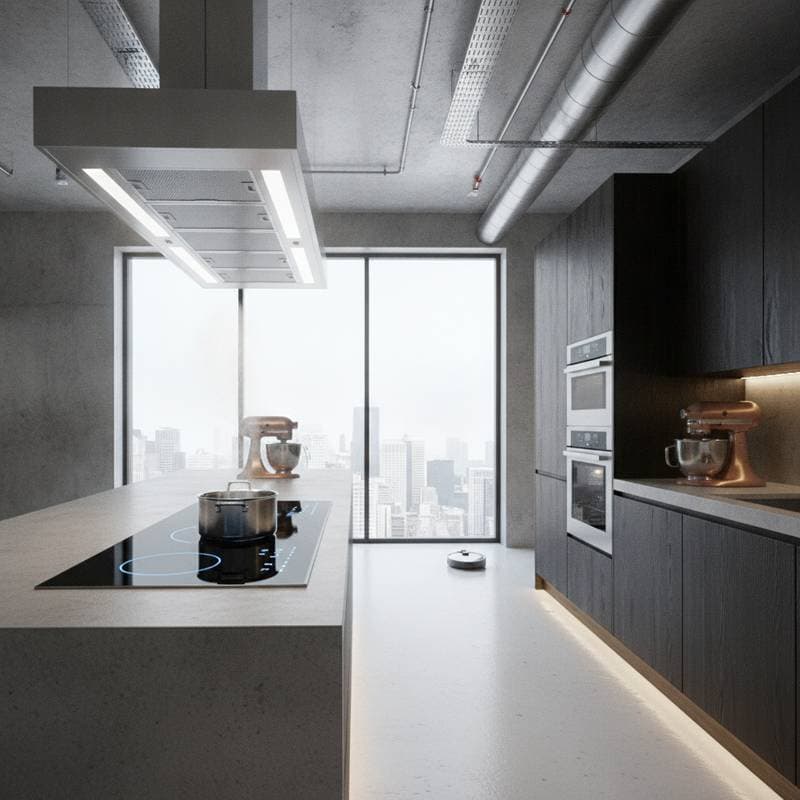
Designers integrate electric appliances flush with counters and cabinets. Cooktops serve as extra workspace when idle. Ovens fit in optimal locations without pipe limitations.
These options support clean lines and integration with other home systems. Both modern and classic styles gain from the streamlined appearance.
Steps for a Successful Conversion
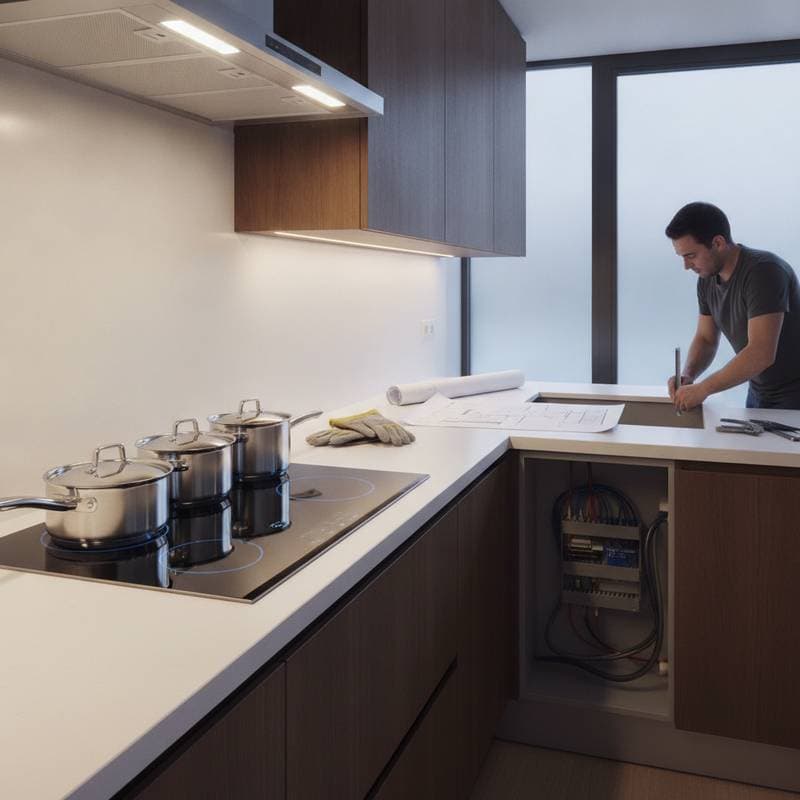
Assess electrical panel capacity before any upgrade. Older homes often need added circuits or service increases. A professional load calculation prevents overloads during simultaneous appliance use.
Homes with adequate wiring transition quickly using standard 240 volt connections. Pairing with solar or storage systems adds further independence from grid variations.
Planning Your Kitchen Upgrade
Evaluate electrical needs first with qualified professionals. Select reliable induction equipment backed by solid support. The advantages in daily use, air quality, and design flexibility make the investment worthwhile for many households.