Induction Zones Redefine Modern Kitchen Layout Trends
As a contractor who has remodeled hundreds of kitchens, I have seen how cooking technology drives layout decisions. The rise of induction cooking zones represents one of the biggest shifts in kitchen design in decades. Homeowners are moving away from traditional gas or electric burners toward flexible induction surfaces. This shift changes how we plan, build, and live in our kitchens.
Challenges with Traditional Cooktops
For years, the standard kitchen layout revolved around a fixed range. Everything else, from cabinetry to ventilation, had to adapt around that one bulky unit. This limited design flexibility and often forced compromises in traffic patterns and counter space.
Gas and electric coils also bring heat, fumes, and cleanup challenges. Many homeowners underestimate how much heat a gas range releases into a small kitchen. It affects comfort, ventilation, and even long-term cabinet finishes.
Benefits of Induction Technology
Induction cooking zones solve many of these issues. They heat pots and pans directly using magnetic energy instead of heating the air or the cooktop surface. This process is faster, cleaner, and safer. The surface stays relatively cool, spills do not burn on, and precise temperature control becomes effortless.
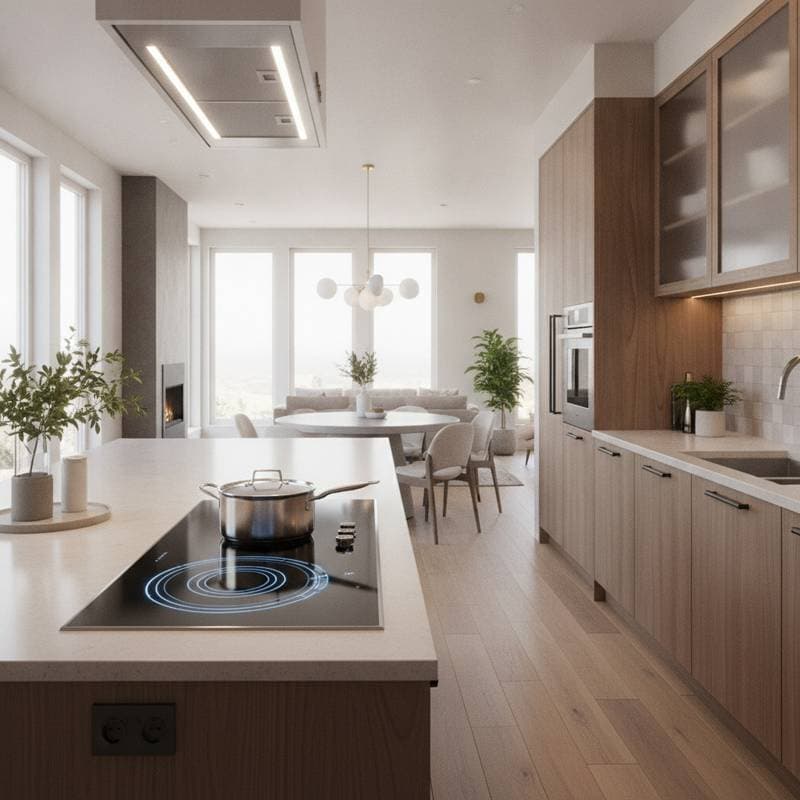
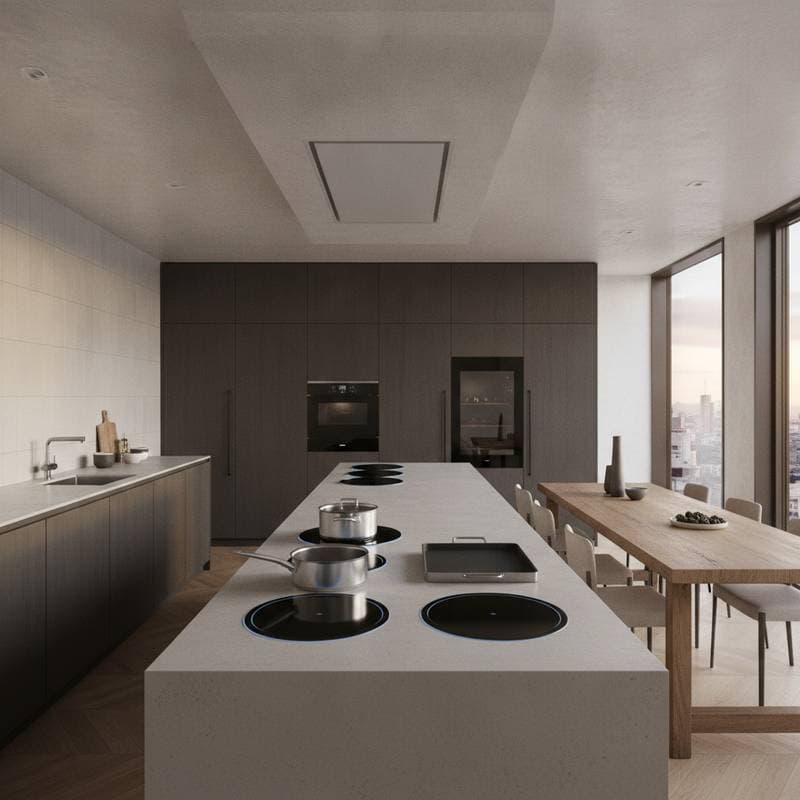
From a builder perspective, induction systems open design possibilities that were never practical before. You can install them flush with the countertop for a seamless look. You can also divide them into separate zones across the kitchen.
Flexible Layout Options
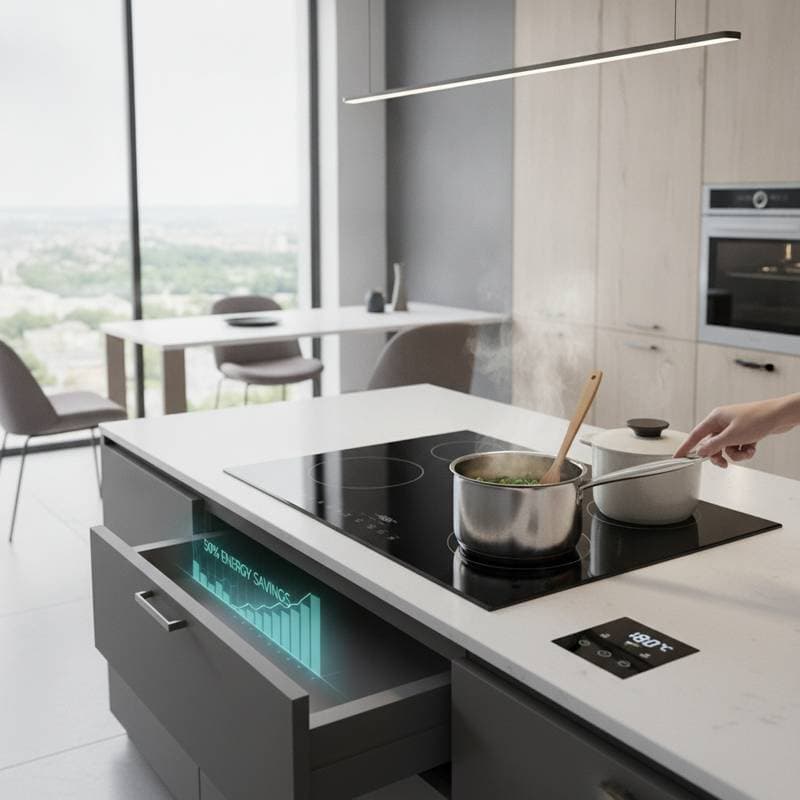
The biggest design advantage of induction zones is layout freedom. Instead of one fixed cooking spot, you can distribute cooking areas where they make the most sense. This supports a more ergonomic and social kitchen design. For example, one client wanted to cook while talking with guests at the island. We installed a two-zone induction unit directly into the island surface.
This modular approach also supports universal design principles. People with mobility challenges can choose counter heights that suit them and place induction modules accordingly. No open flames mean fewer safety concerns for children or elderly family members.
Energy and Electrical Requirements
Induction systems are more energy efficient than gas or traditional electric units. Nearly all the energy goes into the cookware, not the air. That means cooler kitchens and lower utility bills over time. Homeowners should understand that induction cooking requires proper electrical planning. These units draw significant power, and multiple modules may need dedicated circuits.
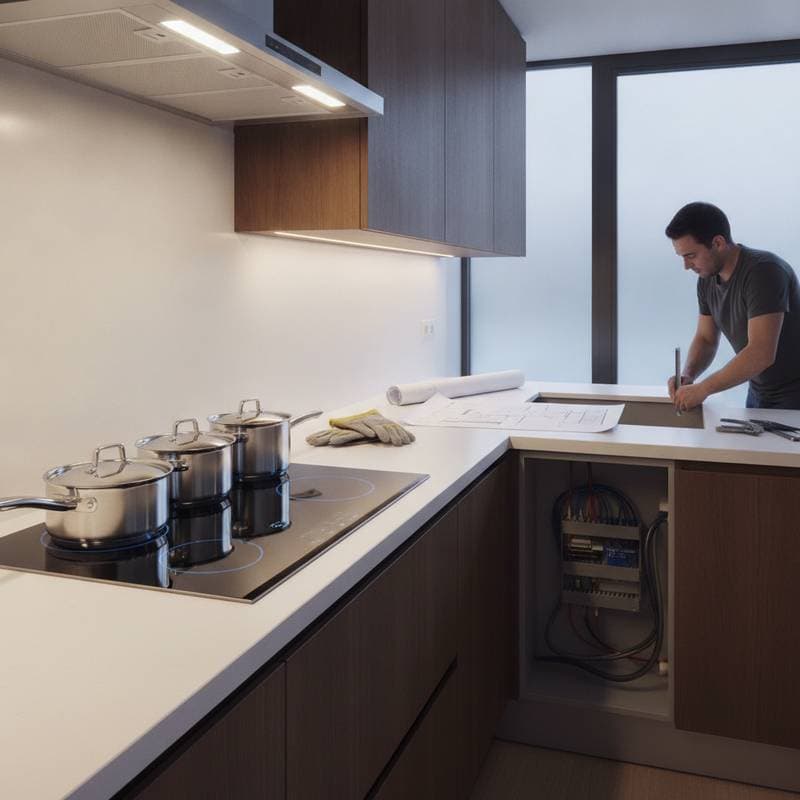
Involve a licensed electrician early in the design process. If you are remodeling an older home, you might need to upgrade the panel to handle the load.
Installation and Material Choices
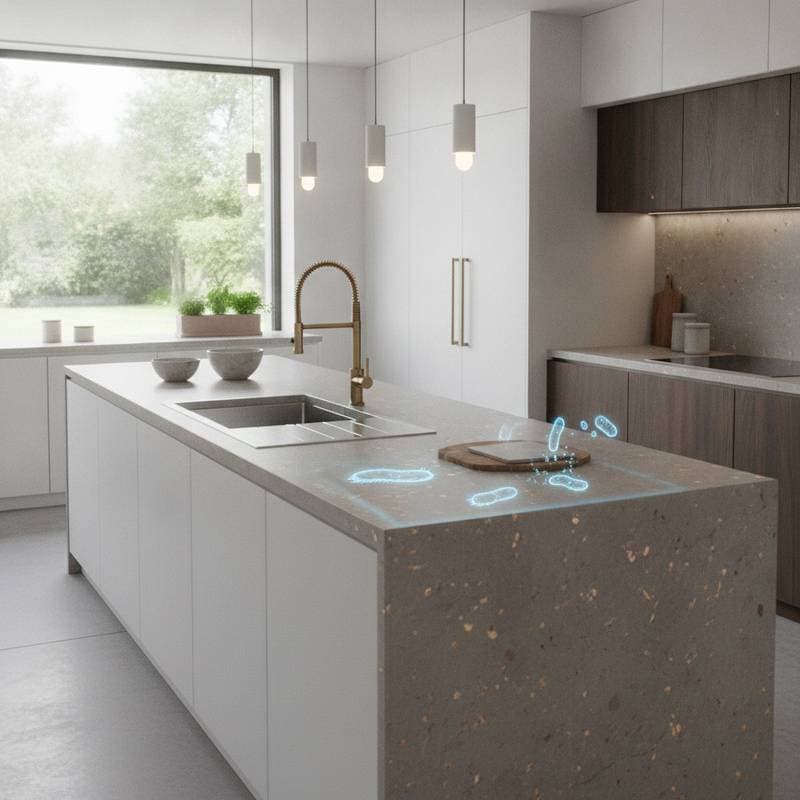
Induction zones pair best with solid, heat resistant countertop materials such as quartz, granite, or porcelain slabs. Laminate surfaces are not ideal because they can warp from residual heat. When installing flush mounted units, precision cutting and proper ventilation clearance are critical.
Verify that your installer understands induction specific requirements. Poor installation can cause condensation buildup or reduced performance over time.
Ventilation and Safety Features
Many homeowners assume that induction means no ventilation. While it produces less heat and no flame byproducts, steam and cooking odors still need to be managed. A low profile range hood or downdraft system works well with induction layouts.
Safety wise, induction zones excel. The surface only heats when a compatible pan is present. If you remove the pan, the heat immediately stops. This feature reduces fire risk and makes cleanup safer.
Design and Aesthetic Appeal
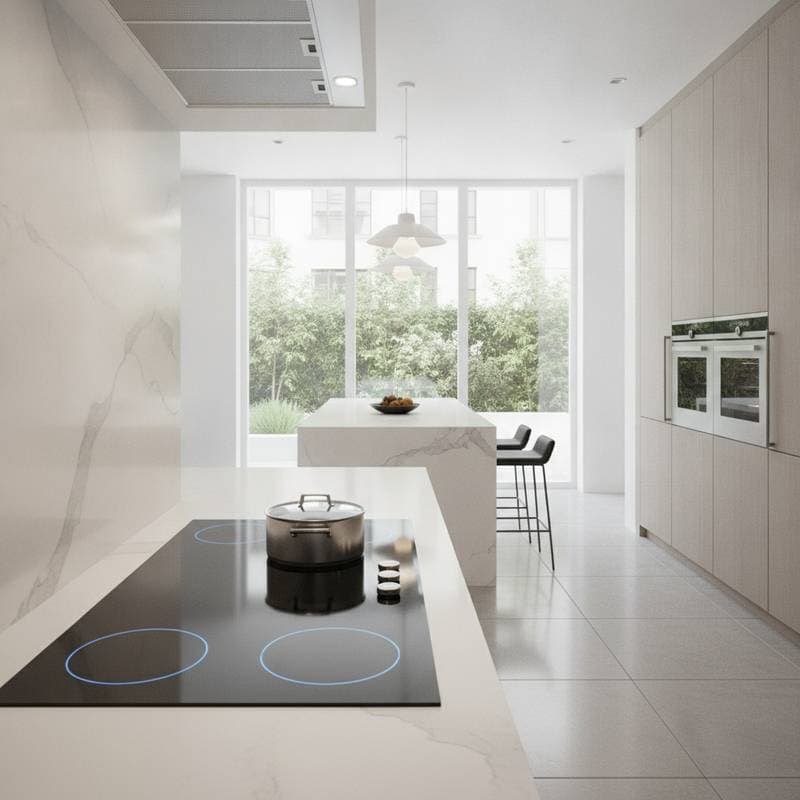
Designers love induction because it supports minimalist aesthetics. A black glass surface that disappears into the counter gives a sleek, modern look. When not in use, the area functions as regular counter space. This is valuable in smaller kitchens where every inch counts.
Evaluating Costs and Value
Induction zones cost more upfront than standard electric or gas cooktops. Yet when you factor in energy efficiency, reduced ventilation needs, and lower maintenance, the lifetime cost often balances out. The real value lies in performance and flexibility.
Homeowners planning a full remodel should see induction not as a luxury but as a long-term investment. A well planned induction layout can increase both property value and daily enjoyment.
Selecting the Right Setup for Your Kitchen
If you are considering induction zones, start by thinking about how you actually cook. Do you need all burners in one place, or would a split layout improve your workflow? Discuss your habits with your contractor and designer early. They can help determine power needs, ventilation options, and countertop compatibility.