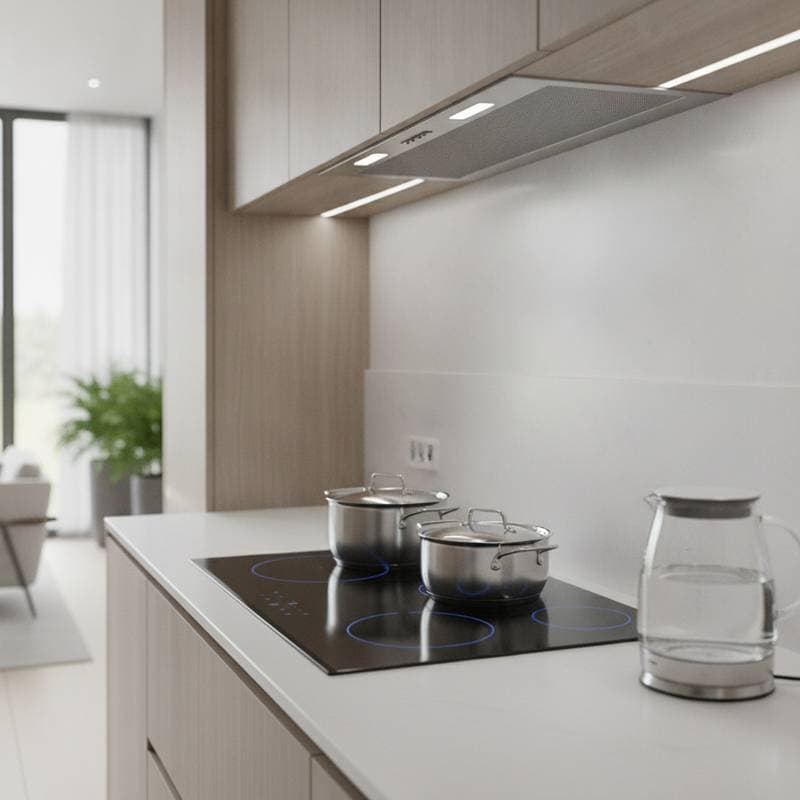
Why Induction Cooktops Are Replacing Gas Stoves
Every kitchen reflects the values and daily rhythms of its time. The familiar blue flame of gas ranges once stood for precision and professional results. Today a quieter technology has taken the lead. Induction cooking delivers performance, sustainability, and refined design that align with contemporary homes.
Cleaner Energy Sources
Induction cooktops run on electricity instead of fossil fuels. This choice reduces indoor emissions and supports lower carbon goals. Architects and designers now specify models from Miele, Bosch, and Fisher & Paykel for projects that combine high performance with environmental responsibility.
Quiet Operation and Rapid Response
Induction produces only a soft hum rather than the sound of gas flames. Heat reaches the pan instantly and adjusts with precision. Chef Emily Roberts of Studio Elemental notes that the experience resembles driving a well tuned electric car because every input meets an immediate response. The calm atmosphere suits open kitchens that share space with living areas.
Minimalist Surface Design
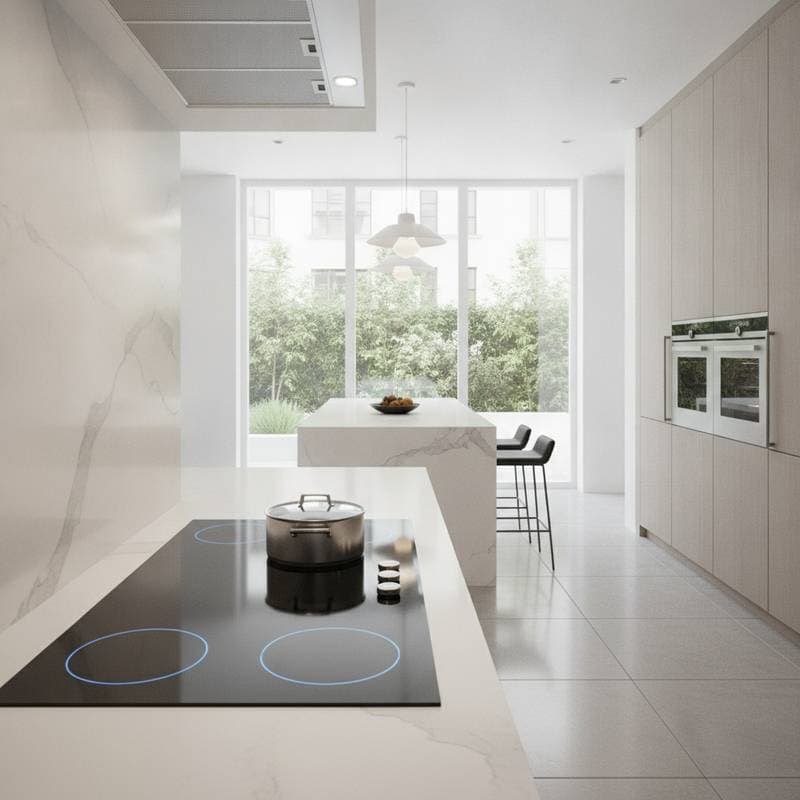
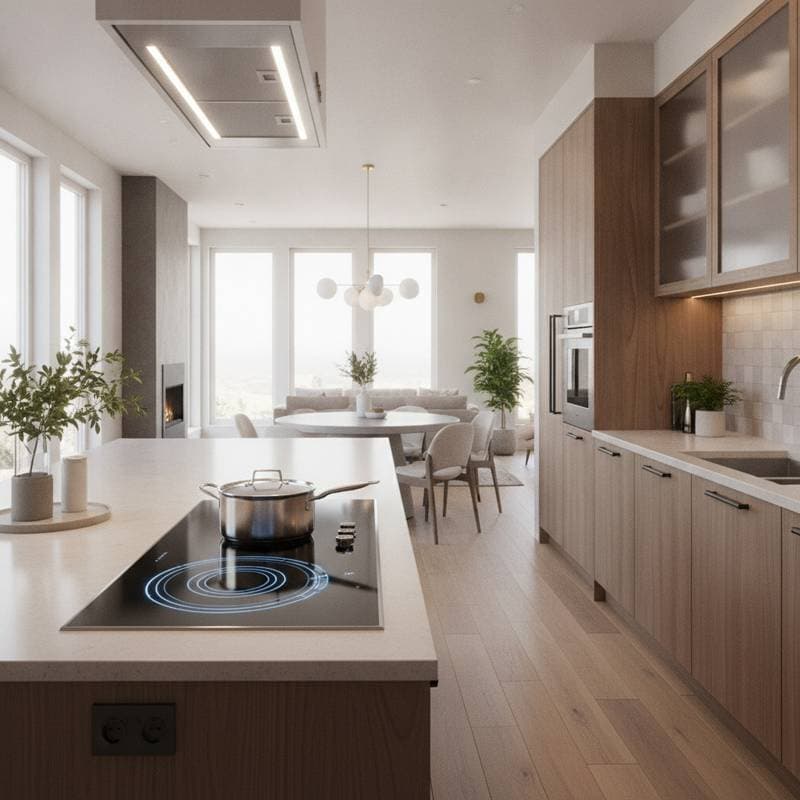
Without grates or knobs the cooktop becomes a smooth plane that blends into the countertop. Designers such as Tomoko Inoue of Atelier Form pair matte black ceramic glass with stone or marble for uninterrupted visual lines. When turned off the surface reads as part of the work area rather than a separate appliance.
Built In Safety Features
Induction heats only the cookware. The surrounding glass stays cool enough to touch. This reduces burn risks and allows families to use the kitchen together without added concern. Architect Luis Ramirez of Forma Studio observes that the feature changes how households interact with the cooking zone.
Consistent Temperature Control
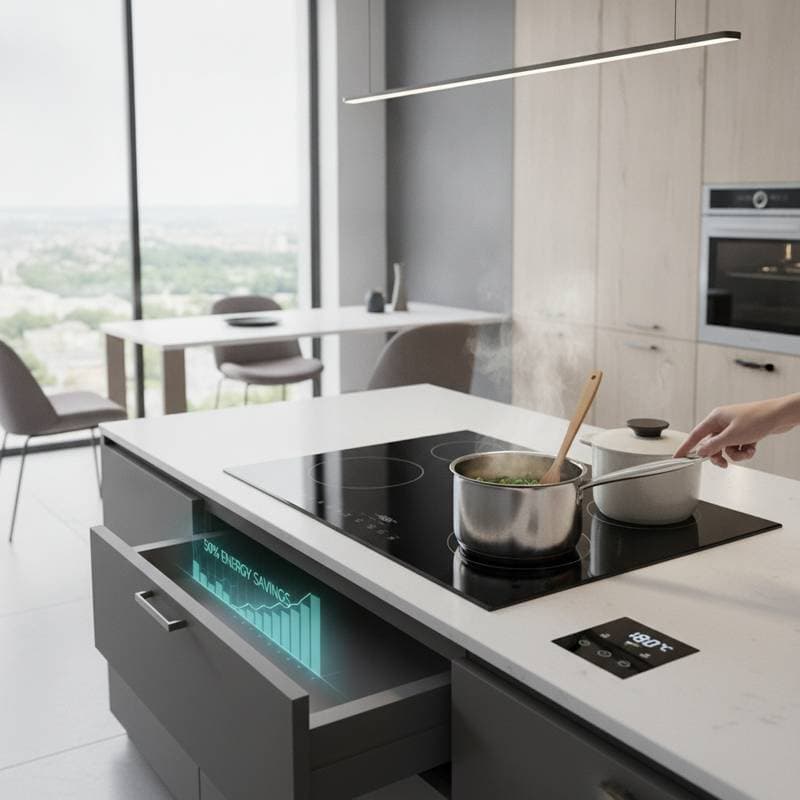
Temperature shifts occur immediately and hold steady at low settings. Sauces and delicate items maintain exact heat without fluctuation. Energy moves directly into the pan so kitchens stay cooler during use.
Improved Indoor Air Quality
Gas combustion releases nitrogen dioxide and particulates. Induction avoids combustion and therefore requires less aggressive ventilation. Designers can specify smaller, quieter hoods that preserve sightlines and ceiling height.
Long Term Durability
Smooth glass surfaces resist stains and wear. The appliances last longer and fit future all electric homes. Interior designer Clara Jensen of Jensen Design Group explains that clients now plan for kitchens that adapt as energy systems evolve.
Compatible Materials and Finishes
Black glass cooktops complement current preferences for clean geometry and tactile surfaces. A flush mounted Gaggenau unit beside oak cabinetry and quartz counters creates contrast between organic warmth and precise technology. Recessed lighting accentuates the material transitions.
Connected Home Integration
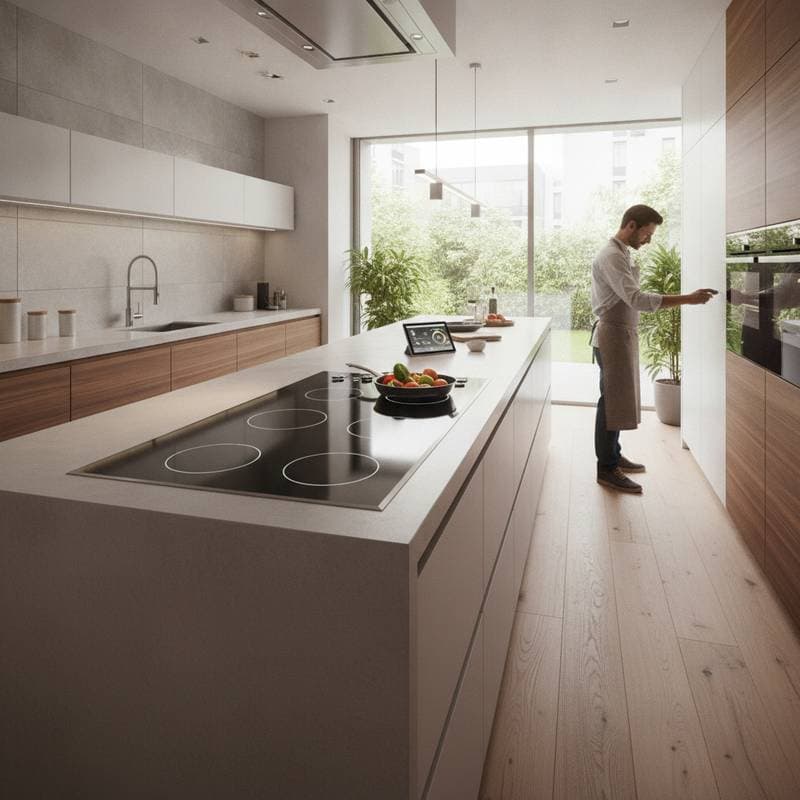
Many models include pan detection, touch controls, and app monitoring. The Samsung Infinite Line series adds guided cooking modes and energy tracking. These features become part of a larger system that links appliances, lighting, and ventilation.
The Contemporary Kitchen Standard
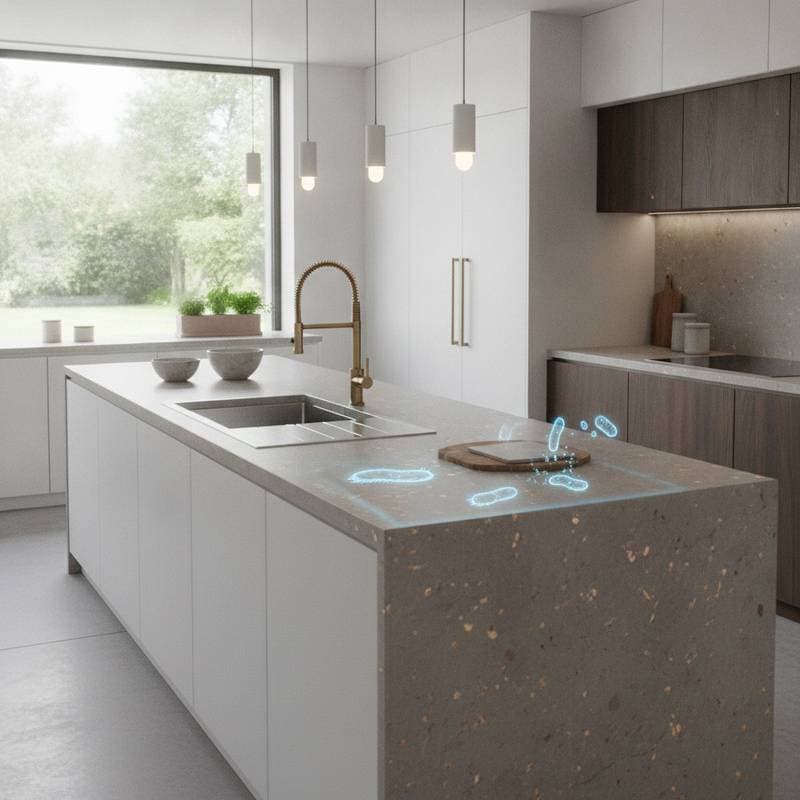
Induction cooking supports the modern kitchen as the center of sustainable, comfortable living. The smooth surface encourages easy cleaning. The absence of flame promotes a calm environment. Homeowners who pair induction with efficient appliances and thoughtful lighting gain a space that reflects both innovation and hospitality.
Planning Your Transition
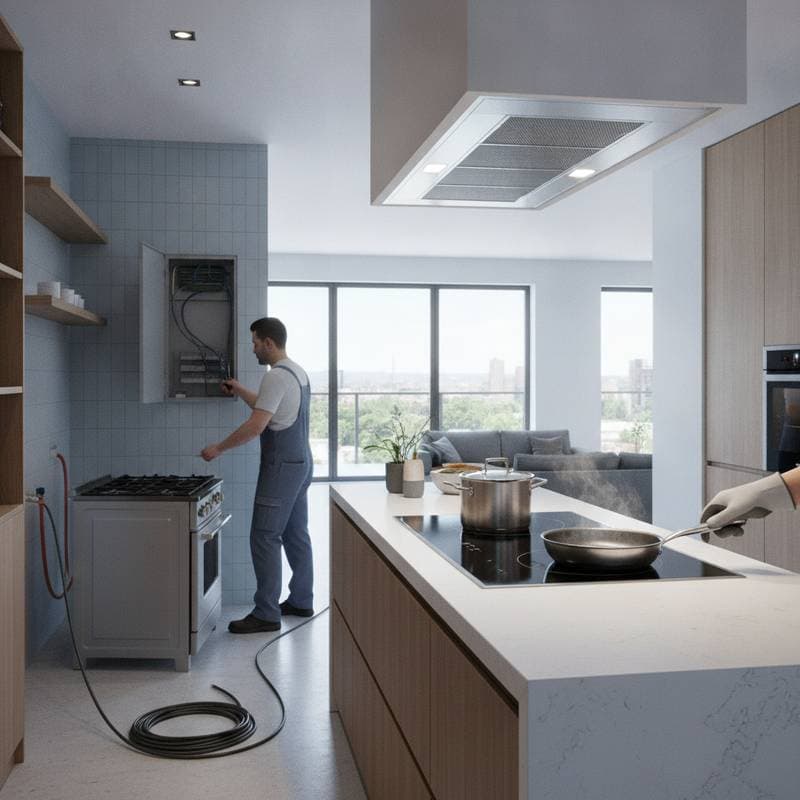
Measure your existing cookware to confirm compatibility with magnetic fields. Consult an electrician about circuit requirements before installation. Once in place the cooktop rewards daily use with consistent results and lower operating noise.