Gas Stove Bans in Over 70 Cities Reshape Kitchen Designs
Dozens of cities now restrict or ban natural gas hookups in new construction. This change alters kitchen layouts, power systems, and material selections during both new builds and renovations. The impact extends beyond fuel choice to ventilation needs, countertop configurations, and long term home value.
Contractors report that gas stoves once represented the preferred cooking option. Current regulations direct many projects toward electric or induction systems instead. The transition requires attention to technical requirements, budget considerations, and design adaptations.
Effects of Gas Restrictions on Kitchen Layouts
Switching from gas to electric or induction cooking influences multiple design elements at once. Power capacity, ventilation options, and cabinet dimensions all require review.
Electrical Panel and Circuit Requirements
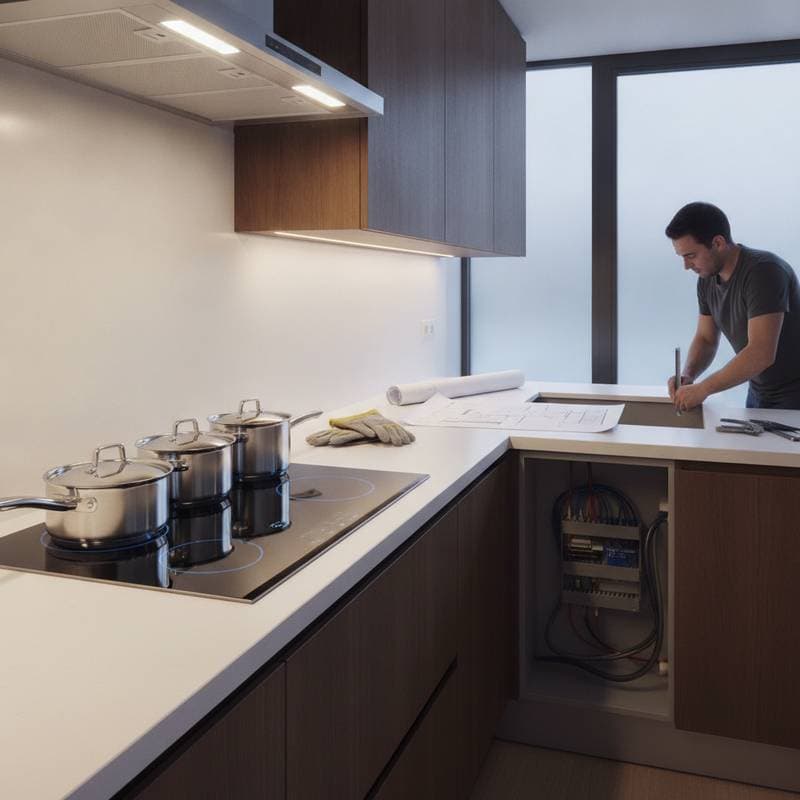
Induction cooktops often need a dedicated 240 volt circuit. Older homes with 100 amp service frequently lack sufficient capacity for additional high demand appliances. Confirm panel ratings during the planning phase to avoid later disruptions.
Wiring upgrades typically involve running new lines through walls or ceilings. Complete these assessments before drywall installation to control costs and maintain clean finishes.
Ventilation System Modifications
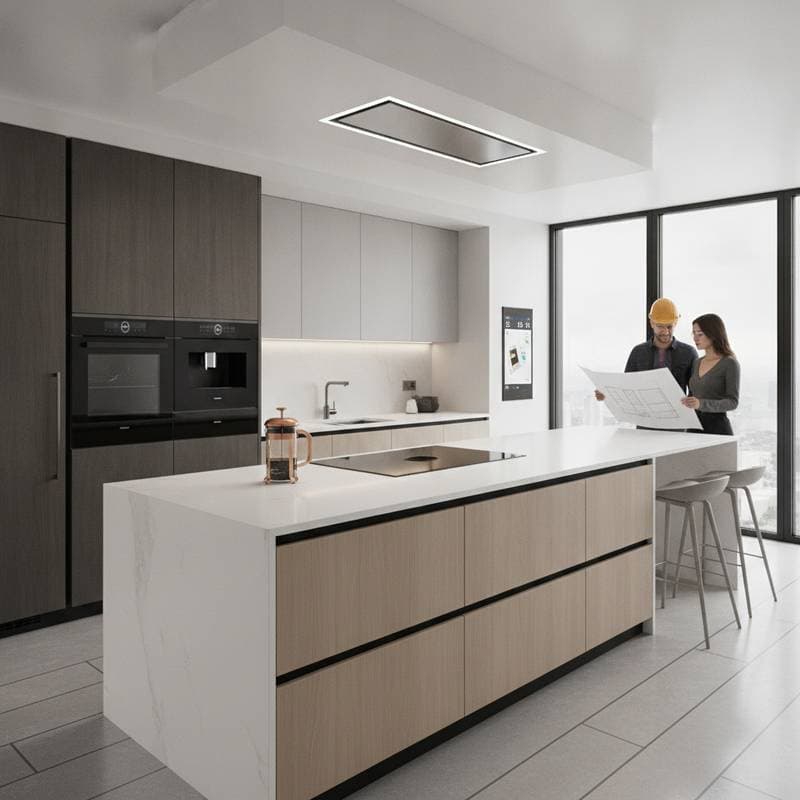
Induction and electric cooktops generate less heat and no combustion gases. This reduction permits quieter, lower profile hoods or downdraft units. Designers gain flexibility for island cooktops in open floor plans.
Adequate airflow remains necessary to remove odors, steam, and grease. Select a hood rated for the kitchen volume and route exhaust to the exterior.
Countertop and Storage Adjustments
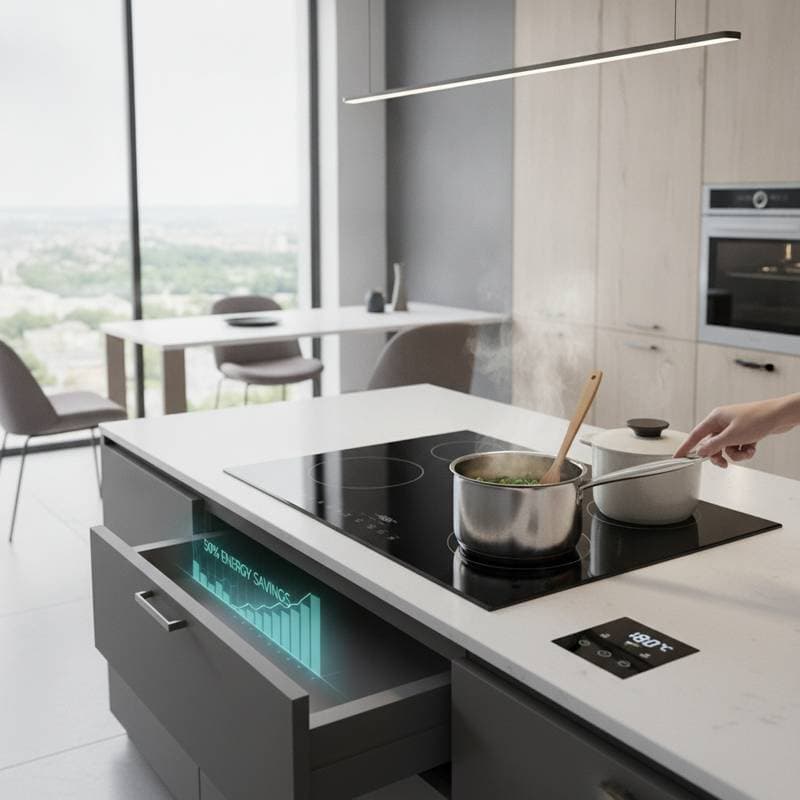
Flush mounted induction surfaces create continuous countertop planes that simplify cleaning. The absence of gas line clearances can reduce the depth needed behind the appliance. This space savings supports additional cabinet storage or narrower base units.
Cookware Compatibility Checks
Induction requires magnetic cookware such as cast iron or certain stainless steels. Test existing pots and pans with a magnet before final appliance selection. Non compatible items require replacement to maintain full functionality after installation.
Advantages of Induction Cooking Systems
Induction delivers rapid heat response and immediate cooldown once powered off. The cooking surface stays cooler than gas or traditional electric elements, which lowers burn risk during use. Families note improved indoor air quality because the process produces no nitrogen oxides or carbon monoxide.
Contractors find induction units simpler to integrate with current building codes. The equipment eliminates gas line inspections and reduces ventilation demands. Manufacturers now offer expanded cooktop sizes and integrated smart controls that match contemporary kitchen aesthetics.
Steps to Complete a Compliant Kitchen Con. Verify current local rules with the building department before design work begins.
- Request a load calculation from a licensed electrician to determine panel upgrades.
- Align appliance cutout dimensions with cabinet drawings prior to fabrication.
- Confirm cookware compatibility and acquire replacements as needed.
- Specify exterior venting capacity that matches the kitchen size.
- Include detailed appliance and electrical specifications in all contracts.
Preparing Homes for Updated Energy Standards
Homeowners who evaluate electrical capacity, select compatible appliances, and coordinate ventilation early achieve smoother project timelines. These preparations support both code compliance and long term kitchen performance.