Why Induction Zones Are Replacing Gas Stoves
For decades, gas stoves have dominated kitchens due to their instant heat and precise flame control. However, induction zones are now emerging as a superior alternative, offering enhanced safety, efficiency, and design versatility. These systems appeal to a broad range of users, from budget-conscious homeowners to those undertaking major renovations, by redefining cooking through advanced electromagnetic technology.
The Science Behind Induction Cooking
Induction cooking differs fundamentally from traditional electric methods. It employs electromagnetic fieldsbeneath the cooktop surface to heat compatible cookware directly. This process bypasses the need for heating an intermediary element, resulting in minimal energy loss and rapid response times.
A copper coil produces an alternating magnetic field that induces electrical currents within the pan's base, generating heat through resistance. The cooktop remains relatively cool, typically reaching only 140 degrees Fahrenheit in active areas, while the cookware heats to over 600 degrees in seconds. This direct heating method ensures even temperature distribution and allows for adjustments as quick as those on a gas burner, ideal for techniques requiring precision such as searing steaks or simmering delicate sauces.
Enhanced Safety Features
Safety represents a primary advantage of induction over gas. Without an open flame, risks of accidental burns, flare-ups, or fires diminish significantly. The system activates only upon detecting ferromagnetic cookware, preventing unintended heating and reducing hazards in households with children or pets.
Additionally, induction eliminates concerns associated with gas, including leaks, pilot lights, and carbon monoxide production. This contributes to improved indoor air quality by avoiding combustion byproducts. For urban apartments or compact living spaces, these features provide essential peace of mind, allowing cooks to focus on meals rather than potential dangers.
Superior Energy Efficiency and Environmental Benefits
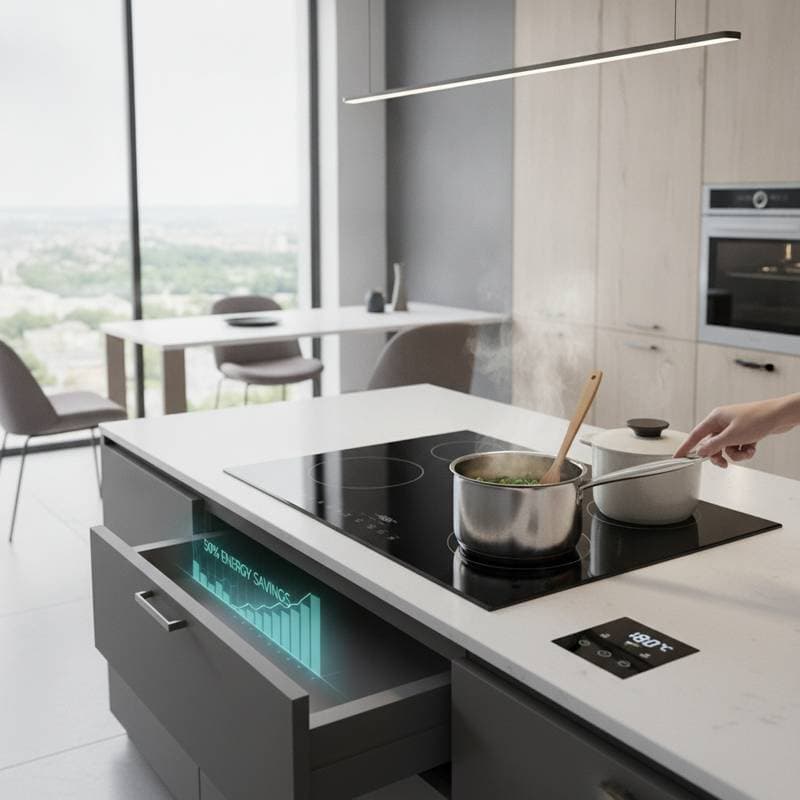
Induction systems achieve up to 90 percent energy efficiency, compared to gas stoves' 40 percent, by directing nearly all power to the cookware. This efficiency translates to shorter cooking times, reduced utility costs, and a kitchen that stays cooler during use, particularly beneficial in warmer climates.
As municipalities implement bans on gas installations in new buildings to curb greenhouse gas emissions, induction aligns seamlessly with sustainable practices. Pairing these cooktops with solar panels or other renewable sources further minimizes environmental impact. Homeowners can thus contribute to broader ecological goals while enjoying practical daily advantages.
Aesthetic and Layout Versatility
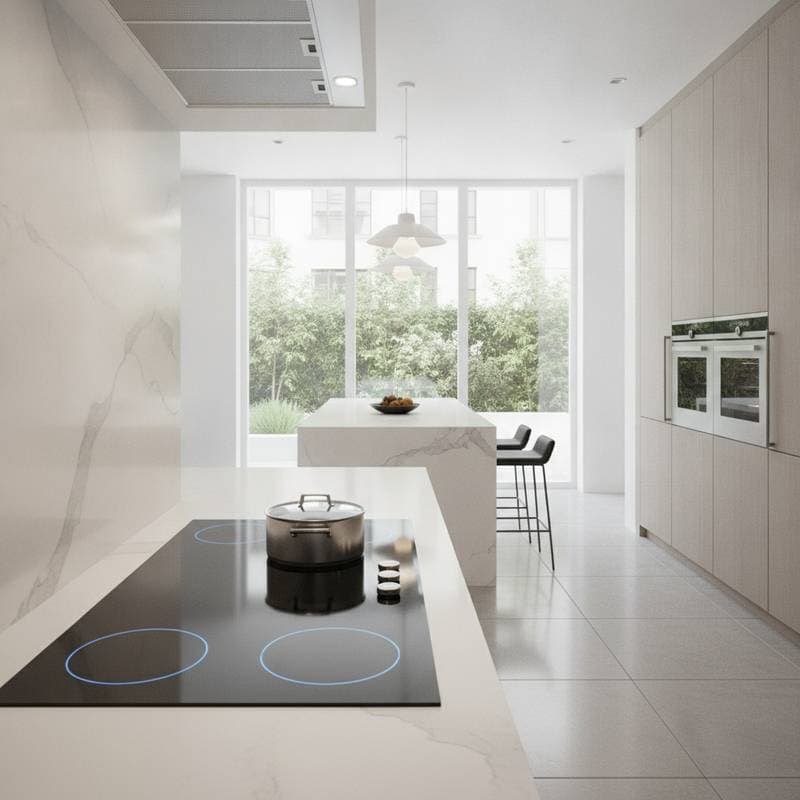
Induction cooktops feature seamless glass surfaces that blend effortlessly with contemporary countertops, fostering a streamlined, modern appearance. This design eliminates the visual clutter of gas grates and burners, enhancing appeal across styles from minimalist to rustic.
The flexibility extends to installation options. Portable single-zone units suit temporary setups, while multi-zone models support professional configurations. In custom designs, flush-mounted cooktops can integrate fully with islands or counters, maximizing space and allowing for innovative layouts that adapt to evolving needs.
Accessible Options Across Budgets
Advancements in manufacturing have made induction cooking attainable for various financial levels. Basic portable burners, priced under $100, connect to standard outlets and deliver core benefits without permanent installation.
For transitional setups, hybrid ranges combine induction zones with existing gas elements, easing the shift to full electric operation. These mid-tier options, often ranging from $500 to $1,500, provide versatility during phased upgrades.
Premium models, exceeding $2,000, incorporate advanced features like Wi-Fi connectivity, automatic pan detection, and expandable bridge zones for large cookware. Selecting based on household size and cooking frequency ensures optimal value and performance.
Exceptional Cooking Precision
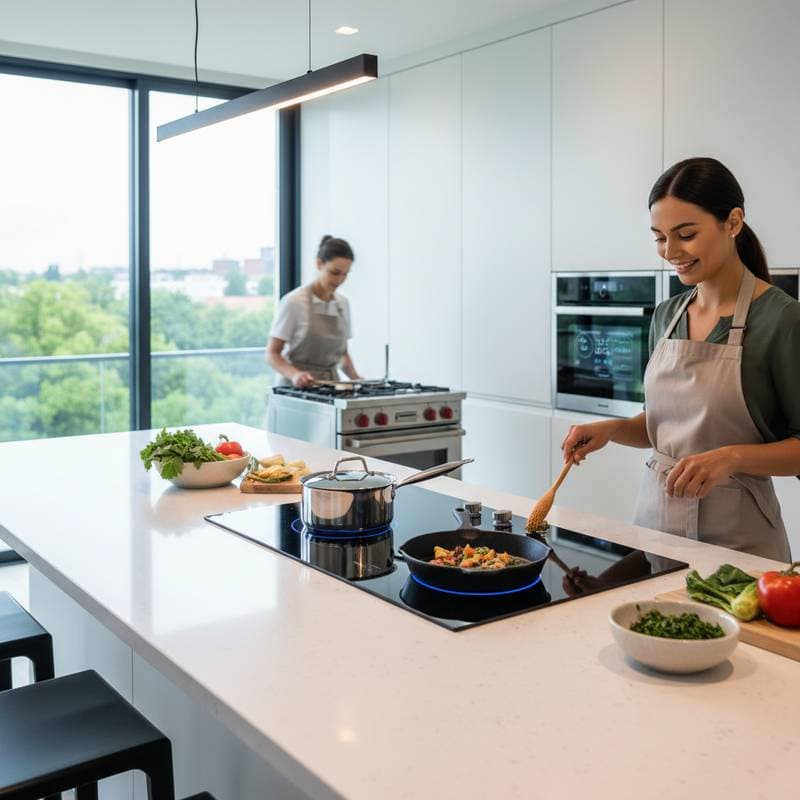
Induction matches gas in delivering high-heat sears and low-heat simmers, often surpassing it in consistency. Boiling water takes as little as 90 seconds on high settings, and temperature recovery occurs instantly upon adjustment, eliminating lag times common with other methods.
This responsiveness supports diverse culinary tasks, from melting chocolate at exact temperatures to maintaining rolling boils without overflow. Cleanup proves straightforward as well; the cool surface prevents spills from baking on, requiring only a damp cloth for maintenance.
Improved Indoor Air Quality
Gas stoves emit pollutants such as nitrogen dioxide and particulate matter, which can exacerbate respiratory issues and allergies in enclosed spaces. Induction produces no such emissions, maintaining fresher air and reducing reliance on exhaust fans.
Measurements in upgraded kitchens often reveal a 50 percent drop in volatile organic compounds post-installation. This cleaner environment benefits all occupants, particularly those sensitive to cooking odors or fumes, transforming the kitchen into a healthier gathering space.
Integration with Smart Home Systems
Modern induction units incorporate intuitive controls, including touch interfaces and app-based monitoring for timers, recipes, and energy usage. Compatibility with voice assistants enables hands-free operation, streamlining routines for busy households.
These systems also demonstrate durability, with solid-state components requiring less frequent servicing than gas appliances. This longevity supports long-term cost savings and simplifies future integrations with evolving home automation technologies.
Steps for a Smooth Transition
Begin the switch by incorporating a portable induction unit alongside current appliances. Test it with everyday tasks like pasta boiling or vegetable stir-frying to appreciate its speed and control.
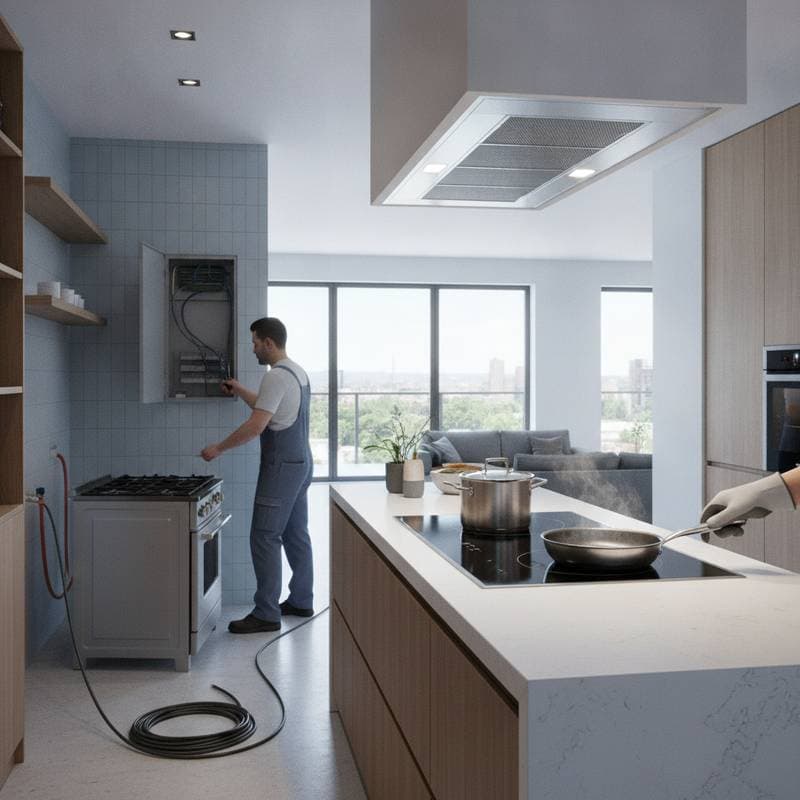
For permanent installations, consult a licensed electrician to verify circuit capacity, typically needing a 240-volt line for full ranges. Ensure cookware compatibility by using a magnet test on the base; non-stick or cast iron pieces work best.
Everyday Advantages of Induction
After adoption, induction enhances cooking efficiency and enjoyment. Meals prepare more quickly, spaces remain tidy longer, and operations feel intuitive. This technology empowers cooks of all levels to achieve professional results in personalized kitchen environments.