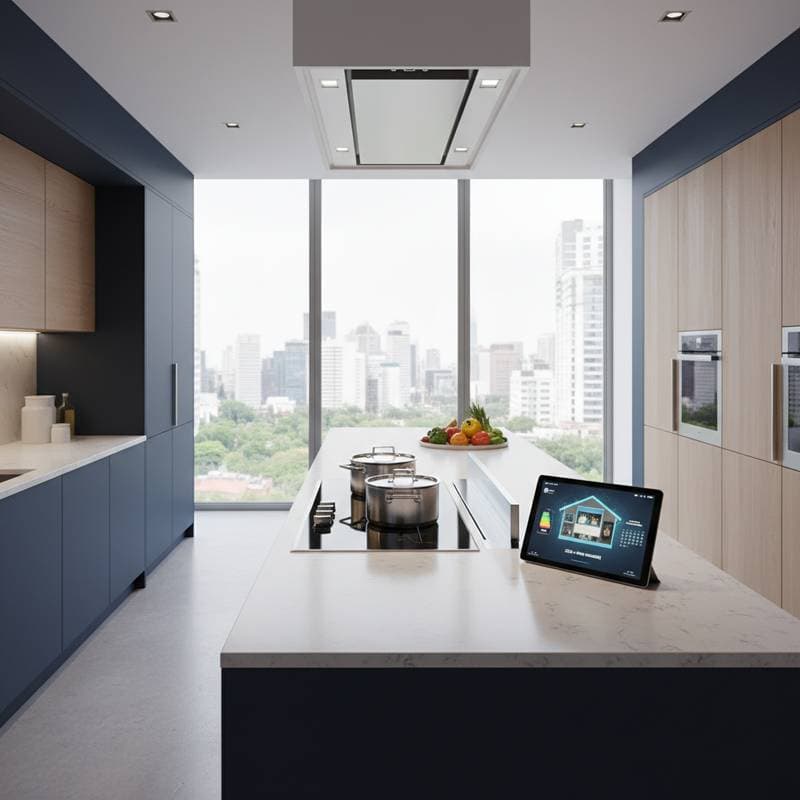
Why Induction Kitchens Lead the 2026 Gas-Free Shift
Many cities now restrict new gas connections during remodels. Homeowners must consider how these rules affect kitchen designs. As a contractor who has completed both gas and induction installations, I see the shift to electric cooking as a direct response to updated codes, safety priorities, and energy standards.
Planning for this change prevents investments in systems that may soon require replacement. Induction technology provides a practical path forward.
Risks of Retaining Gas Appliances
Homeowners who install new gas ranges sometimes encounter unexpected limits on use. Later electrical upgrades then add expense beyond the original project budget. In other cases, buyers favor electric kitchens and view gas setups as dated.
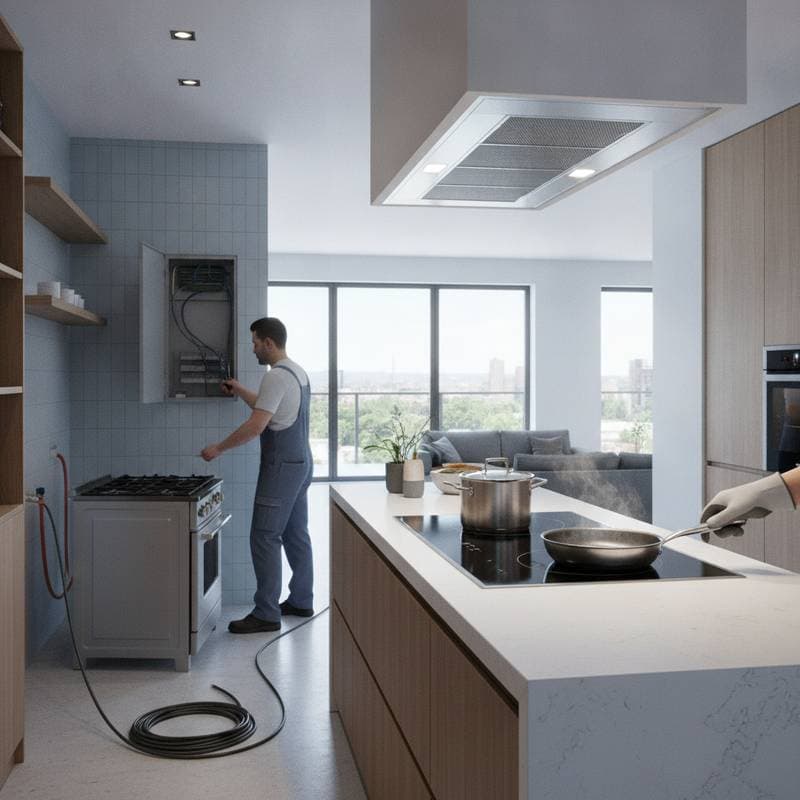
Gas lines demand extra piping, venting, and safety checks that increase both cost and complexity. An induction cooktop avoids these elements and aligns with emerging all-electric requirements.
Core Advantages of Induction Technology
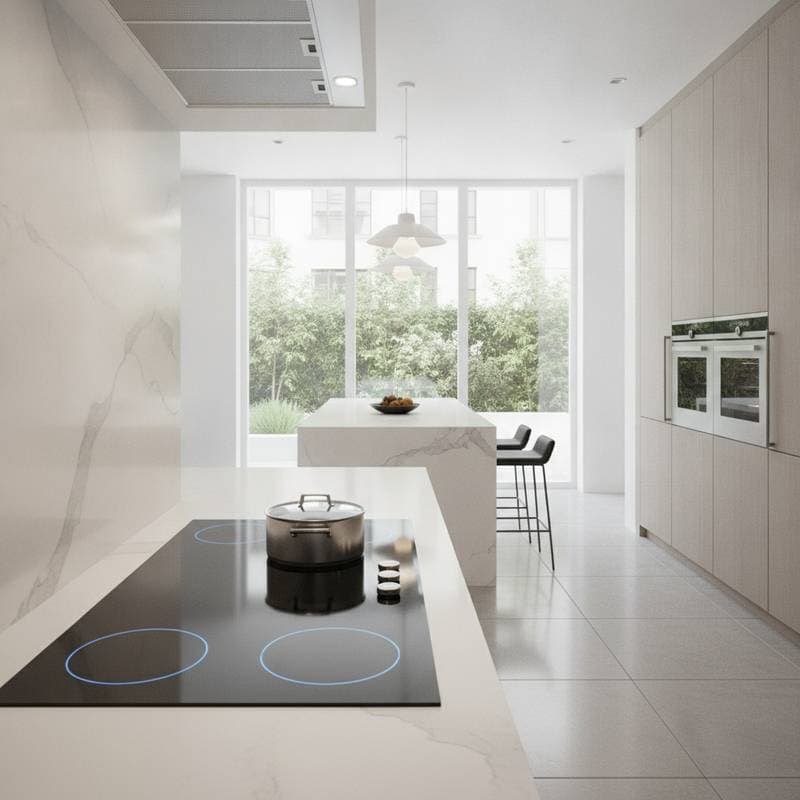
Induction units transfer energy through magnetic fields directly to cookware. This method produces rapid temperature changes and minimal waste heat.
-
Efficiency gains
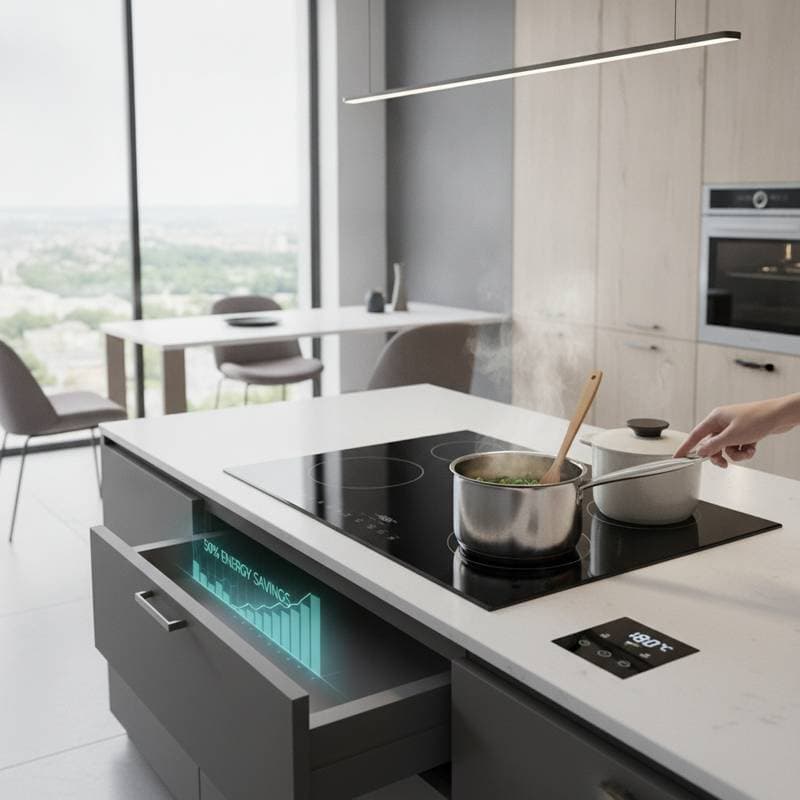
Induction delivers 85 to 90 percent of its energy to the pan. Kitchens stay cooler and monthly utility costs drop because less ventilation is required. -
Safety improvements
No flame or combustion occurs, which removes carbon monoxide concerns. The surface remains cool beyond the contact area, reducing burn risks around children. -
Simplified cleaning
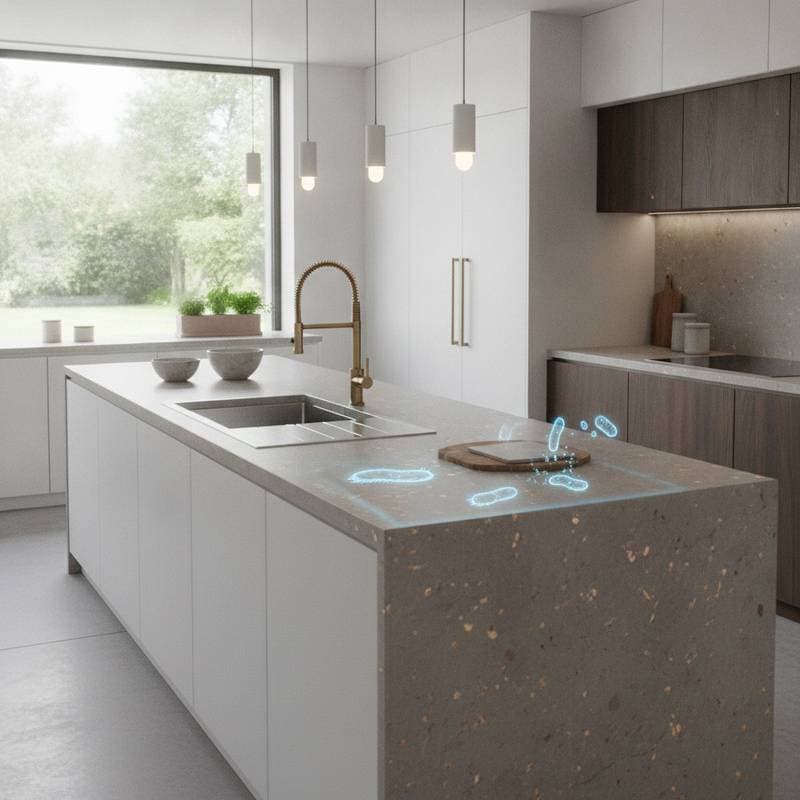
Spills stay on the flat surface instead of burning into grates. A quick wipe restores the finish without specialized products. -
Precise control
Power levels adjust instantly. Users can hold a low simmer or reach a rolling boil within minutes.
Electrical and Design Steps for Remodels
Successful induction projects begin with capacity checks. A dedicated 240-volt circuit must be available before cabinets are set.
-
Panel evaluation
Schedule an electrician visit early to confirm amperage and wiring routes. -
Ventilation sizing
Select a compact, low-noise hood sized for steam and odors rather than combustion byproducts. -
Cookware verification
Test existing pots with a magnet. Stainless steel and cast iron typically work; replace nonmagnetic pieces as needed. -
Market positioning
List the kitchen as induction-ready when selling. Agents report this feature appeals to buyers focused on efficiency and air quality.
Cost and Compliance Considerations
Initial equipment prices may exceed basic gas models. Savings appear when gas piping, extensive venting, and future retrofits are eliminated from the scope. Some areas provide rebates that reduce net outlay.
Electric systems also face fewer inspection hurdles and lower insurance scrutiny than gas installations.
Addressing Frequent Concerns
Clients often raise the same points during consultations.
- Many current cookware lines already support induction. A magnet test quickly identifies compatible items.
- Water reaches boil faster on induction than on standard gas burners once users adjust to the response.
- Total ownership costs decline through reduced energy use and fewer service calls over the appliance lifespan.
Scheduling an Induction Transition
Treat the move to electric cooking as a required element of any upcoming remodel. Early coordination with licensed trades prevents delays.
Consult an electrician before drawings are finalized. Engage contractors experienced with current codes to secure permits and maintain warranty coverage.
Executing the Switch
Induction installation now protects long-term value. The approach avoids later modifications and keeps the kitchen aligned with efficiency standards and buyer expectations.