Induction’s Edge: Outperform Gas Stoves Ahead of Regulations
The familiar blue flame of a gas stove has defined kitchens for generations, evoking a sense of tradition and direct control. However, with stricter environmental rules and heightened focus on indoor air quality, induction cooking emerges as a superior option. This technology delivers faster heating, precise temperature management, and reduced emissions, transforming kitchens into efficient, stylish spaces that align with modern demands.
Precision Through Electromagnetic Heating
Induction cooking uses electromagnetic fields to heat cookware directly, bypassing the cooktop surface for rapid response and minimal heat loss. Boiling water takes mere seconds, sauces maintain exact temperatures, and proteins sear evenly without flare-ups. This level of control matches gas performance but eliminates open flames and lingering heat.
Compatible cookware, such as cast iron or stainless steel with magnetic properties, ensures efficient energy transfer. Professional chefs appreciate this consistency, which prevents overcooking and supports complex recipes. The result is cooking that feels both intuitive and reliable.
Enhanced Air Quality and Safety
Gas stoves emit nitrogen dioxide, carbon monoxide, and particulate matter, contributing to indoor pollution that affects health, particularly for those with asthma or allergies. Induction produces no combustion byproducts, creating a healthier cooking environment. Homes benefit from fresher air and lower risks of respiratory issues.
Visually, induction cooktops offer a cleaner aesthetic. Smooth black glass or ceramic surfaces from brands like Miele and Bosch resist stains and wipe clean easily. This contrasts with gas grates that require frequent deep cleaning, allowing more time for cooking and less for maintenance.
Seamless Design and Aesthetic Harmony
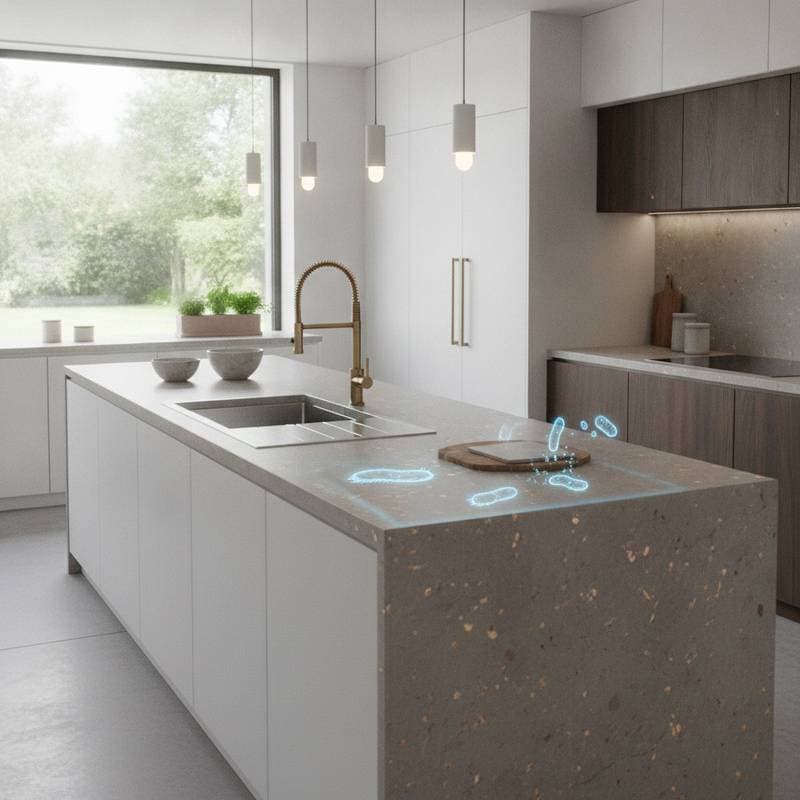
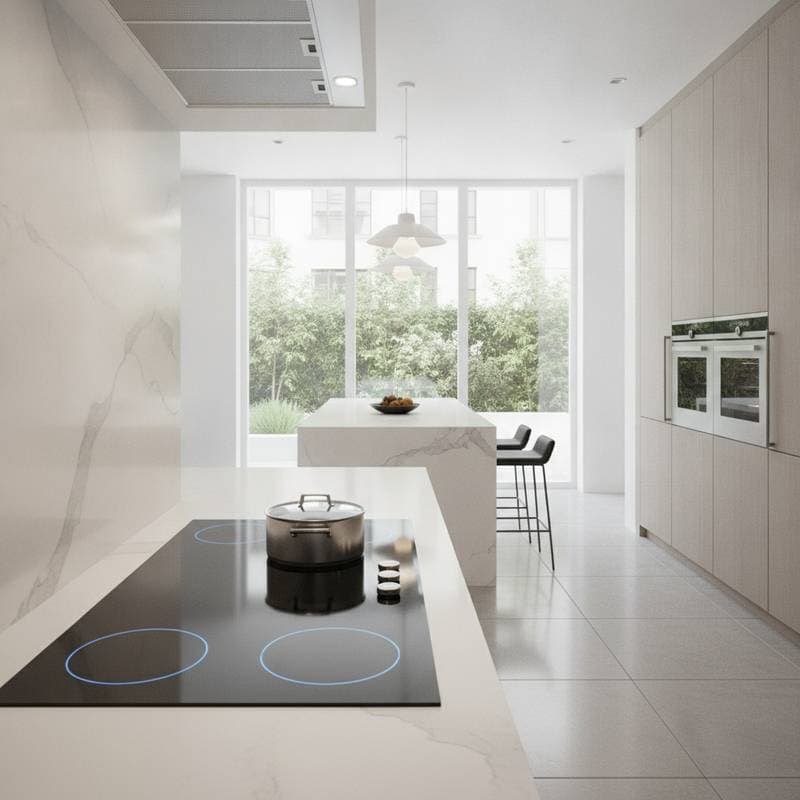
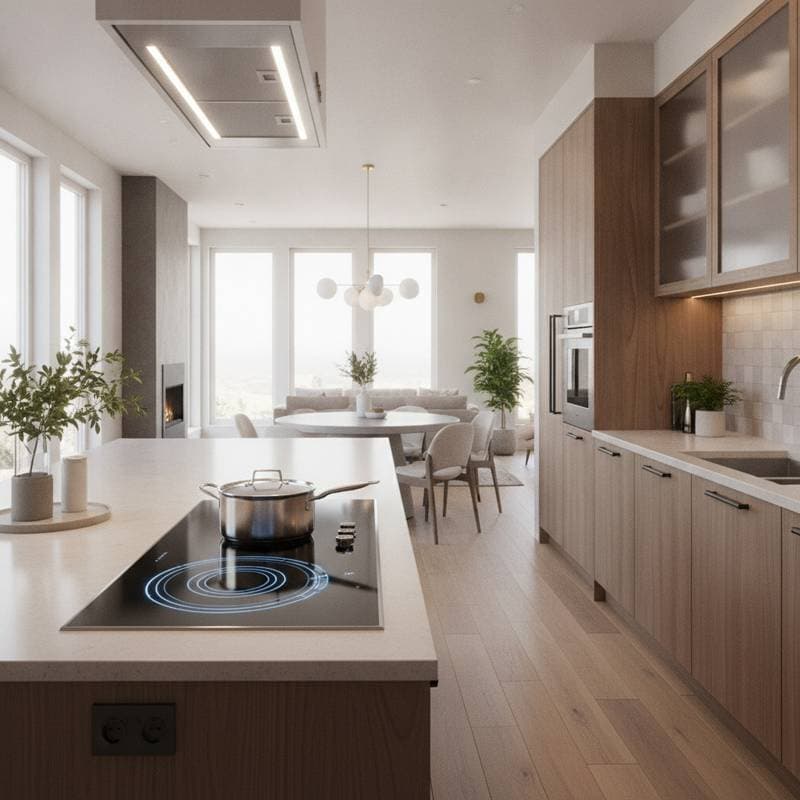
Induction integrates effortlessly into contemporary kitchen designs, blending with materials like marble, quartz, or terrazzo. Companies such as Bulthaup and Henrybuilt design units that create uninterrupted countertops, making the cooking area subtle when idle.
Premium models incorporate subtle patterns or metal accents that match cabinetry in woods like oak or walnut. Without protruding knobs or vents, these surfaces enhance the sculptural appeal of kitchen islands. Soft underlighting can accentuate the cooktop, turning meal preparation into a refined focal point.
Superior Energy Use and Sustainability
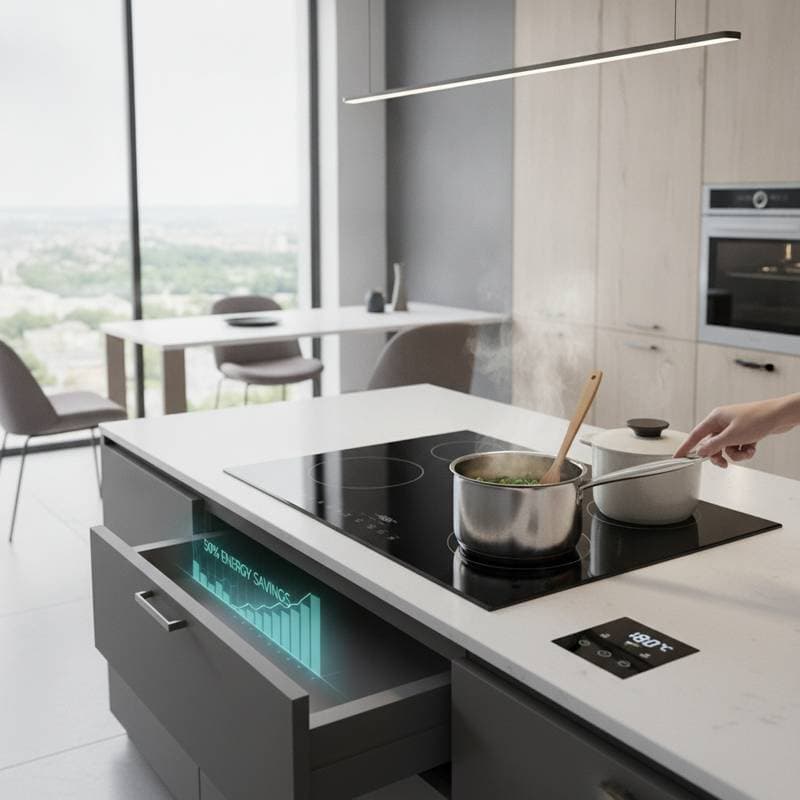
Induction converts nearly 90 percent of energy into direct heat, far exceeding gas efficiency where much warmth escapes into the air. This leads to reduced utility bills and a smaller environmental impact. As power grids incorporate more renewables, induction supports sustainable practices without compromise.
In energy-conscious buildings like passive houses, induction aligns with all-electric systems that avoid fossil fuels. Homeowners achieve certifications for green design while enjoying high-output cooking that rivals professional setups.
The Sensory Shift in Cooking
Induction preserves the joy of hands-on cooking while adding responsiveness. Adjust settings, and heat changes instantly, allowing even browning of pancakes or gentle melting of chocolate. Risottos develop perfect textures without constant stirring.
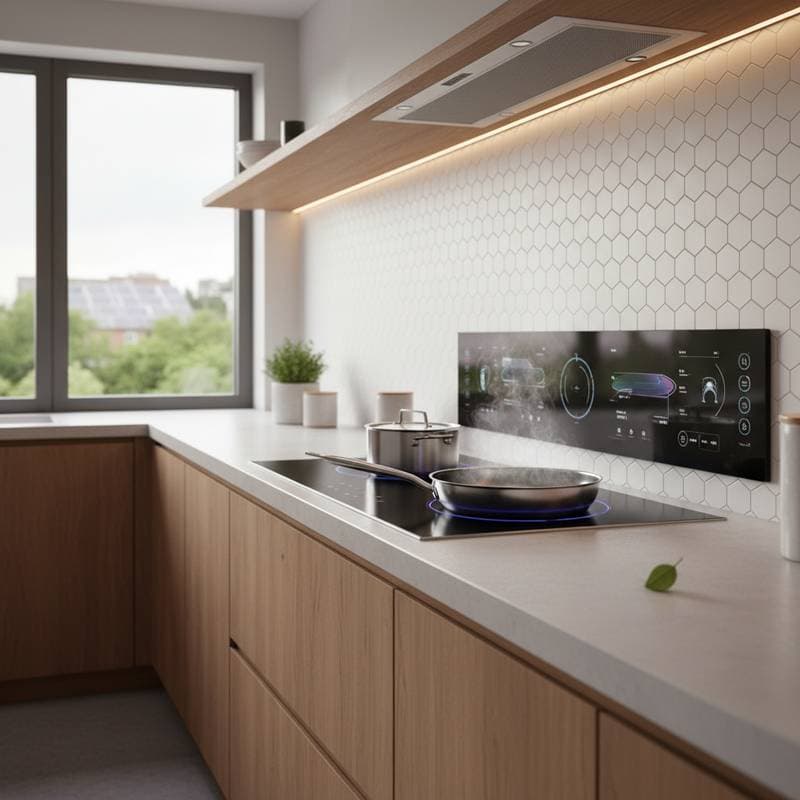
LED displays provide clear visual cues, glowing to indicate active zones and temperatures. Advanced models show heat patterns across the surface, fostering a direct connection between user and appliance. This feedback maintains the engaging rhythm of traditional cooking.
Integration of Smart Features
Modern induction units from Gaggenau, Fisher & Paykel, and Thermador connect via Wi-Fi for guided recipes and automated adjustments. Sensors recognize cookware size and optimize zones for uniform heating. Ventilation syncs with cooking levels to manage steam efficiently.
These capabilities minimize waste and enhance usability, fitting into smart home ecosystems. Touch interfaces and sleek displays complement minimalist aesthetics, making the technology an extension of the kitchen's design language.
Steps for a Smooth Switch
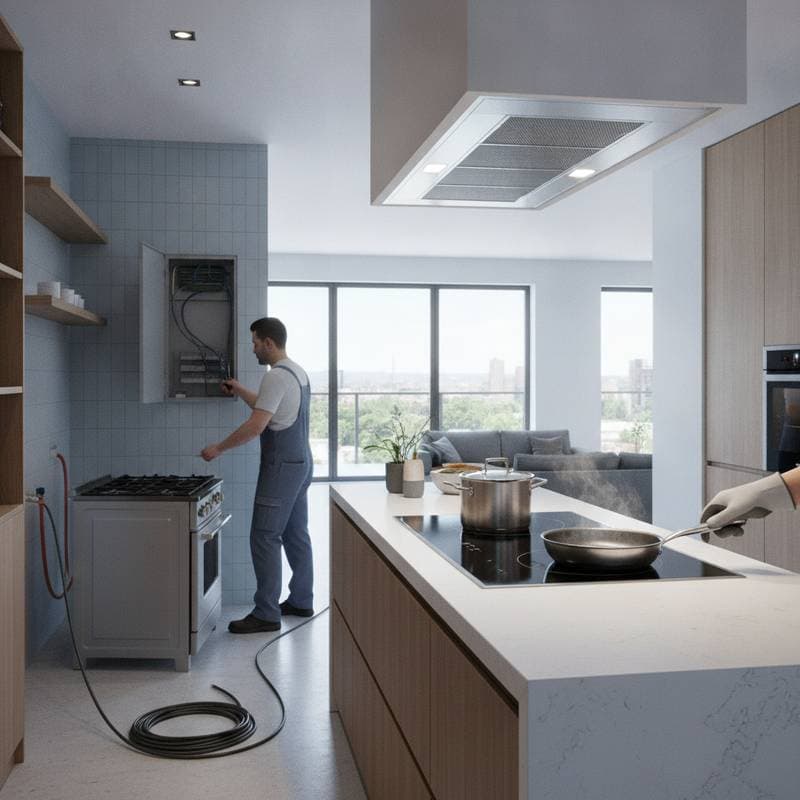
Anticipate gas phase-outs by evaluating your kitchen's electrical setup. Induction requires a dedicated 240-volt circuit; consult an electrician to confirm capacity and plan wiring. Professional installation prevents issues and maximizes performance.
Update to compatible pots and pans from Le Creuset, All-Clad, or Demeyere for best results. Pair with downdraft ventilation or overhead hoods to handle any residual moisture. These upgrades ensure a seamless transition and elevated cooking experience.
Embracing Induction in Daily Life
Adopting induction shifts kitchens toward quieter, more livable spaces. Reduced heat and odors support open layouts where cooking blends with living areas. Urban dwellers gain from compact, portable units, while larger homes feature built-in models that enhance custom designs.
This evolution prioritizes well-being, efficiency, and creativity. Early adopters gain compliance with regulations and discover refined culinary routines that elevate everyday meals.