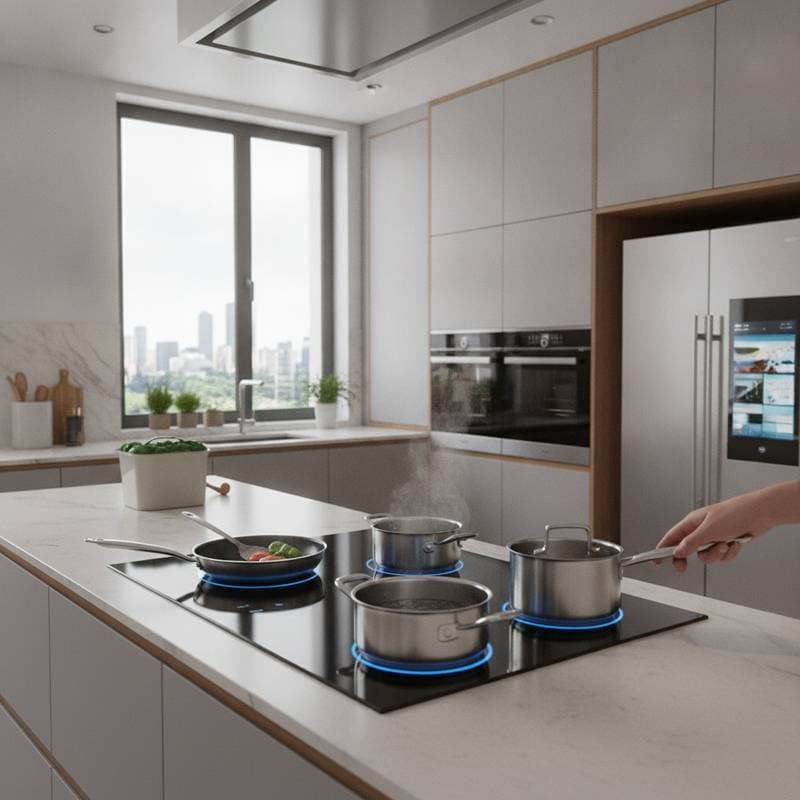
Induction Zones Replace Gas in Modern Kitchen Designs
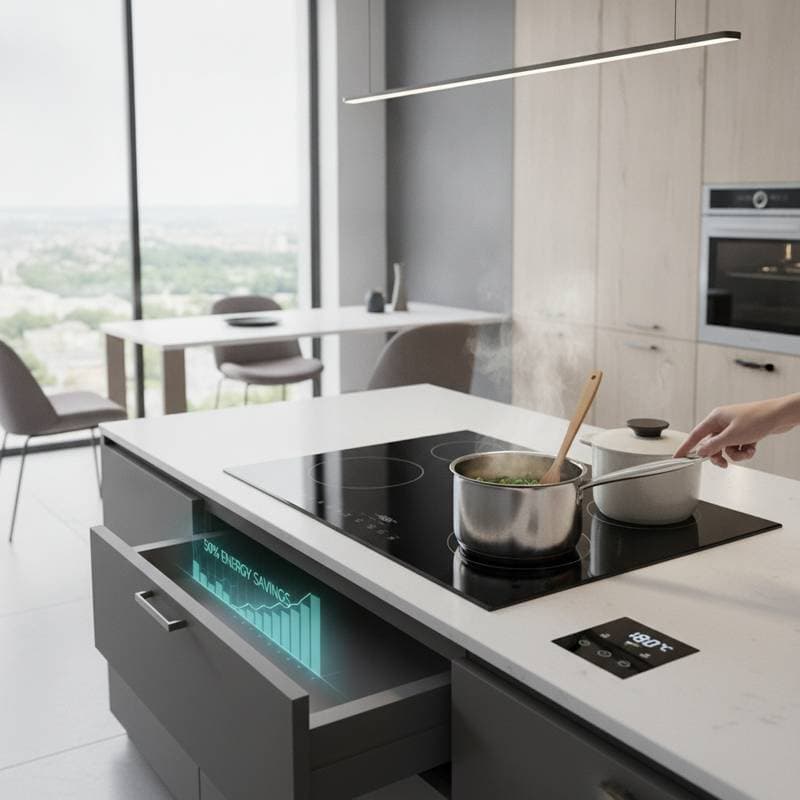
Homeowners are swapping gas stoves for sleek glass cooktops that heat quickly and remain cool to the touch. Many wonder whether induction zones deliver comparable performance. The answer is yes. In numerous cases they deliver superior results. This shift stems from clear advantages in efficiency, safety, and design.
Reasons Homeowners Leave Gas Behind
Gas ranges long served as the standard for serious cooks because of visible flames and immediate control. Concerns over indoor air quality now dominate discussions. Gas appliances release carbon monoxide and nitrogen dioxide during use. Some cities have begun restricting new gas connections in homes.
Induction technology has improved markedly. Current models respond quickly, operate safely, and present a streamlined profile. Homeowners find that induction matches gas performance while avoiding its drawbacks.
The Mechanism Behind Induction Cooking
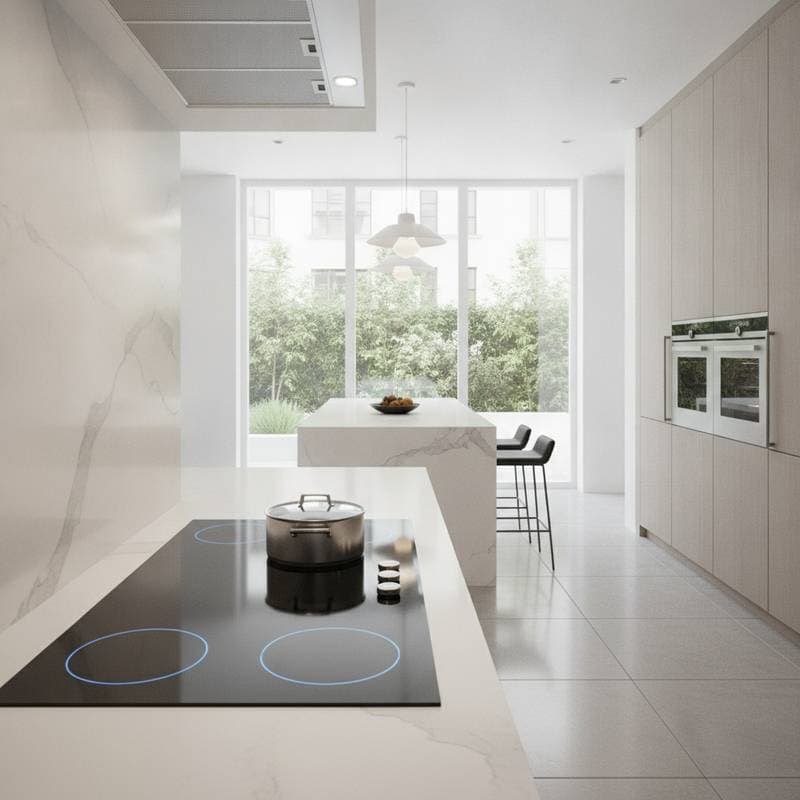
Induction relies on electromagnetic fields rather than flames or coils. A magnetic pan on the surface receives direct energy that heats the cookware. The glass top stays cool. Energy moves to the pan almost instantly.
Efficiency reaches 90 percent because heat forms inside the vessel. Gas achieves roughly 40 percent. Water boils faster. Sauces hold exact temperatures. Excess heat does not warm the kitchen.
Direct Performance and Cost Comparison
Performance
- Induction boils water in roughly half the time required by gas.
- Temperature changes register immediately.
- Heat distributes evenly without hot spots.
- Only magnetic cookware activates the zone, which limits burn risk.
Costs
- A mid-range induction cooktop costs between 800 and 2500 dollars.
- Comparable gas ranges cost between 700 and 2000 dollars.
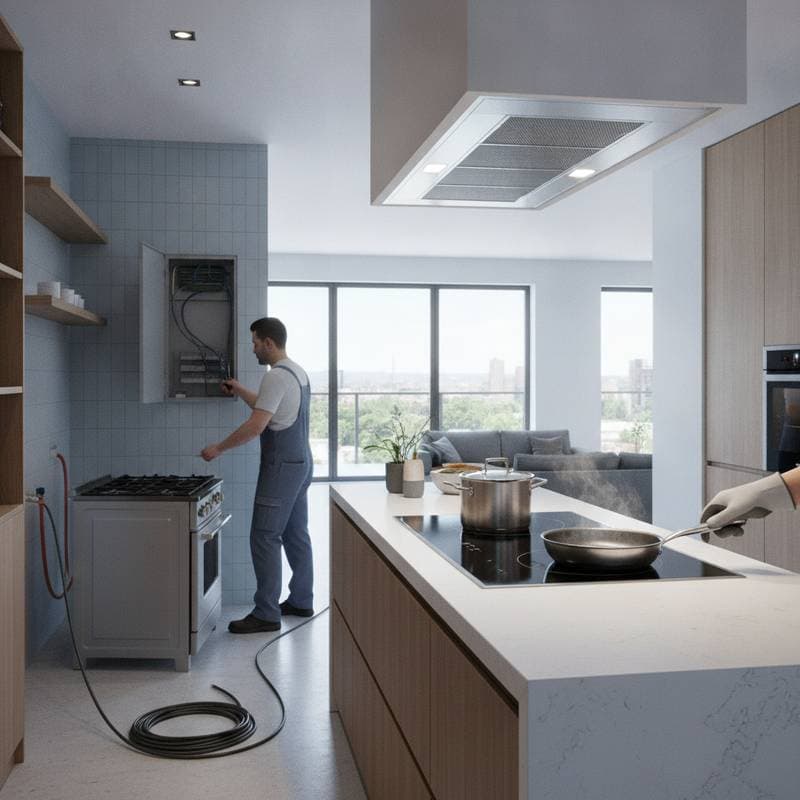
- Induction installation requires a dedicated 240-volt circuit that typically adds 200 to 500 dollars.
- Operating expense depends on local electricity rates, yet higher efficiency reduces overall waste.
Maintenance
- The flat surface wipes clean with minimal effort.
- Gas grates demand scrubbing and disassembly.
- Both systems endure for years when cared for properly.
Matching Induction to Your Cooking Needs
Review your typical tasks before switching. Direct flame roasting or round-bottom woks require adaptation. Cookware must attract a magnet. Cast iron and most stainless steel succeed. Copper and aluminum need a magnetic base layer.
Models with flexible zones allow two areas to merge into one large surface. Sensors detect pan size and direct power only where needed.
Electrical and Safety Requirements
Confirm that the service panel supports a 40- to 50-amp circuit. Engage a licensed electrician for wiring and grounding. Good ventilation manages steam and odors even though induction produces less heat than gas.
Safety gains stand out. The surface cools rapidly after use. No open flame or gas line exists. Automatic shutoffs and child locks appear on most units.
Health and Environmental Gains
Electric cooking removes combustion gases from the indoor environment. Air quality improves for households with children or respiratory concerns. As grids add renewable sources, the carbon impact of induction declines further. Reduced waste heat also lowers cooling loads in warm regions.
Budget Approaches and Design Fit
Portable single-zone units begin near 60 dollars and plug into standard outlets for testing. Hybrid ranges combine gas and induction zones as an interim step. Utility rebates sometimes offset several hundred dollars.
Mid-range four-zone cooktops with touch controls cost between 1200 and 1800 dollars. Flush-mounted premium units exceed 3000 dollars yet create a seamless countertop appearance.
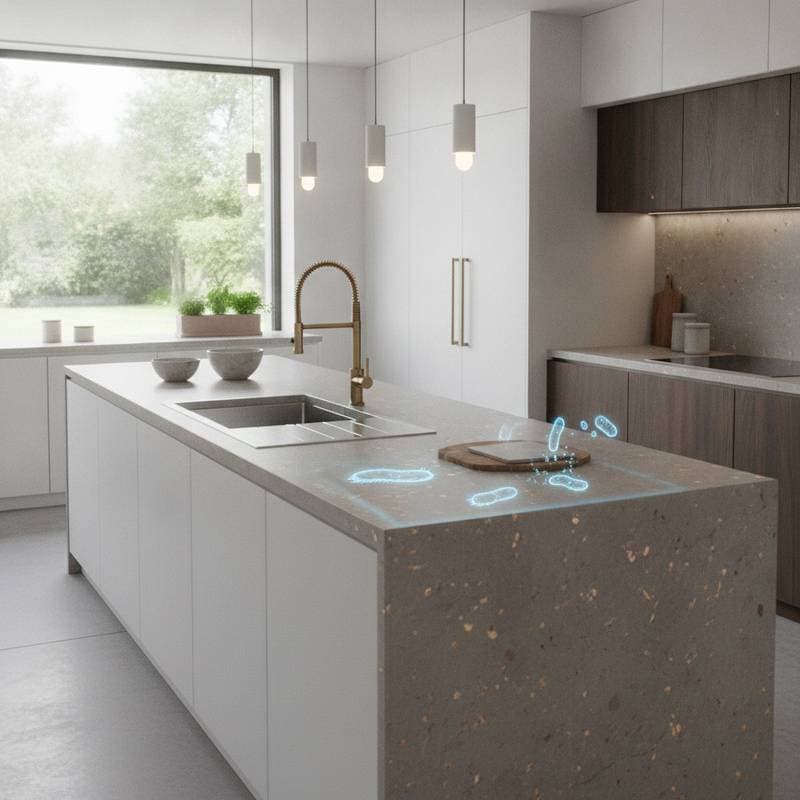
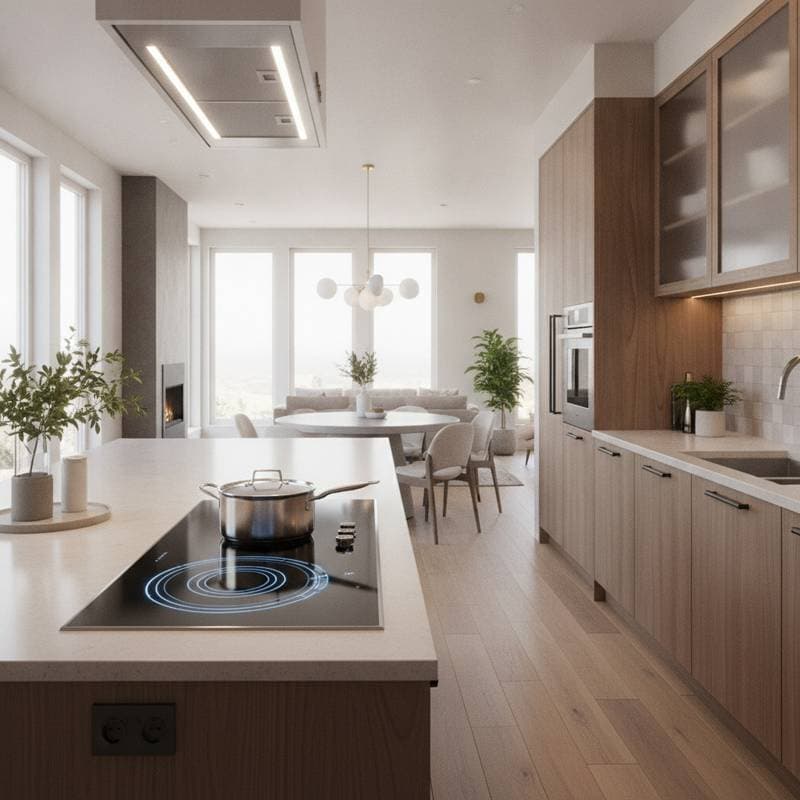
Induction surfaces complement quartz and concrete counters. The absence of grates frees prep space. Placement on islands requires no gas lines.
Ongoing Care Steps
Wipe spills at once with a soft cloth and mild cleaner. Avoid sliding pans across the glass. Keep ventilation openings free of dust. Inspect older wiring periodically.
Next Steps for Your Kitchen
Test a portable unit or visit a showroom before a full remodel. Induction delivers faster cooking, cleaner air, and refined aesthetics that suit contemporary homes.