Induction Cooking: From Gas Flames to Smart Precision
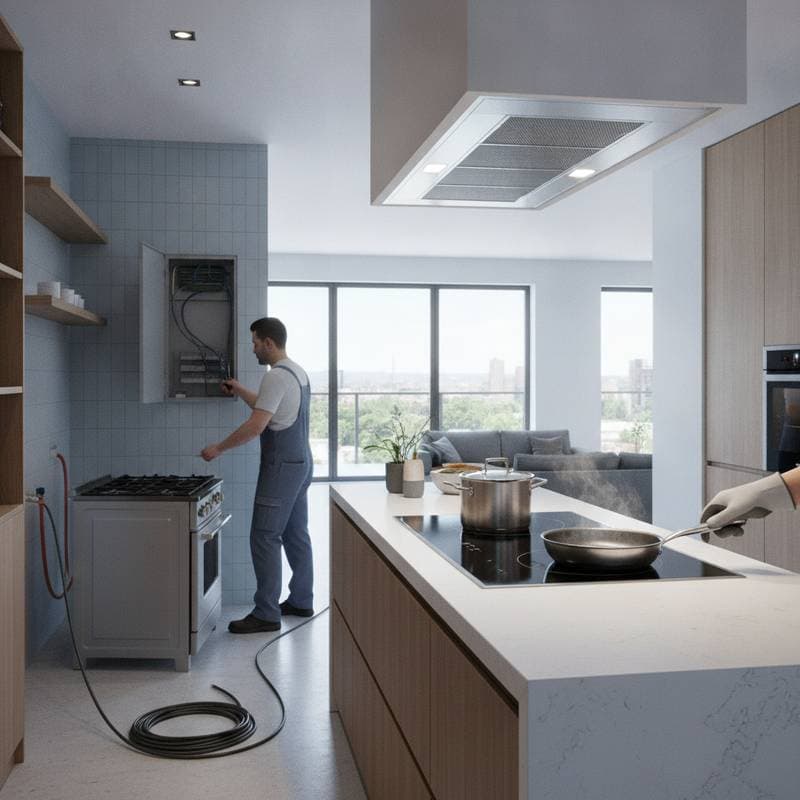
Kitchens evolve with the eras they serve. Gas ranges once dominated as symbols of culinary mastery, their blue flames evoking professional prowess. Today, induction cooking emerges as the defining element in efficient, design-conscious spaces. This shift extends beyond aesthetics and mechanics; it embodies evolving priorities in performance, environmental responsibility, and the art of daily cooking.
The Mechanics of Magnetic Precision
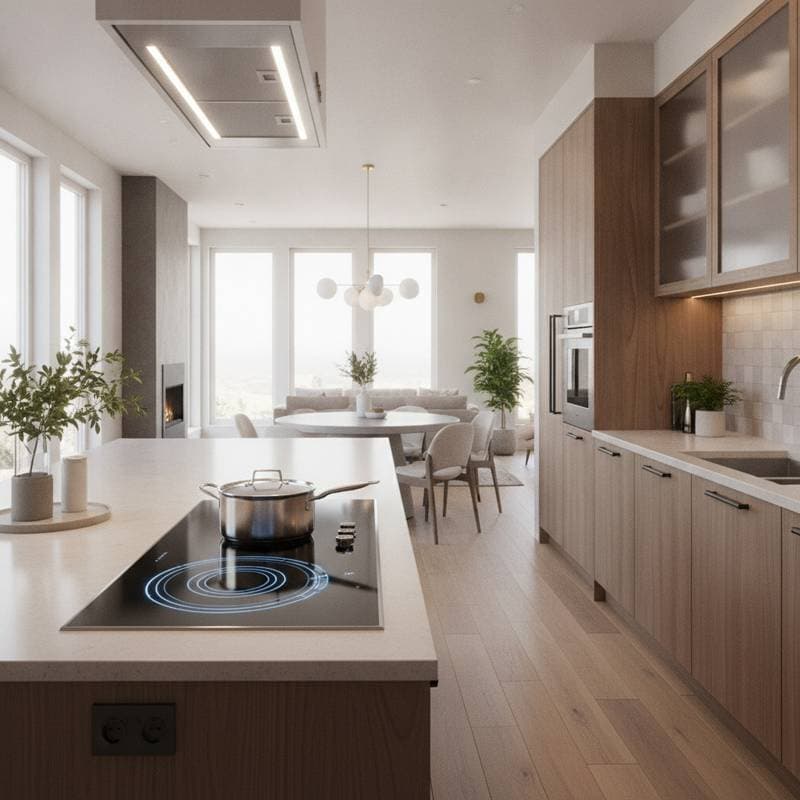
Induction cooking converts electrical energy into a magnetic field that vibrates molecules within compatible cookware. This process generates heat directly in the pan, delivering immediate and even temperatures without preheating delays or lingering warmth on the surface. The cooktop remains cool elsewhere, enhancing safety and allowing focus on the task. Professionals often highlight this as invisible engineering that turns the kitchen into a precise workspace and serene retreat.
Streamlined Design for Uncluttered Spaces
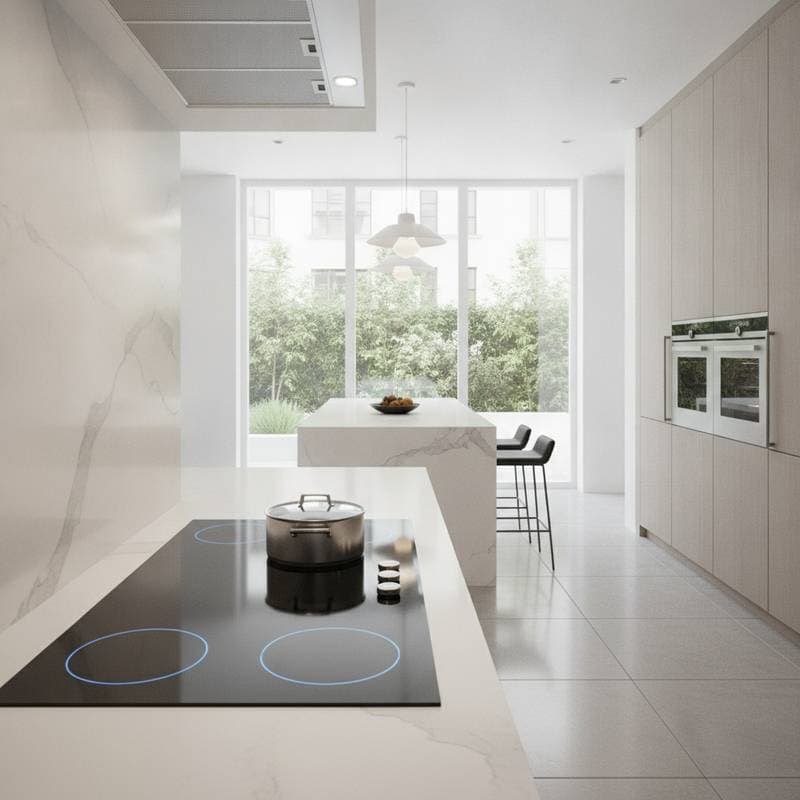
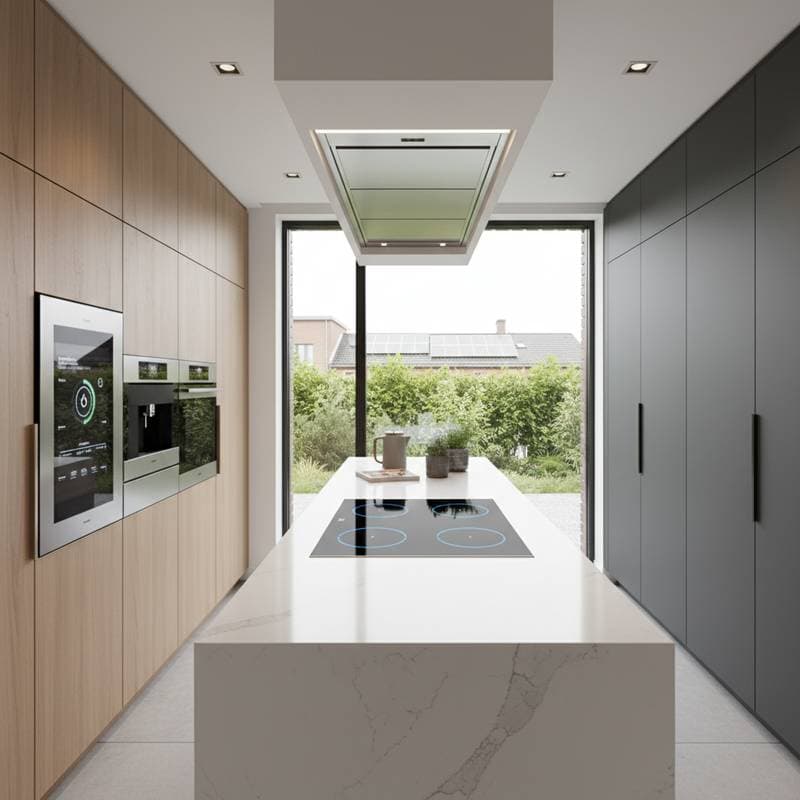
Interior designers value induction for its ability to create clean, expansive surfaces. Free from grates, visible burners, or protruding controls, the cooktop integrates as a smooth expanse of glass or ceramic. Consider a London project where Sophie Paterson of Sophie Paterson Interiors combined a Gaggenau induction unit with Arabescato Corchia marble. The marble's intricate patterns shone through subtle lighting reflections, blending advanced functionality with enduring elegance and prioritizing the cook's creative flow over mechanical distractions.
Eliminating Unwanted Heat and Wear
Traditional gas cooking radiates heat throughout the kitchen, increasing ambient temperatures and straining ventilation systems. Induction confines energy to the cookware, keeping surrounding areas comfortable and preserving nearby elements. Chef Marcus Clark of Atelier Kitchen Design observes that clients report cooler environments, which extend the life of cabinet finishes and wood accents. In one installation, Farrow & Ball Cornforth White matte lacquer cabinets retained their fresh appearance through intensive use, a durability challenging to achieve with gas alternatives.
Flexible Zones for Adaptive Cooking
Modern induction cooktops feature dynamic zones that adapt to cookware dimensions by combining multiple heating elements into a unified area. Leading brands such as BORA, Miele, and Fisher & Paykel incorporate sensors for automatic adjustments, freeing users from rigid burner layouts. This adaptability supports multitasking, such as boiling pasta while sautéing vegetables, aligning with the demands of contemporary routines and maximizing surface efficiency.
Advancing Sustainability in Home Design
Transitioning to induction aligns with broader electrification initiatives that curb indoor air pollution and greenhouse gases. Architect Laura Hsu of Studio Luma integrates these systems in renovations emphasizing energy conservation. Paired with solar or other renewables, induction contributes to a low-impact household. Without open combustion, it also fosters healthier indoor environments, supporting wellness-focused architecture.
Seamless Material Integration
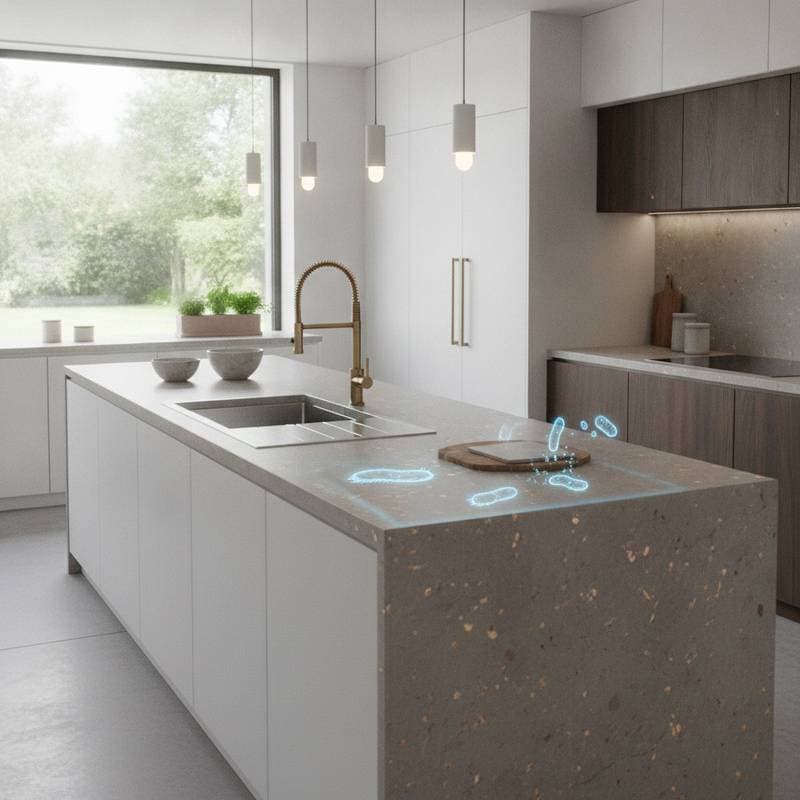
Induction cooktops embed effortlessly into various countertops, from Dekton by Cosentino to Neolith sintered stone, creating flush installations. This technique ensures visual harmony across expansive islands, shifting the space from utilitarian to inviting. When inactive, the surface appears as continuous material, simplifying transitions between preparation and gathering.
Enhanced Control Through Connectivity
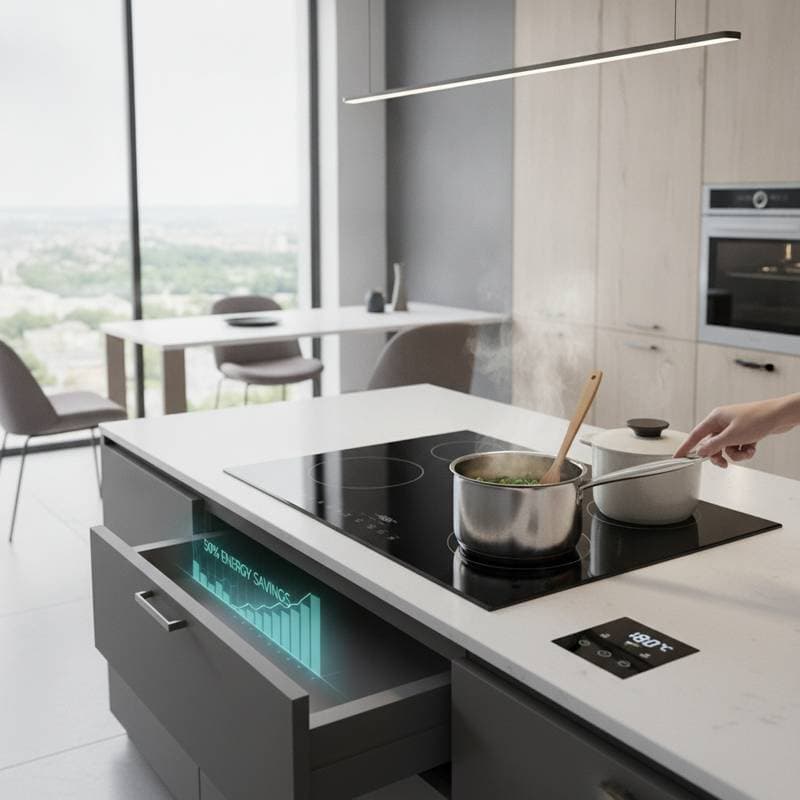
Integration with smart home ecosystems elevates induction's utility. Advanced models coordinate with hoods to modulate extraction based on cooking intensity or connect to applications for real-time monitoring and recipe guidance. Product Designer Elena Ruiz of Siemens Home Appliances describes this as intuitive support: precision that anticipates needs without overriding user judgment. Such features appeal to those seeking streamlined, informed cooking experiences.
Redefining Kitchen Aesthetics
Gas appliances conveyed raw power through exposed components and flames. Induction introduces subtlety with sleek black glass, brushed metal edges, or ceramic accents that promote tranquility. Ambient lighting interacts dynamically with these surfaces, casting soft glows that highlight surrounding textures. In spare interiors, this restraint elevates adjacent materials, making the absence of overt mechanics a deliberate aesthetic choice.
Evolving Perceptions in Culinary Practice
Chefs once favored gas for its sensory cues, but attitudes shift as induction proves its merits in precision and hygiene. Culinary programs increasingly incorporate these systems, and commercial designs pivot to all-electric setups. Easy surface cleaning and reduced fire risks suit dense urban dwellings. This change redefines authentic cooking, emphasizing controlled efficiency over dramatic visuals.
Shaping Tomorrow's Kitchen Dynamics
Exceptional kitchens harmonize creativity and innovation. Induction achieves this by dissolving the heat source into the countertop, enabling cohesive spatial planning. Choices in illumination, ergonomics, and layout gain purpose, fostering environments of composed productivity. Homeowners gain confidence in managing vital household areas with enhanced poise.
Embracing Induction in Daily Life
Mastering induction involves attuning to its responsive nature. Cookware heats rapidly, liquids reach boils swiftly, and surfaces clean with ease. Users gradually rely on this reliability, refining techniques to match its pace. With no components to disassemble for maintenance, the system remains child-safe and perpetually prepared.
As municipalities restrict gas infrastructure, induction solidifies as a pivotal advancement. It embodies preferences for reduced emissions, polished forms, and unobtrusive operation. Installed in urban apartments or rural retreats, it elevates the kitchen to a domain that feels intuitive and progressive, activated by the simple placement of a vessel.