Understanding Gas Bans and Their Impact on Homes
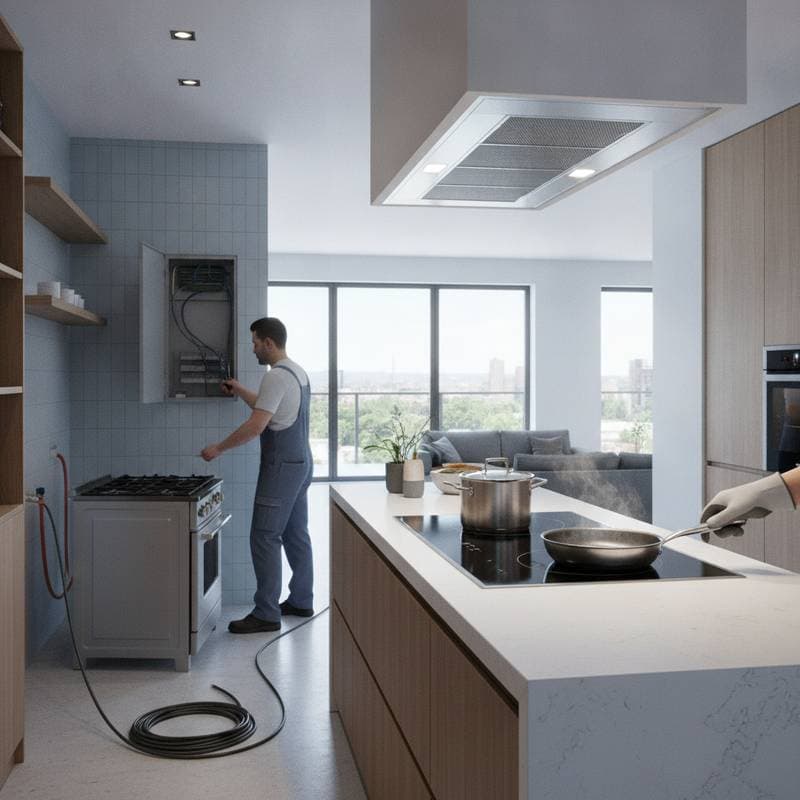
Gas bans represent a growing policy trend in numerous cities and states aimed at reducing carbon emissions and improving air quality. These regulations prohibit the installation of new natural gas lines in buildings, including residential homes, effectively limiting the use of gas-powered appliances like stoves and ovens. Homeowners planning kitchen remodels or new constructions now face the need to adapt to electric alternatives, which accelerates the shift away from traditional gas cooking.
This change stems from environmental concerns, as gas combustion contributes to greenhouse gases and indoor pollutants. For instance, areas such as California and New York have implemented such measures, with more regions following suit. The result is a pressing incentive for homeowners to explore options that align with these standards while maintaining cooking functionality.
What Is Induction Cooking?
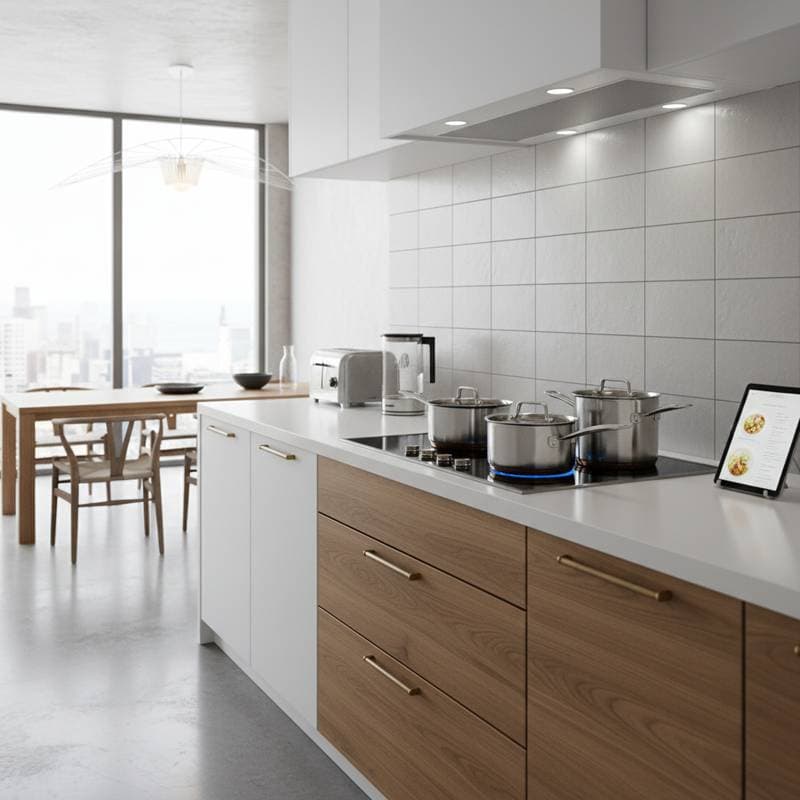
Induction cooktops utilize electromagnetic fields to heat cookware directly, bypassing the need for an open flame or surface element. A coil beneath the glass surface generates a magnetic field that induces heat in compatible pots and pans made of ferrous materials, such as cast iron or stainless steel. This technology heats food faster and more evenly than conventional electric or gas methods.
Unlike gas stoves, which rely on burning fuel, induction requires electricity and responds instantly to adjustments, much like a gas burner but without the hazards of fire. The surface remains relatively cool to the touch, minimizing burn risks. This makes induction an ideal choice for busy households seeking precision and convenience.
Key Benefits of Switching to Induction
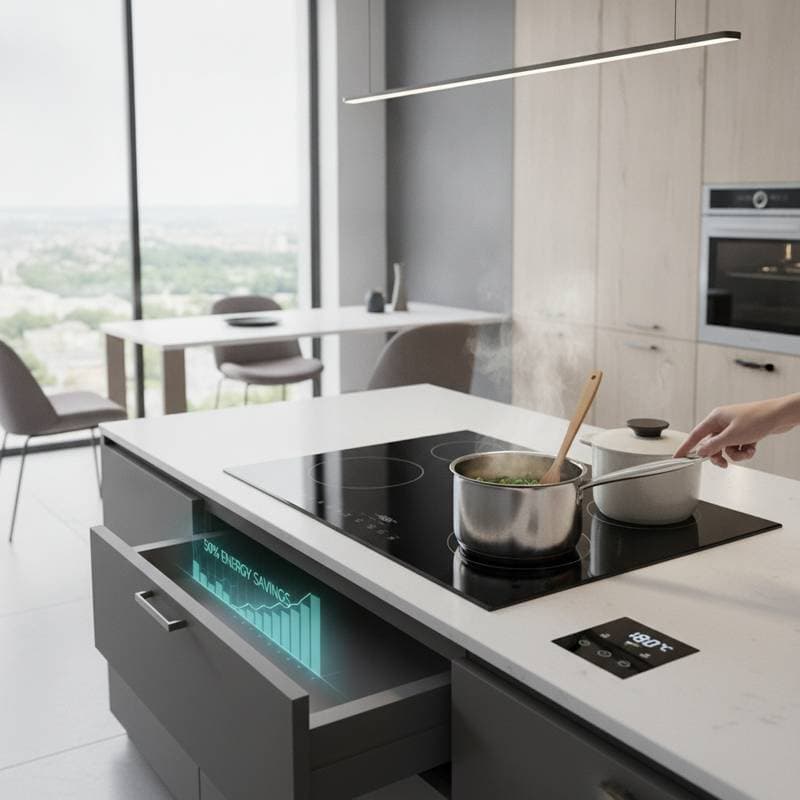
Induction cooktops excel in energy efficiency, using up to 90 percent of the energy produced compared to 40 percent for gas. This translates to lower utility bills over time and a reduced environmental footprint. Homeowners benefit from quicker boiling times and consistent simmering, which streamline meal preparation.
Safety stands out as a major advantage, with no open flames to ignite spills or curtains. The cooktop shuts off automatically if no cookware is detected, preventing accidents. Additionally, induction eliminates the release of harmful byproducts like nitrogen dioxide, fostering healthier indoor air.
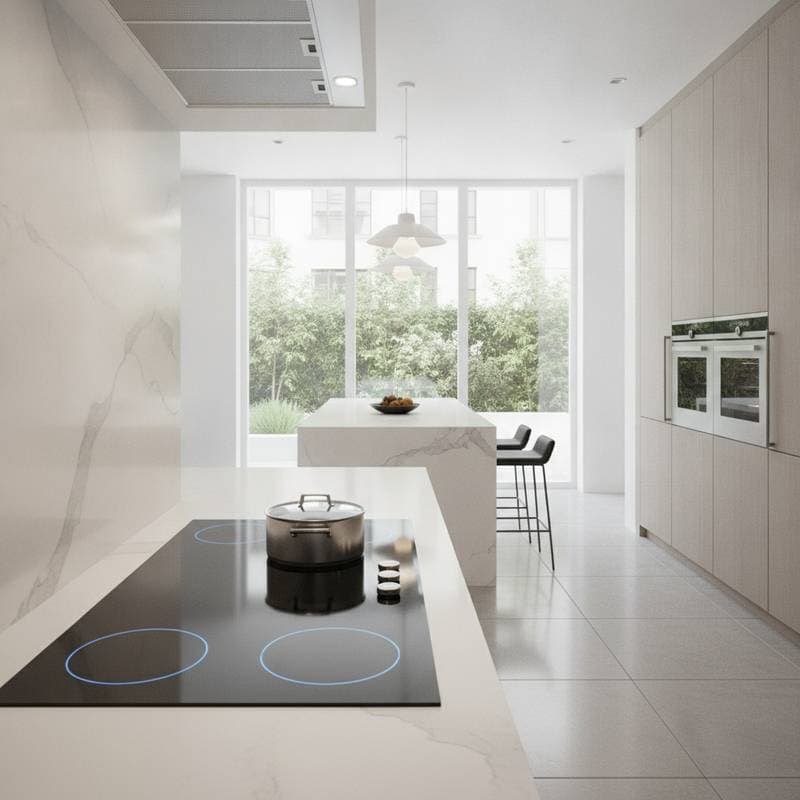
Design flexibility enhances the appeal of induction for modern kitchens. Sleek, flush-mounted surfaces integrate seamlessly with countertops, available in widths from 30 to 36 inches to fit various spaces. Features like touch controls and built-in timers add a layer of sophistication and ease.
Efficiency in Action
Consider a typical family dinner: water boils in half the time on an induction unit versus gas, saving minutes per task. Precise temperature control prevents overcooking delicate sauces or proteins. These efficiencies compound daily, making induction a practical upgrade beyond mere compliance.
Navigating the Challenges of Transition
Switching to induction involves upfront considerations, starting with electrical infrastructure. Most homes require a 240-volt circuit, which may necessitate panel upgrades or new wiring from a licensed electrician. Costs for this can range from a few hundred to several thousand dollars, depending on the home's existing setup.
Cookware compatibility poses another hurdle; only magnetic materials work effectively. Test pots with a magnet: if it sticks, the item suits induction. Non-compatible pieces, like aluminum or glass, demand replacement, though many households already own suitable options.
Initial purchase prices for induction cooktops often exceed those of gas models, typically between $1,000 and $3,000 for quality units. However, rebates from utility companies or government incentives for energy-efficient appliances can offset expenses. Planning during a remodel minimizes disruptions and costs.
Actionable Steps to Adopt Induction Cooking
Assess your kitchen's electrical capacity with a professional inspection to identify necessary upgrades. Budget for both the appliance and any modifications, factoring in potential rebates. Select a model with desired features, such as multiple burners or smart connectivity.
- Choose compatible cookware: Prioritize sets with flat, heavy bottoms for optimal contact and heat distribution.
- Install during renovations: Coordinate with contractors to integrate the cooktop seamlessly.
- Test and adjust: After installation, experiment with settings to master the responsive controls.
These steps ensure a smooth integration, turning potential obstacles into manageable tasks.
Embracing Induction for Lasting Kitchen Innovation
Induction cooktops represent more than a regulatory workaround; they deliver tangible improvements in performance and well-being. Homeowners gain kitchens that operate with precision, consume less energy, and enhance safety without sacrificing culinary quality. As gas bans expand, this technology positions residences at the forefront of sustainable living.
The investment yields long-term rewards, from reduced maintenance to elevated home value. Families experience the joy of efficient cooking in spaces designed for the future. Induction transforms everyday routines into effortless, eco-conscious practices.