The Shift Away from Gas in Modern Kitchens
Gas stoves have long defined home cooking with their instant flames and familiar sizzle. However, recent building codes and energy policies signal a rapid decline in their use for new constructions. By 2026, several regions anticipate widespread adoption of all-electric standards, driven by environmental imperatives and technological advances.
This transformation stems from growing awareness of gas appliances' impact on climate and health. Local governments and utilities promote cleaner alternatives to reduce emissions and improve indoor environments. Homeowners and builders now face decisions that balance tradition with forward-thinking efficiency.
Key Reasons for the Phase-Out
Environmental Regulations Take Center Stage
Fossil fuel combustion contributes significantly to greenhouse gases, and gas stoves play a role in residential emissions. Policymakers target these sources through updated energy codes that favor electricity from renewable grids. Cities like those in California lead with mandates requiring zero-emission appliances in new homes, setting a precedent for national trends.
These rules aim to curb methane leaks from natural gas infrastructure, a potent climate pollutant. As utilities shift investments toward green energy, incentives for electric setups multiply. The result positions new kitchens as part of a broader sustainability movement.
Health Concerns Drive Change
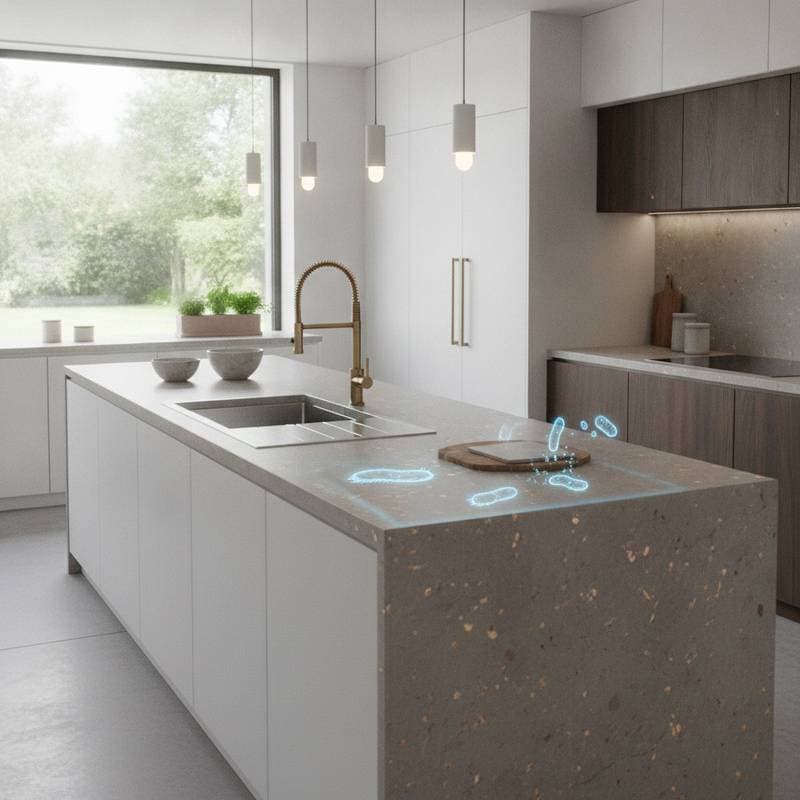
Gas stoves release nitrogen dioxide and other pollutants during operation, linking to respiratory issues in households. Studies highlight elevated risks for children and those with asthma in homes reliant on gas cooking. Ventilation helps, but it does not eliminate exposure entirely.
Electric alternatives minimize these hazards by producing no combustion byproducts. Cleaner air translates to fewer health complaints and lower medical costs over time. Regulatory bodies increasingly cite these benefits to justify bans on gas in fresh installations.
Efficiency and Innovation Outpace Tradition
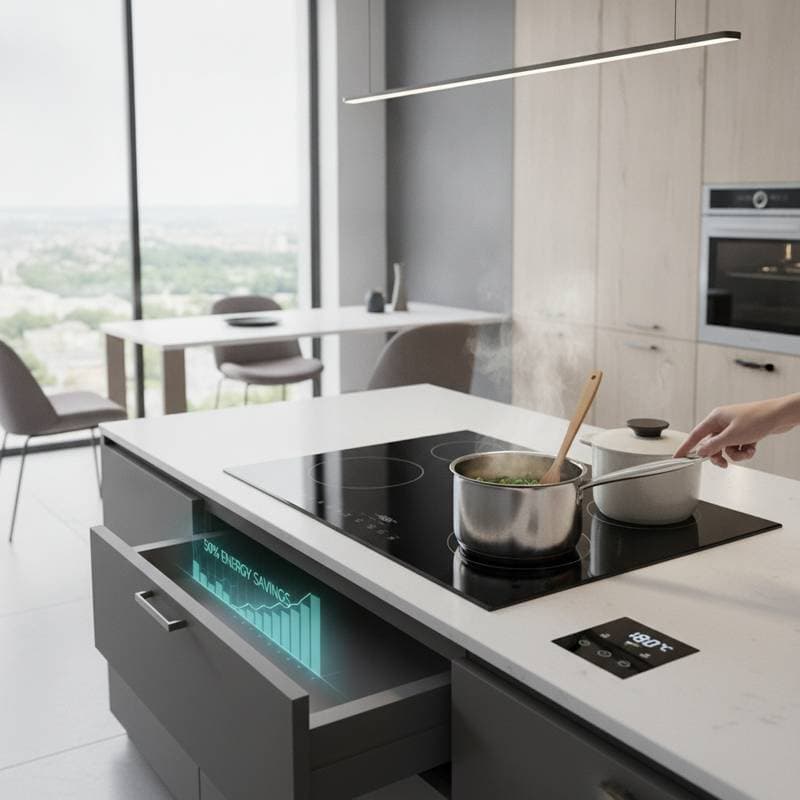
Induction technology surpasses gas in speed and precision, heating cookware directly without warming the air. This method conserves energy, as up to 90 percent of input power reaches the food, compared to gas's lower efficiency. Modern kitchens benefit from reduced utility bills and faster meal preparation.
Building codes reflect this edge by prioritizing systems that align with smart home integrations. Gas lines require maintenance and pose leak risks, while electric setups integrate seamlessly with renewable sources. The industry evolves to meet demands for reliable, low-maintenance appliances.
Understanding Induction Cooking
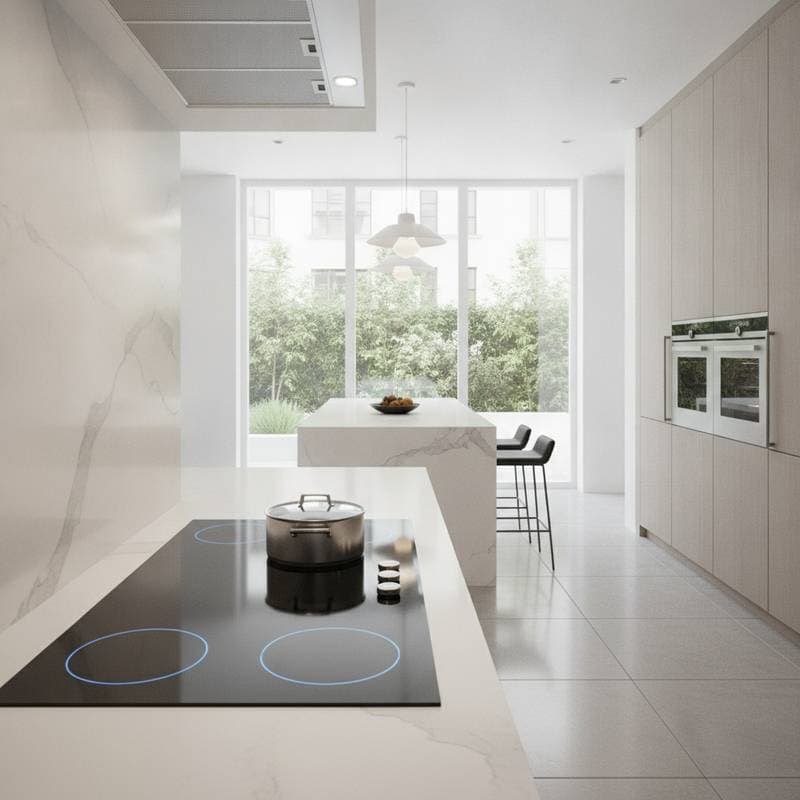
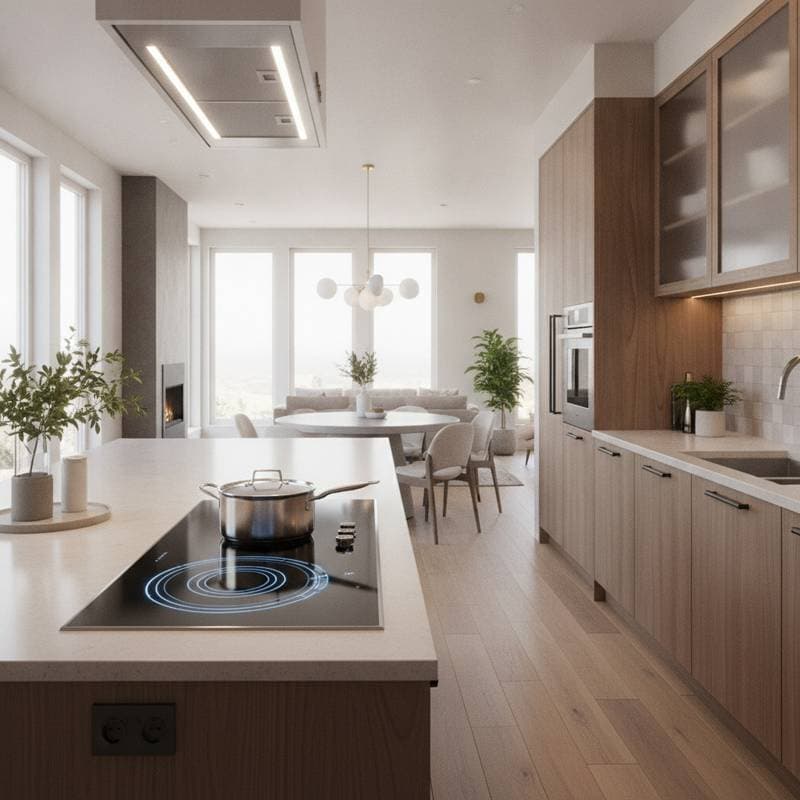
Induction ranges use electromagnetic fields to generate heat within compatible pots and pans. A smooth glass surface remains cool to the touch, enhancing safety around children and preventing burns from open flames. Models offer touch controls for instant adjustments, mimicking gas responsiveness without the fuel.
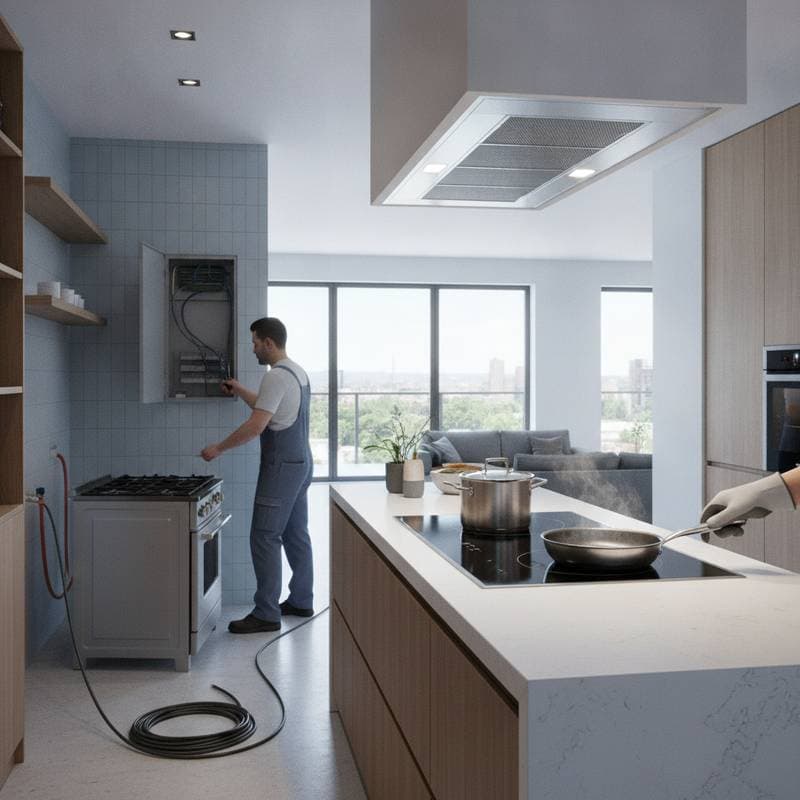
Installation demands a 240-volt circuit, often necessitating panel upgrades in older homes. Yet, new builds incorporate these specifications from the start, simplifying the process. Cookware must contain iron for effective induction; stainless steel or cast iron works best, while aluminum requires a ferromagnetic base.
Benefits of Switching to Induction
Enhanced Safety Features
Without flames or hot coils, induction reduces fire hazards and accidental injuries. Automatic shut-off occurs if no cookware detects, adding peace of mind. Emergency response times improve in all-electric homes, as firefighters face fewer gas-related complications.
Superior Performance and Control
Boiling water takes half the time of gas methods, and simmering holds steady temperatures effortlessly. Chefs praise the even heating that prevents scorching, ideal for delicate sauces or searing meats. Energy savings accumulate, with many users reporting 20 to 30 percent reductions in cooking costs.
Long-Term Environmental Gains
Pairing induction with solar panels or efficient grids lowers a home's carbon footprint dramatically. Water heating and other appliances follow suit in all-electric designs, amplifying overall efficiency. Future policy support, including rebates, eases the upfront transition.
Costs and Practical Considerations
Initial expenses for induction ranges range from $1,000 to $3,000, comparable to mid-range gas models. Electrical upgrades might add $500 to $2,000, depending on home wiring. New cookware sets cost $200 to $500, though many households already own suitable pieces.
Compare this to gas: ongoing fuel prices fluctuate, and installation involves piping that ages over time. Induction promises durability, with surfaces resisting stains and warranties extending up to 10 years. Tax credits in eligible areas offset costs, making the switch financially viable.
- Assess current electrical capacity with a professional inspection.
- Select ENERGY STAR-rated induction units for optimal efficiency.
- Budget for cookware that maximizes performance.
- Explore local rebates through utility programs or government sites.
Steps to Future-Proof Your Kitchen
Begin by reviewing local building codes to understand timelines for gas restrictions. Consult electricians early to evaluate upgrade needs and avoid surprises during renovations. Test induction at showrooms to experience the technology firsthand.
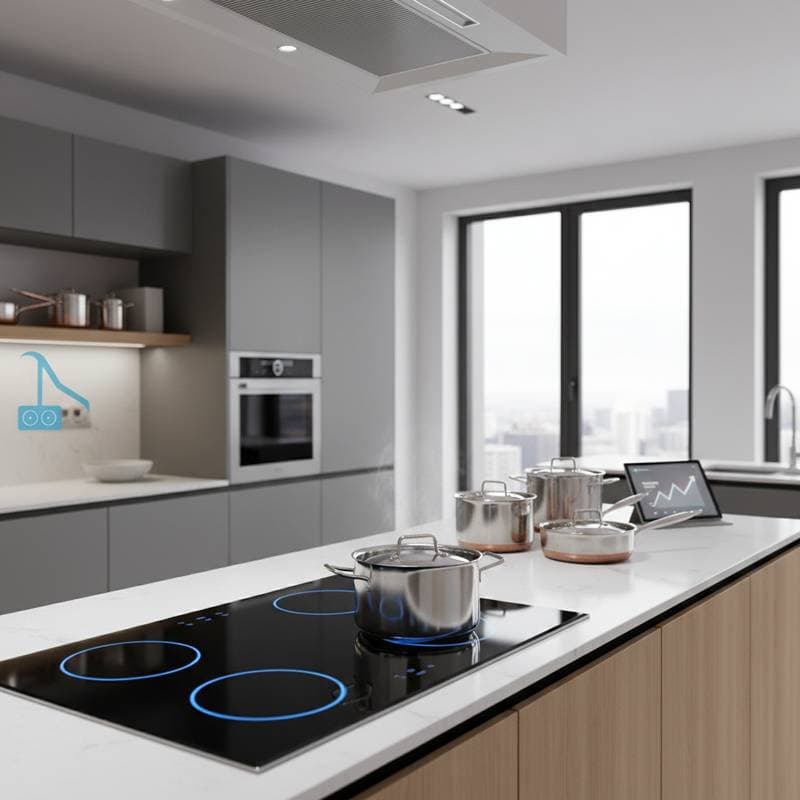
For new constructions, specify all-electric in plans to comply with emerging standards. Retrofitting existing homes proves feasible with modular designs that minimize disruption. Integrate smart features for remote monitoring and energy tracking.
Embracing Electric Cooking for Lasting Advantages
The move from gas stoves marks a pivotal upgrade in kitchen design, prioritizing health, efficiency, and sustainability. Homeowners gain precise tools that elevate daily cooking while aligning with global energy goals. As adoption grows, communities benefit from reduced emissions and innovative living spaces.
Investing now secures a resilient setup against rising fuel costs and policy shifts. Induction empowers cooks with reliable performance, fostering creativity without environmental compromise. This evolution transforms kitchens into efficient, safe havens for generations ahead.