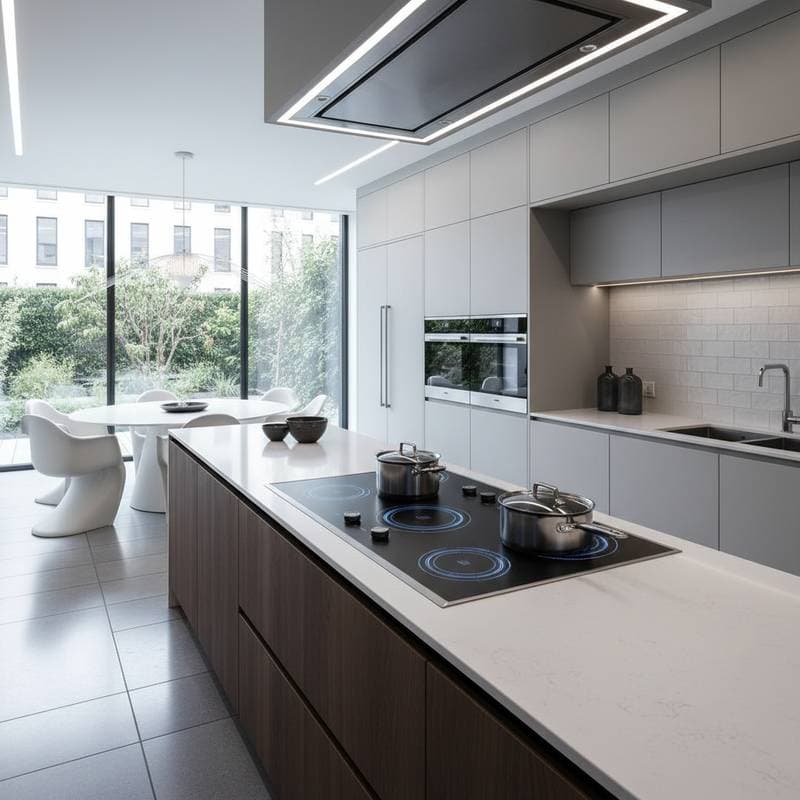
Why Induction Zones Are the Kitchen's New Standard
Innovation in kitchen design continues to evolve, and induction zones stand at the forefront of this transformation. These advanced cooking surfaces enhance daily meal preparation by offering efficiency, energy conservation, and aesthetic versatility. Available in configurations that suit various budgets, induction zones integrate seamlessly into both modest updates and comprehensive renovations.
Understanding Induction Technology
Induction zones operate through electromagnetic fields that generate heat directly within compatible cookware. Unlike traditional electric or gas stoves, which warm the cooking surface first, this method targets the pot or pan exclusively. As a result, cooking times reduce significantly; for instance, water reaches a boil in half the duration compared to conventional electric models.
The cooktop itself remains relatively cool, minimizing the risk of burns from accidental contact. Temperature adjustments occur almost instantaneously, providing the precision of gas flames without the open fire. This combination of responsiveness and safety makes induction ideal for professional chefs and home cooks alike.
The Flexibility of Induction Zones
One key advantage of induction zones lies in their adaptive design. Sensors detect the size, shape, and position of cookware, activating heat only where needed. This eliminates the constraints of fixed burners, allowing users to place pots freely across the surface.
For example, smaller zones suit single servings, while multiple zones can merge to accommodate oversized cookware like griddles or Dutch ovens. In a busy household, this flexibility supports seamless transitions between tasks, such as simmering sauces alongside boiling pasta. Such versatility accommodates diverse cooking needs, from everyday routines to elaborate gatherings.
Integrating Induction into Kitchen Layouts
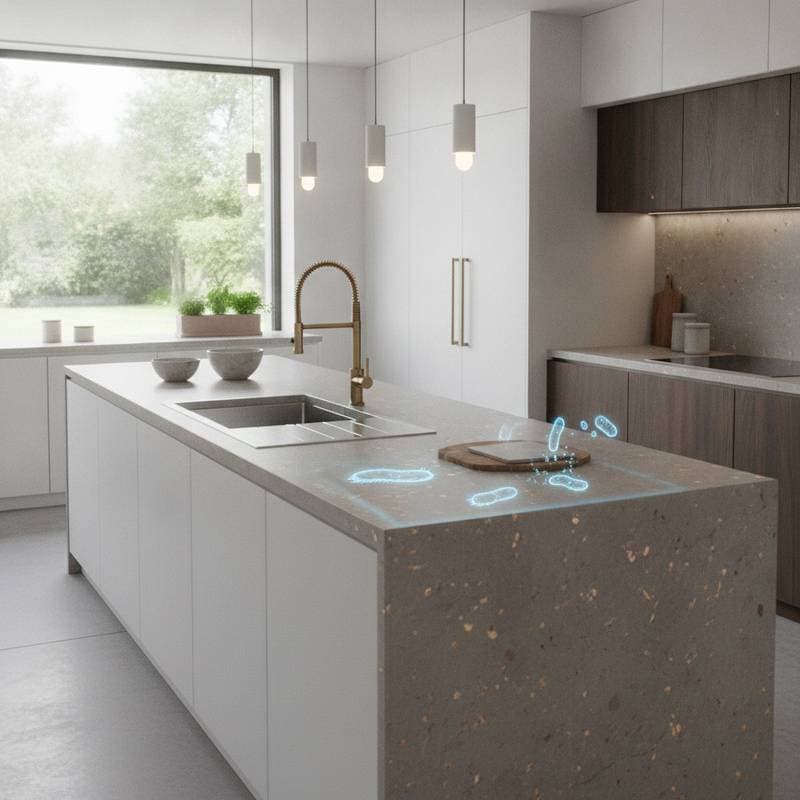
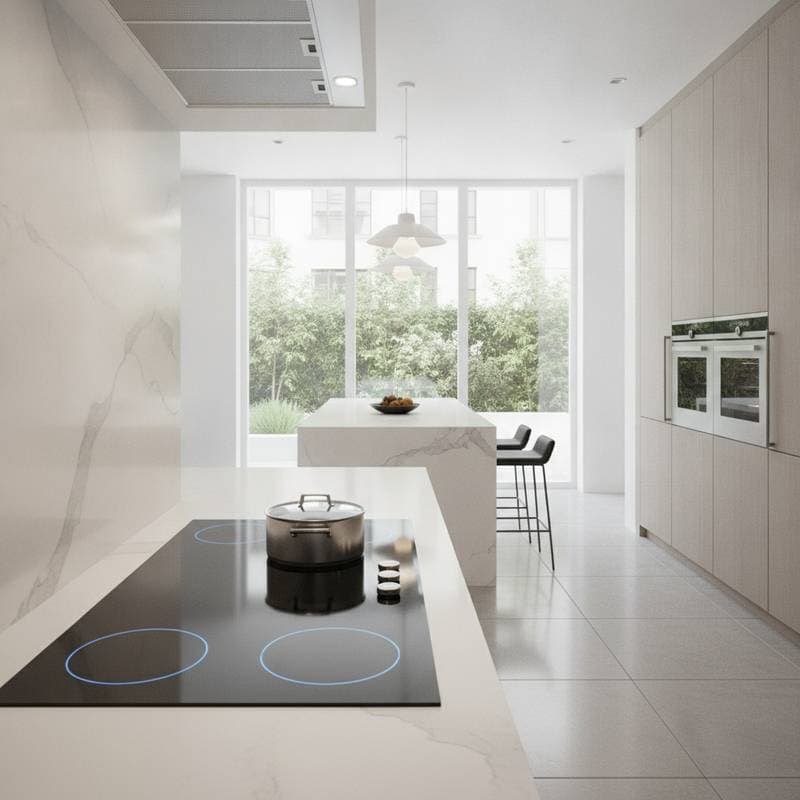
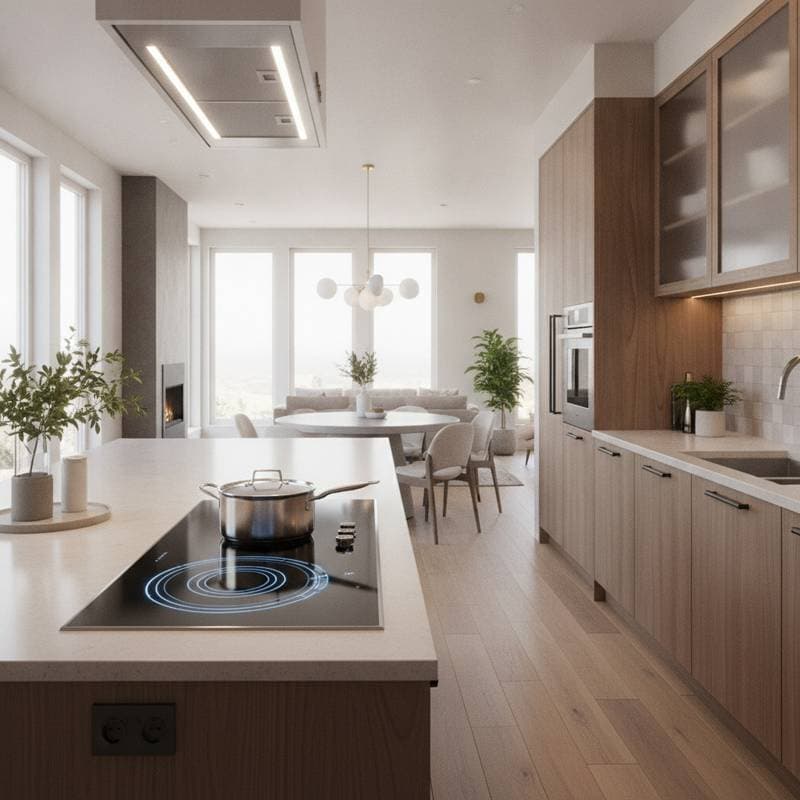
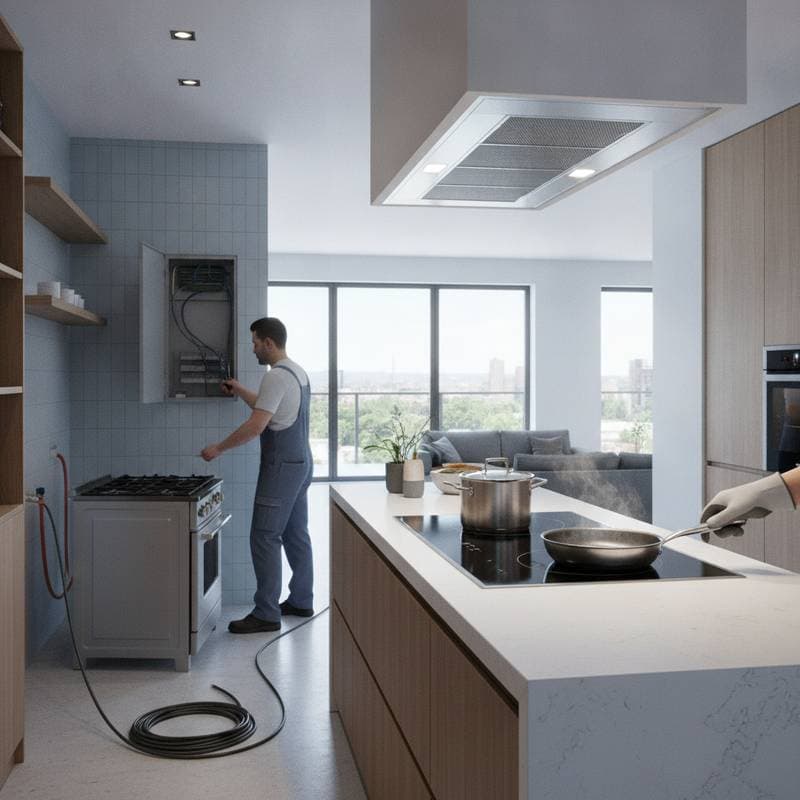
Induction zones enhance design possibilities due to their slim profile and lack of ventilation requirements beyond standard electrical outlets. Install them flush into countertops, islands, or peninsulas without disrupting visual continuity. In open-plan spaces, a seamless induction surface contributes to a minimalist aesthetic, blending preparation areas with dining zones.
Consider the material choices: pair induction with quartz, granite, or stainless steel for durability and style. For smaller kitchens, portable single-zone units offer an entry point, requiring no permanent installation. This adaptability ensures that induction fits into rentals, apartments, or custom builds, promoting a clutter-free and elegant environment.
Options Across Budgets
Induction solutions span a wide price spectrum to meet different needs. Basic portable models, suitable for countertop use, typically range from $50 to $200, providing an affordable way to test the technology. Mid-tier built-in units, featuring two to four zones, start around $800 and include features like touch controls and timer functions.
High-end systems, with advanced bridging capabilities and integrated hoods, may exceed $3,000, appealing to those seeking premium performance. Select based on frequency of use and kitchen size; a single zone suffices for occasional cooking, while multi-zone setups benefit avid entertainers. Financing options and rebates for energy-efficient appliances further broaden accessibility.
Achieving Energy Efficiency
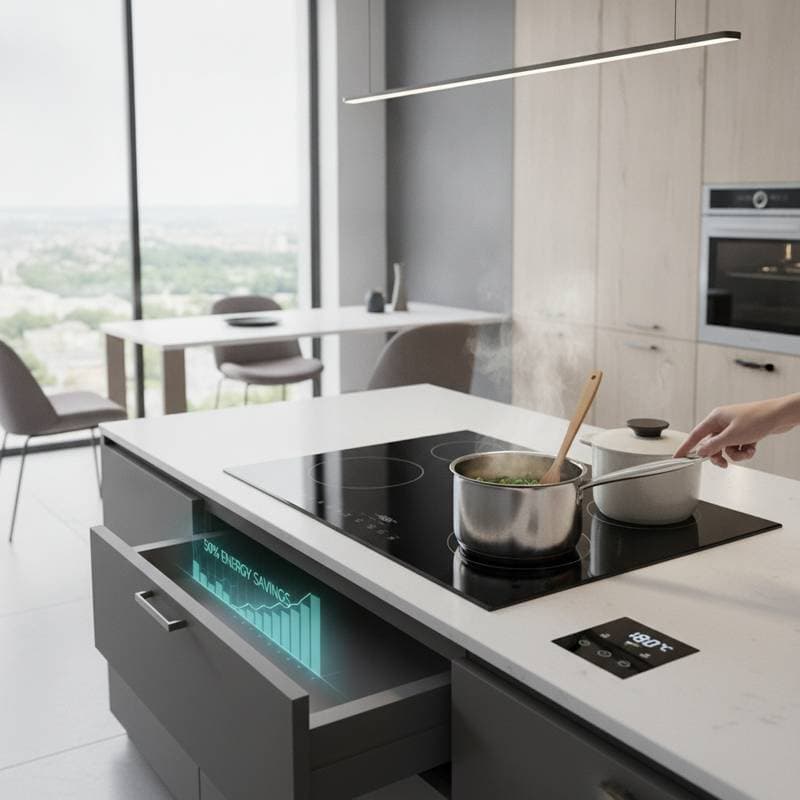
Induction cooking excels in energy utilization, transferring up to 90 percent of power directly to the food. This efficiency contrasts with gas stoves, which lose heat to the surrounding air, or electric coils, which require preheating. Consequently, utility bills decrease, and kitchens maintain comfortable temperatures even during extended sessions.
Pair induction with renewable energy sources, such as solar panels, to amplify sustainability. In practical terms, this means quicker meals with less environmental impact, aligning with broader goals of eco-conscious living. Homeowners report noticeable reductions in cooking-related energy consumption after switching.
Prioritizing Safety Features
Safety defines induction zones, particularly for households with children or frequent multitaskers. The surface cools rapidly without cookware, preventing burns from spills or forgotten elements. Built-in sensors shut off power if no pot is detected or if overheating occurs, adding layers of protection.
Automatic pan detection ensures operation only with ferromagnetic materials, avoiding inefficient or hazardous use. For families, these features enable safer independent cooking, such as preparing basic meals without constant supervision. Overall, induction reduces common kitchen risks while maintaining high performance.
Everyday Benefits of Induction Cooking
Daily use reveals the full potential of induction zones. Precise heat control prevents overcooking delicate foods like fish or sauces, while rapid response times streamline meal prep. Cleaning proves straightforward, as the cool surface allows wiping spills immediately without baked-on residue.
Aesthetically, the smooth, reflective finish elevates kitchen style, complementing modern or traditional motifs. Over time, users appreciate the blend of convenience and reliability, turning routine tasks into efficient pleasures.
Upgrading to Induction for Lasting Value
Transitioning to induction zones delivers immediate and enduring advantages, from cost savings to enhanced safety. Begin with a portable unit to experience the benefits, then scale to built-in options as needs evolve. This upgrade not only optimizes cooking but also future-proofs the kitchen against emerging trends in efficiency and design.