2026 Trends in Age-Friendly Bathroom Designs
Visualize a bathroom that prioritizes safety, comfort, and visual appeal regardless of age or mobility. Homeowners increasingly redesign these spaces to accommodate long-term living or enhanced accessibility. Current trends enable the creation of practical yet aesthetically pleasing environments.
Homeowners find that such bathrooms promote independence while upholding design integrity. The following sections examine trends establishing new benchmarks for comfort and accessibility.
The Importance of Age-Friendly Design
Bathrooms rank among the most dangerous areas in a residence due to slick surfaces, confined areas, and elevated thresholds, which pose risks for individuals with mobility or balance issues. Age-in-place principles address these dangers while preserving usability and visual harmony.
Contemporary approaches extend past basic aids like grab bars or nonslip rugs. They integrate intentional layouts, advanced technology, and adaptable configurations that evolve with changing requirements. This yields bathrooms that appear contemporary and inviting for users ranging from young children to seniors.
Essential Features Driving the Trends
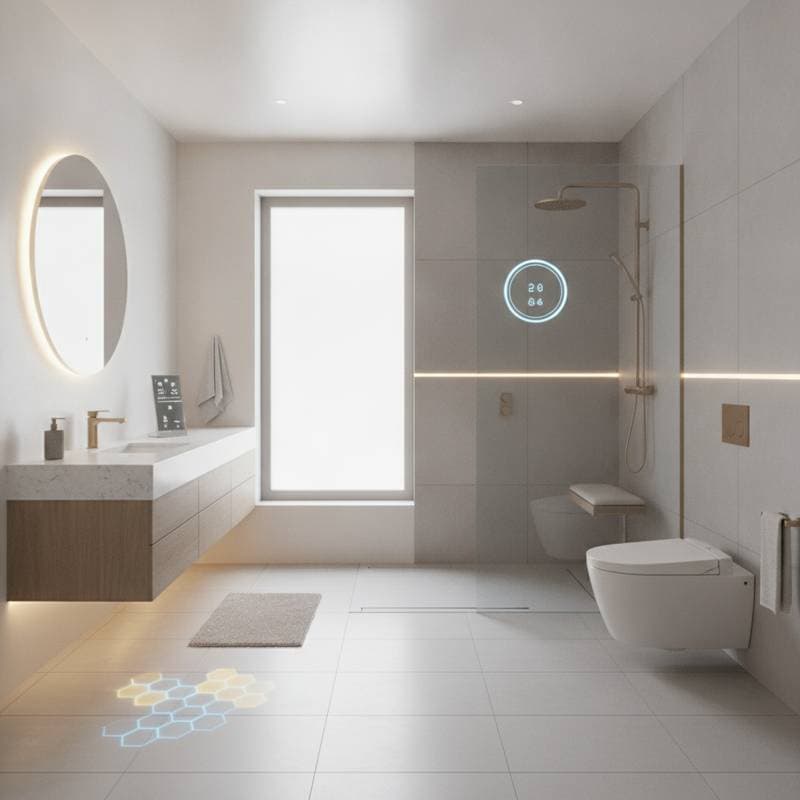
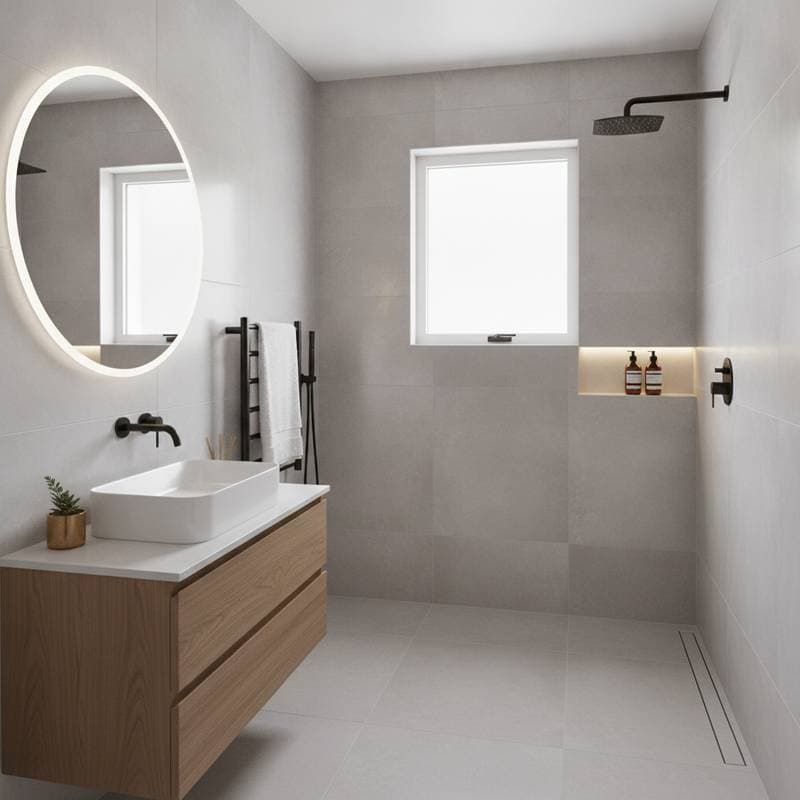
1. Zero-Threshold Showers
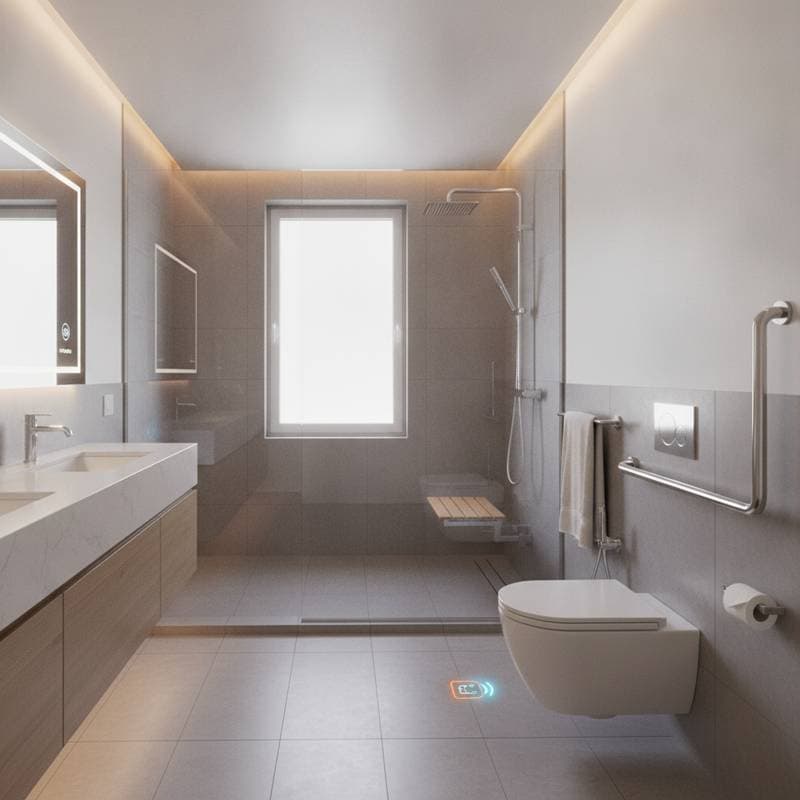
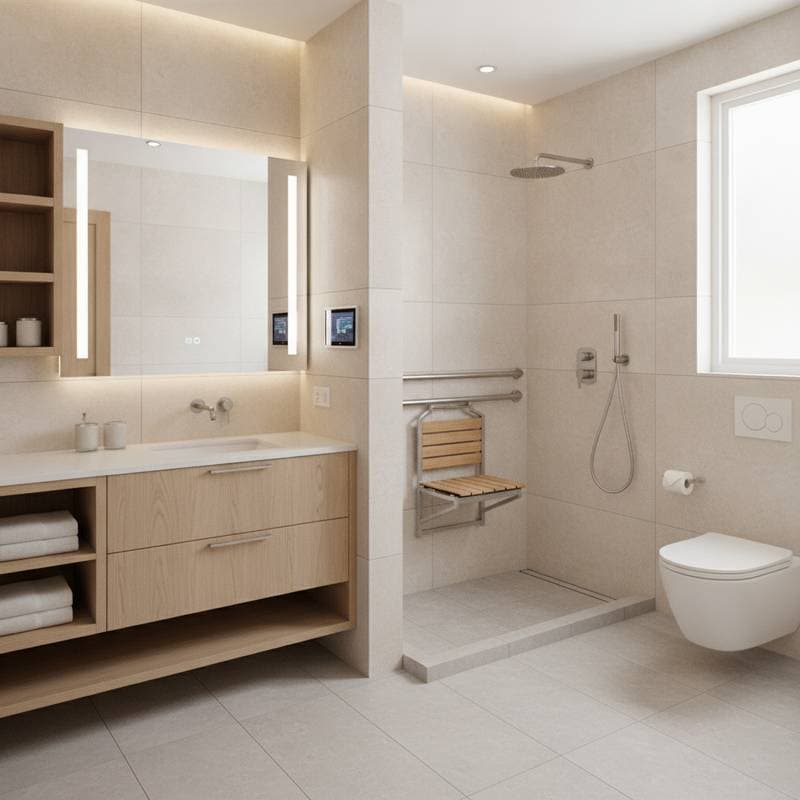
These barrier-free showers eliminate the traditional step, facilitating seamless access for those with walkers or wheelchairs. The design conveys a streamlined, contemporary aesthetic.
Cost range: $3,000 to $8,000, influenced by selections in tile, drainage systems, and plumbing modifications.
Pro tip: Opt for a linear drain to optimize water management and achieve a minimalist appearance.
2. Adjustable Fixtures
Elements such as height-variable showerheads, handheld sprayers, and wall-mounted sinks offer versatility for varying statures or mobility needs. These additions typically increase remodel expenses by $200 to $600, yet deliver enduring adaptability and ease.
3. Non-Slip Flooring
Materials with enhanced grip, including textured porcelain tiles or vinyl planks, supplant smooth, glossy options. Select products with a minimum slip resistance rating of R10 in moisture-prone zones. Costs for materials fall between $3 and $7 per square foot, with labor adding $5 to $8 more.
4. Comfort-Height Toilets
Elevated seating on these toilets simplifies the process of sitting and rising. Standard models range from $250 to $600, and plumbers handle installation efficiently. Many users incorporate adjacent grab bars to bolster support.
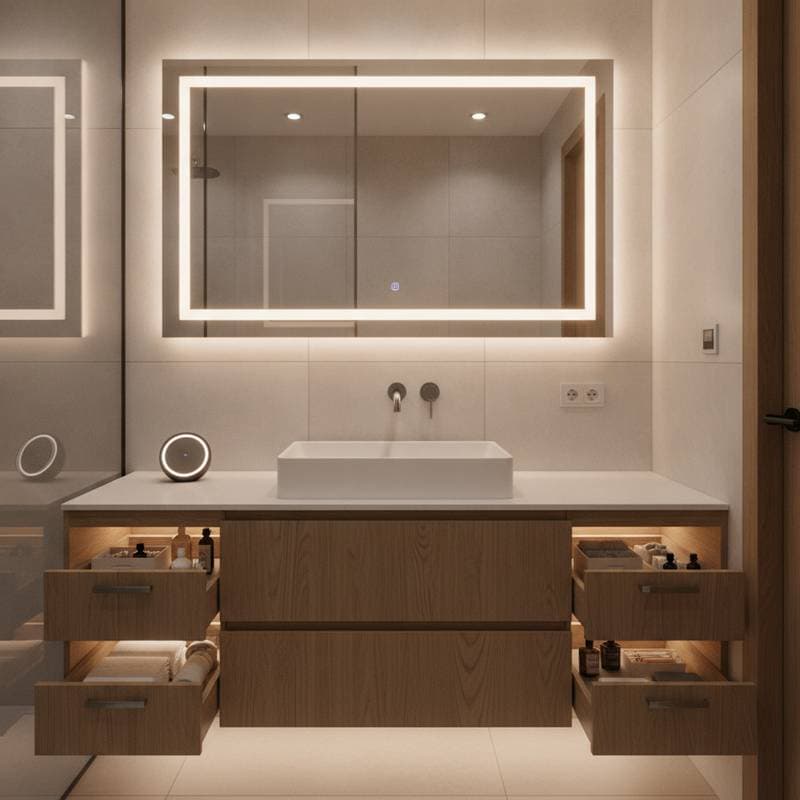
5. Enhanced Lighting
Multiple lighting layers boost visibility and reduce hazards. Integrate ceiling-mounted LEDs, motion-sensor night lights, and focused illumination near mirrors. A comprehensive upgrade costs $500 to $1,500. Warmer color temperatures minimize glare and visual fatigue.
6. Smart Safety Features
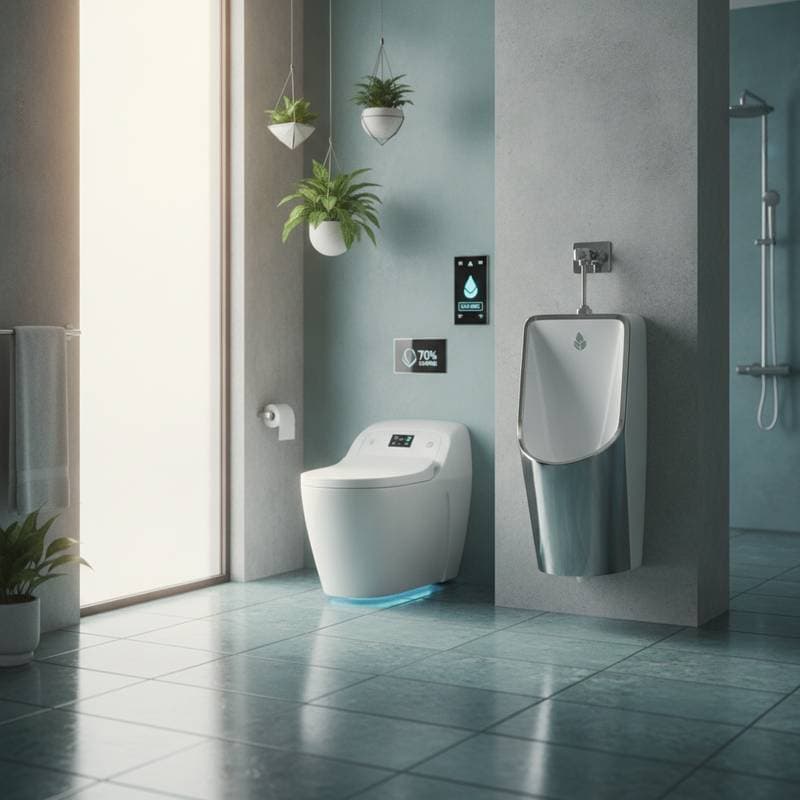
Innovative technology enhances security. Faucets with temperature regulation avoid burns, voice controls operate lights, and sensor-based fixtures reduce physical effort. Fall-detection systems can notify caregivers. These smart elements generally range from $800 to $2,000 based on included functionalities.
Integrating Design and Functionality
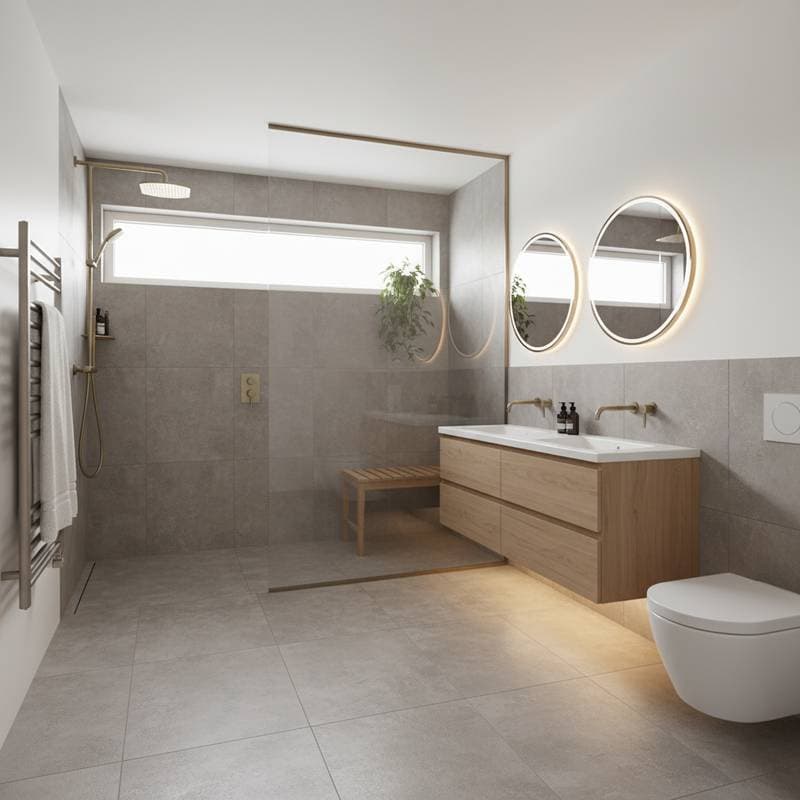
Age-friendly elements need not appear institutional or unadorned. Recent innovations pair premium surfaces with protective attributes. Examples include matte black grab bars, teak benches for showers, and frameless curbless enclosures that harmonize utility and refinement.
Color selection influences the environment. Subtle differentiation between flooring and walls aids spatial awareness, while neutral warm tones foster a serene, resort-inspired ambiance. Professionals leverage these elements to simultaneously advance safety and relaxation.
Practical Planning Steps
Assess the area and requirements prior to initiating work. Verify doorway widths exceed 32 inches to support unrestricted passage. Determine if existing subfloors accommodate zero-threshold alterations, which might necessitate reinforcements.
Permits and regulations: Local authorities mandate approvals for plumbing or electrical alterations. Confirm compliance with regional accessibility guidelines before proceeding.
Project duration: Expect two to four weeks for a standard remodel, varying by complexity and material procurement.
Budget overview:
- Simple, self-managed changes: $500 to $2,000 (grab bars, lighting adjustments, nonslip accessories)
- Moderate overhaul: $8,000 to $15,000 (fixture replacements, new flooring, targeted rearrangements)
- High-end transformation: $20,000 and above (bespoke showers, integrated technology, complete spatial reconfiguration)
Implementing Your Vision
Adopt a forward-thinking approach during the planning phase. Prioritize adaptable components to avoid future modifications. Collaborate with contractors experienced in universal design principles and accessibility norms. Request material samples and prototypes to evaluate ergonomics and accessibility on-site.
Beyond mere protection, an age-friendly bathroom represents a commitment to sustained well-being, autonomy, and tranquility. Incremental or comprehensive enhancements alike advance a residence that gracefully accommodates life's progression.