Why Wet Rooms Will Redefine Bathrooms by 2026
Wet rooms represent the future of bathroom design, offering open, waterproof environments that enhance both functionality and aesthetics. These spaces integrate seamlessly into modern homes, providing accessibility for all users while maintaining a luxurious appeal. As trends evolve toward minimalist and sustainable living, wet rooms emerge as a practical solution that fits diverse budgets and room sizes.
Defining the Wet Room Concept
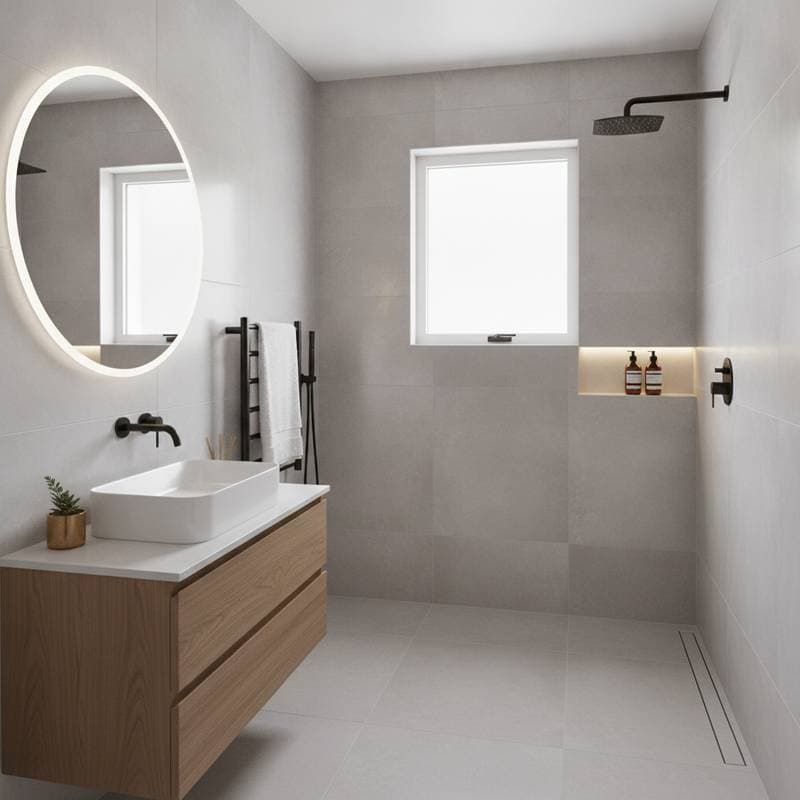
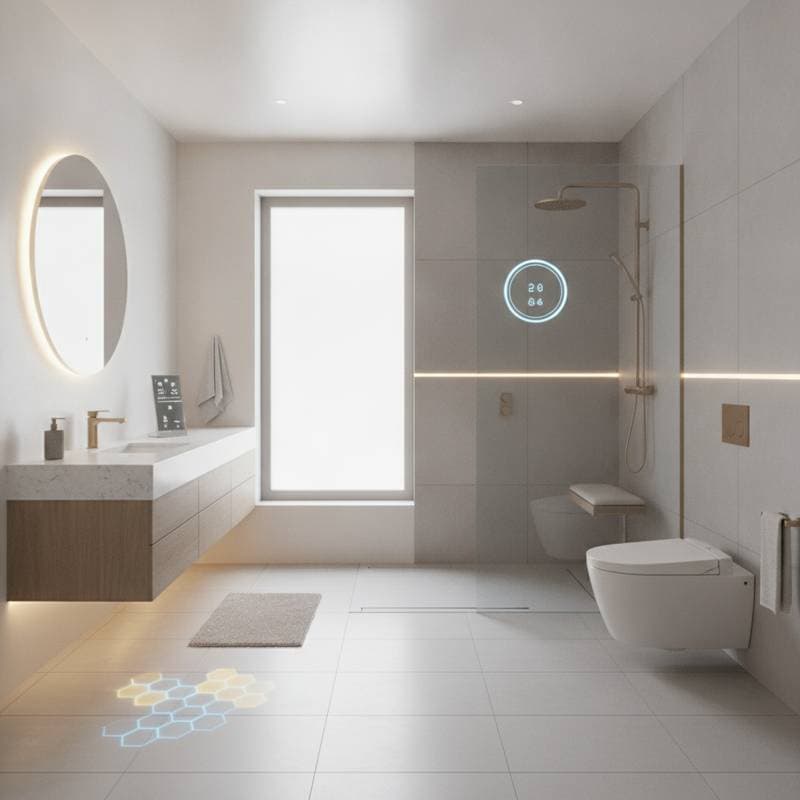
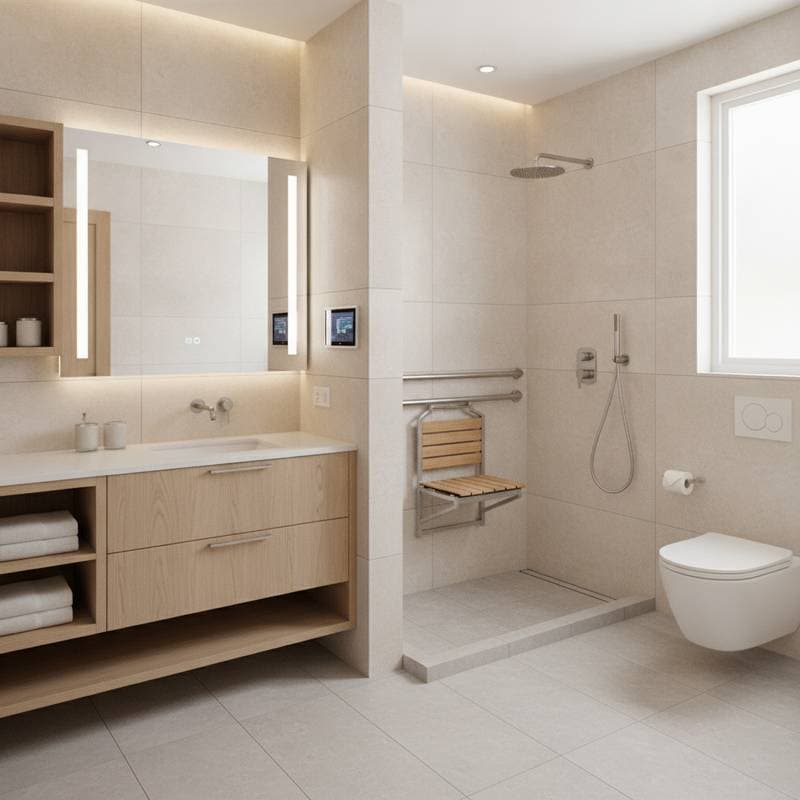
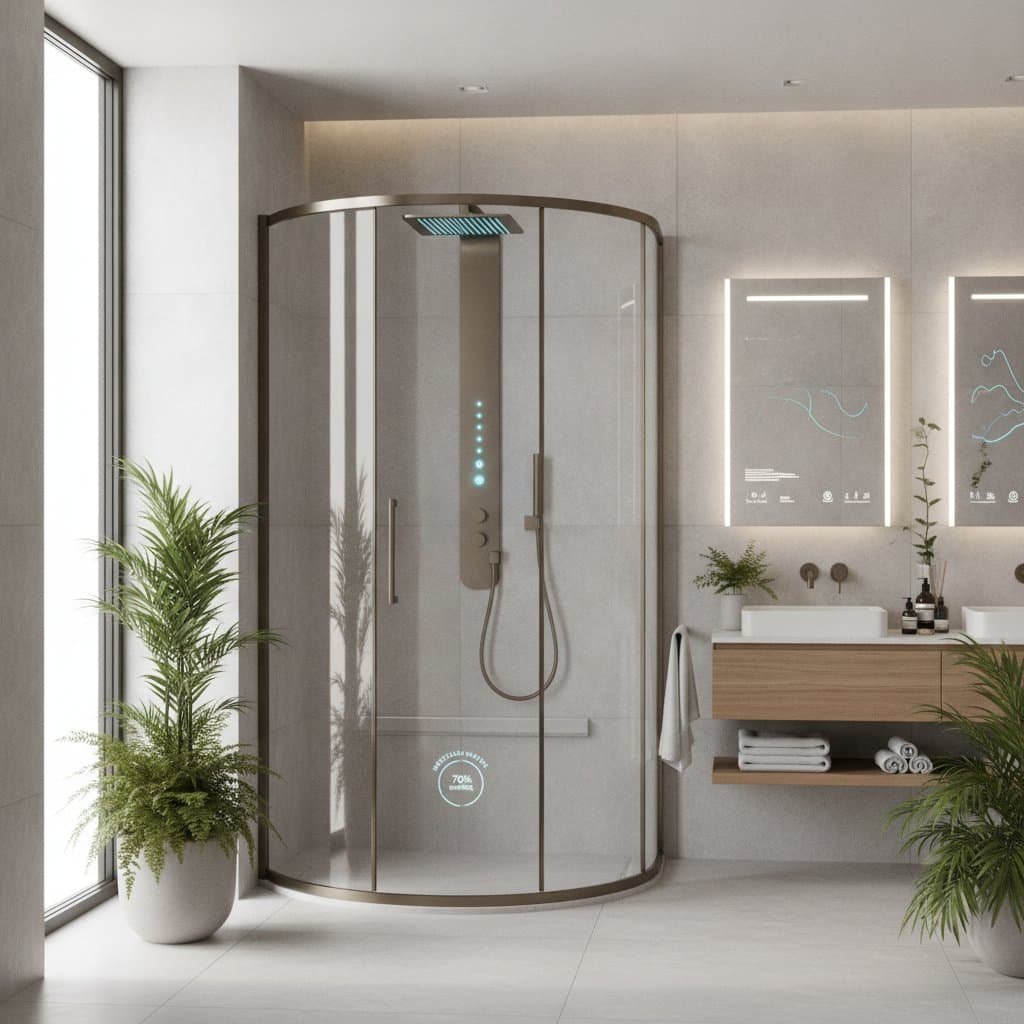
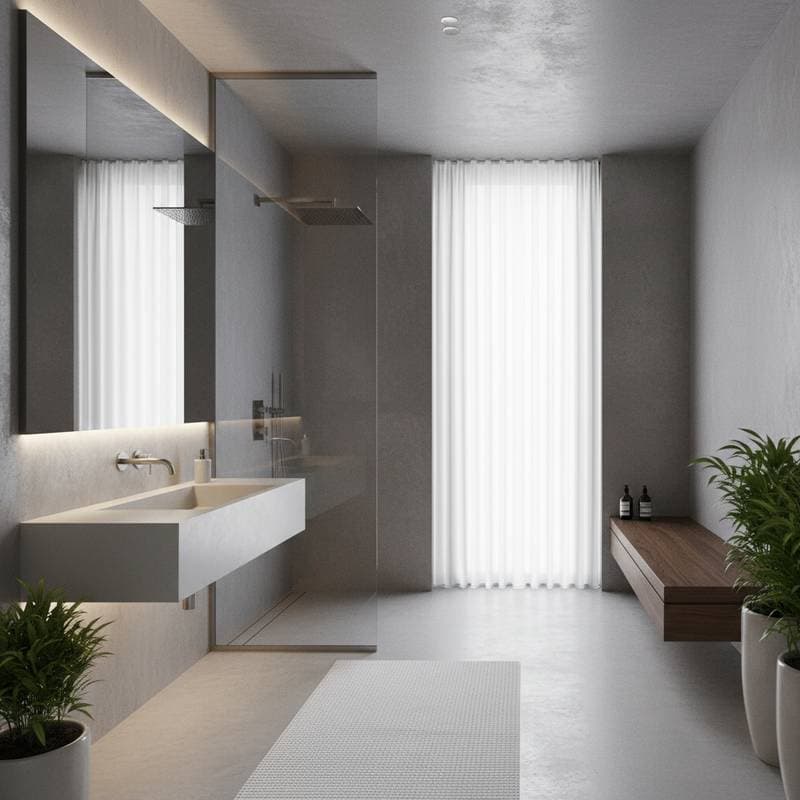
A wet room constitutes a fully waterproofed bathroom in which the shower integrates directly into the floor without a traditional enclosure. Water flows to a discreet linear or point drain, ensuring efficient drainage across a level surface. Walls and floors receive specialized tanking treatments, such as liquid-applied membranes or sheet barriers, to create a cohesive, moisture-resistant environment. This design eliminates thresholds and doors, fostering an unobstructed and contemporary layout.
Advantages for Homeowners
Homeowners appreciate wet rooms for their spatial expansion. The absence of barriers allows light and sightlines to flow freely, making even compact bathrooms appear larger. Maintenance proves straightforward, as smooth, continuous surfaces facilitate quick cleaning without grout lines or crevices that harbor residue.
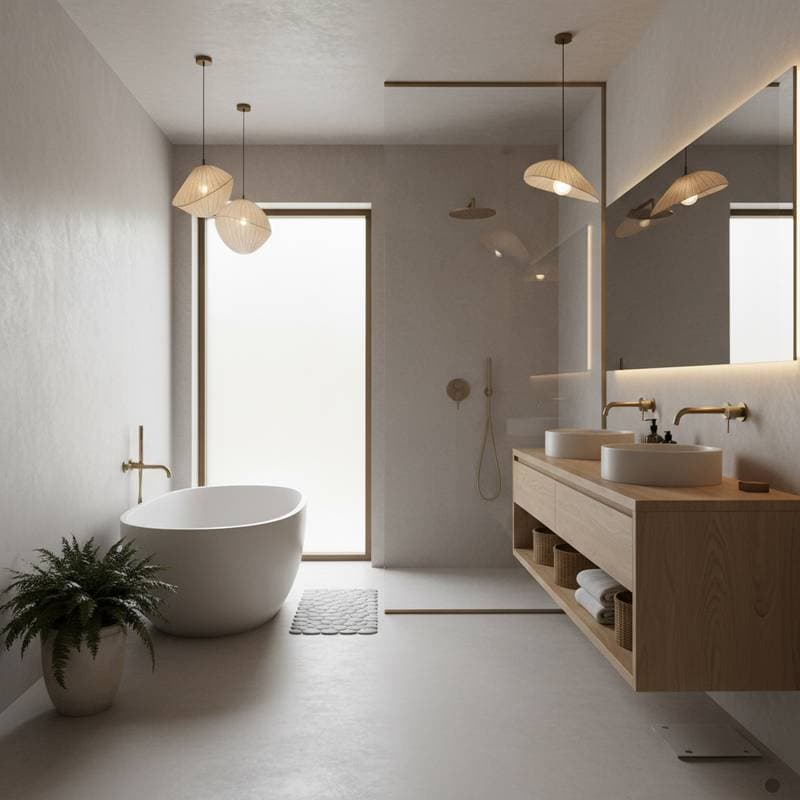
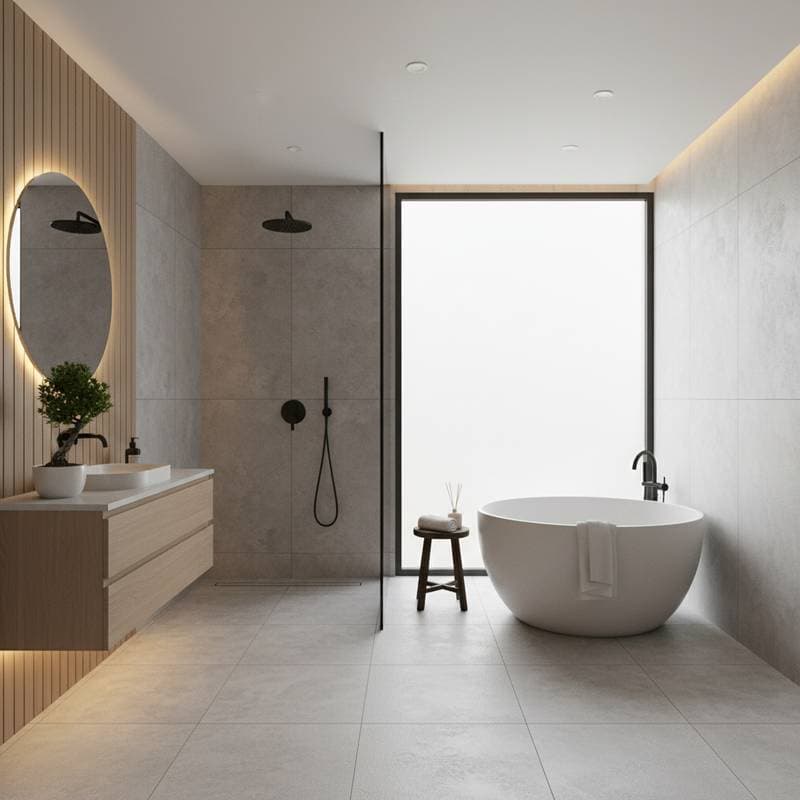
The aesthetic benefits include versatile material choices, from large porcelain tiles to microcement finishes, which contribute to a unified visual impact. A frameless glass panel, if used, enhances transparency and modernity without compromising the open feel.
Essential Waterproofing Techniques
Effective waterproofing forms the foundation of any wet room installation. Professionals apply tanking systems to all surfaces, ensuring no water penetration reaches underlying structures. For budget-conscious projects, focus waterproofing on the shower zone while using moisture-resistant materials elsewhere to achieve a similar effect.
Select products certified for wet environments, such as epoxy-based coatings or pre-formed liners. Engage contractors with expertise in these systems to avoid common issues like mold or leaks. Proper installation guarantees longevity and safety.
Tailoring Designs to Space and Budget
Wet rooms adapt effortlessly to various bathroom dimensions. In smaller areas, the open layout maximizes perceived space by removing enclosure bulk. Larger bathrooms benefit from zoned arrangements, where the wet area coexists with separate vanities or soaking tubs.
Consider these scalable options:
- Affordable approach: Install vinyl sheet flooring and PVC wall panels, which provide waterproofing at minimal cost and require basic tools for DIY elements.
- Moderate investment: Opt for porcelain tiles with a low-profile linear drain and tempered glass screening for durability and elegance.
- Premium execution: Employ large-format natural stone or polished concrete finishes, complemented by custom drainage solutions for a bespoke appearance.
Enhancing Accessibility and Inclusivity
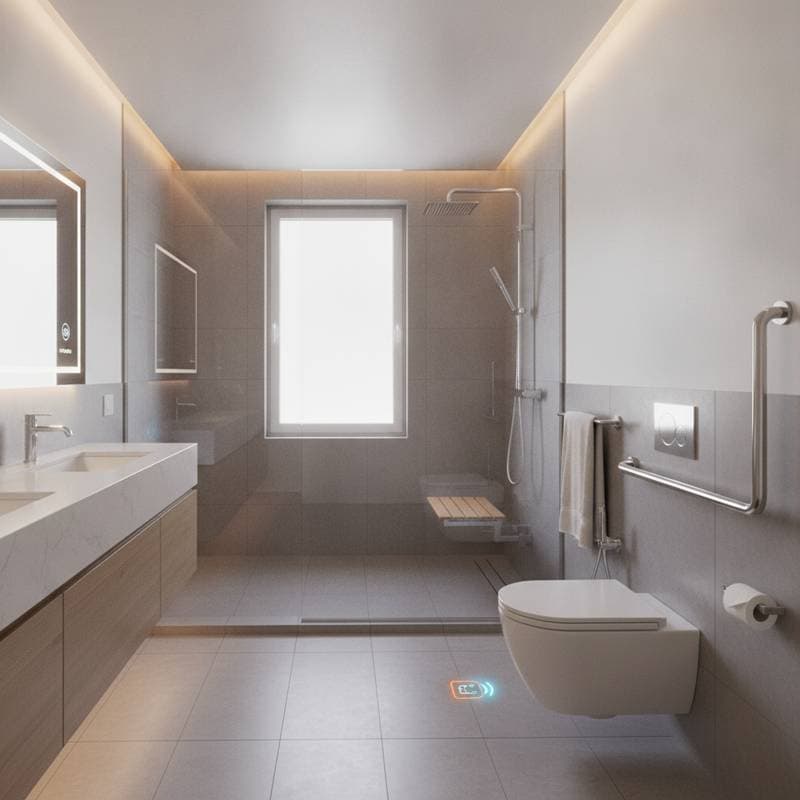
Wet rooms excel in universal design principles, featuring level entry points that accommodate wheelchairs, strollers, or aging-in-place needs. Grab bars integrate discreetly into tiled walls, and non-slip flooring ensures safety without altering the sleek profile.
This inclusivity extends to daily use, reducing fall risks and simplifying navigation. Families and individuals with varying mobility levels gain independence, while the design retains its sophisticated edge.
Promoting Sustainability and Efficiency
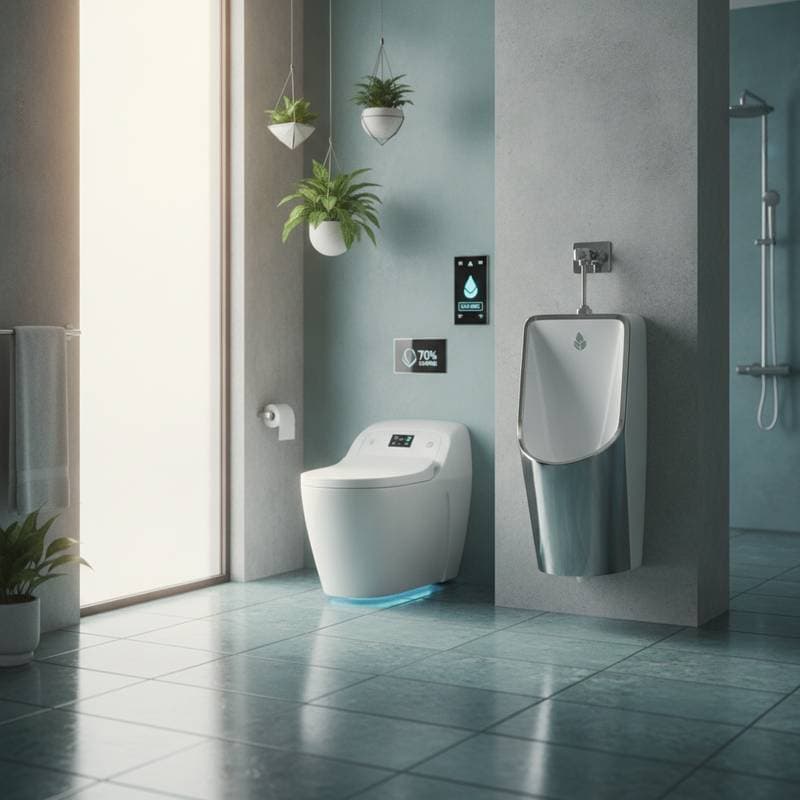
Wet rooms align with eco-friendly practices by using fewer components, such as omitting shower bases and doors. Pair them with low-flow fixtures and efficient drains to conserve water and energy. Improved ventilation in open layouts minimizes humidity buildup, supporting healthier indoor air quality.
Material selections like recycled-content tiles or low-VOC adhesives further reduce environmental impact. These features deliver long-term savings on utilities and maintenance.
Implementing Your Wet Room Vision
Transitioning to a wet room involves careful planning to match your lifestyle. Evaluate current plumbing for drain compatibility and consult local building codes for waterproofing standards. Source materials from reputable suppliers and prioritize installers familiar with seamless integration techniques.
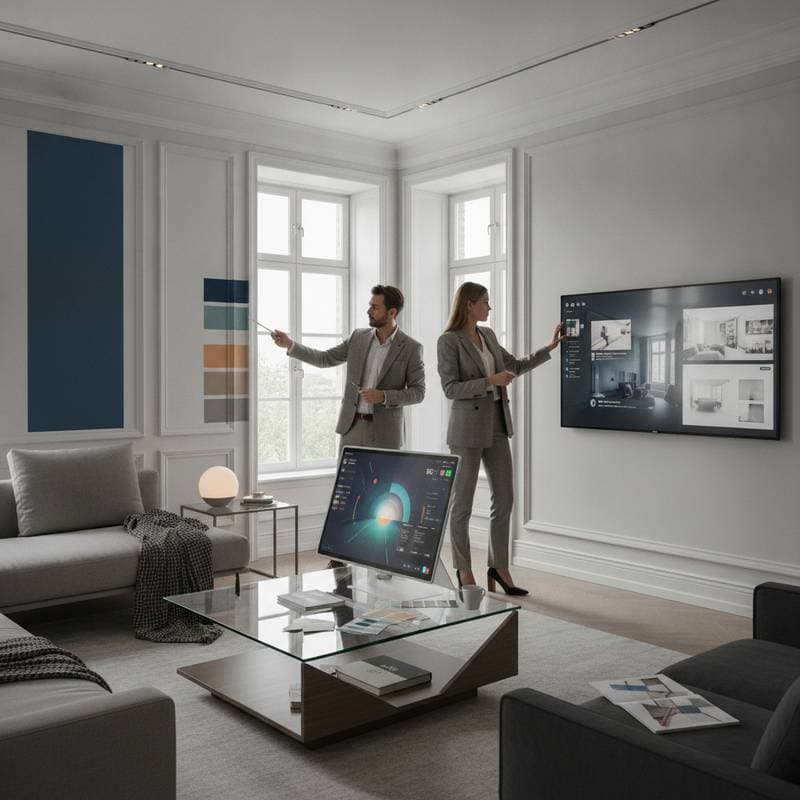
Visualize outcomes through design software or mood boards to blend personal style with practical needs. The result yields a bathroom that enhances daily routines, boosts property value, and withstands the demands of modern living.