Japandi Wet Rooms: A Fresh Approach to Bathroom Design in 2025
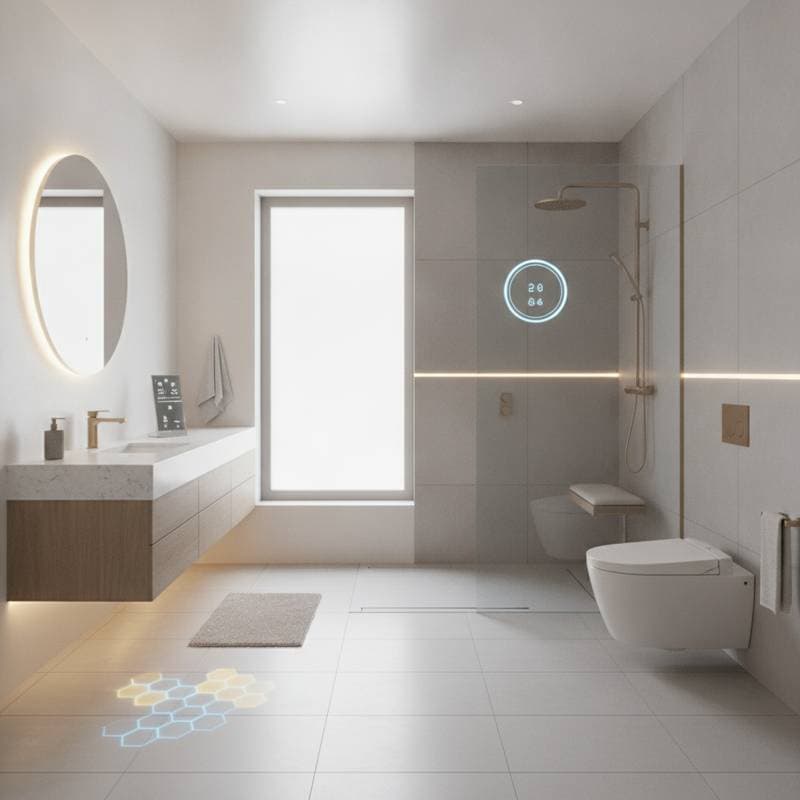
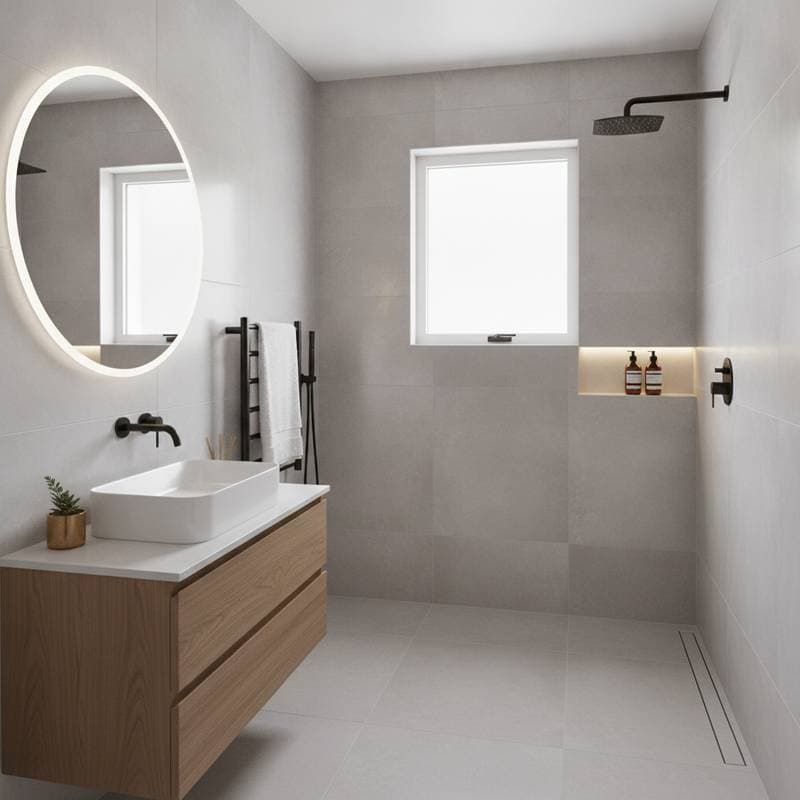
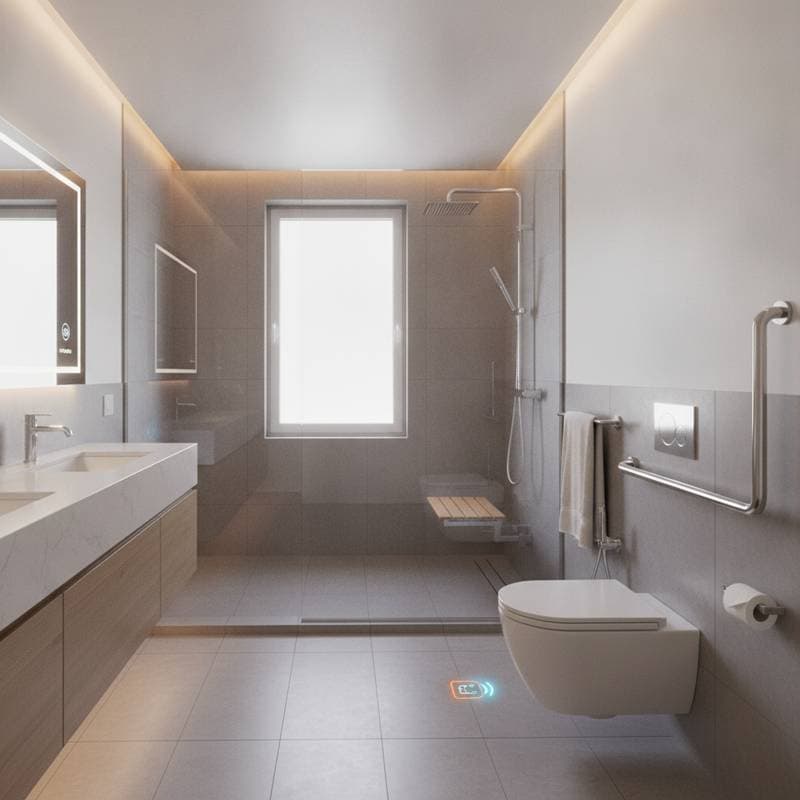
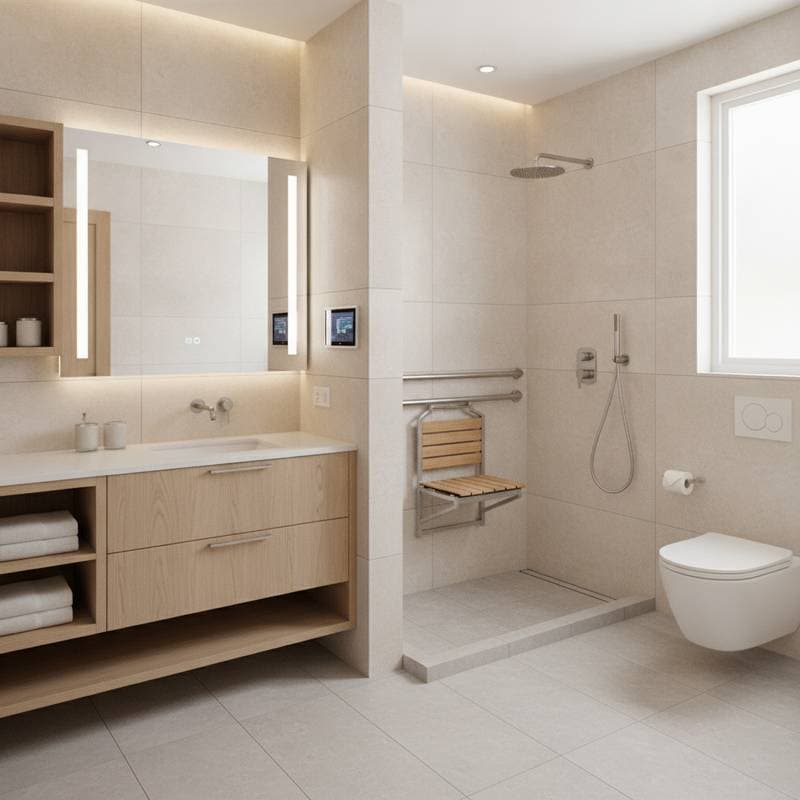
Imagine entering a bathroom bathed in natural light, where sleek lines harmonize with inviting textures, and tranquility permeates the atmosphere. The floor extends uninterrupted into the shower zone, free of curbs or enclosures, with every element thoughtfully placed. This vision captures the essence of a Japandi wet room, a design trend reshaping residential spaces this year.
Homeowners often face a choice between stark minimalism and enveloping comfort when renovating bathrooms. Japandi design resolves this dilemma by integrating Japanese restraint with Scandinavian hygge. In a wet room configuration, this approach yields a functional sanctuary that exudes understated elegance and everyday usability.
The Synergy of Japandi and Wet Room Principles
A wet room features comprehensive waterproofing throughout the bathroom, with the shower integrated at floor level. Water recedes via a subtle gradient to a hidden drain, fostering an expansive, unobstructed aesthetic. Japandi complements this setup through shared emphases on utility, continuity, and organic elements.
Several factors highlight their compatibility:
- Serene aesthetics: Neutral palettes such as warm taupes, deep charcoals, and gentle grays enhance the uncluttered expanse of a wet room.
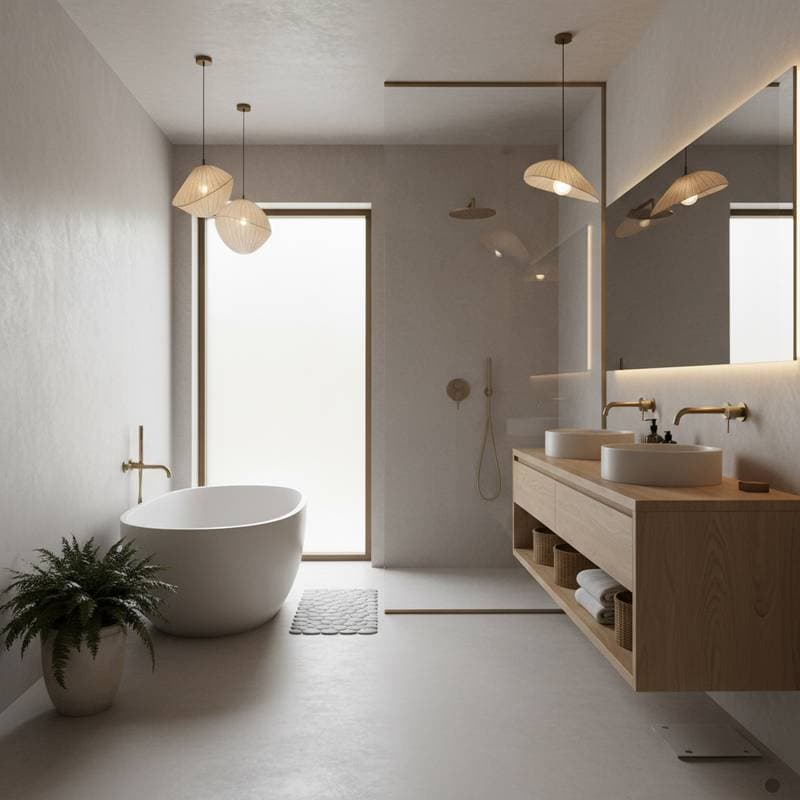
- Durable organics: Materials like slate tiles, rattan accents, and pale ash cabinetry withstand humidity when sealed appropriately, introducing subtle tactility.
- Streamlined utility: Minimal partitions and accessories simplify upkeep while amplifying perceived space.
- Restorative ambiance: Integrations of timber, rock, and diffused illumination cultivate a calming, rejuvenating haven.
Steps to Design Your Japandi Wet Room
Develop a detailed blueprint before any demolition. Prioritize robust waterproofing and efficient drainage to avert moisture issues or structural harm.
Follow these sequential steps:
- Evaluate the layout. Optimal wet rooms require a minimum of 6 by 8 feet, although compact adaptations succeed under expert guidance. Measure precisely and consider traffic flow.
- Source suitable surfaces. Opt for large-format porcelain tiles with textured, slip-resistant coatings for flooring. Incorporate limestone accents or limewash on walls to build subtle layers.
- Engineer the gradient and outflow. Engage certified professionals for this phase. Budget $1,000 to $2,500 for membrane application, linear drains, and slope formation.
- Incorporate sleek hardware. Select rimless toilets affixed to walls, suspended sinks, and integrated faucets to preserve visual purity.
- Infuse organic contrast. Employ waterproofed walnut benches, woven baskets, or brass hardware to temper the palette with warmth.
Consult structural engineers if modifications impact load-bearing areas. Ventilation systems, such as quiet exhaust fans, prove essential for humidity regulation.
Financial Considerations and Pricing
Transforming a modest to average bathroom into a Japandi wet room typically ranges from $10,000 to $25,000, influenced by material quality and structural demands.
Breakdown by scope:
- Basic refresh: Surface renewals and fixture swaps, assuming existing waterproofing, total $5,000 to $8,000. Focus on cosmetic enhancements like tile overlays.
- Standard renovation: Comprehensive sealing, fresh flooring, tempered glass partitions, and bespoke storage, averaging $15,000. Include mid-tier appliances for efficiency.
- Luxury execution: Exotic imports like marble surrounds, radiant floor systems, and recessed LEDs exceed $25,000. These elevate sensory experience through premium integrations.
Verify zoning regulations for plumbing relocations or electrical additions. Collaborate with architects versed in biophilic design to align form with waterproof integrity.
Upkeep and Enduring Advantages
Japandi wet rooms demand minimal effort for preservation. Oversized porcelain minimizes seams prone to grime, while barrier-free enclosures deter residue accumulation. Strategic airflow via windows or fans mitigates condensation, and yearly applications of protective coatings safeguard timber and masonry.
The rewards extend to lifestyle and equity. Such installations boost marketability by appealing to wellness-oriented buyers. The level-entry format enhances mobility, supporting universal design for diverse household needs over time.
Bringing Your Vision to Life
Establish a financial framework and identify specialists proficient in moisture management and sparse aesthetics. Compile reference images alongside fabric swatches to guide discussions. Address outflow mechanics, illumination schemes, and concealed storage from the outset, as these choices shape the cohesive outcome.
Japandi wet rooms embody equilibrium, serenity, and purpose. Through meticulous preparation and skilled execution, they transform routine routines into indulgent escapes.