The Future of Bathrooms: Universal Design for Aging in 2026
In bathroom remodel consultations, the focus often falls on immediate aesthetics such as finishes, tile patterns, and fixtures. Few clients consider how these elements influence safety, comfort, and independence over the next decade or two. Bathrooms rank among the most dangerous rooms in a home, with slippery surfaces, confined areas, and elevated thresholds contributing to frequent falls and injuries.
Universal design offers a practical solution. This approach creates spaces that accommodate users of all ages and abilities without appearing institutional. By integrating these principles from the outset, homeowners safeguard their investment, enhance everyday usability, and avoid the expense of later modifications. Professionals who have completed numerous bathroom projects confirm that upfront planning proves far more economical than reactive changes following an incident.
Why Universal Design Matters More Than Ever
The concept of aging in place has gained prominence as individuals remain in their residences for extended periods. Evolving needs eventually demand adjustments, and the bathroom typically requires attention first. Declining mobility can transform routine tasks into risky endeavors without intentional design.
Universal design extends beyond basic accessibility to emphasize safety, convenience, and flexibility. Such bathrooms serve children, adults, and seniors with equal effectiveness, featuring level entries, spacious doorways, and user-friendly fixtures. Homeowners who anticipate these requirements often save substantial sums on subsequent renovations. For instance, installing reinforcement for grab bars during initial construction incurs minimal additional expense, whereas retrofitting through existing walls disrupts completed surfaces and escalates costs.
The Hidden Costs of Waiting Too Long
Delays in implementing accessibility features frequently lead to urgent interventions after an injury occurs. These situations impose stress, accelerate timelines, and inflate expenses due to expedited services and makeshift adaptations.
Common financial burdens include:
- Emergency alterations that double the price of a deliberate remodel.
- Rushed installations of utilitarian fixtures that clash with the home's decor.
- Provisional aids like ramps or lifts that clutter the space and diminish marketability.
- Potential insurance issues stemming from recognized hazards.
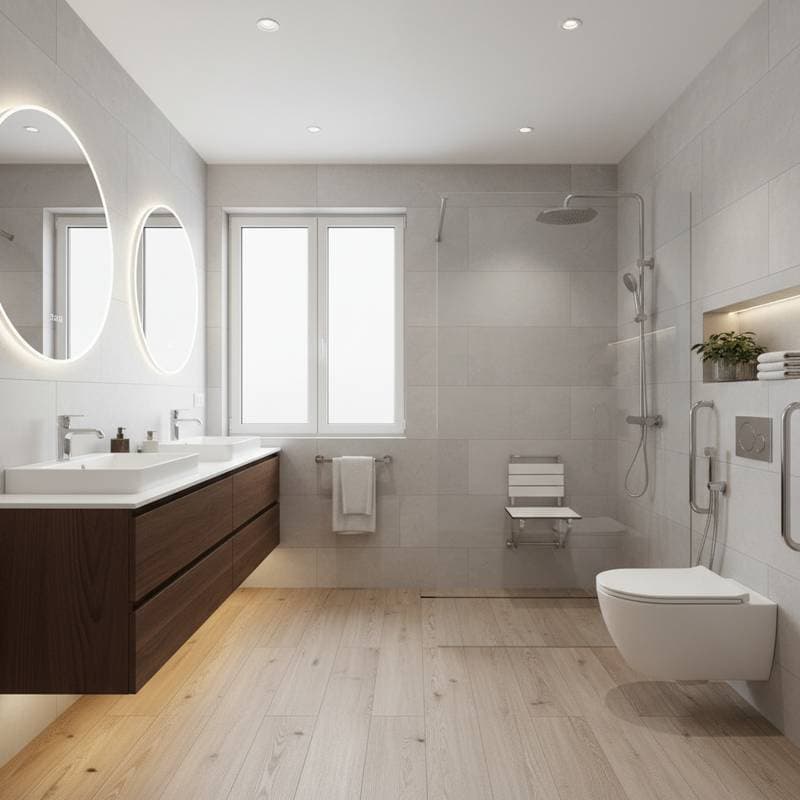
Proactive planning reframes these challenges as integrated design decisions. Contemporary universal design harmonizes practicality with visual appeal, ensuring the bathroom retains its elegance rather than adopting a clinical appearance.
Core Principles of Universal Bathroom Design
Universal bathroom design relies on foundational guidelines that shape spatial arrangements and selections. These elements foster environments that prioritize safety, versatility, and upkeep.
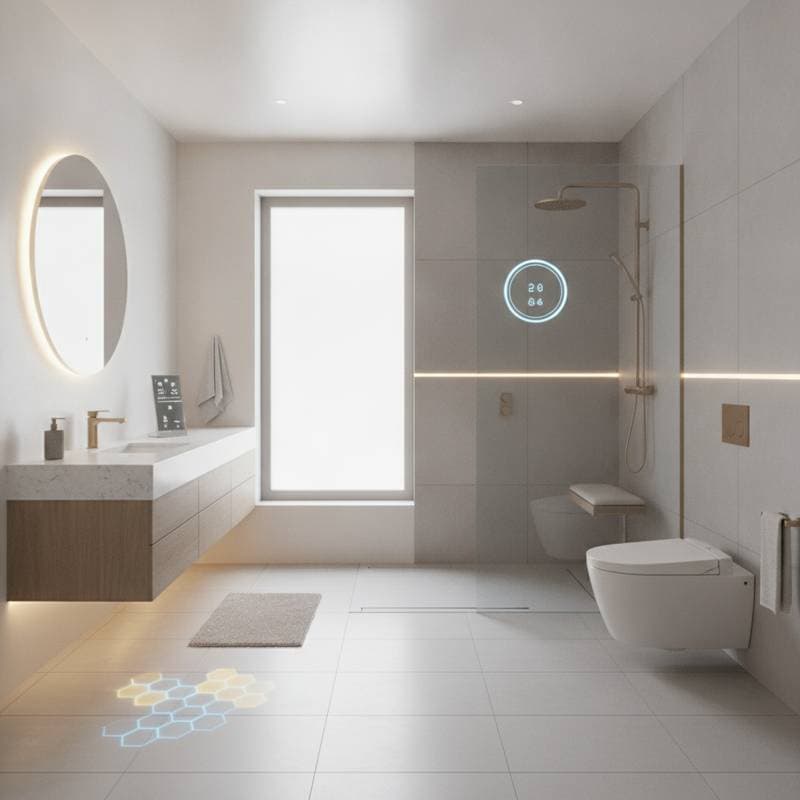
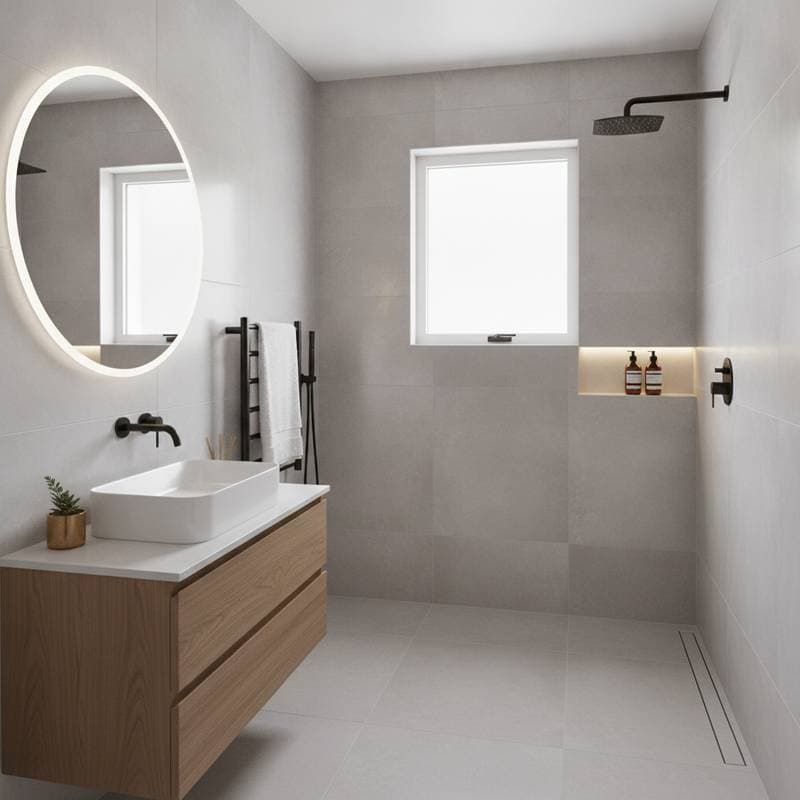
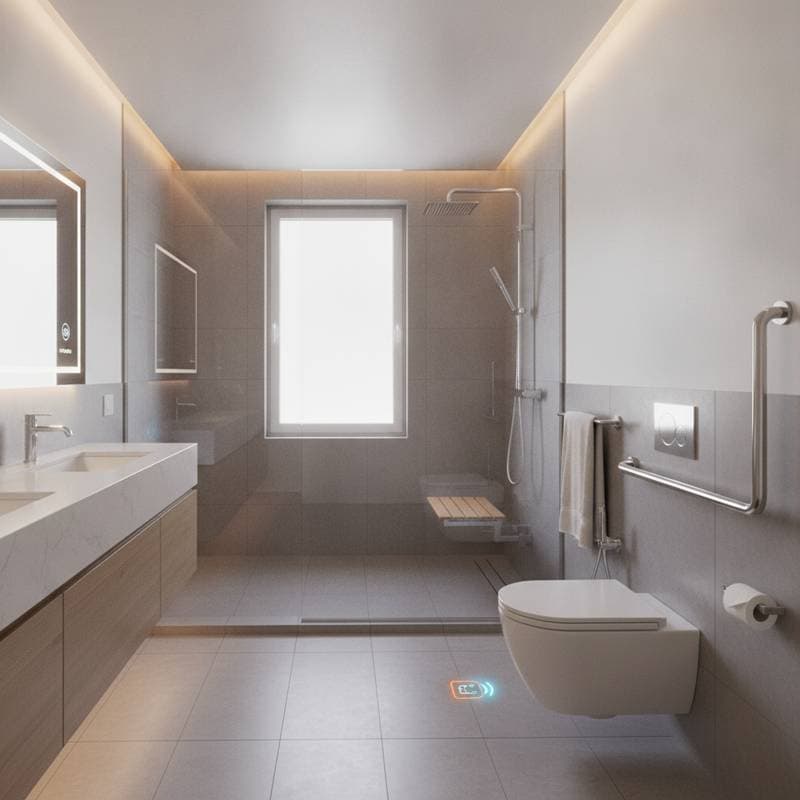
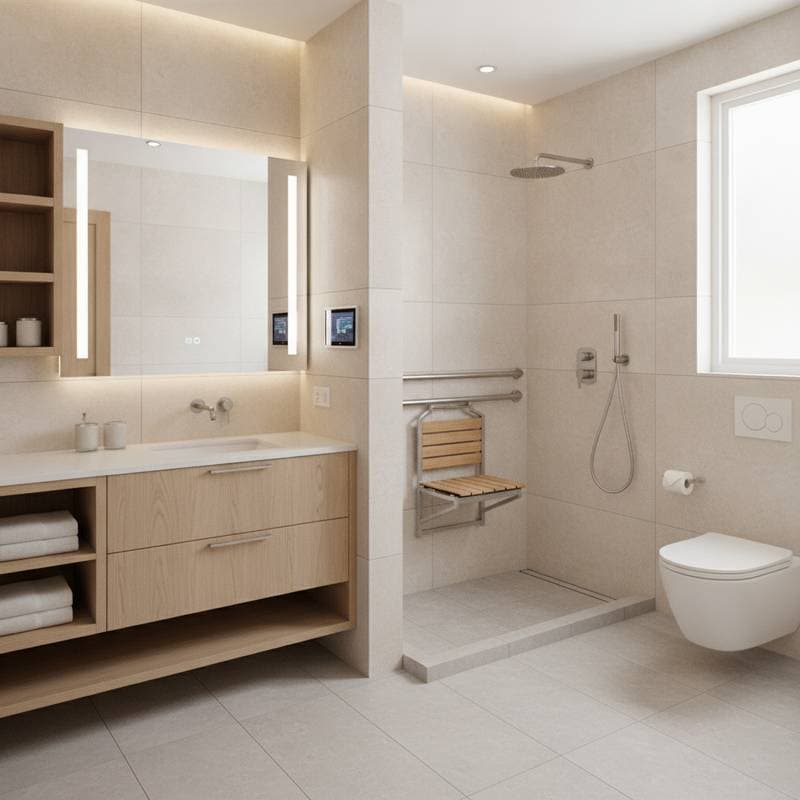
- Level entries: All access points, including showers, must avoid steps. Curbless designs provide a seamless, hazard-free transition.
- Spacious doorways: Opt for widths of at least 36 inches to facilitate passage for mobility aids.
- Generous maneuverability: Allocate sufficient floor area for easy navigation, accommodating potential devices.
- Lever mechanisms: Employ lever handles on doors and faucets for simpler operation with reduced hand strength.
- Slip-resistant surfaces: Choose flooring with superior traction, such as matte porcelain or textured vinyl.
- Layered illumination: Incorporate general, focused, and supplementary lighting, with motion-activated options to eliminate switch searches.
- Structural reinforcements: Embed blocking within walls to accommodate future grab bars without invasive work.
- Versatile components: Select adjustable showerheads, height-variable sinks, and modular storage to address varying requirements.
These attributes benefit the entire household. A curbless shower simplifies bathing infants or animals. Lever handles prove advantageous when carrying items. Enhanced lighting aids nighttime orientation for all occupants.
Modern Technology Enhancing Accessibility
Advancements in smart technology elevate bathroom functionality for long-term residency. Selective integration of devices enhances security and autonomy without overwhelming the design.
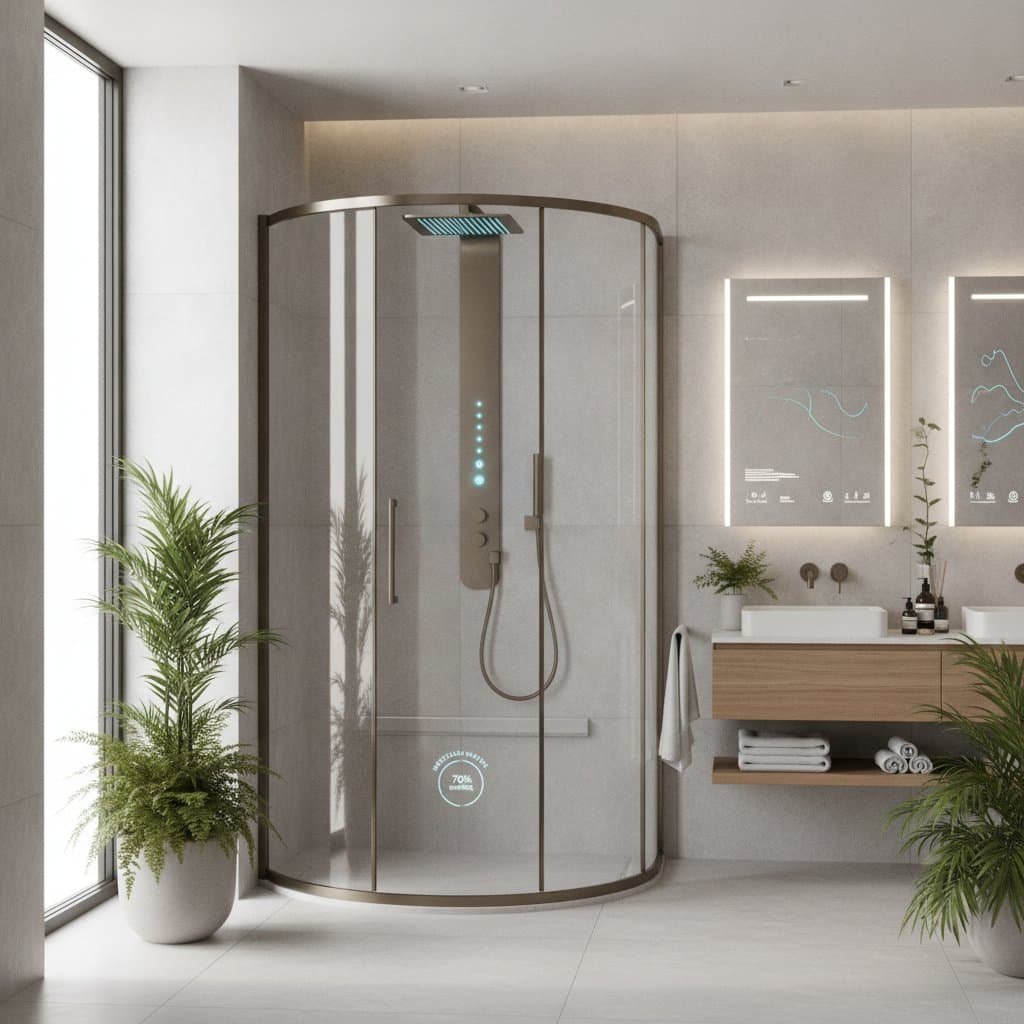
Automated faucets regulate water temperature to avert burns. Voice-activated systems control illumination levels hands-free. Radiant floor heating minimizes condensation and eases discomfort from arthritis. Intelligent mirrors offer integrated controls and zoom capabilities for those with visual impairments.
Leak detection sensors represent a critical addition. Positioned beneath sinks or adjacent to drains, these devices notify owners of potential issues, averting extensive water damage and associated repair fees.
Common Mistakes to Avoid
A prevalent assumption equates universal design with obtrusive aids and bland materials, deterring early adoption. In reality, skilled execution yields luxurious results that align with high-end standards.
Frequent errors encompass:
- Postponing grab bar installations until after finishes are complete, complicating and inflating the process.
- Selecting glossy surfaces that compromise safety in moist conditions.
- Depending solely on central overhead lights, which create shadowed areas and heighten accident risks.
- Neglecting accessible positioning for storage, reflections, and accessories to suit seated individuals.
- Overlooking precise grading in shower areas, which permits water accumulation and fosters mildew.
Effective universal bathrooms unite form and purpose. Homeowners achieve serene, resort-inspired retreats that fulfill accessibility criteria while preserving sophistication.
Planning the Remodel: Steps for Homeowners
To initiate a project, follow a structured sequence that maintains efficiency and minimizes revisions.
- Evaluate the existing layout. Note barriers such as restricted doorways, raised sills, or inadequate brightness. Record dimensions for pathways and elevations.
- Define objectives. Determine if the focus lies on current needs or prospective adaptations, influencing configuration and funding.
- Engage qualified professionals. Select contractors versed in universal standards, reviewing portfolios with examples like barrier-free entries or compliant installations.
- Collaborate with specialists. Partner with designers who balance visual and practical elements for cohesive outcomes.
- Address foundational systems promptly. Incorporate reinforcements, piping routes, and wiring provisions for anticipated enhancements.
- Curate durable selections. Prioritize traction-enhanced floors, hygienic materials, and robust hardware.
- Emphasize illumination and air circulation. Effective ventilation curbs fungal growth, while multifaceted lighting bolsters security and ease.
- Maintain comprehensive records. Archive approvals, specifications, and guarantees to support ongoing care and value preservation.
Balancing Cost and Value
Initial outlays for universal design may elevate remodel budgets, yet they enhance enduring worth. Accessible features broaden buyer interest and curtail modification demands.
Typical financial considerations reveal:
- Basic enhancements, including expanded openings and ergonomic handles, contribute about five percent to overall expenses.
- Comprehensive implementations range from ten to fifteen percent additional.
- Post-impairment adjustments often exceed planned costs by fifty percent.
These expenditures yield returns via improved protection, lower upkeep, and elevated market positioning. Industry experts note that such homes distinguish themselves in sales.
Building Trust and Communication
Effective projects hinge on transparent dialogue. Clients express aesthetic preferences, while specialists address structural aspects. Optimal outcomes emerge from continuous exchanges.
Initial discussions explore usage patterns. Questions cover shared access, present limitations, or foreseen changes, informing placements and selections. This dialogue averts discrepancies and aligns performance with expectations.
Formal contracts detail every element, from support positions to drainage inclines. Such documentation fosters reliability and resolution.
The Next Generation of Universal Design
Emerging trends in universal bathroom design integrate customization with resilience. Adjustable components permit modifications in elevation, brightness, and flow via intuitive interfaces. Interchangeable cabinetry supplants rigid setups, simplifying alterations.
Innovative products include multifunctional bars serving as holders, retractable seats blending with surrounds, and integrated cleansing options. These advancements demonstrate that inclusivity enhances rather than detracts from refinement.
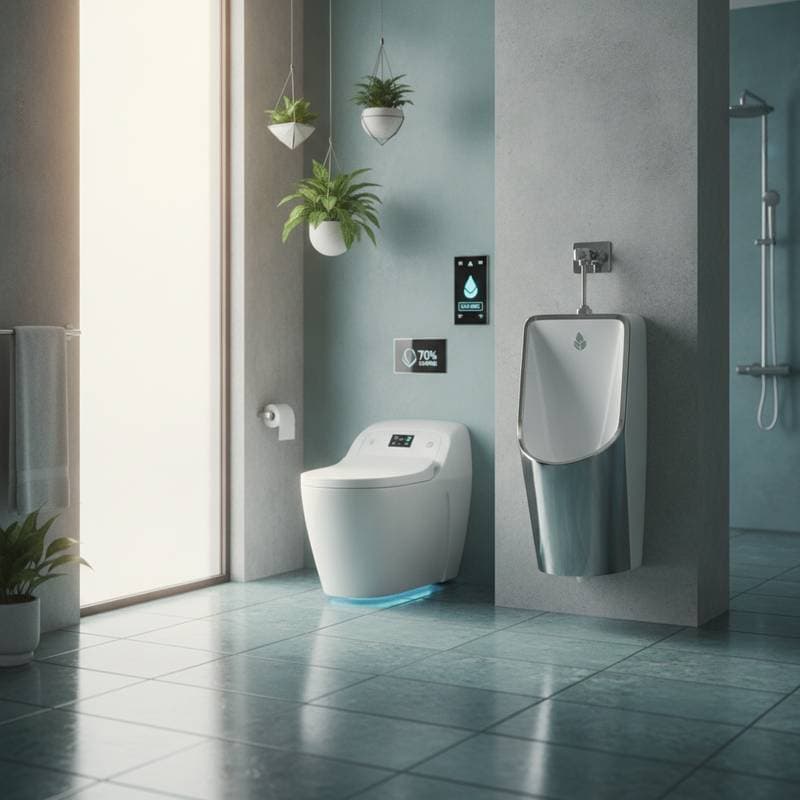
Eco-conscious elements now factor in, with conserving fixtures, efficient LEDs, and resilient coatings. A forward-thinking bathroom supports diverse users while optimizing resource use over time.
Maintaining Your Investment
Universal bathrooms demand routine attention to sustain performance. Seal joints periodically, verify seals around level showers, and verify controls. Refresh traction aids and examine supports for stability annually.
For those committed to lifelong home occupancy, this upgrade secures autonomy, curtails expenses, and elevates routine satisfaction. Such spaces embody enduring assurance woven into every structural choice.