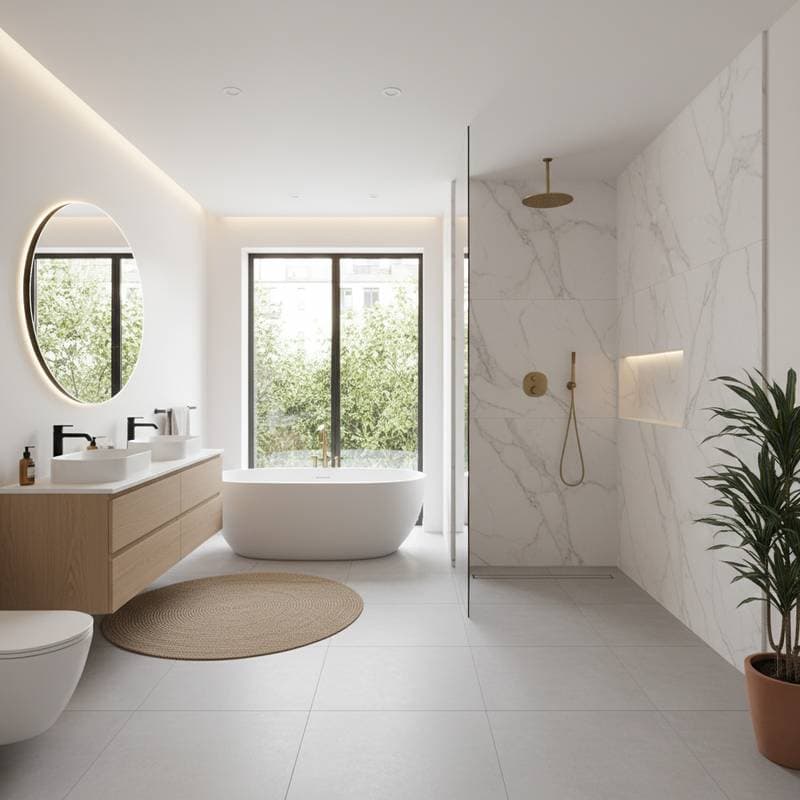
Why Doorless Showers Revolutionize Compact Bathrooms in 2026
Bathrooms evolve from basic utilities into personal retreats focused on wellness and style. Doorless showers lead this shift by reimagining bathing experiences. Previously limited to upscale spas, these designs now suit homes, blending beauty with practicality to enlarge perceived space and connect wet and dry areas smoothly.
Fluidity and Freedom of Space
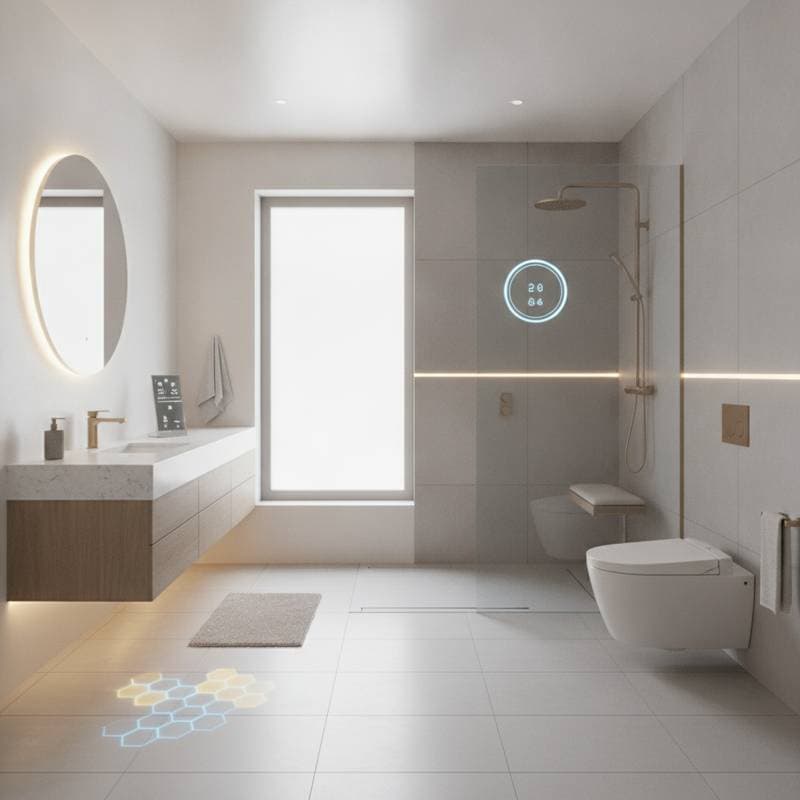
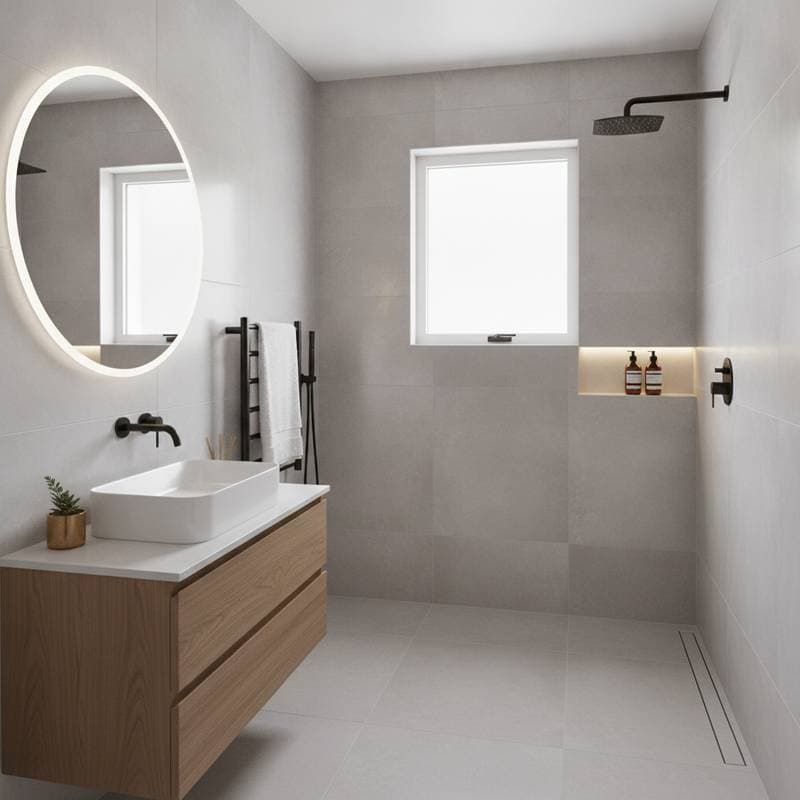
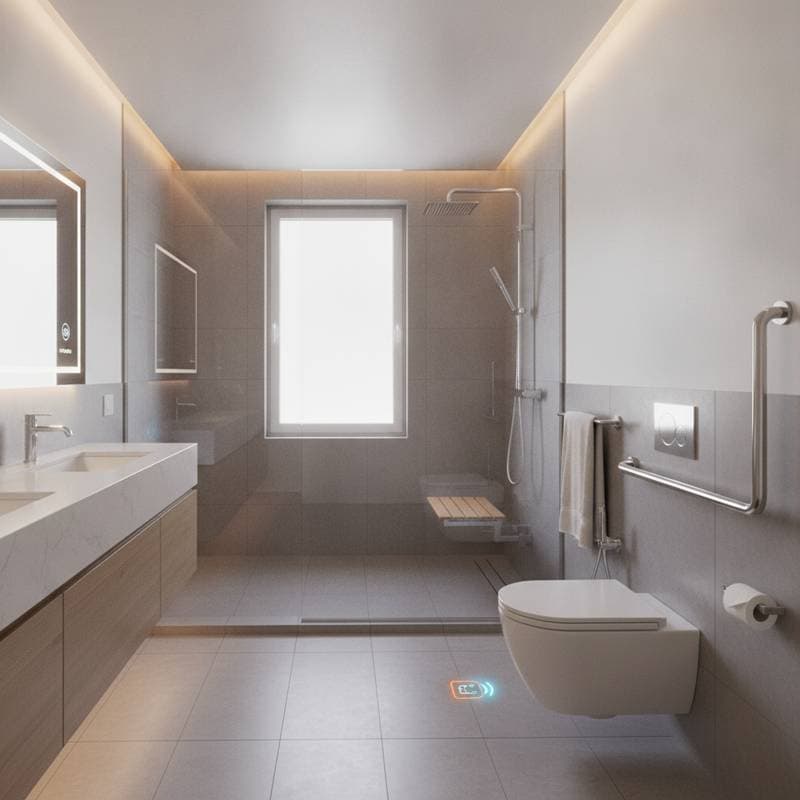
Doorless showers open up the room by eliminating barriers, making spaces feel expansive and airy. In small bathrooms, traditional doors or glass panels block sightlines and restrict movement. An open layout fosters a continuous flow that draws in light and simplifies navigation.
Architect David Larkin of Larkin Studio Design calls this a choreography of openness that reshapes bathroom interactions. Natural light extends into the shower zone, and uniform surfacing like large porcelain slabs or microcement amplifies the sense of size. Select matte finishes, such as Caesarstone Cloudburst Concrete, to soften textures and minimize lighting glare for a cohesive, inviting atmosphere.
Elevated Material Integration
Without doors, materials take center stage, turning waterproofing into a design element. Install hidden membranes under tiles and linear drains from Infinity Drain to direct water flow precisely and prevent accumulation. Slope the floor subtly toward the drain for efficient drainage.
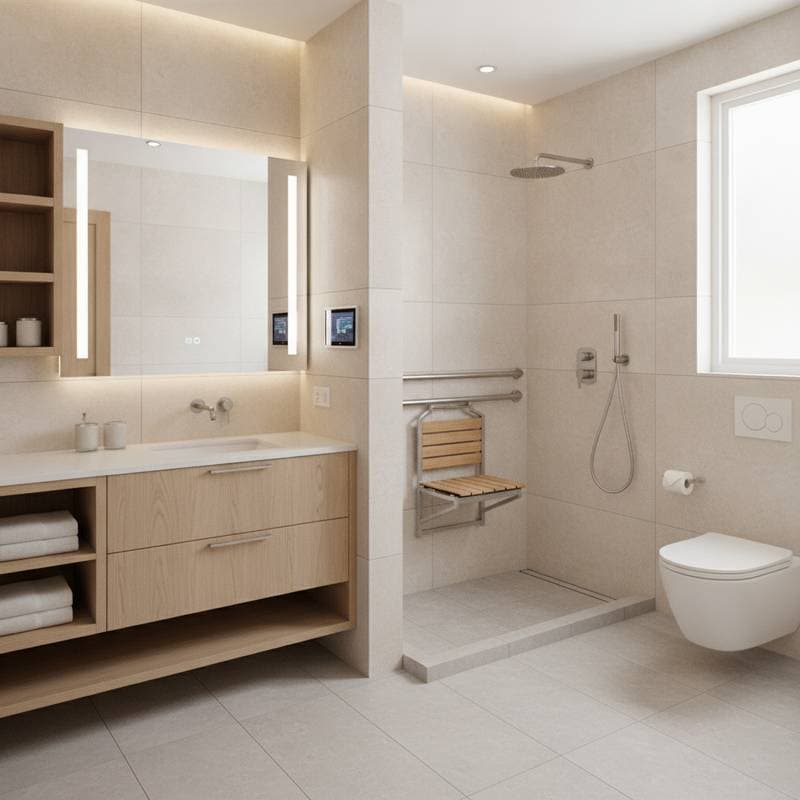
Pair stone elements with wood like European white oak in dry zones for warmth against cool tones. Shift textures rather than elevations to mark transitions, providing gentle foot cues. Choose grounded colors: warm grays or earthy minerals. Complement with paints like Farrow & Ball Ammonite and fixtures in brushed brass from Waterworks to unify the palette without visual clutter.
Universal Accessibility and Comfort
The step-in design of doorless showers supports everyone, regardless of age or mobility. Low or no thresholds ease entry and promote long-term usability. Homeowners gain a space that prioritizes independence alongside aesthetics.
Architect Kara Jensen of Studio Jensen Interiors observes that barrier-free designs ease physical navigation and foster emotional calm. Open formats simplify maintenance by avoiding tracks that harbor mold. Add heated floors and integrated benches from matching tiles for safety and rest, plus recessed lighting to create a soothing glow.
Light as the New Luxury
Light interacts freely in doorless setups, enhancing textures without glass distortions. Natural illumination highlights honed marble or plaster, while layered artificial sources build depth. Position LED strips under vanities and uplights behind mirrors for even, flattering illumination.
Adjust light temperatures: cooler tones for morning energy, warmer for evening unwind. Incorporate clerestory windows or skylights to bring daylight into the shower while preserving privacy. Materials like light gray terrazzo reflect softly, turning routines into immersive moments.
The Aesthetic of Simplicity
Doorless showers capture minimalist elegance that endures across trends. Focus shifts to clean forms and quality materials without hardware distractions. Use linear drains and hidden mixers to preserve clarity.
This style aligns with Japandi or Scandinavian influences, emphasizing craft in muted tones and natural elements. Install a Calacatta Viola marble slab as a statement wall for artistic veining, or hand-cut limestone mosaics for rhythmic patterns. The open design lets these features shine uninterrupted, blending architecture with artistry.
Acoustics and Atmosphere
Open structures integrate water sounds into the room's ambiance, promoting relaxation when managed well. Apply acoustic plaster on ceilings or wood slat panels to dampen echoes. Pair with underfloor heating and quiet ventilation for balanced comfort.
Large tiles or stone amplify natural water flow, echoing biophilic connections to the outdoors. This setup invigorates yet soothes, enhancing the sensory bath.
Sustainability and Water Efficiency
Doorless designs promote efficiency through smart fixtures that balance flow and conservation. Thermostatic valves hold steady temperatures to cut waste. Select durable porcelain stoneware or recycled glass tiles for lasting performance.
Incorporate low-VOC sealants and certified eco-finishes to minimize impact. These choices support adaptable, responsible luxury that endures.
Customization and Craft
Tailor doorless showers to individual needs via precise fabrication. Align slopes, tile patterns, and fixtures to habits and proportions. Artisans refine digital plans into reality, from tile setting to metalwork.
Opt for custom touches like Moroccan tadelakt on curved walls or nickel-trimmed niches. Such details elevate the space with personal craftsmanship.
Psychological Clarity and Ritual
Entering an open shower invites rather than confines, encouraging mindful presence. The layout allows free movement and deeper breaths, shifting routines toward reflection.
Design psychologist Erin Voss of DesignMind Studio states that spatial openness influences emotional openness, with unrestricted environments calming the mind. These showers ground spa-like homes in balance and serenity.
Embracing Everyday Elegance
Doorless showers deliver practical luxury for compact spaces, merging accessibility with refined beauty. They invite light, flow, and durability into daily life. Homeowners discover renewed comfort and timeless appeal in these thoughtful designs.