Wet Rooms: The Open Shower Trend Shaping 2026 Bathrooms
Homeowners increasingly rethink bathroom layouts to prioritize function alongside style. Wet rooms exemplify this evolution by eliminating barriers between the shower and surrounding space, resulting in a seamless, expansive design. This approach simplifies cleaning, enhances accessibility, and boosts property resale value when executed with precision. However, inadequate implementation invites leaks, mold proliferation, and substantial repair costs.
From my perspective as a contractor experienced in constructing and renovating numerous wet rooms, this design demands rigorous technical planning. It functions as an integrated system requiring meticulous attention to waterproofing, drainage, ventilation, and spatial coordination. Those who approach it as a mere aesthetic upgrade frequently encounter unforeseen expenses.
Why Wet Rooms Are Gaining Ground
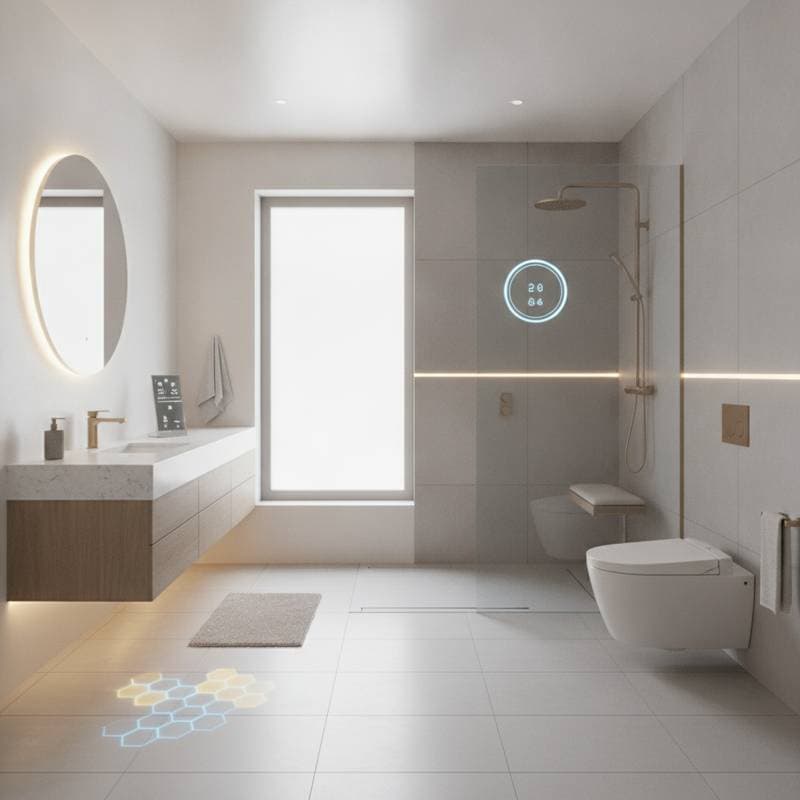
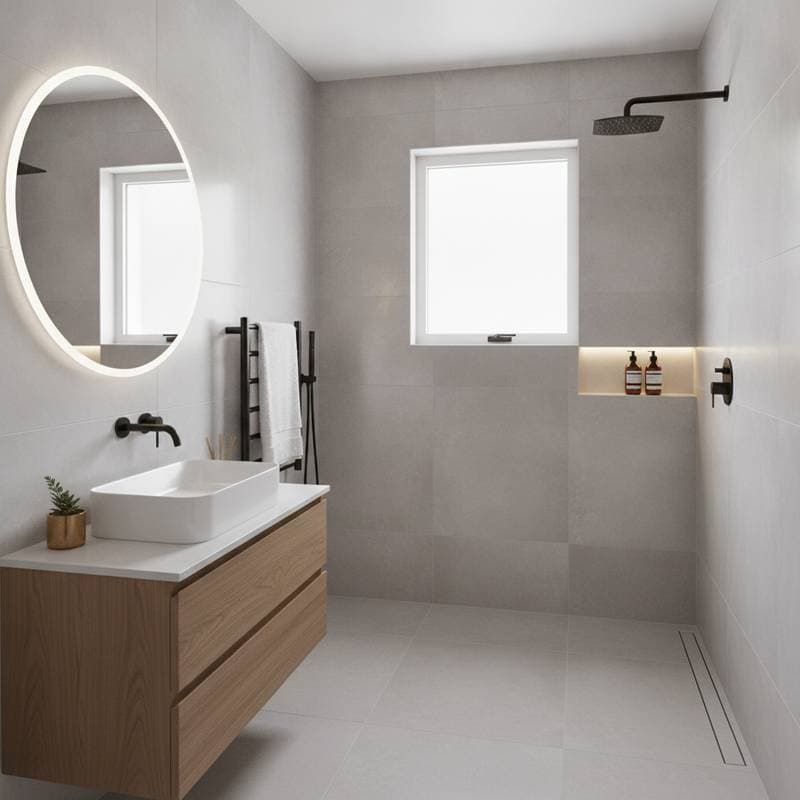
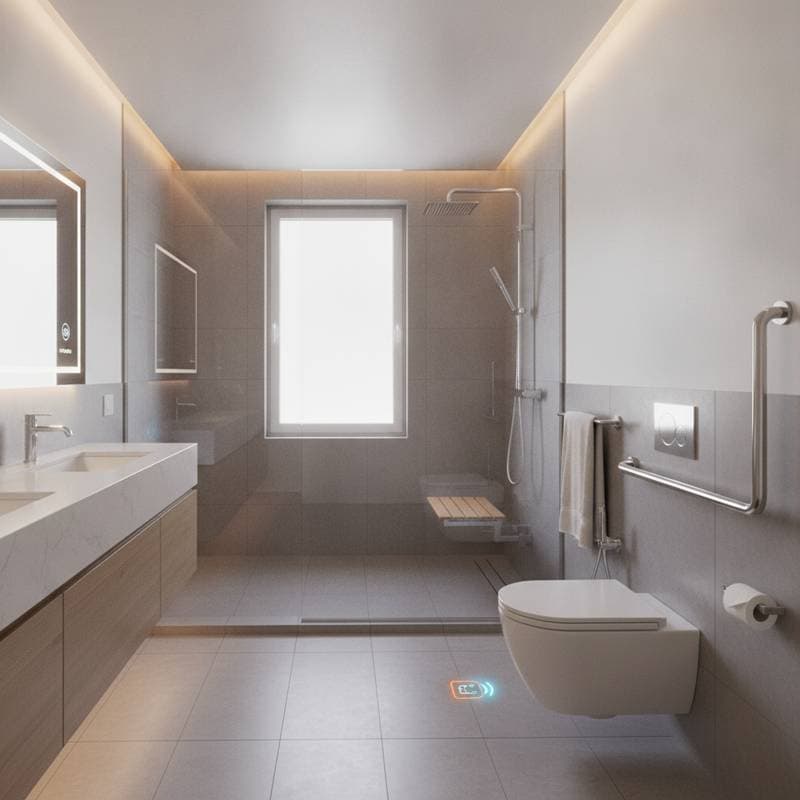
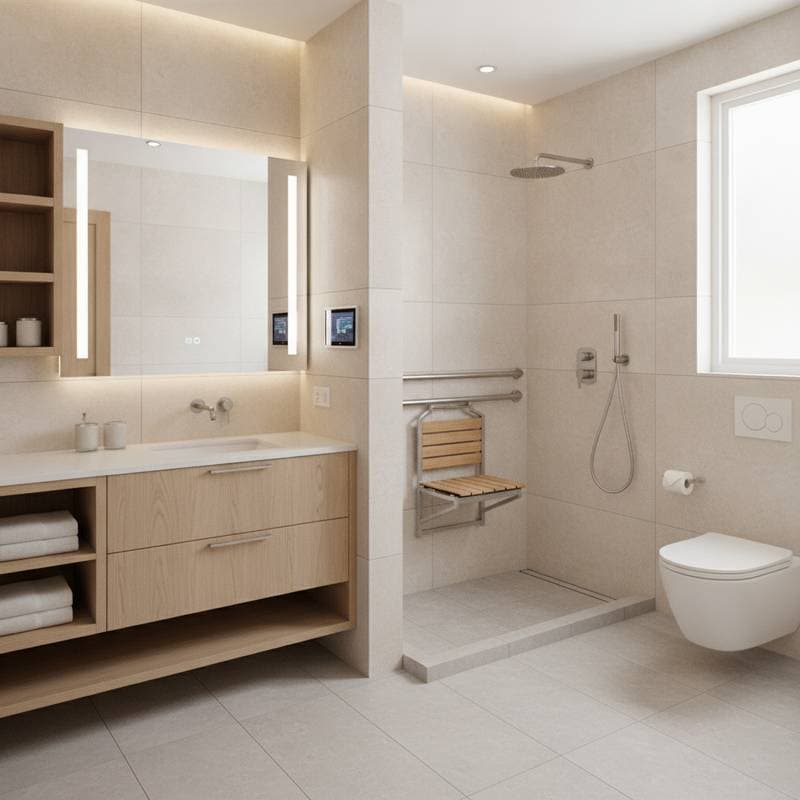
The popularity of wet rooms stems from their practical benefits beyond visual appeal. They facilitate easier maintenance and promote inclusivity through doorless showers that remove thresholds and reduce fall risks, fostering a serene, spa-inspired atmosphere. This openness visually enlarges compact bathrooms, accelerating the trend's adoption.
Minimalism further drives this shift, as individuals seek uncluttered environments with clean lines. Wet rooms dispense with shower enclosures, doors, and curtains that harbor dirt. Selecting durable materials ensures the entire space serves both utility and elegance simultaneously.
What Can Go Wrong Without Proper Planning
Professionals often remedy wet rooms mishandled as conventional showers. Key pitfalls include the following:
-
Poor Waterproofing
Tile and grout alone fail to repel water effectively. Moisture penetrates micro-cracks, infiltrating subfloors and structural elements, which eventually leads to rot, mildew, and compromised integrity. -
Improper Drainage Slope
Floors require a subtle incline toward the drain for efficient water runoff. An insufficient pitch causes pooling, while excessive steepness compromises comfort. Accurate subfloor adjustments precede tiling to establish this gradient precisely. -
Inadequate Ventilation
Open designs amplify steam and humidity compared to enclosed units. Insufficient airflow allows condensation to persist, promoting mold and finish degradation on surfaces. -
Material Mismatch
Absorbent options such as unsealed limestone or marble retain moisture and discolor readily. Incompatible selections accelerate wear on floors and walls. -
Lack of Containment Strategy
Splashes may extend beyond the shower zone despite optimal sloping. Absent subtle barriers like glass panels, adjacent areas such as storage or entryways become vulnerable to water exposure.
Addressing these concerns begins with prioritizing engineering over ornamentation in the initial blueprint.
How to Build a Reliable Wet Room
Converting a standard bathroom into a wet room entails comprehensive reconstruction, including floor reinforcement, waterproofing application, and drainage reconfiguration. Experts follow these structured steps:
-
Evaluate the Existing Structure
Inspect the subfloor composition first. Concrete bases offer inherent moisture resistance, whereas wooden frameworks necessitate bolstering and comprehensive sealing. Verify joist stability, plumbing integrity, and drain accessibility prior to proceeding. -
Design the Drainage Layout
Position drains strategically; central units suit symmetrical spaces, while linear variants along walls streamline sloping and enhance aesthetics. The drain's placement determines the pitch direction, ensuring all surfaces channel water effectively. -
Install a Continuous Waterproofing System
Apply liquid or sheet membranes beneath tiles, extending coverage up walls by at least six inches past the shower boundary. Reinforce seams, corners, and transitions with tape or seals to form an impermeable enclosure across all exposed areas. -
Select Appropriate Materials
Opt for non-porous porcelain tiles or treated natural stone on floors, with sealed, narrow grout joints. Employ large-format wall tiles to minimize seams, and back wet zones with cement board rather than standard drywall. -
Plan for Ventilation and Heating
Integrate a robust exhaust fan rated for high humidity to expel vapors swiftly. Consider radiant floor heating to accelerate drying and mitigate dampness, enhancing overall user comfort. -
Incorporate Subtle Water Barriers
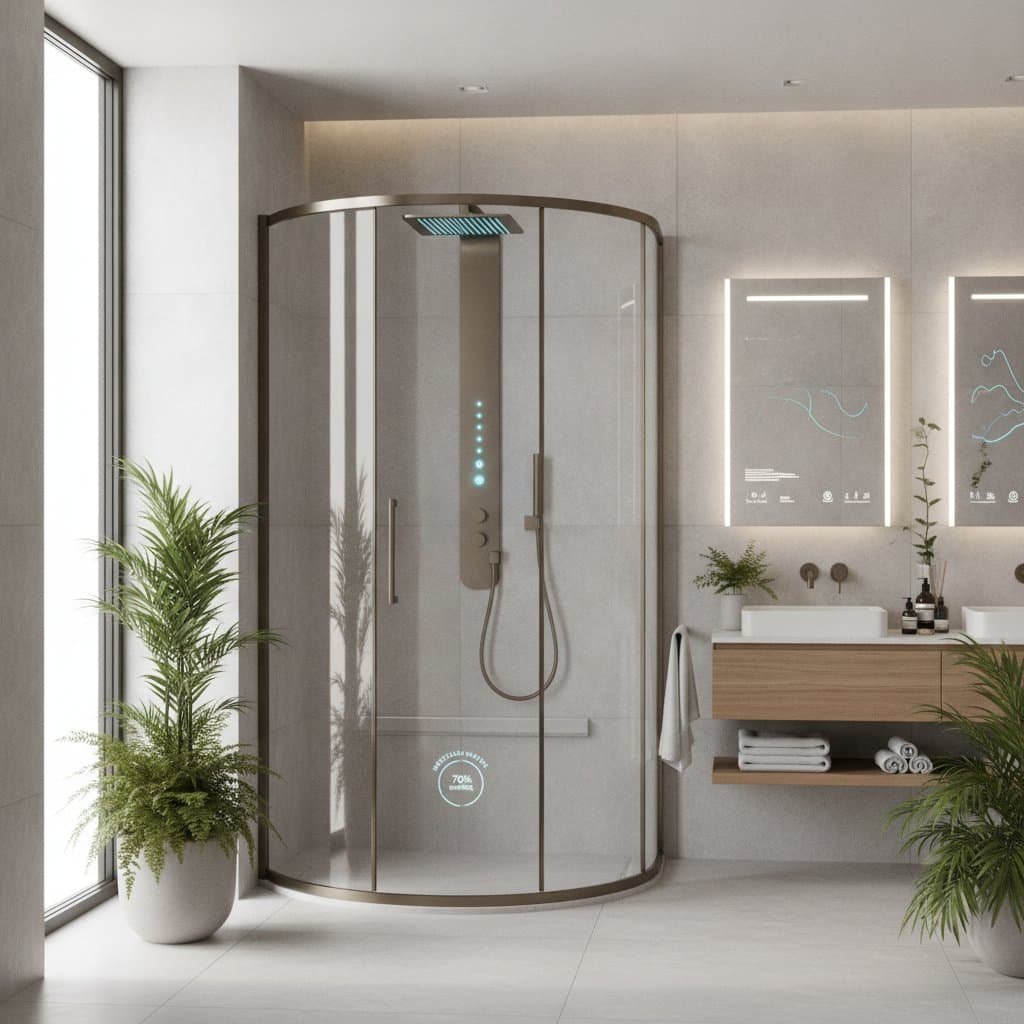
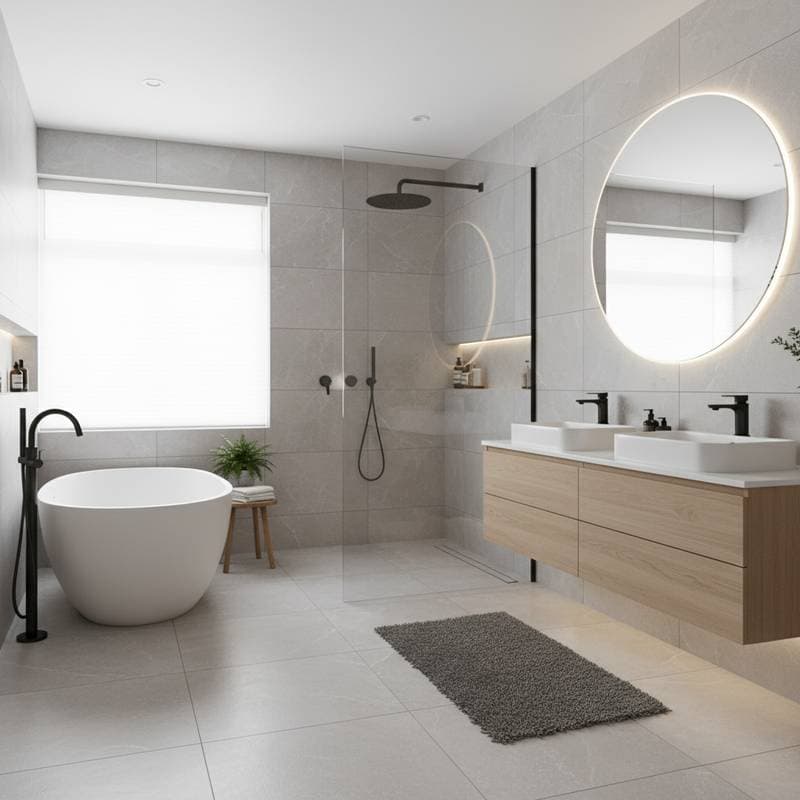
Preserve the barrier-free ethos with low-profile glass screens or minimal curbs that confine water without obstructing views or flow.
The Financial and Legal Side
Properly constructed wet rooms elevate home equity, yet substandard work may invalidate insurance policies. Verify contractor credentials, including licensing for waterproofing and relevant insurance. Many membrane warranties mandate certified applicators; non-compliance risks significant future outlays.
Plumbing and structural modifications typically require permits. Reputable contractors manage applications and inspections to avert delays in property transactions or regulatory issues.
Initial costs exceed those of enclosed showers due to specialized materials, precise sloping, and expert labor. This investment yields long-term savings via enhanced durability and minimal upkeep.
Design Choices That Make a Difference
Technical foundations support aesthetic refinements that optimize usability and allure. Effective tactics encompass:
- Extending uniform flooring throughout to amplify perceived space and continuity.
- Introducing gradual color or texture shifts to subtly direct attention toward drainage without disrupting harmony.
- Integrating recessed niches for storage to maintain a streamlined appearance free of protruding organizers.
- Mounting fixtures on walls to preserve floor accessibility and simplify cleaning.
- Employing vapor-tight lighting, such as recessed LEDs, alongside daylight sources for balanced illumination.
These elements sustain functionality while amplifying the airy ambiance.
Communication and Contractor Collaboration
Project success hinges on thorough dialogue between clients and builders from inception. Discuss drain positioning, material specifications, waterproofing techniques, and enclosure options upfront to align expectations.
In my practice, optimal outcomes arise when objectives center on enduring elegance. Request detailed proposals covering materials, procedures, and guarantees. Builders should furnish technical specifications and adherence to manufacturer protocols, fostering mutual accountability.
Maintenance and Long-Term Care
Durable wet rooms demand routine attention to sustain performance. Clean surfaces with pH-neutral solutions to preserve grout and seals. Reapply sealants to natural stone every two to three years to resist stains, and inspect caulk lines regularly for breaches.
Maintain ventilation by clearing ducts and verifying fan efficacy seasonally. Effective air movement complements waterproofing to counteract persistent moisture.
Why Quality Matters More Than Square Footage
Compact layouts can accommodate wet rooms with thoughtful engineering, though ventilation and waterproofing must remain uncompromised. Prioritize superior construction over expansive scale; a modest, flawlessly executed space surpasses an oversized, deficient one.
Discern expertise by inquiring about membrane applications, gradient computations, and moisture barriers. Focus solely on surface selections signals potential oversights.
Steps to Launch Your Wet Room Project
This design philosophy underscores accessible, resilient interiors that endure. Executed with foresight, it transforms bathrooms into inviting, efficient sanctuaries.
Commence with detailed schematics, engage specialists versed in open-layout waterproofing, and commit to robust, wet-rated components. Demand transparency through documentation and ongoing updates to safeguard your vision and assets.
Ultimately, a meticulously crafted wet room elevates daily routines with enhanced safety, tranquility, and lasting protection against concealed deterioration.