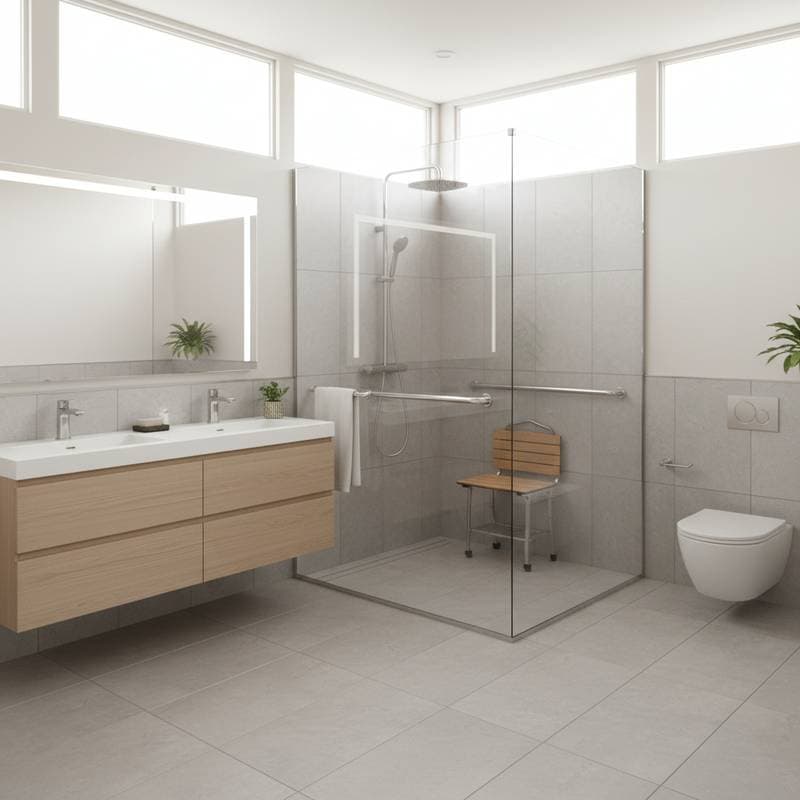
Aging-in-Place: The Universal Bathroom Revolution
Homeowners often overlook the impact of bathroom design on long-term comfort and safety. Professionals encounter this oversight frequently, as individuals prioritize aesthetics over functionality during renovations. This results in spaces that pose risks as users age. The aging-in-place movement addresses these issues through universal design principles, which integrate accessibility from the outset. Such approaches safeguard independence and preserve property value.
Why Traditional Bathrooms Fail Over Time
Bathrooms designed for young, mobile individuals quickly turn hazardous. Standard bathtubs, for instance, require high steps that become barriers for those with reduced mobility. Slippery surfaces, confined doorways, and inadequate illumination compound these dangers. Many ignore these elements until an incident occurs, leading to medical expenses, extended recovery periods, and disruptive modifications that proactive planning could prevent.
Homeowners sometimes believe that installing grab bars or non-slip mats suffices. These measures fall short without comprehensive integration. Universal bathrooms embed accessibility, utility, and visual appeal during initial construction, avoiding the inefficiencies of later additions.
Core Principles of Universal Bathroom Design
Universal bathroom design enables safe, comfortable use by individuals of all ages and abilities. Based on extensive remodeling experience, the following components deliver the most significant improvements:
-
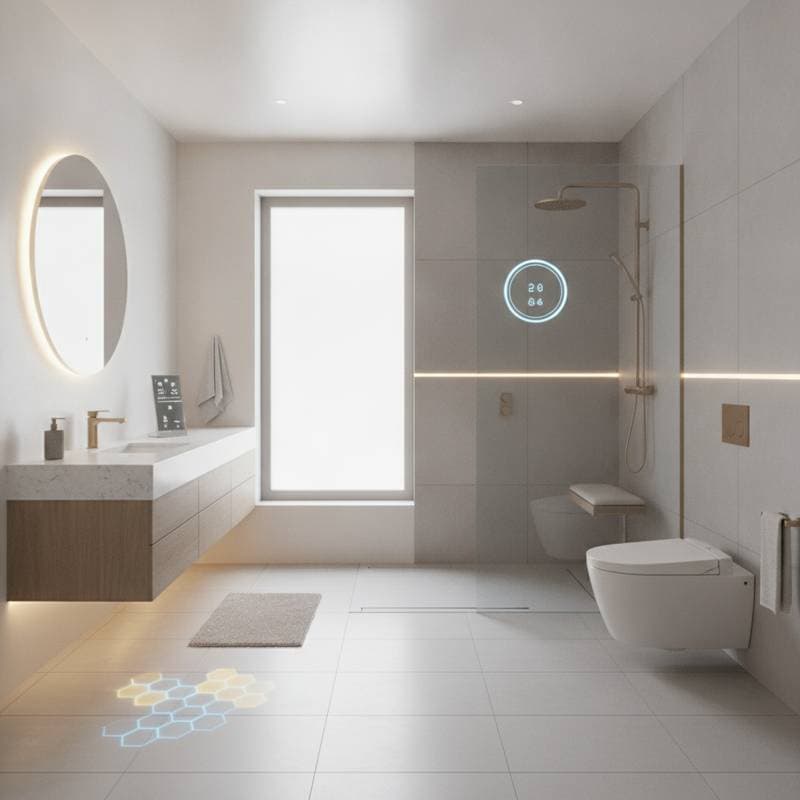
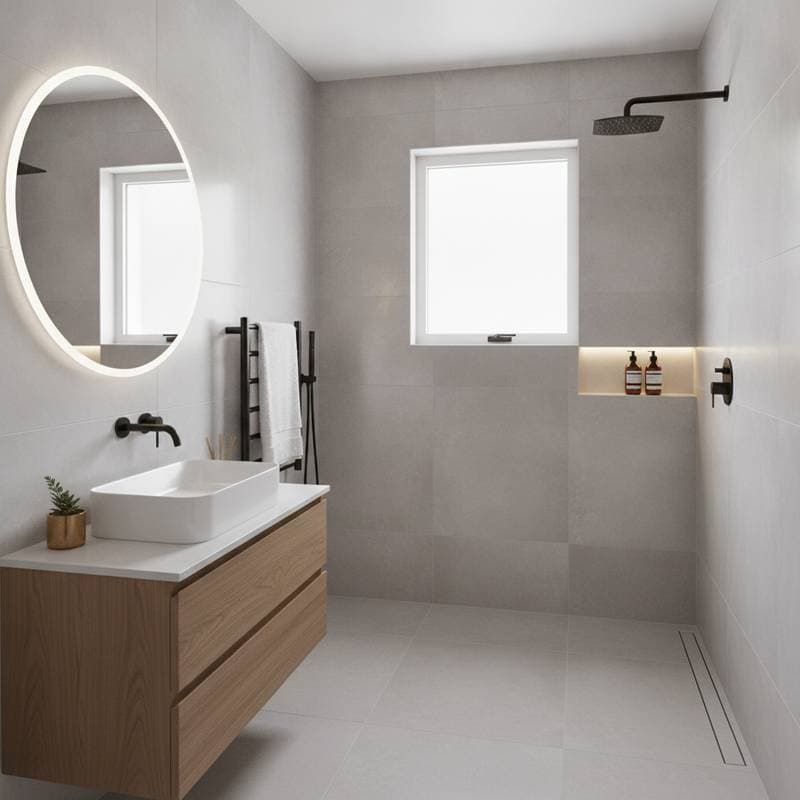
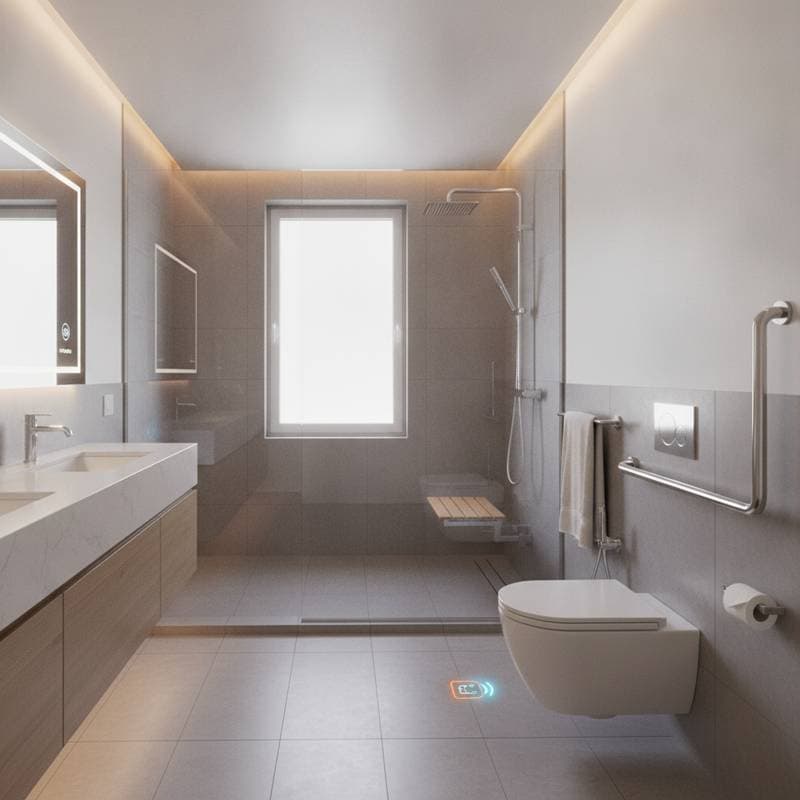
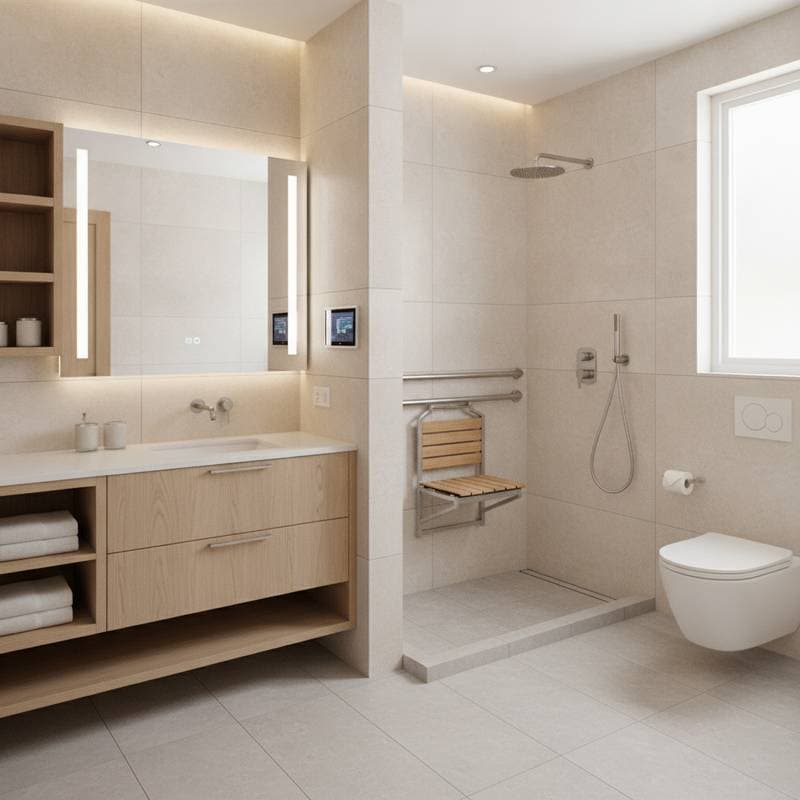
Zero-threshold showers
Curbless entries remove tripping risks and facilitate maintenance. Executed properly, these features maintain a contemporary appearance rather than an institutional one. Ensure correct sloping for drainage, typically 1/4 inch per foot, and adherence to local building codes for waterproofing. -
Reinforced walls for grab bar placement
Reinforce key areas during framing to accommodate future grab bar installations at minimal additional cost. This preparation, often using 2x6 studs or blocking, eliminates the need for costly drywall removal later. -
Comfort-height fixtures
Elevate toilets to 17-19 inches, vanities to 34 inches, and counters accordingly to minimize strain on joints. These heights benefit all users by promoting better posture and reducing physical effort. -
Non-slip flooring
Select materials with a coefficient of friction exceeding 0.6, such as matte porcelain tiles or vinyl planks with textured surfaces. Steer clear of polished finishes, which contribute to slips despite their elegance. -
Ample lighting and contrast
Incorporate multiple light sources, including overhead and task lighting at 75-100 foot-candles, paired with high-contrast elements between floors, walls, and fixtures. This setup aids visibility for those with visual impairments while enhancing the room's spacious feel. -
Lever handles and touchless features
Replace twist knobs with lever-style faucets and door handles for easier operation. Consider motion-sensor faucets to further reduce physical demands and promote hygiene.
Common Mistakes That Cost Homeowners Later
One prevalent error involves segregating aging-in-place features as an afterthought. Homeowners renovate for style first, then address accessibility when needs arise, effectively doubling expenses. Contractors often recount projects where recent installations, like tiled surrounds, require demolition to accommodate seats or expanded entries.
Another pitfall selects contractors lacking expertise in universal design. Builders must grasp precise requirements, such as 36-inch doorway widths and 60-inch turning radii for wheelchairs. Verify credentials through certifications from organizations like the National Association of Home Builders or portfolios of completed accessible renovations.
Long-Term Benefits That Go Beyond Safety
Universal bathrooms enhance property appeal by broadening marketability and minimizing upkeep costs. They accommodate multigenerational households, including caregivers and visitors with mobility challenges. Younger residents value the ergonomic advantages, positioning these designs as hallmarks of superior, forward-thinking construction.
Resale data indicates that accessible features can increase home values by 5-10 percent in competitive markets. Insurance providers may offer discounts for slip-resistant floors and reinforced structures, further justifying the investment.
Steps to Implement Universal Design
Begin your remodel by evaluating the existing bathroom's usability. Measure door openings, assess shower entry points, review illumination levels, and identify potential hazards. Consult with a specialist to explore options, specifying materials that align with universal standards.
Request comprehensive plans detailing reinforcement locations, fixture elevations, and clearance dimensions. Budget for these elements early, as they represent less than 10 percent of total costs yet yield substantial returns. Collaborate closely with your team to balance aesthetics and functionality.
Designing for every life stage preserves style without compromise. Proactive universal bathroom planning ensures sustained safety, comfort, and autonomy, allowing homeowners to age gracefully within familiar surroundings.