Why Induction Outperforms Gas in 2026 Kitchens
As a remodeling contractor, I have observed numerous kitchen trends evolve over the years. However, the transition from gas to induction cooking stands out as a practical advancement driven by safety, efficiency, and modern living requirements. Homeowners who view gas as the ultimate cooking solution overlook the real-world benefits emerging in the industry. Induction technology proves itself through clean operation, superior safety, and long-term cost savings that enhance overall kitchen functionality.
Challenges of Relying on Gas Stoves
Homeowners often prefer gas stoves for their apparent power and quick response. The visible flame conveys a professional atmosphere, and the ignition sound suggests reliable control. Yet, the hidden issues extend beyond the surface, affecting walls, cabinets, and indoor air quality.
Gas stoves emit carbon monoxide, nitrogen dioxide, and additional pollutants straight into the kitchen environment. These contaminants gradually degrade air quality and overburden ventilation systems. During inspections, I have encountered heat-induced damage to wiring and cabinetry not designed for such exposure, leading to risks like burning insulation odors or wall discoloration over time.
Gas installations demand extensive infrastructure, including properly sized lines that require inspection and pressure testing. Fittings and connections degrade with use, and any appliance relocation turns into a complex plumbing task. This setup increases expenses and potential liabilities, whereas induction removes these concerns entirely.
Understanding Induction Technology
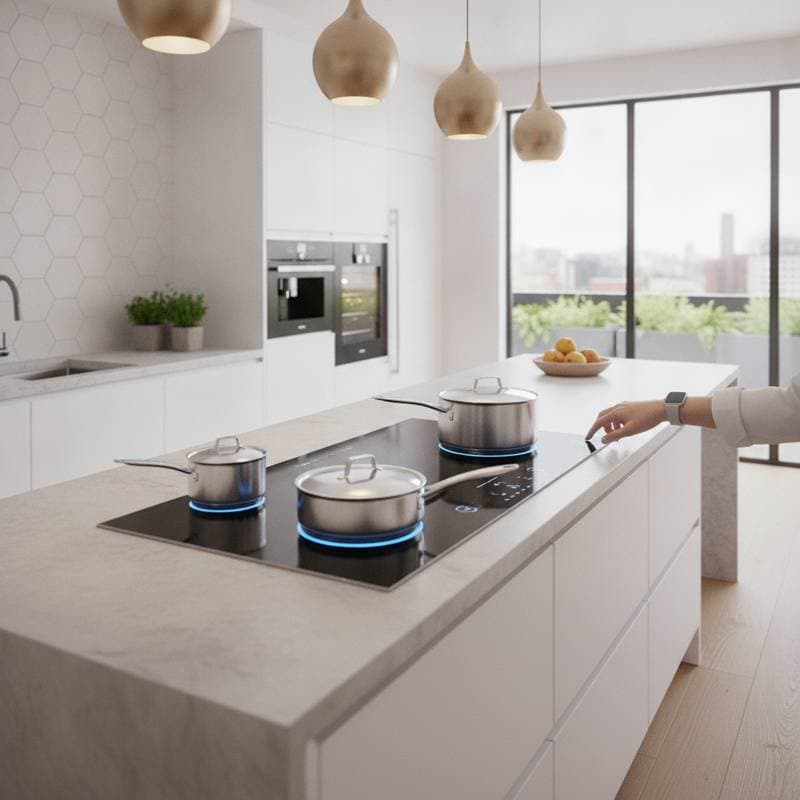
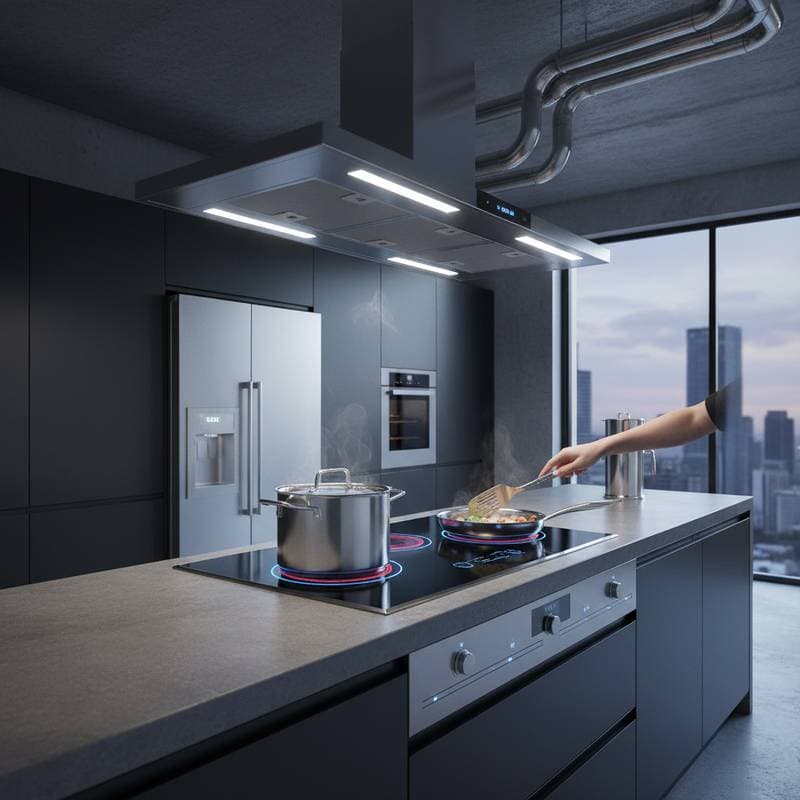
Induction cooktops generate heat through magnetic fields that directly energize compatible cookware. Rather than heating the surface, the energy targets the pot or pan material for immediate and uniform results. Heat production ceases instantly when the cookware lifts away, ensuring only the intended item warms.
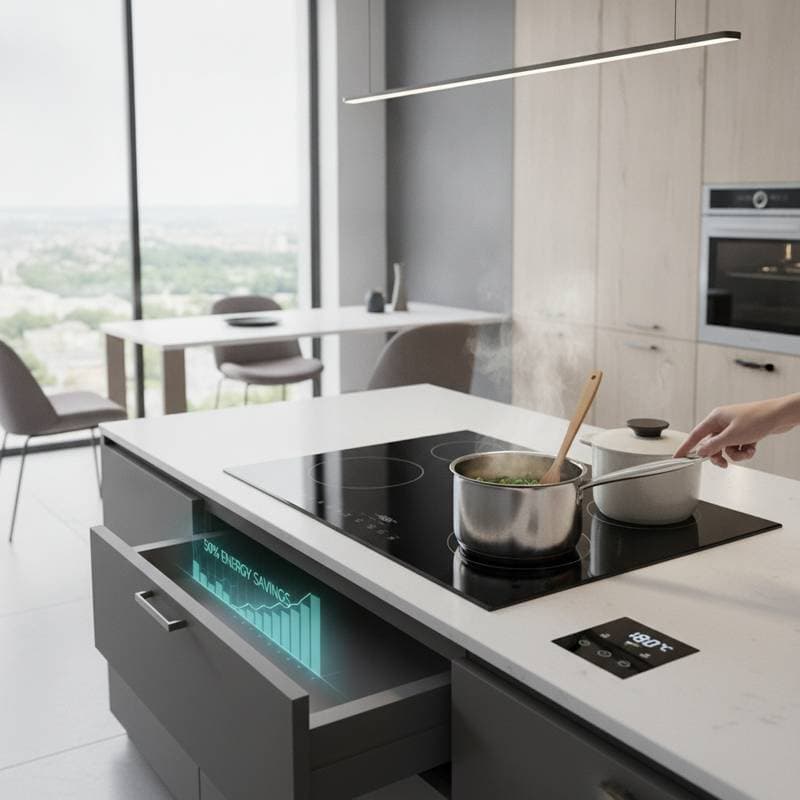
This method allows rapid boiling, accurate temperature adjustments, and minimal energy waste. Users discover that induction achieves 85 to 90 percent energy transfer to the cookware, compared to gas's 35 to 40 percent efficiency. The surplus heat from gas dissipates into the space, creating discomfort similar to proximity to an open fire, while induction surfaces remain touchable for safe spill cleanup during cooking.
Analyzing Costs and Efficiency
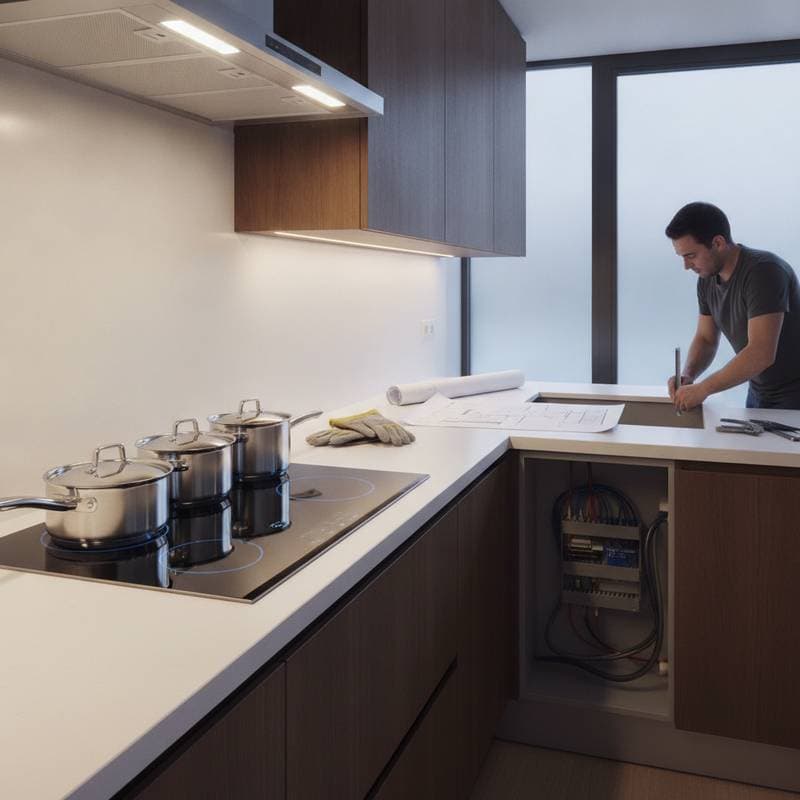
Contractors evaluate every electrical watt and thermal unit during planning to optimize circuits and ventilation. Induction lowers these requirements significantly. In many cases, a standard 240-volt circuit suffices without main panel upgrades, provided other appliances balance the load effectively.
Although initial costs for induction units exceed basic gas models, the return on investment occurs more quickly than anticipated. Reduced utility expenses, eliminated gas maintenance, and decreased ventilation needs offset the difference. Homeowners frequently report annual savings of hundreds of dollars through avoided gas fees and lower air conditioning demands in hotter regions.
Enhancing Safety with Induction
Contractors regularly document incidents involving gas leaks or installation errors with unqualified personnel. Gas systems offer little margin for error in valves, fittings, or flexible lines. Induction removes these dangers by design, with no flames, no carbon monoxide risks, and no lingering heat after shutdown.
This feature proves essential for households with children or elderly members. The cooktop surface stays cool outside the cookware area. Advanced models incorporate sensors for automatic shutoff upon cookware removal or overflow detection, providing both ease and genuine safeguards.
Superior Cooking Results for Professionals
Skeptics claim gas delivers better cooking outcomes, a notion rooted in tradition rather than fact. Even professional settings that once depended on gas now adopt induction for its reliability and exactness. The immediate response enables flawless searing and consistent sautéing without fluctuations.
Tasks like melting chocolate directly or achieving a rapid boil outperform gas methods. A retired chef client initially doubted the switch but praised the installation of a premium unit with suitable cookware. Within days, he noted sharper control, simpler cleanup, and a more pleasant kitchen environment during extended sessions, a sentiment echoed by many users.
Benefits for Installation and Remodeling
Induction streamlines construction by eliminating gas lines and robust venting needs. Designers gain flexibility to position cooktops on islands without flame or hood constraints, fostering open layouts and seamless aesthetics.
Modifying electrical systems proves simpler than altering gas pipes. Installing a dedicated circuit requires less invasive work than wall disruptions for new lines. In older properties, this approach cuts labor costs by thousands and eases permitting. Municipalities increasingly enforce stricter gas protocols, including extensive testing, which induction avoids altogether.
Navigating Environmental and Regulatory Changes
Building codes increasingly favor sustainable systems, with some areas prohibiting new gas connections in homes. Inspections grow more rigorous where gas remains permissible. Induction aligns seamlessly with upcoming standards, preserving home value for resale.
Prospective buyers prioritize energy efficiency and air purity. An electric kitchen signals progressive design. Environmentally, gas contributes to higher carbon emissions, but induction with renewable power sources minimizes this impact. Integration with solar installations or green energy plans creates a cohesive, low-footprint setup.
Addressing Frequent Misconceptions
-
Cookware Suitability
The majority of contemporary pots and pans function with induction. Test compatibility by checking if a magnet adheres to the base. Replacement for certain older aluminum or copper items represents a minor, one-off expense. -
Electrical Capacity
Induction requires circuits similar to those for electric ovens. Existing home services typically support it after load balancing by a professional. -
Operational Sounds
Budget models may emit slight hums at peak settings, though premium versions operate quietly. Correct setup and quality cookware resolve any minor noises.
Steps to Transition to Induction Successfully
Evaluate your current kitchen layout and electrical setup with a contractor to confirm compatibility. Select cookware that meets induction standards if needed, focusing on durable, magnetic-base options. During installation, prioritize certified professionals to balance circuits and integrate venting efficiently.
Test the system post-installation by preparing familiar recipes, noting the precise controls and energy savings. Monitor utility bills over the first few months to track reductions in costs and cooling needs. This process ensures a smooth upgrade that enhances daily cooking while aligning with long-term home efficiency goals.