Induction Cooktops: Revolutionizing Kitchens Without Gas
Gas stoves have dominated kitchens for generations. Homeowners often praise the visible flame for its perceived precision and flavor enhancement. However, stricter regulations and a focus on energy conservation have elevated induction cooking as a superior alternative. As a contractor experienced in installing gas and electric systems, I observe induction cooktops reshaping expectations for contemporary kitchen functionality. This evolution extends beyond mere appliances to encompass safety, performance, aesthetics, and overall home cooking practices.
Unseen Expenses of Gas Stoves
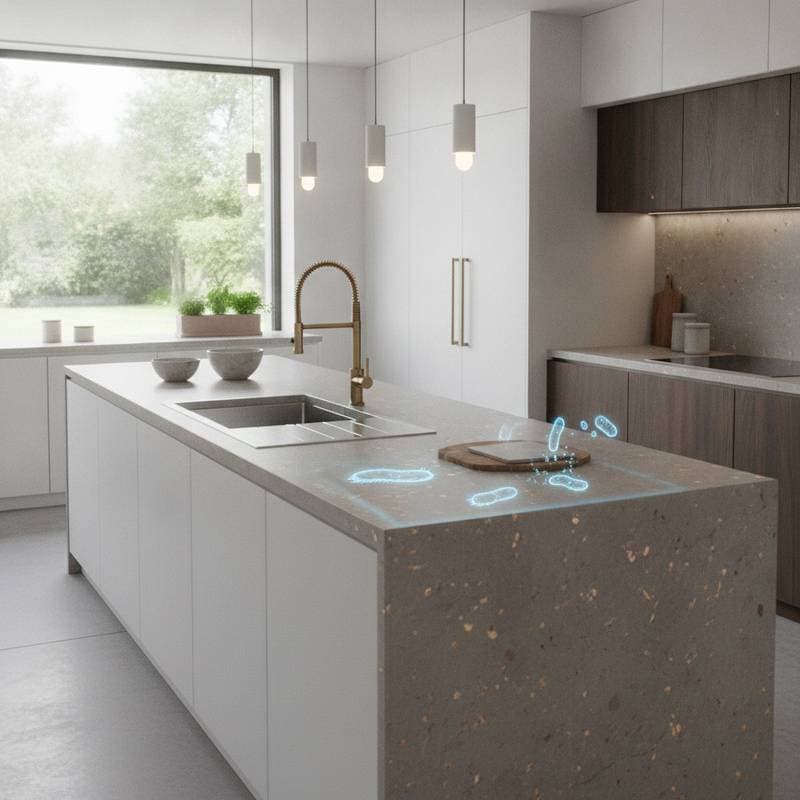
Homeowners frequently overlook the impact of gas stoves on indoor air quality and energy consumption. In numerous kitchens, clients express satisfaction with their gas ranges while noting persistent cooking smells, increased humidity, or post-meal headaches. These symptoms stem from gas combustion, which emits carbon monoxide, nitrogen dioxide, and particulate matter. Even robust range hoods struggle to fully mitigate these pollutants.
Efficiency poses another challenge. Gas flames direct only about 40 percent of their energy to the cookware, with the remainder heating the surrounding air. This excess warmth burdens air conditioning systems and elevates utility costs. Gas connections introduce leak risks as well. I have serviced many corroded flexible lines hidden behind cabinets or beneath ranges, often undetected until a gas odor alerts residents or a renovation uncovers the issue.
Key Advantages of Induction Cooktops
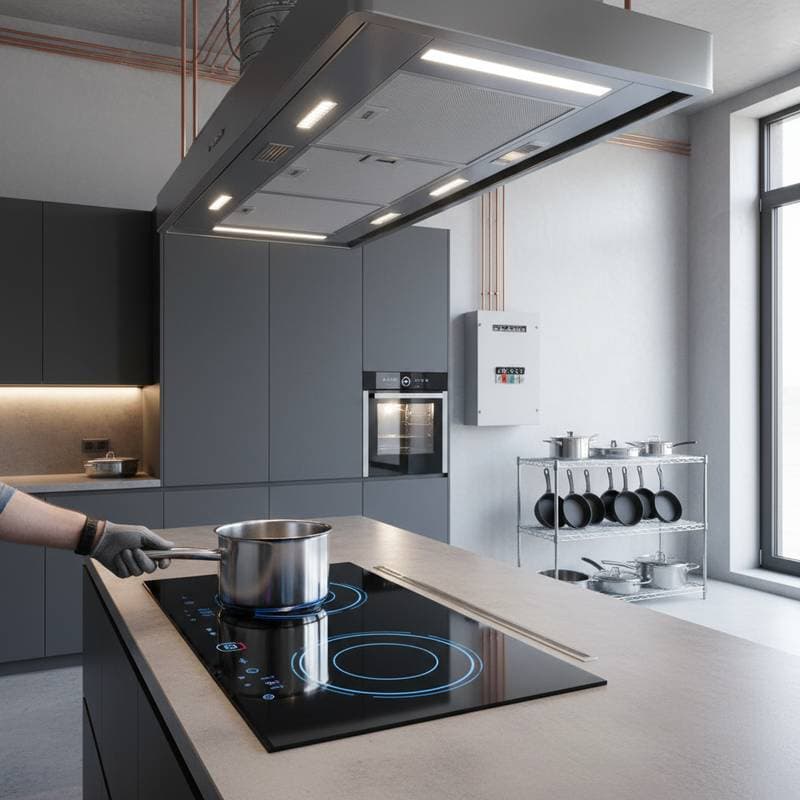
Induction cooktops generate heat through an electromagnetic field that interacts directly with the cookware. The cooktop surface remains cool to the touch except beneath the pot, fundamentally altering the cooking process.
-
Superior Efficiency and Rapid Heating
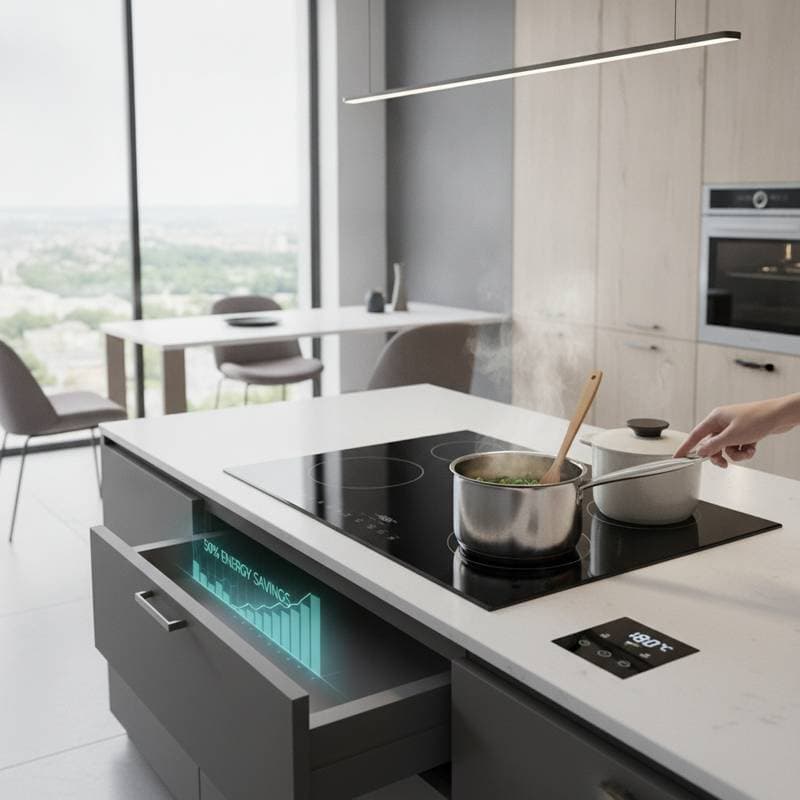
Induction delivers energy straight to the pan with exact control. In comparative demonstrations for clients, induction boils water in half the time of a high-output gas burner. Heat activates instantly upon contact and ceases when the pan lifts, eliminating residual warmth and cooldown delays. -
Enhanced Safety Features
For households with children or seniors, safety often tips the scales. The cooktop surface avoids extreme temperatures, minimizing burn hazards. Flammable items like towels or plastic utensils pose no ignition threat. Without combustion, risks of gas leaks or carbon monoxide accumulation vanish entirely. -
Effortless Maintenance
The smooth glass surface cleans with a simple pass of a cloth. No grates, coils, or trays demand disassembly. Clients transition from laborious scrubbing to brief wipes, as grease fails to scorch onto a surface that stays below 200 degrees Fahrenheit. -
Precise Heat Regulation
Professional cooks sometimes doubt induction's responsiveness compared to flames. Current models disprove this with adjustments down to one-degree intervals. Melt butter without scorching or achieve high-heat searing comparable to professional setups. Familiarity with controls quickly erases any nostalgia for gas.
Steps to Upgrade to Induction
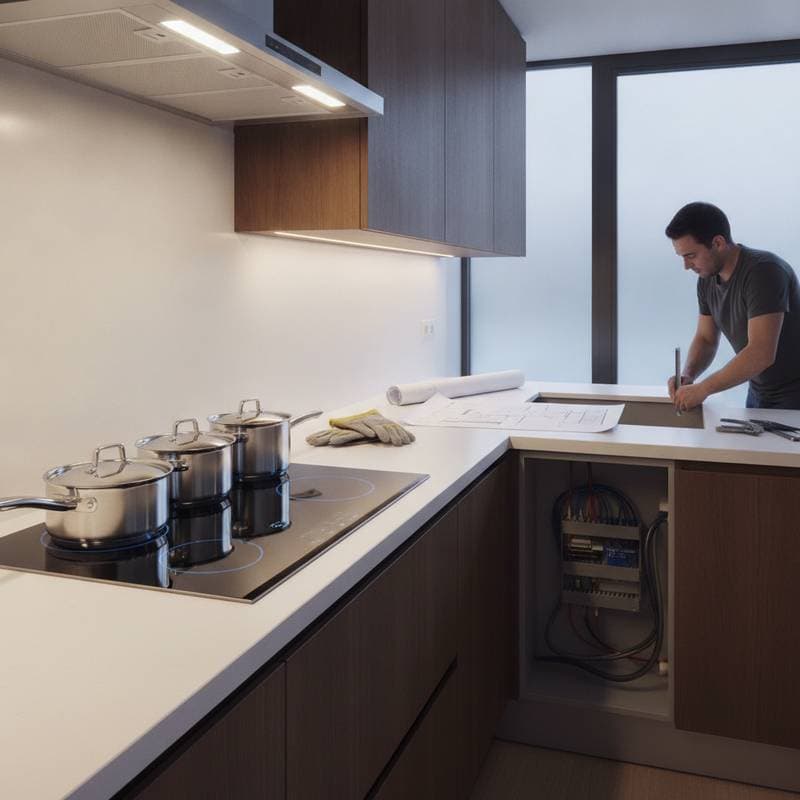
Transitioning to induction involves more than appliance replacement. Electrical infrastructure and equipment compatibility require evaluation prior to proceeding. I guide clients through essential preparations to avoid surprises.
-
Evaluate Electrical Infrastructure
Induction units demand substantial power, typically a 240-volt dedicated circuit drawing 40 to 50 amps. Aging homes with overloaded panels may necessitate service upgrades. Early assessment prevents disruptions during installation. -
Verify Cookware Suitability
Only ferromagnetic materials respond to induction. Test by attaching a magnet to the pan base; if it adheres strongly, compatibility exists. Cast iron, carbon steel, and magnetic stainless excel, while non-magnetic options like aluminum or glass require adapters or replacement. -
Review Kitchen Layout and Airflow
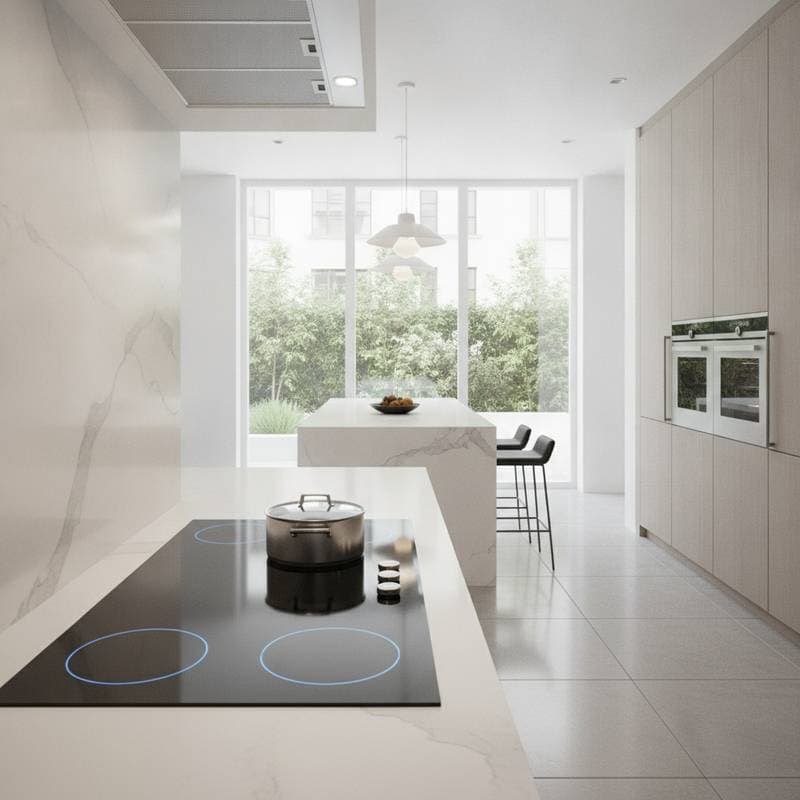
Induction generates minimal ambient heat, yet ventilation remains vital for vapor and odor extraction. Clients sometimes consider omitting hoods, but I advise against it. Effective venting preserves cabinet integrity and maintains air freshness. -
Account for Overall Expenses
Initial costs for induction exceed basic gas units by 20 to 50 percent, yet savings in energy, repairs, and upkeep offset this. Treat the upgrade as an integrated system enhancement for sustained value.
Everyday Experience with Induction
Having prepared meals on diverse surfaces, from industrial gas setups to single-burner induction devices, I note a brief adaptation period. The immediate heat response demands recalibration, but mastery yields unparalleled accuracy. Lowering the setting prompts instant cooling, unlike gas's lingering heat.
A subtle hum from the electromagnetic field may occur with thin pans, though thicker bases minimize it. Lacking a flame, users depend on digital displays for feedback, which intuitive interfaces simplify. Post-switch, clients highlight cooler kitchens and purer air. In one project, replacing a pro-style gas range with induction dropped ambient temperatures by 10 degrees during peak use, easing summer discomfort.
Overcoming Frequent Objections
Doubts about induction linger among traditionalists and professionals accustomed to gas. I address the most common below, grounded in real-world application.
-
Power Limitations
Induction matches or exceeds gas in boil times and searing intensity. The distinction lies in targeted heating, avoiding air warming for focused performance. -
Outage Vulnerability
Power dependency affects induction, similar to gas stoves with electric ignition. Frequent blackouts warrant a modest generator, addressing lighting and refrigeration alongside cooking. -
Maintenance Costs
While repairs involve specialized parts, induction's durability reduces frequency. Reputable brands offer 10-year warranties, and I service fewer induction components than gas igniters or valves. -
Perceived Inauthenticity
The flame's spectacle appeals to some, yet induction's reliability fosters a new standard of precision. Tasters detect no flavor difference; consistency elevates results.
Embracing All-Electric Kitchen Trends
Cities nationwide promote electric appliances in new builds through incentives and codes. These measures target emission reductions and operational simplicity. Contractors appreciate how all-electric designs cut installation complexities, as gas piping demands rigorous testing and future-proofing.
Electric wiring adapts easily to renovations, unlike rigid gas lines. In apartments, eliminating gas lowers fire hazards and ventilation needs. Early adopters gain market edge; informed buyers prioritize air purity and efficiency. A gleaming induction setup conveys modernity and ease, often sealing impressions during viewings.
Essential Strategies for Seamless Adoption
To facilitate your induction shift, implement these targeted actions.
-
Test with a Portable Unit
Experiment using a single-burner induction plate to gauge usability and pinpoint cookware needs without full commitment. -
Engage Certified Professionals
High amperage requires expert handling. A licensed electrician assesses panel load and installs appropriate circuits for compliance and safety. -
Adapt Counter Surfaces
Standard cutouts for gas may not align; collaborate with fabricators for precise modifications ensuring flush integration. -
Maintain Air Extraction Systems
Retain or upgrade hoods to capture steam effectively, safeguarding aesthetics and health regardless of heat output.
Realizing Benefits in Daily Cooking
Induction empowers cooks with tools that prioritize health, precision, and convenience. Homeowners report fewer utility spikes, safer environments, and streamlined routines. This technology aligns kitchens with sustainable living, delivering performance that enhances every meal without the drawbacks of outdated gas systems.